Discover our flagship array of fiber laser cutting systems, automatic processing units, and high-performance metalworking machinery. Engineered for continuous industrial duty, high speed, and micron-level accuracy.
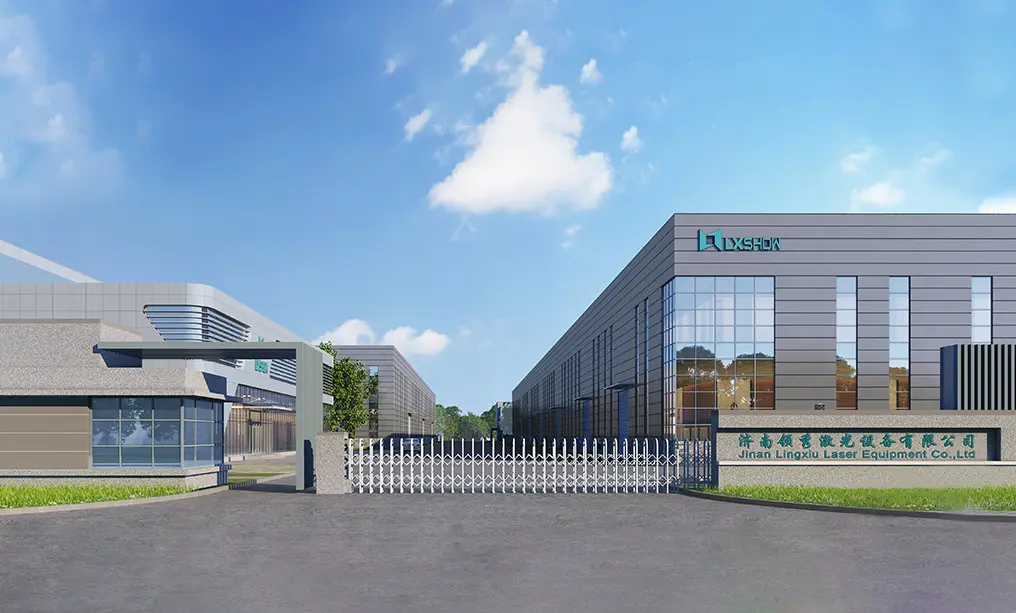
Established in July 2004, we have committed nearly two decades to technological superiority, developing cutting-edge laser technologies that bridge the gap between traditional steel fabrication and digital Industry 4.0 workflows.
Spanning over 500 square meters of specialized research space alongside a 32,000 square meter smart factory, our machine design teams focus on automated optical paths, structural mechanics optimization, and multi-axis synchronizations.
Every laser machine model built in our facilities has passed the European Union CE authentication, American FDA certificate, and operates fully under the ISO 9001 quality management framework.
We supply robust OEM manufacturing and design services for more than 30 major global brands, supporting operations in North America, Europe, Australia, Southeast Asia, and Africa.
Modern heavy industry and steel processing distribution hubs have shifted from mechanical shears and hydraulic punching systems to intelligent CNC fiber lasers. The primary driver of this shift is the need for unmatched kerf consistency and zero post-processing requirements. Procurement agents across Europe and North America look closely at key factors such as total cost of ownership (TCO), beam parameter product (BPP) values, and automated loading mechanisms that enable lights-out production.
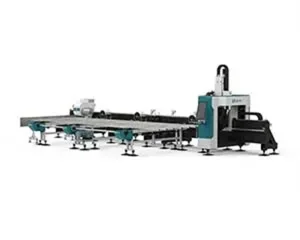
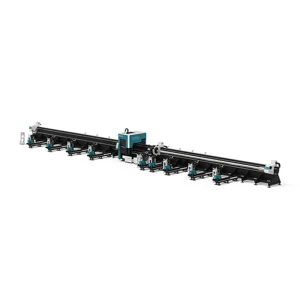
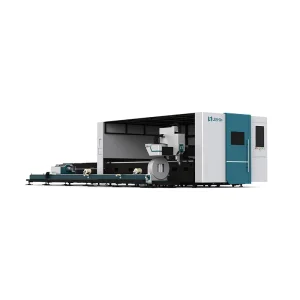
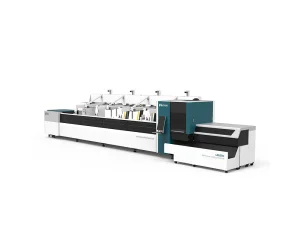
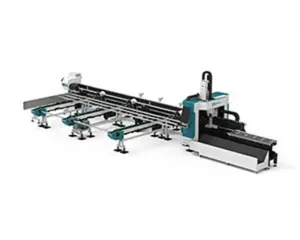
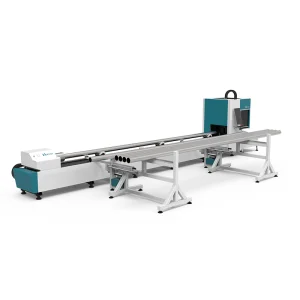
In high-capacity distribution centers, the integration of systems like the LX62TNA Loading & Unloading Fiber Laser minimizes material handling times, which typically accounts for over 40% of the total labor cost in profile fabrication. Multi-chuck clamping structures, such as 3-chuck and 4-chuck (TIV) setups, have set a new industry benchmark by eliminating tube tailing waste and reducing manufacturing costs.
As the manufacturing sector moves toward Industry 4.0, steel laser cutter machines serve as the primary physical ingestion points for material data. Product lines are no longer standalone systems; they integrate directly with shop floor MES (Manufacturing Execution Systems) and ERP portals via CAD/CAM nesting algorithms.
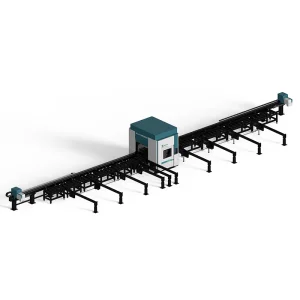
For instance, structural structural frame processing utilizes specialized systems like the LX650FBHGA H-Steel Laser Cutting Machine. Standard H-steel profile processing requires continuous 3D coordinate mapping. Unlike standard sheet metal cutters, profile systems process variable structural geometries—including I-beams, angle iron, and channels—ensuring strict structural tolerance compliance.
The core of steel laser processing efficiency lies in two fields: optical beam alignment and auxiliary gas dynamics. The choice between nitrogen, oxygen, or compressed air processing directly influences edge finishing and surface oxidation:
Equipped with variable beam width (zoom) cutting heads, modern fiber systems automatically adjust focus sizes according to thickness changes. This mechanism ensures clean cuts on thin sections while maintaining stable kerf removal on thicker materials.
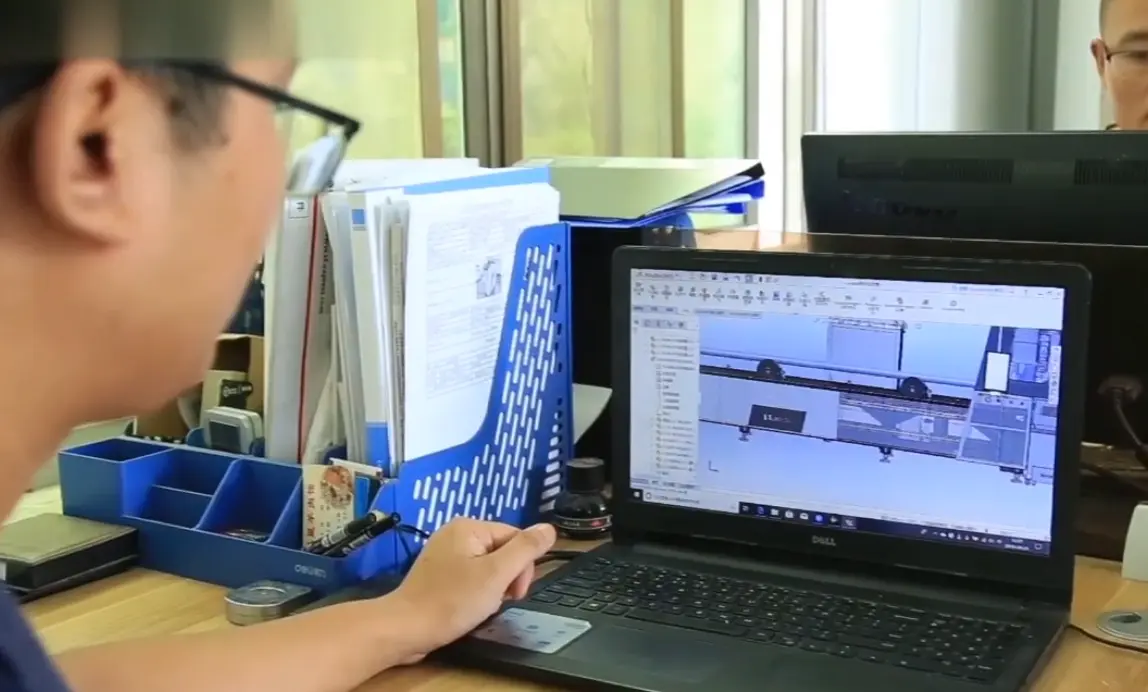
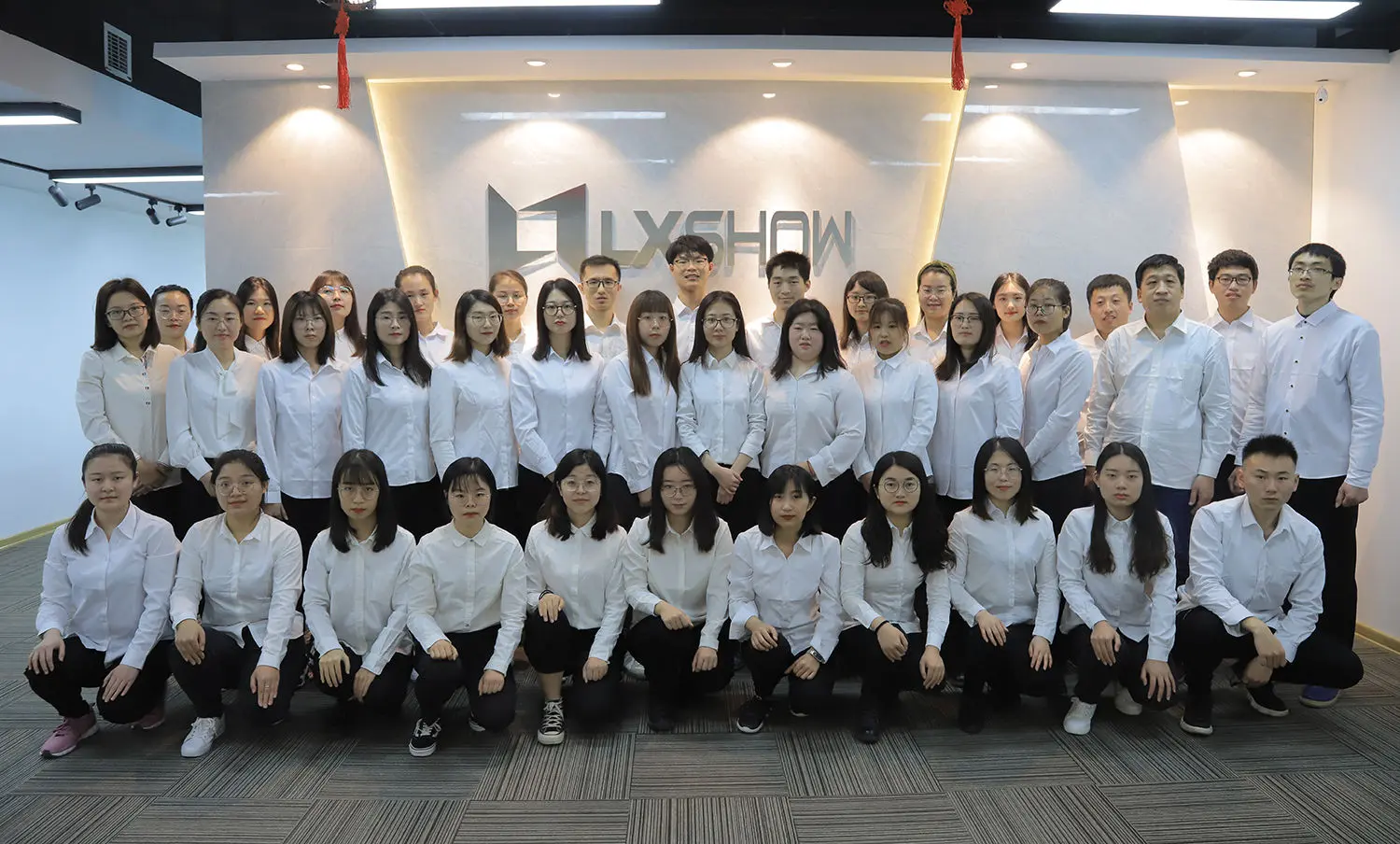
Step inside our ISO-certified facilities and design workspaces where our engineering teams develop high-performance laser cutting systems.
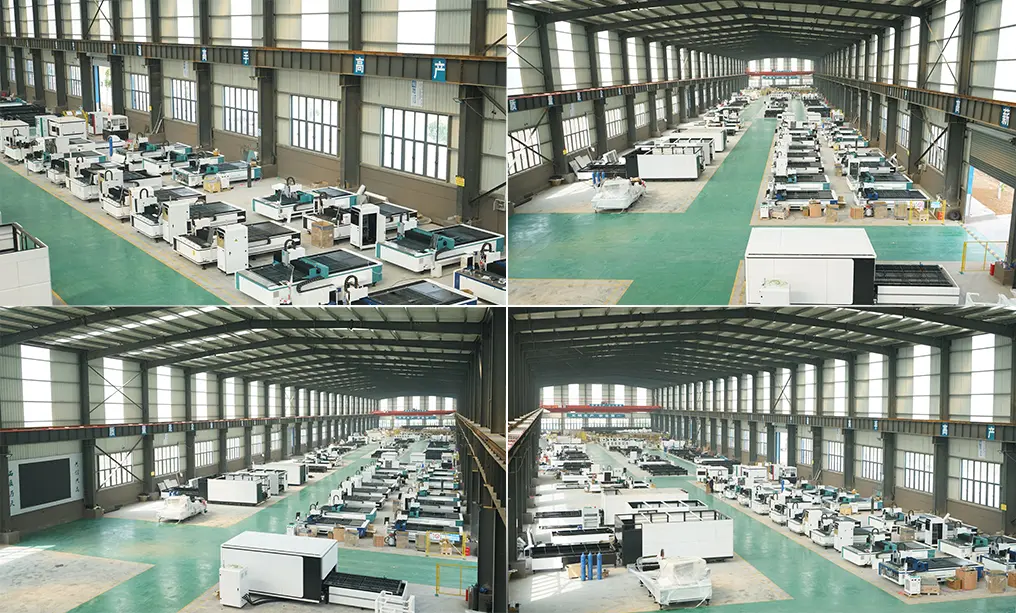

A metal fabrication workshop requires integrated machines that work together seamlessly. Cutting, bending, and finishing systems must operate within a unified workflow. When a sheet laser cutter or tube cutting machine delivers parts, these components proceed directly to secondary processes:
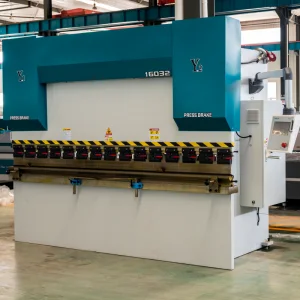
Our CNC Press Brakes (such as the WG67K and WE67K series) use multi-axis servo systems to ensure repeatable bending tolerances. Integrating offline software allows operators to import laser cutting paths directly, automatically calculating bend allowances and spring-back values.
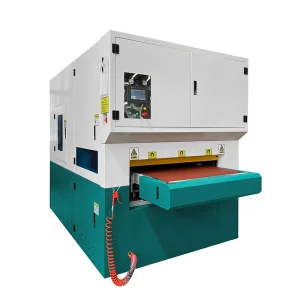
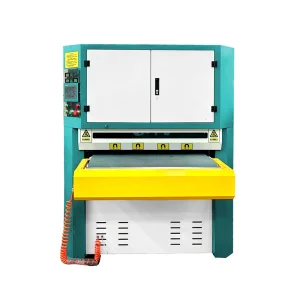
To guarantee safety and coating adhesion, laser cutting burrs must be removed. Utilizing automated systems like the LX-RRS-M-1000 or LX-RR-M-800 removes sharp dross and sharp edges, preparing the parts for painting, powder coating, or plating.
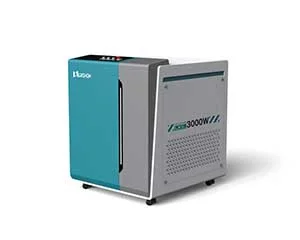
For complex assemblies, handheld and robotic fiber laser welding systems (such as the 3000W series with integrated water coolers) provide joint strength with minimal heat input, preventing distortion on thin sheet metal fabrications.
Installing high-power industrial machinery requires thorough planning. Our overseas service network provides support during installation and commissioning. From foundation stability guidelines (crucial to prevent mechanical vibration on high-acceleration gantries) to local safety rules (complying with OSHA, CE, and laser safety class enclosures), we handle the compliance details.
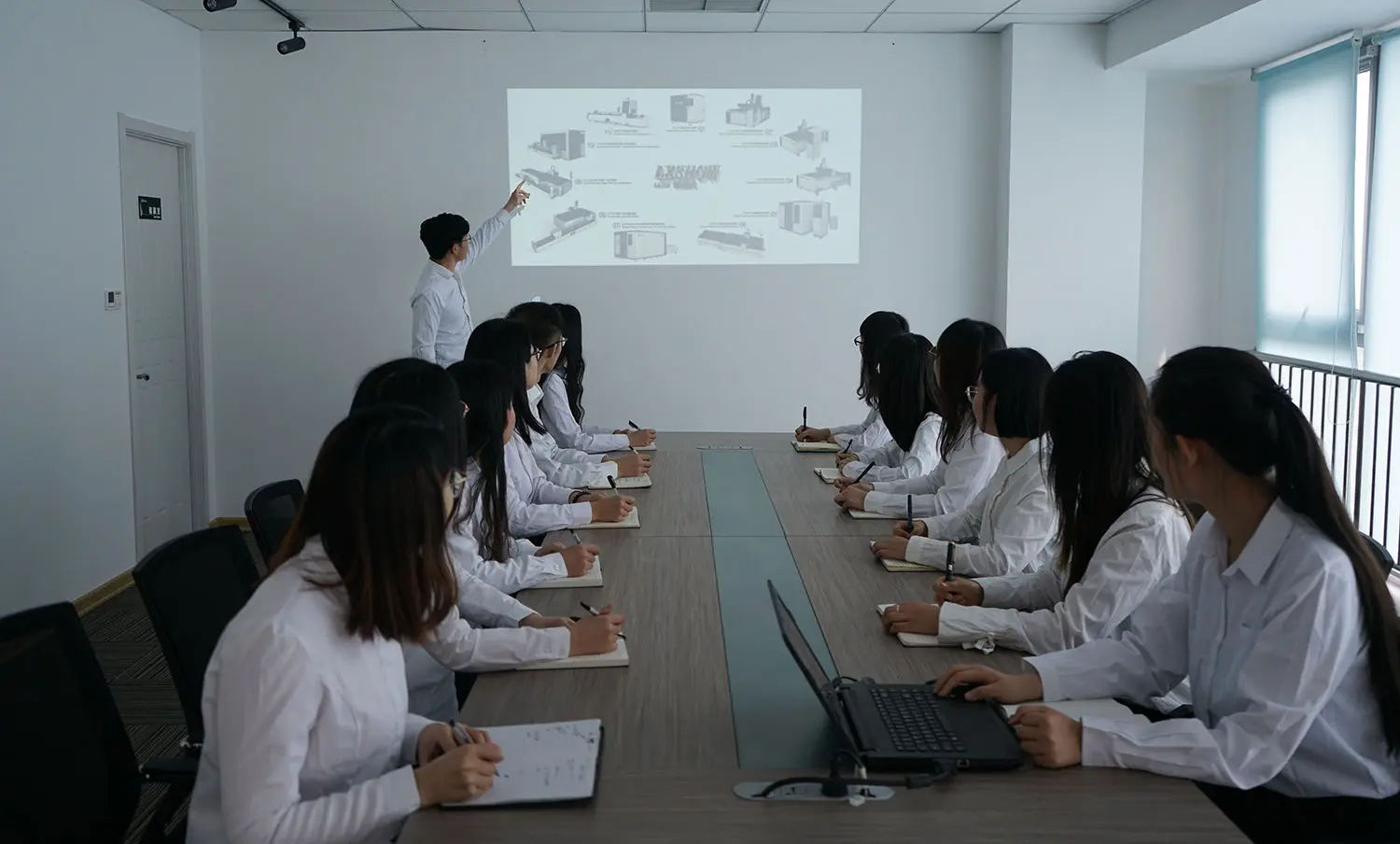
Our training program ensures your operators understand the system's functions, covering optical collimation alignment, gas pressure calibration, and nesting software optimization to minimize scrap rates.
Critical answers to questions frequently asked by engineering heads, procurement officers, and production managers during the equipment selection process.
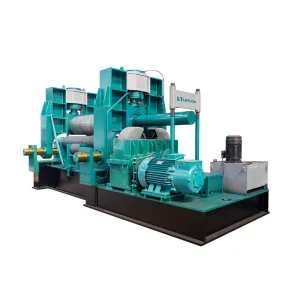
Explore our selection of heavy metalworking machinery, featuring smart press brakes, deburring units, and industrial sheet/pipe fiber cutters designed to streamline your production line.
 Lxshow