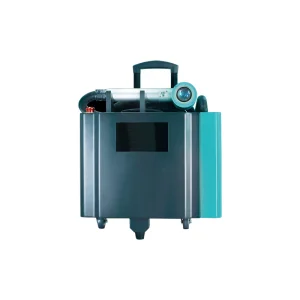
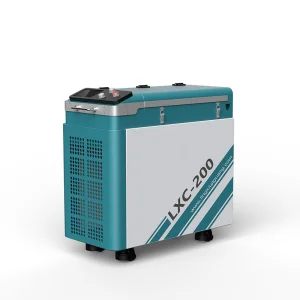
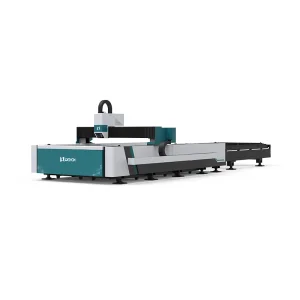
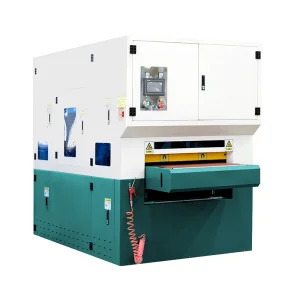
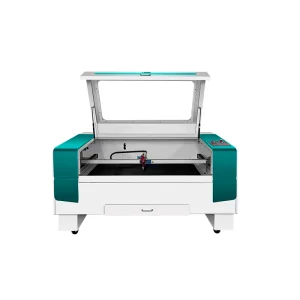
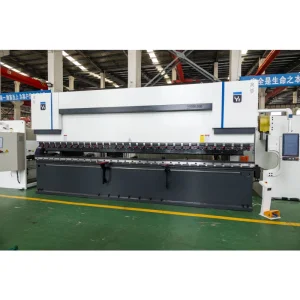
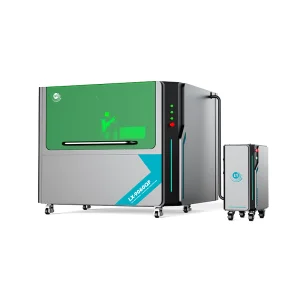
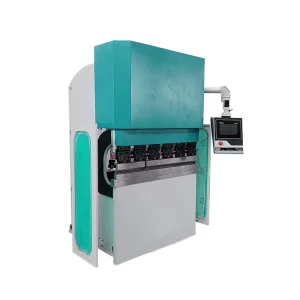
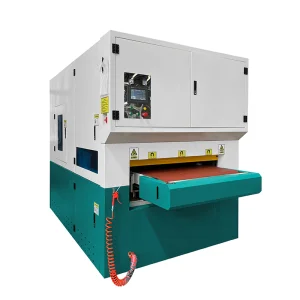
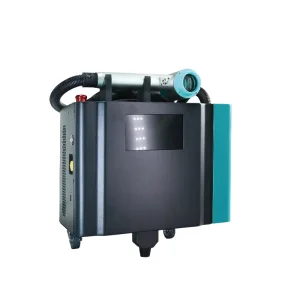
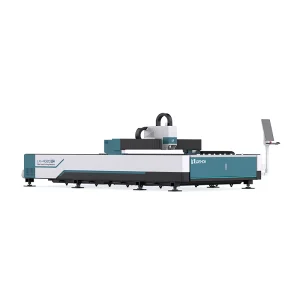
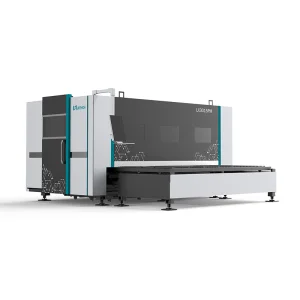
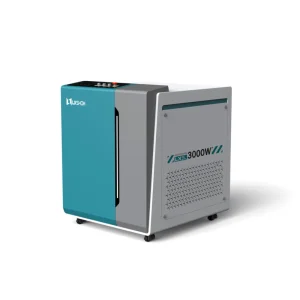
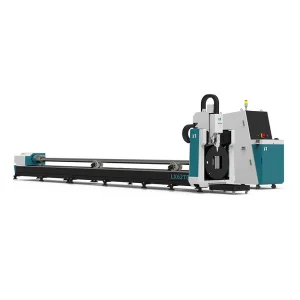
Explore our elite selection of fiber laser cutters, high-capacity tube processors, eco-friendly laser cleaning systems, and electro-hydraulic bending presses.
Laser cutting stainless steel requires a balance of thermal input and auxiliary gas dynamics to preserve the structural and anti-corrosive characteristics of the alloy. Austenitic grades like SUS304 and SUS316L contain high amounts of chromium and nickel, elements that are susceptible to phase changes when subjected to localized high heat. Unlike carbon steel processing, which relies on exothermic reactions with oxygen, stainless steel processing demands an inert cutting gas environment to prevent oxidation along the kerf wall.
This inert cutting method eliminates post-cut scaling, guaranteeing an oxide-free surface ready for subsequent robotic welding or passivation. When sourcing custom fabrications from wholesale manufacturers, the capability to maintain high cutting gas purity is a primary differentiator separating structural-grade cuts from pharmaceutical-grade edge quality.
Operating laser cutters at 10kW or above yields a significant thermal footprint. To prevent linear axis thermal expansion and distortion, our laser cutting beds employ heavy-duty, stress-relieved gantry frames combined with segmented dust extraction units.
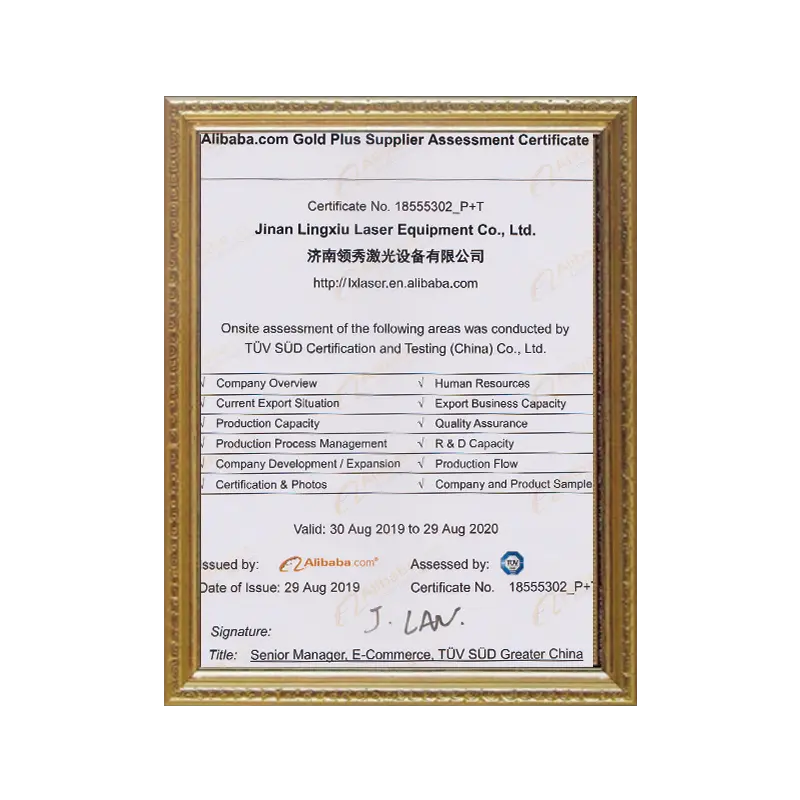
Procuring industrial machinery internationally demands robust compliance verification. Buyers face issues with non-standard electrical configurations, structural safety compliance, and fluctuating duty cycles. Working with a verified global supplier mitigates these logistics challenges.
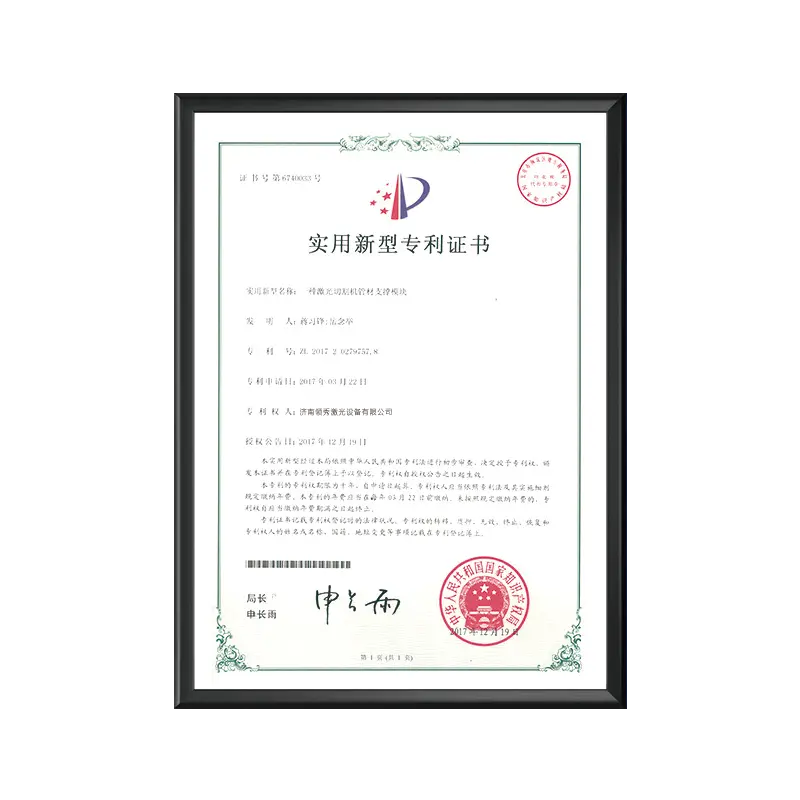
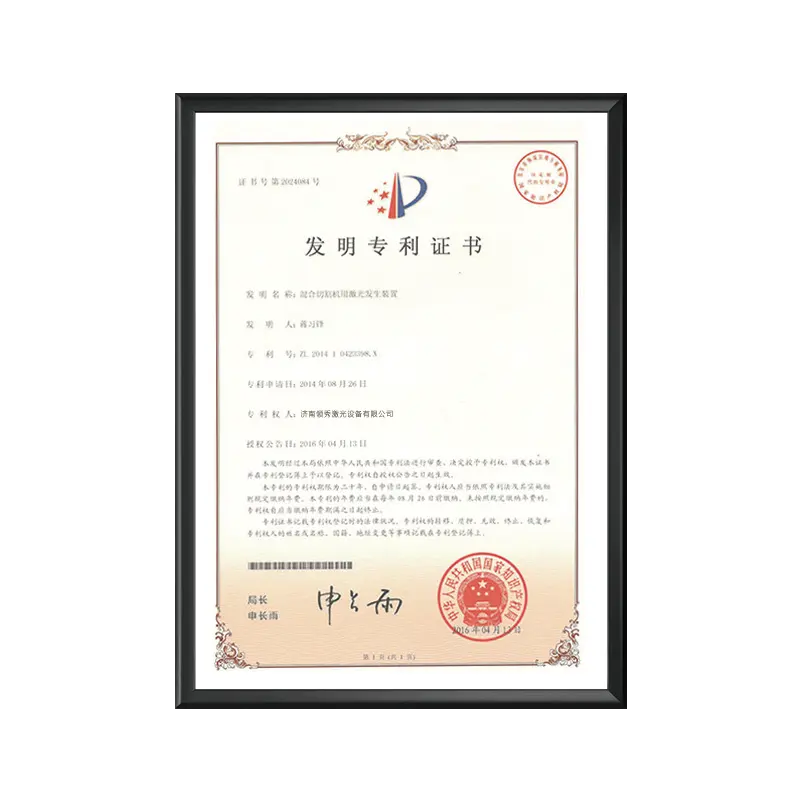
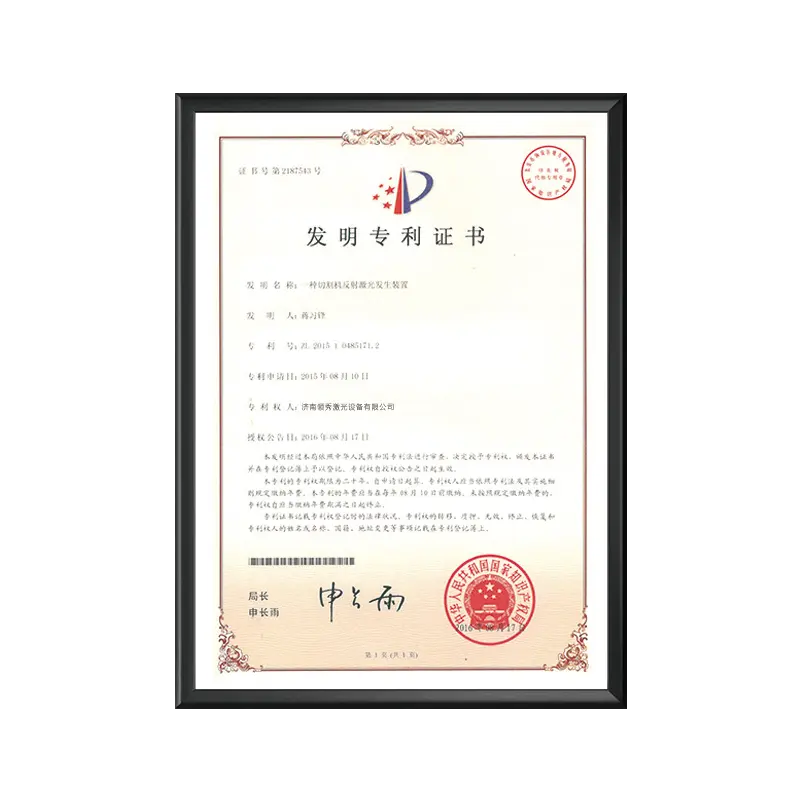
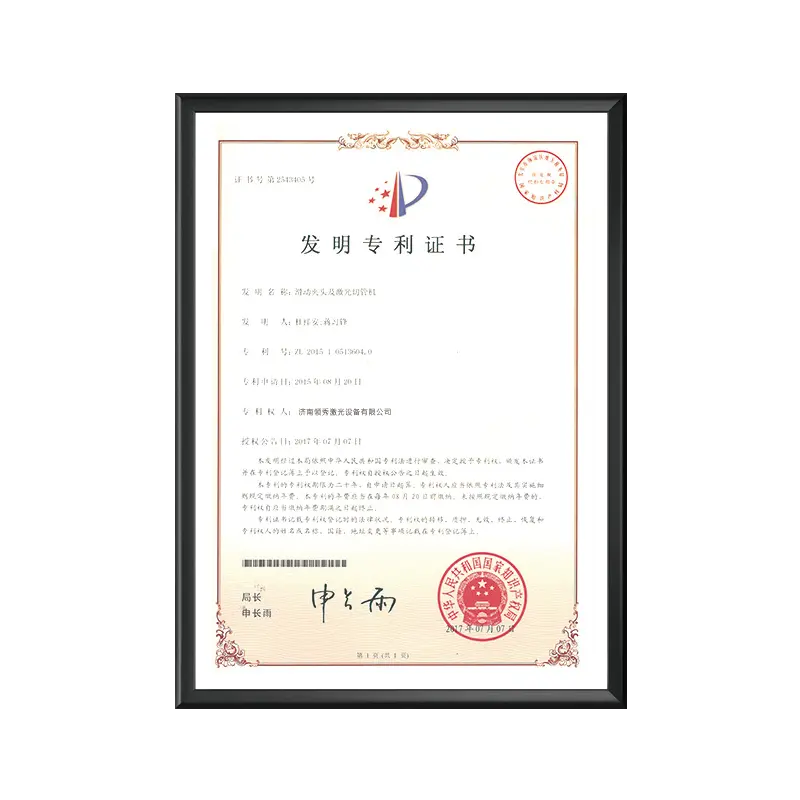
Our ISO 9001-certified factory processes ensure mechanical assemblies undergo coordinate measuring machine (CMM) testing, maintaining precision alignments over extended operational lifetimes.
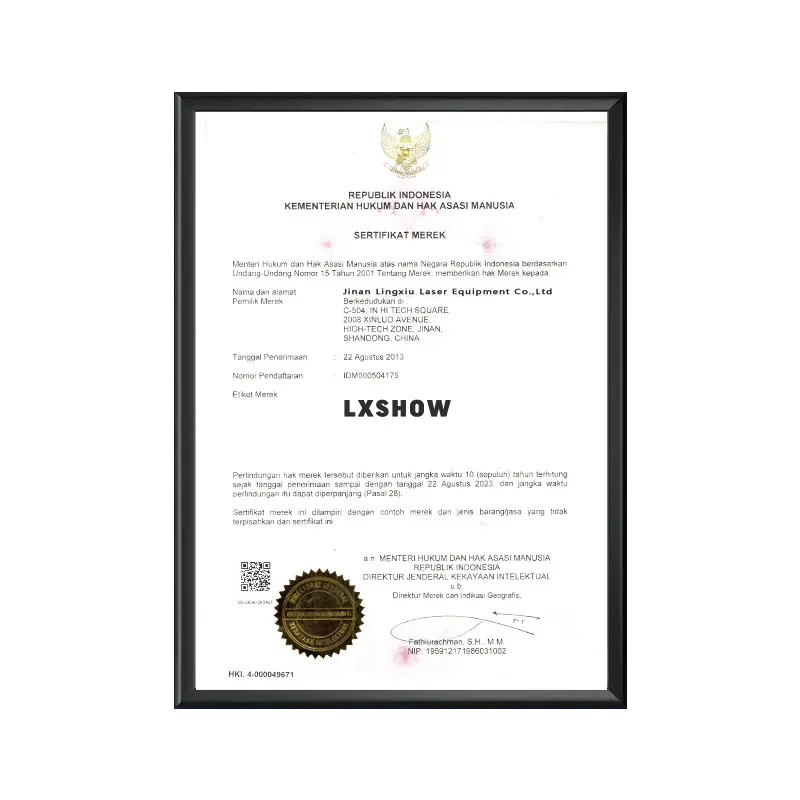
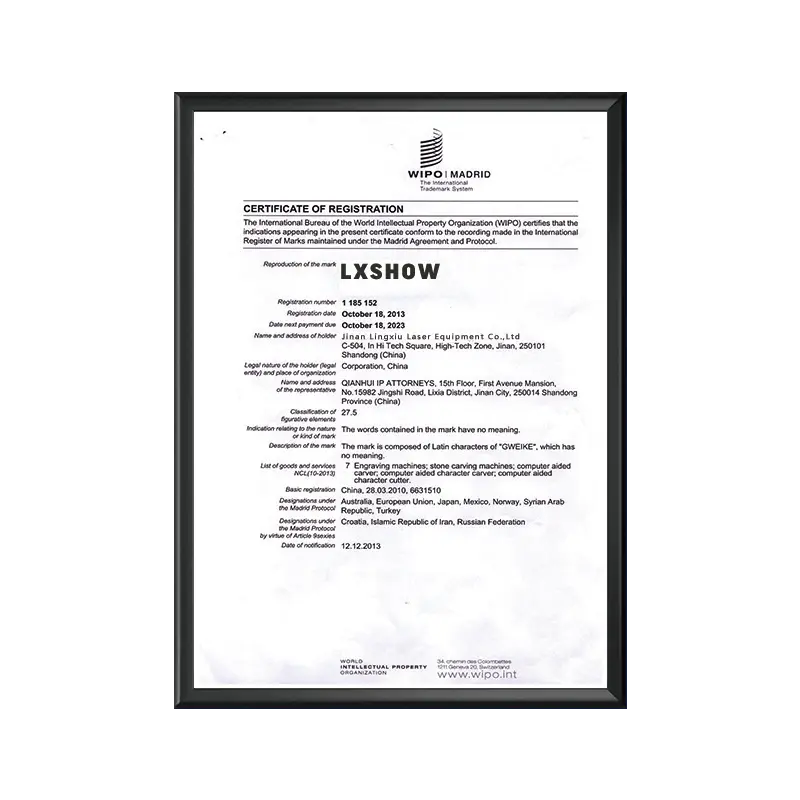
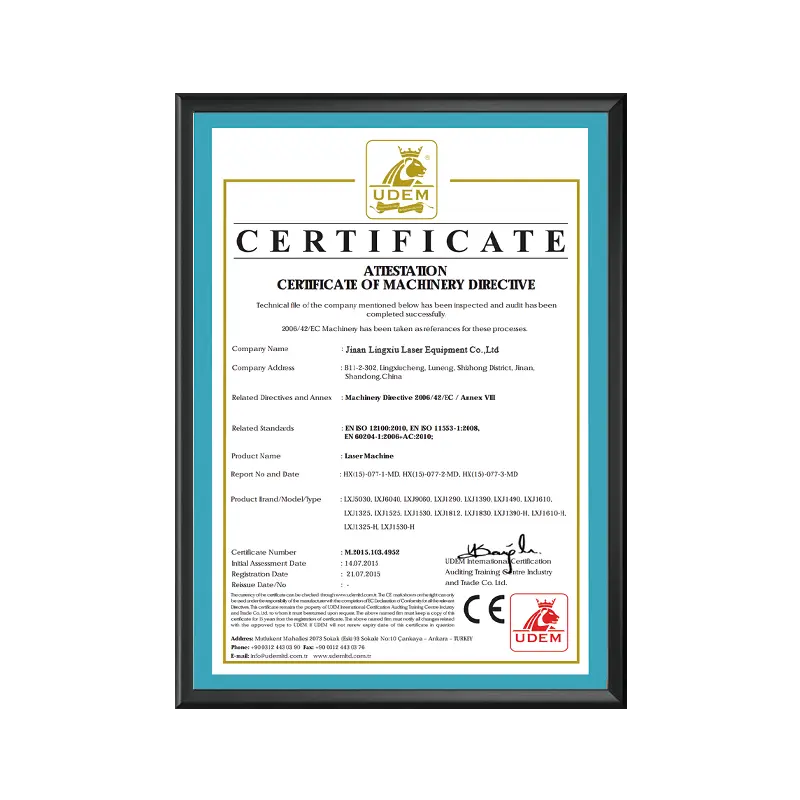
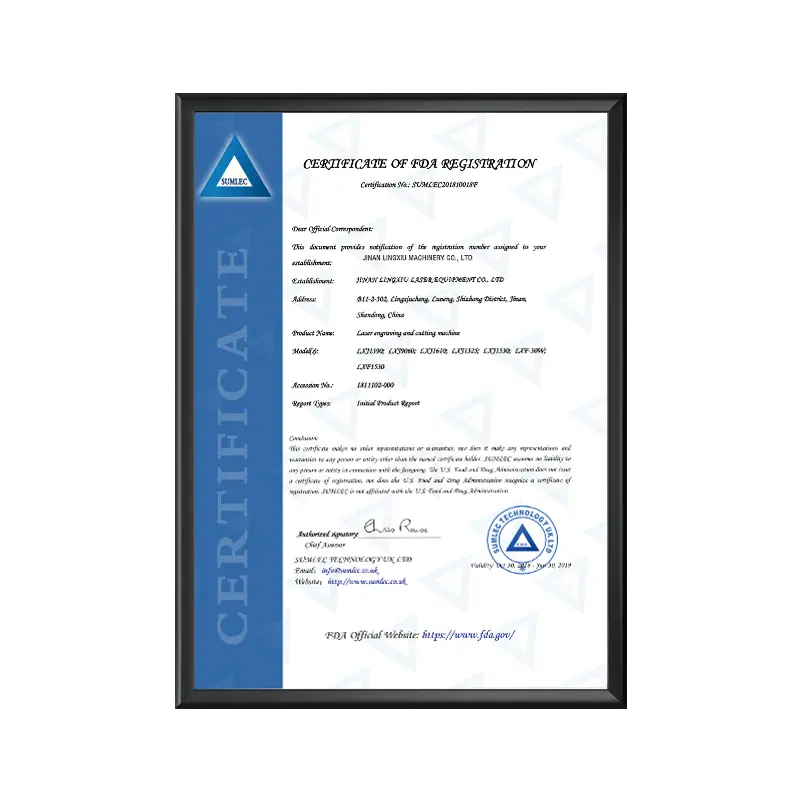
High-precision manufacturing operations in regions like North America and the European Union rely on strict machine safety compliance. Any machinery deployed on manufacturing floors must meet CE regulations, comply with FDA safety protocols for Class 4 laser emissions, and maintain ISO-aligned manufacturing processes.
Our machines utilize fully-enclosed safety cabins with laser-protective viewing glass, preventing scattered light exposure. Interlocked safety systems immediately disable power if a chamber door is breached.
Through rigorous component testing (using parts from IPG, Raycus, Maxphotonics, and Yaskawa), we guarantee stable processing capability with minimal operational downtime.
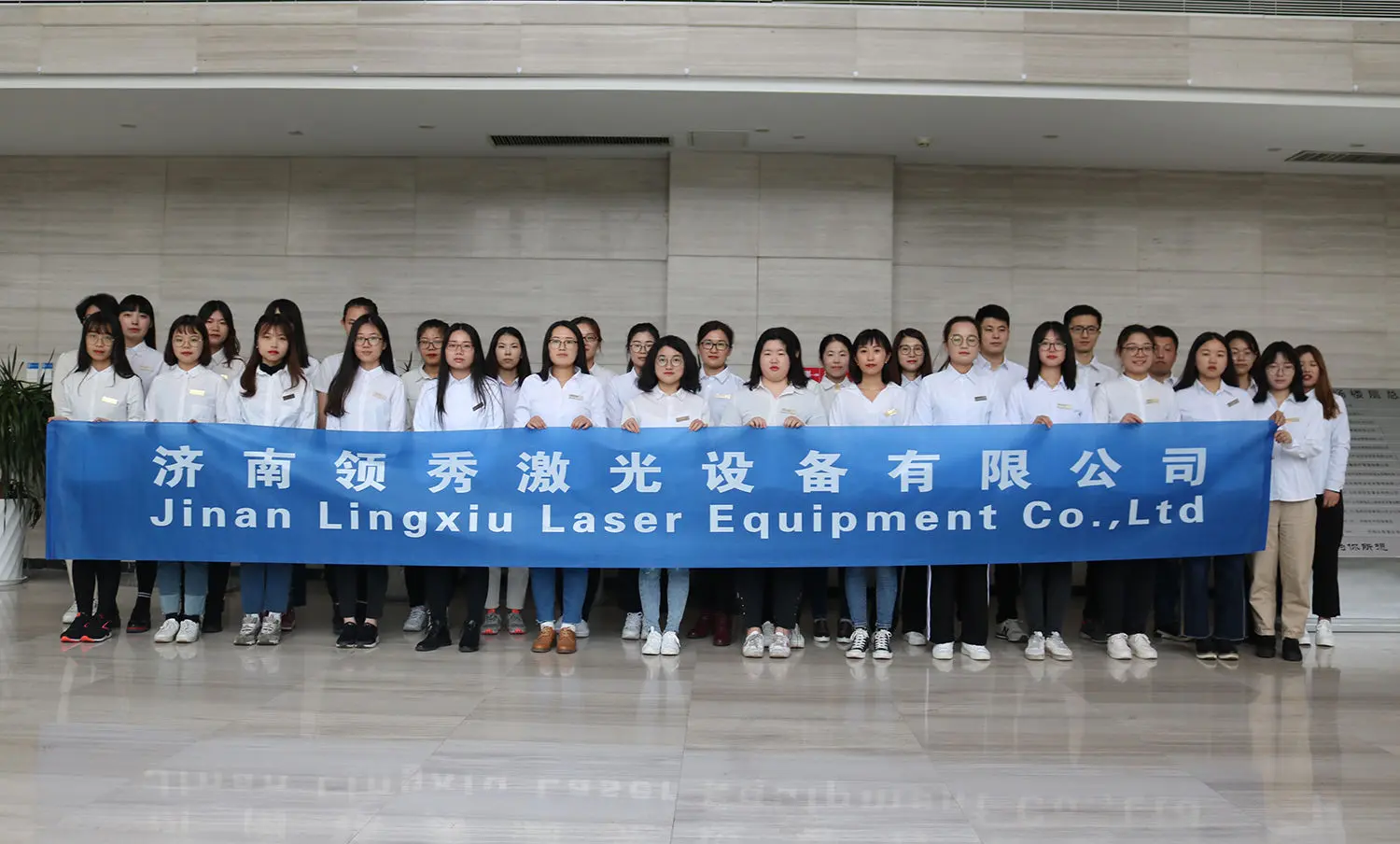
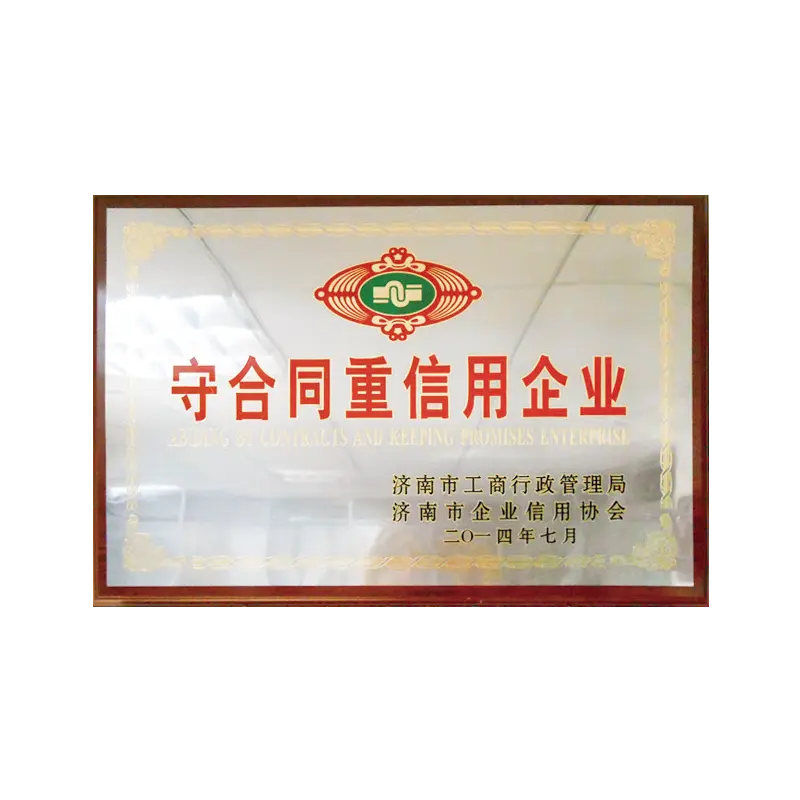
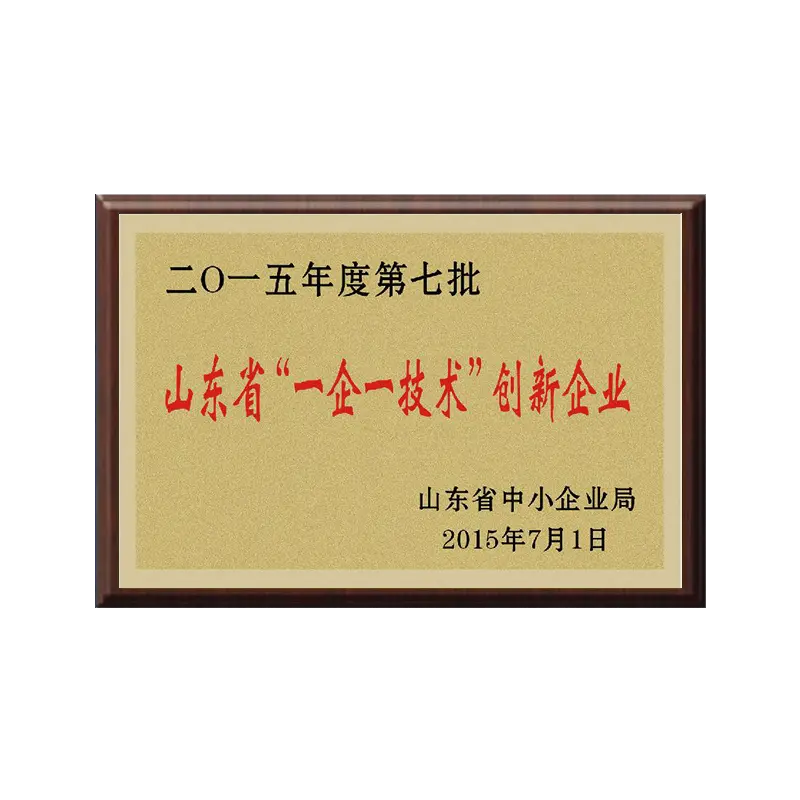
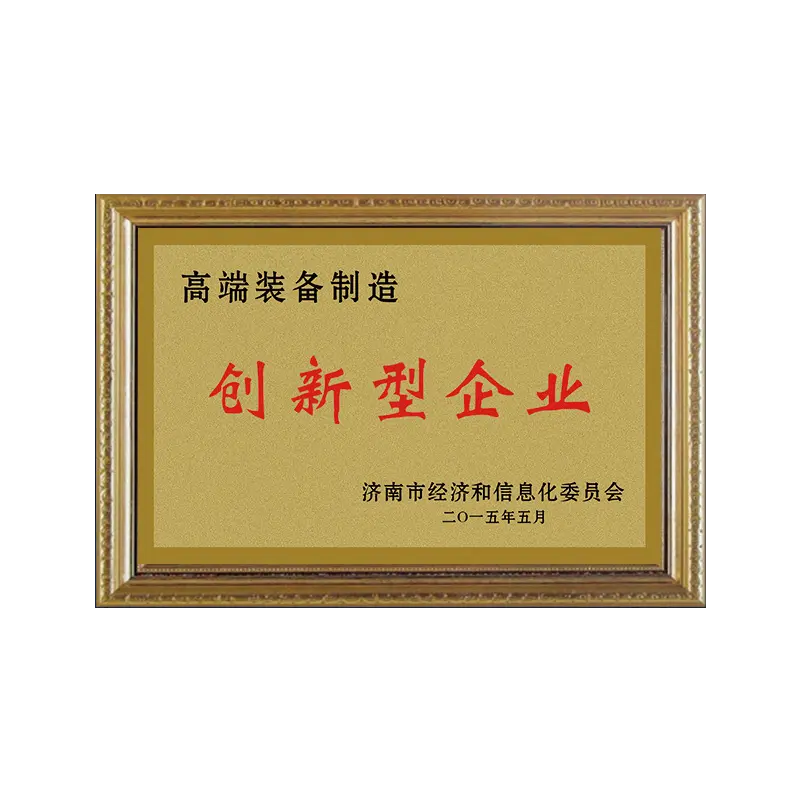
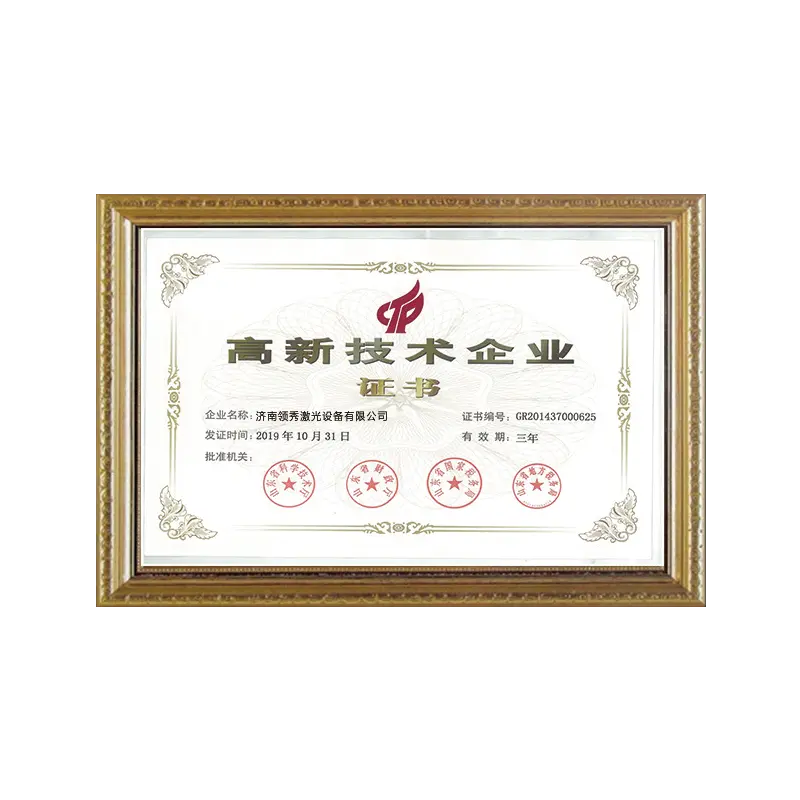
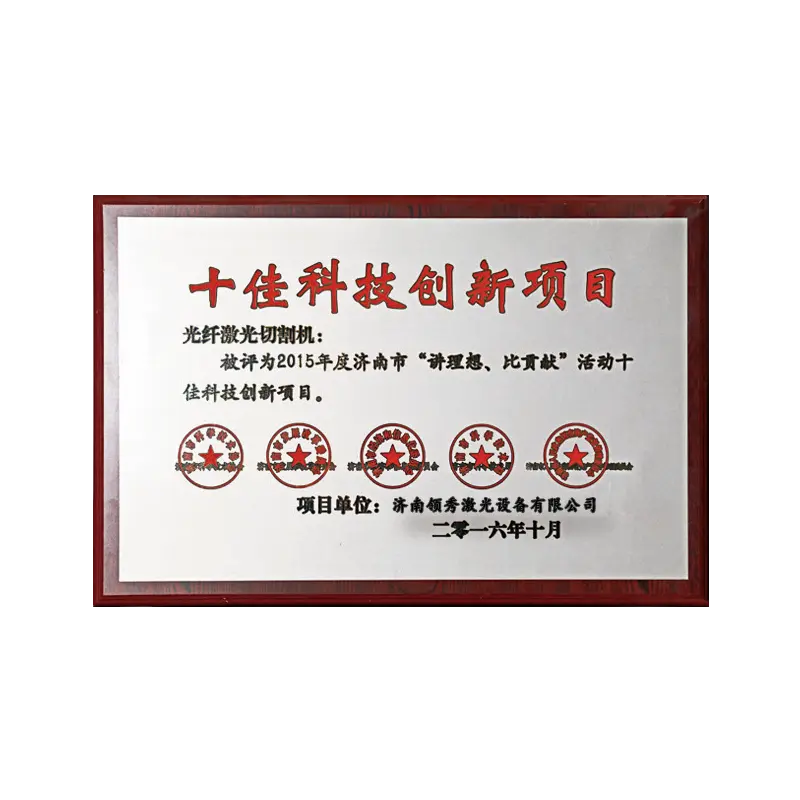
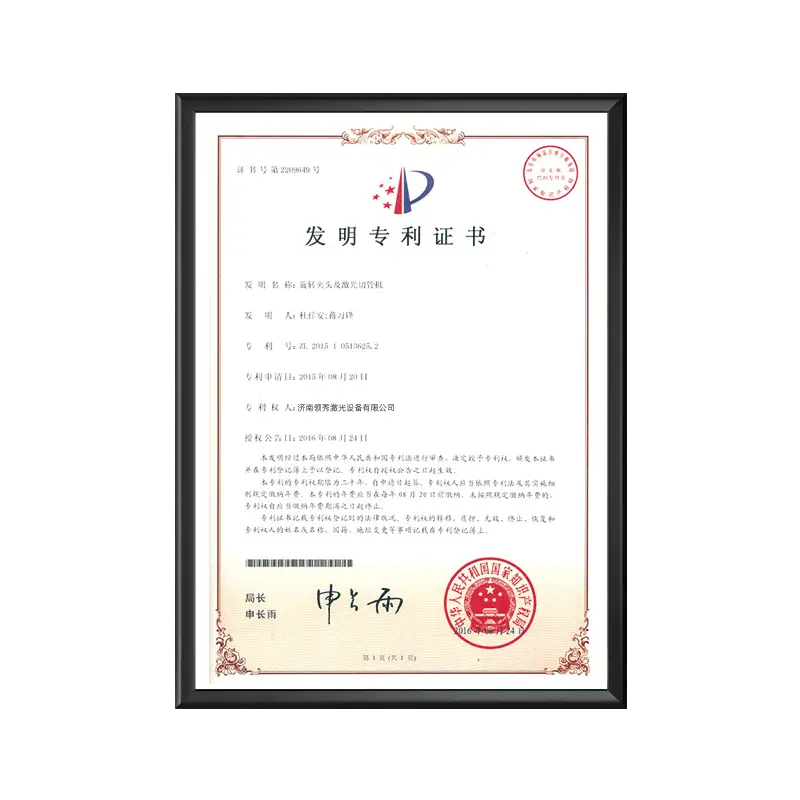
A global track record of reliability, precision engineering, and technological scale since 2004.
Modern metal fabrication has advanced beyond standalone machines. Industry 4.0 demands that laser cutting, deburring, and press brake bending systems coordinate within a unified manufacturing execution system (MES). The LXSHOW technology roadmap implements open communication standards (such as OPC UA) to allow seamless automated scheduling and toolpath generation.
By integrating automated load/unload systems (like our LX62TNA pipe processing model) with dynamic nest software, sheet metal shops can achieve automated manufacturing during off-hours, significantly lowering per-part labor overhead.
Our current research and development focus includes real-time nozzle condition monitoring, auto-centering laser heads, and thermal imaging cameras that adjust cutting parameters on-the-fly to manage thermal accumulation in thick stainless plates.
Beyond subtractive manufacturing, the incorporation of additive laser cladding technology enables the repair and localized hardening of tool steels and high-stress components.
Continuous investment in research, design, and manufacturing infrastructure guarantees reliable equipment delivery to 150+ countries.
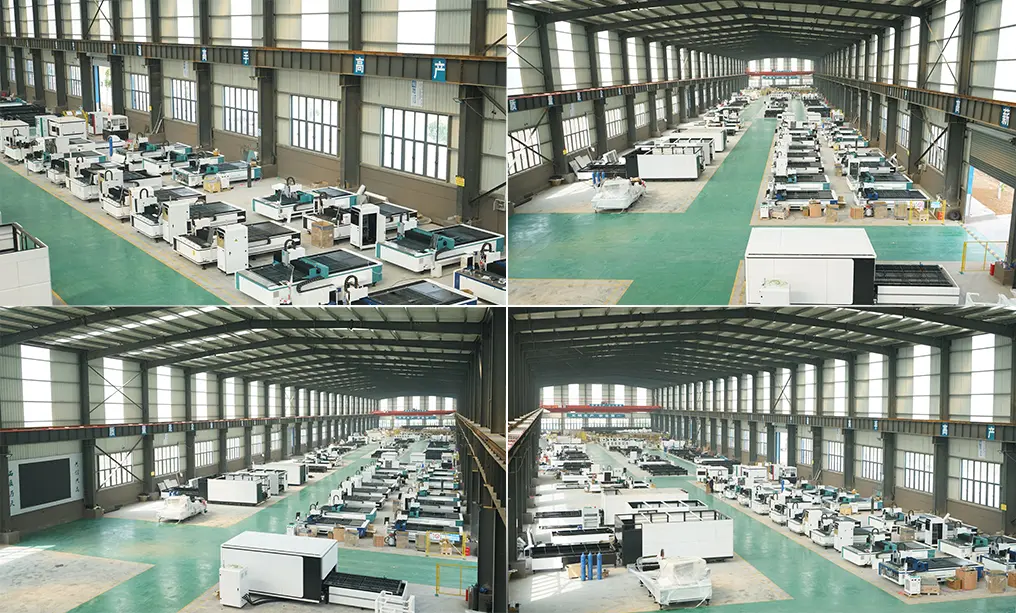
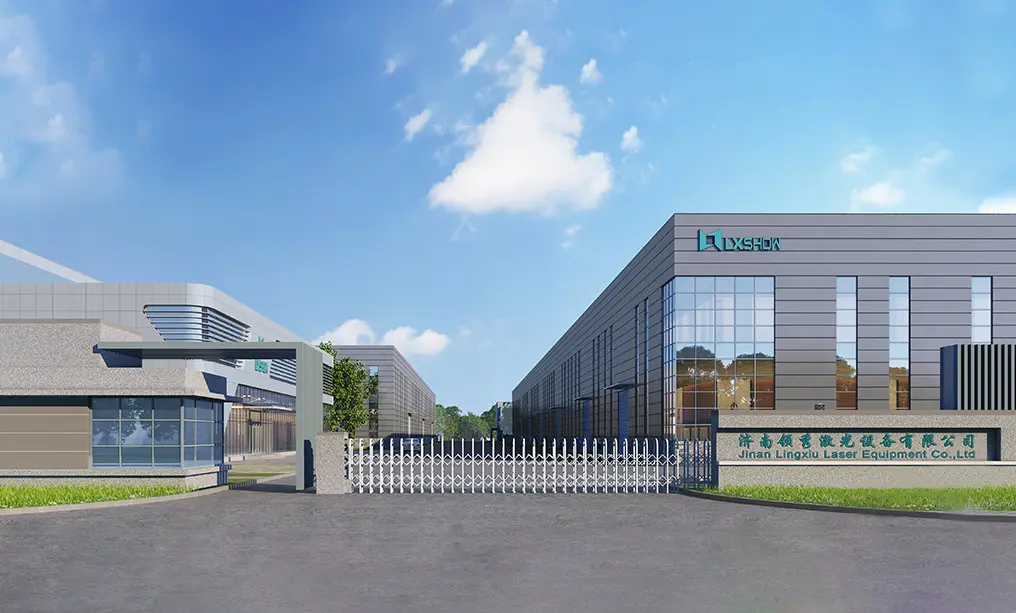
Understanding energy absorption rates, kerf qualities, and gas dynamics across different emitter systems.
| Technology Metric | Fiber Laser (1.06 µm) | CO₂ Laser (10.6 µm) | Optimal Application Grade |
|---|---|---|---|
| Energy Absorption (SS) | High (~35%) | Low (~10%) | Austenitic (SUS304 / 316) |
| Cutting Velocity (Thin) | Extremely High (Up to 80m/min) | Moderate | Light-Gauge Electronics Enclosures |
| Gas Supply Dynamic | Nitrogen/Argon (No Oxidation) | Nitrogen/Oxygen Mix | High-Purity Sanitary Piping |
| Heat Affected Zone (HAZ) | Minimal (High Edge Integrity) | Moderate to High | Precision Medical Instruments |
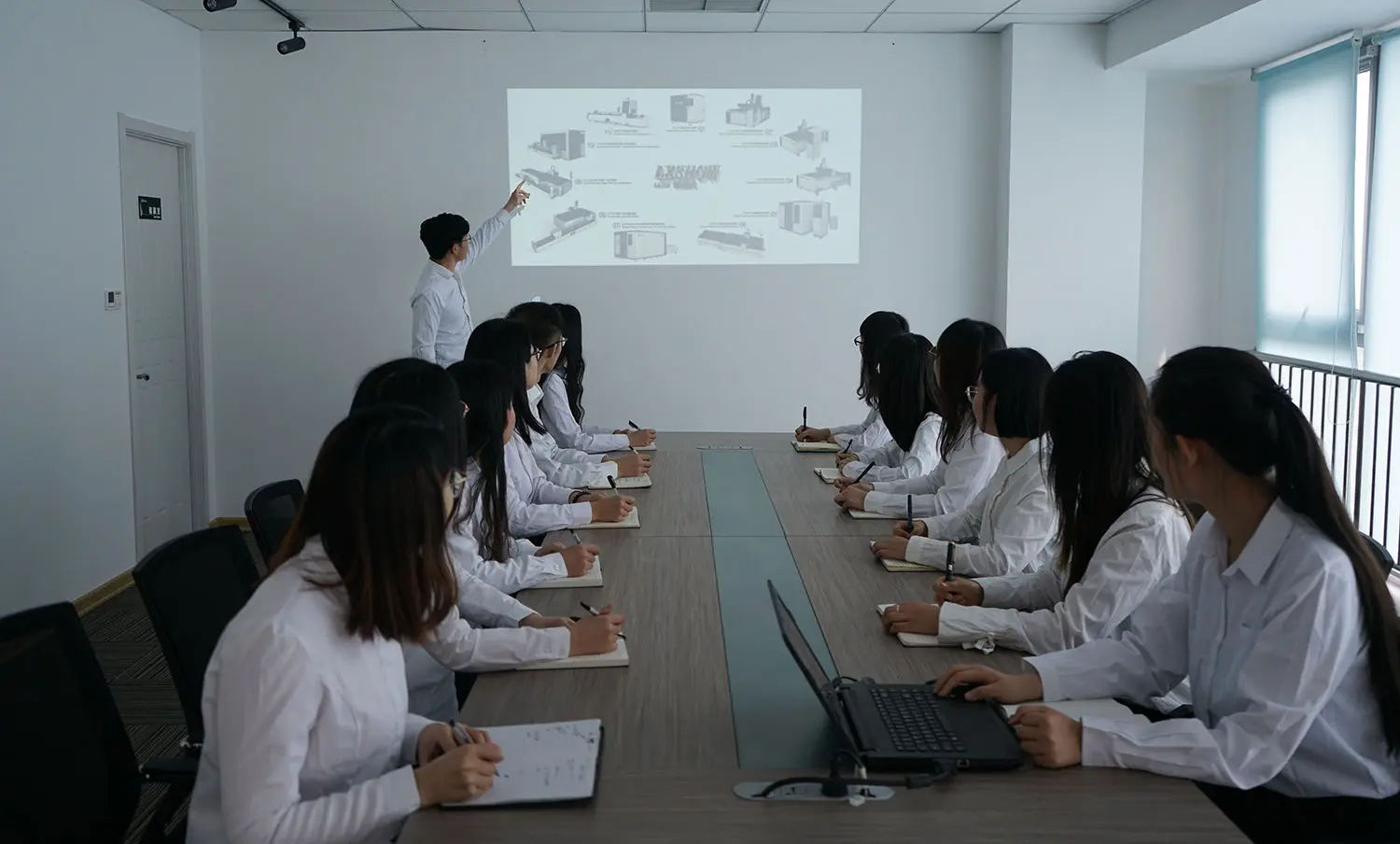
Technical answers compiled by our senior engineering leads to assist procurement managers and mechanical designers.
Additional heavy machinery options optimized for heavy industrial applications, mechanical engineering, and high-volume sheet metal fabrication.
 Lxshow