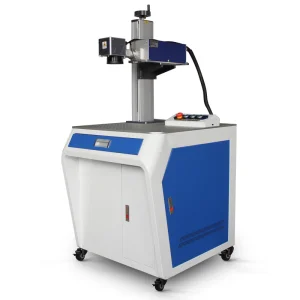
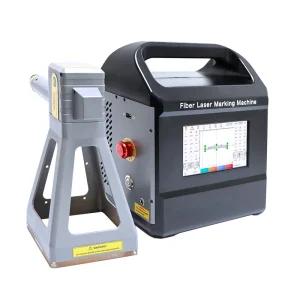
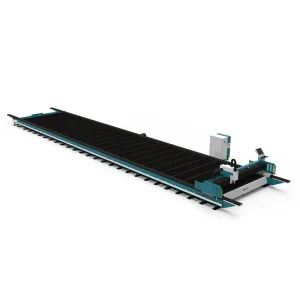
Engineered for extreme performance, continuous uptime, and maximum precision across heavy manufacturing lines.
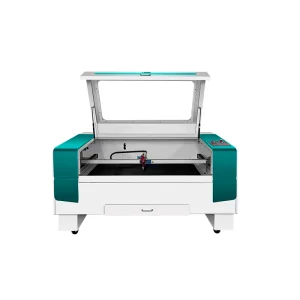
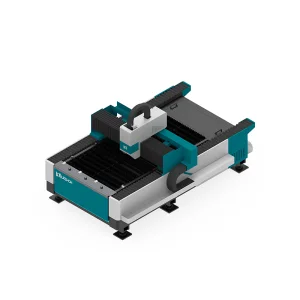
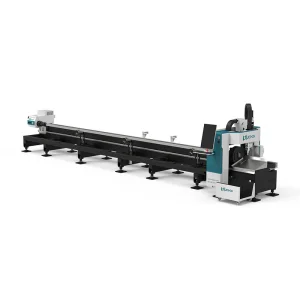
In the modern manufacturing landscape, the acquisition of a stainless steel (Ss) laser cutting machine represents a significant capital expenditure (CAPEX) with a highly compressed return on investment (ROI) timeframe. When evaluating the Ss Laser Cutting Machine Price, procurement teams must look past the initial ticket value and analyze the total cost of ownership (TCO).
Historically, pricing structures were dictated solely by laser source wattage. Today, the landscape is far more complex. Modern prices represent a convergence of machine bed rigidity, dynamic axis acceleration rates (often exceeding 1.5G), linear motor precision, CNC controller capabilities, and the integration of automation systems such as exchange tables, nozzle cleaning rigs, and loader/unloader sheet handlers.
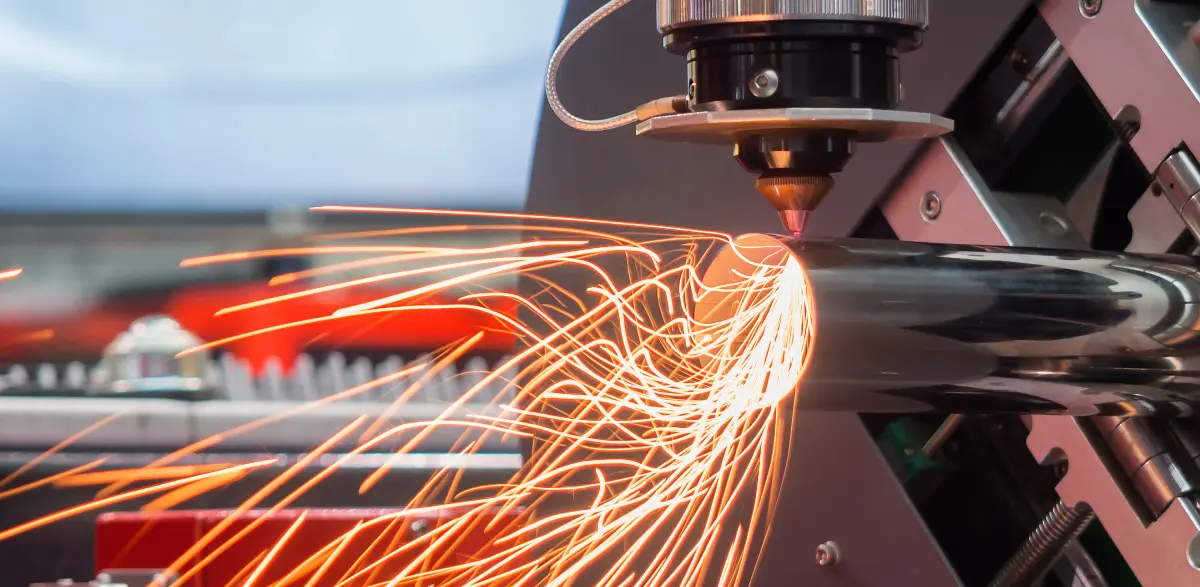
How Tier-1 automotive, aerospace, and defense contractors negotiate custom ODM/OEM designs to secure operational advantages.
| Laser Source Power (kW) | Optimal Ss Thickness (mm) | Cutting Assist Gas | Target Industries | TCO Impact Factors |
|---|---|---|---|---|
| 1kW - 3kW | 1.0 - 6.0 mm | Nitrogen (N2) / Compressed Air | Kitchenware, Cabinets, Advertising | Low setup cost, low power grid requirements |
| 4kW - 8kW | 6.0 - 15.0 mm | High-Pressure Nitrogen / Air | Automotive Parts, Heavy Machinery | Fast feed speeds, minimal deburring needed |
| 12kW - 20kW | 15.0 - 30.0 mm | Ultra-High Pressure N2 / O2 | Shipbuilding, Structural Steel, Pressure Vessels | High energy efficiency, eliminates mechanical tooling |
| 30kW + | 30.0 - 80.0 mm+ | Oxygen (O2) / Specialized Mixes | Aerospace, Defense, Nuclear, Rail Transit | Highest capital expenditure offset by unmatched speed |
Enterprise buyers typically run strict procurement protocols. Key parameters include the machine's thermal expansion coefficient, structural stress relief processes (annealing the machine frame to ensure accuracy over a minimum 10-year operational window), and the MTBF (Mean Time Between Failures) of optic delivery systems. The choice of an ODM Manufacturer allows these details to be customized to the buyer's exact factory floor layout, workflow logistics, and raw material feeding automation lines.
Why Jinan's manufacturing clusters produce the most cost-competitive and reliable heavy CNC industrial systems globally.
By locating our manufacturing facilities in key industrial zones, we source castings, gantries, optics, and guide rails directly from localized partner networks. This spatial concentration eliminates intermediate logistical friction and drives down base costs.
Implementing automated inventory management protocols guarantees zero component bottlenecks. Critical spare parts—such as fiber optics, laser heads, and servo drivers—are tracked and dispatched instantly to keep user downtime close to zero.
Our facilities comply fully with European Union CE Authentication, US FDA certification, and are strictly audited under the ISO 9001 quality framework. Each gantry undergoes interferometric laser alignment to verify micron-level accuracy before shipping.
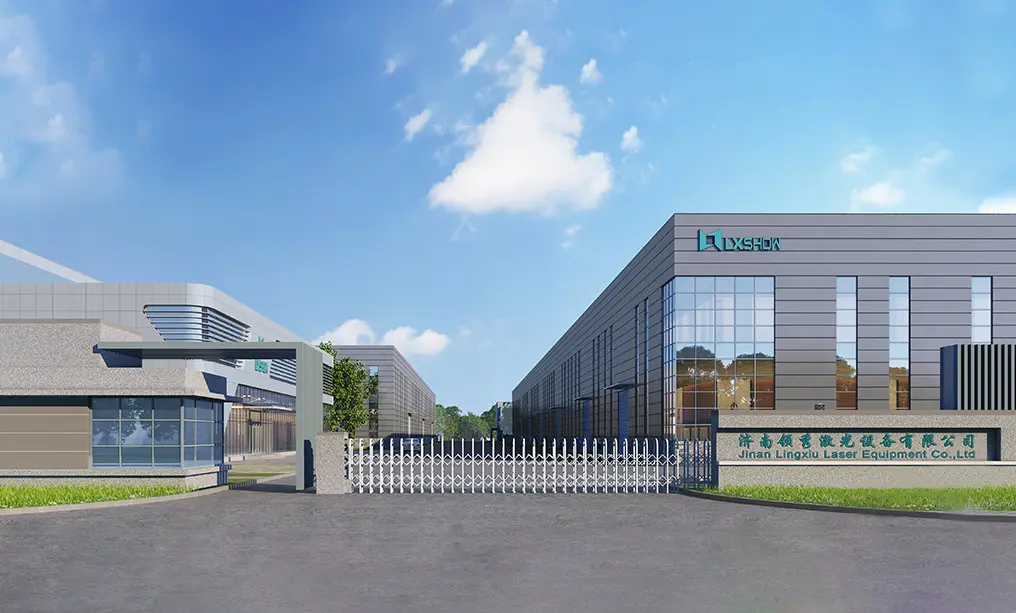
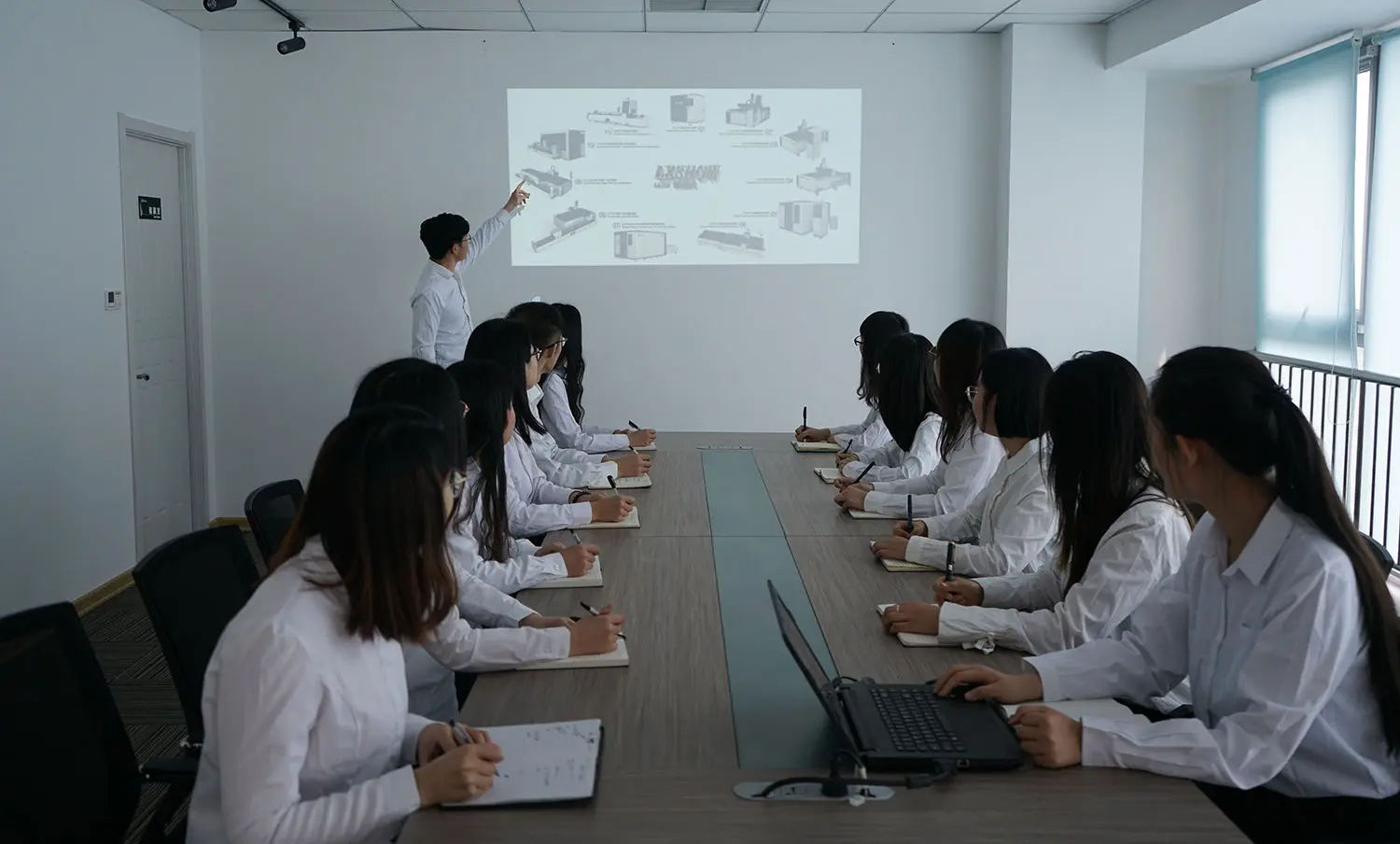
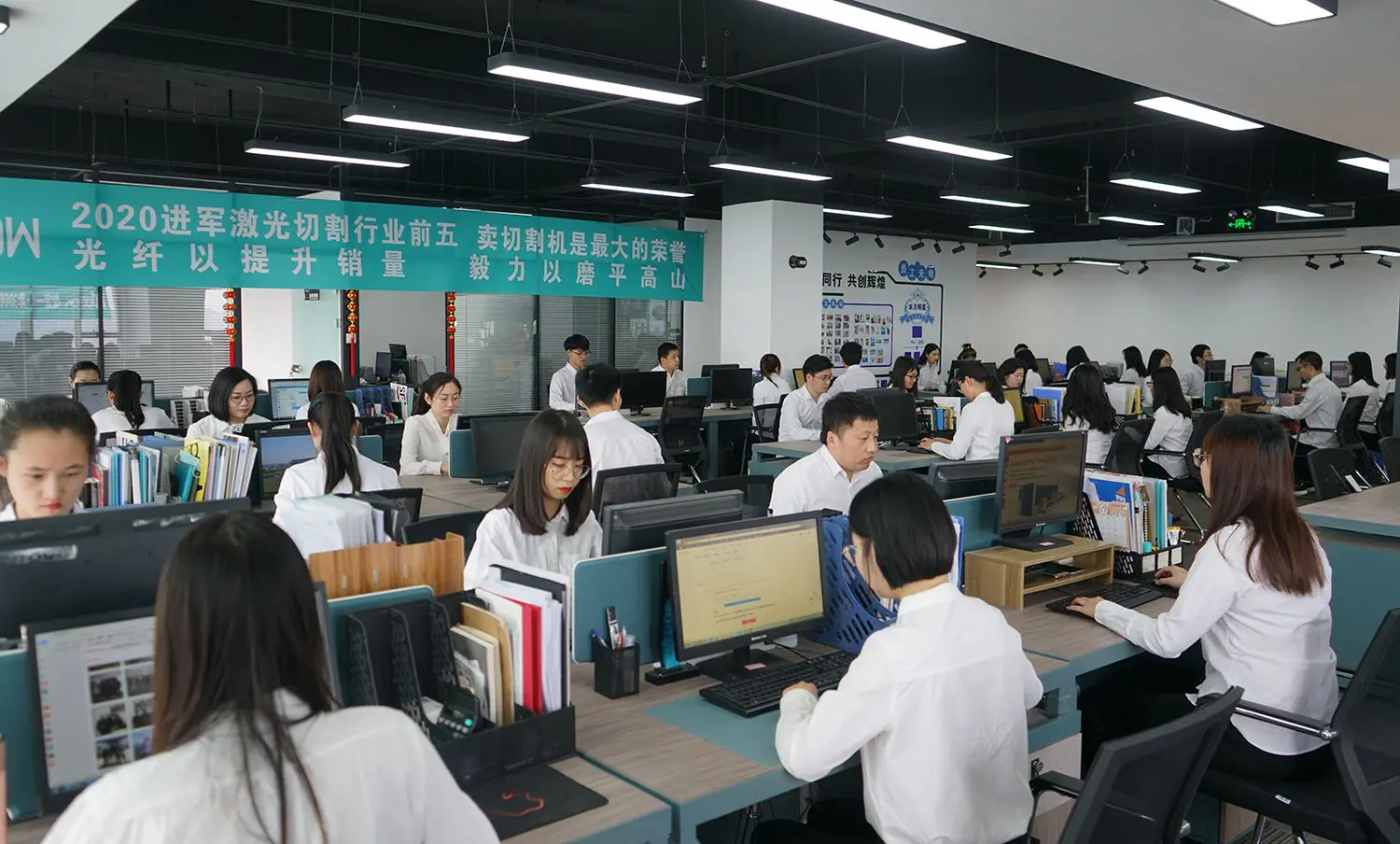
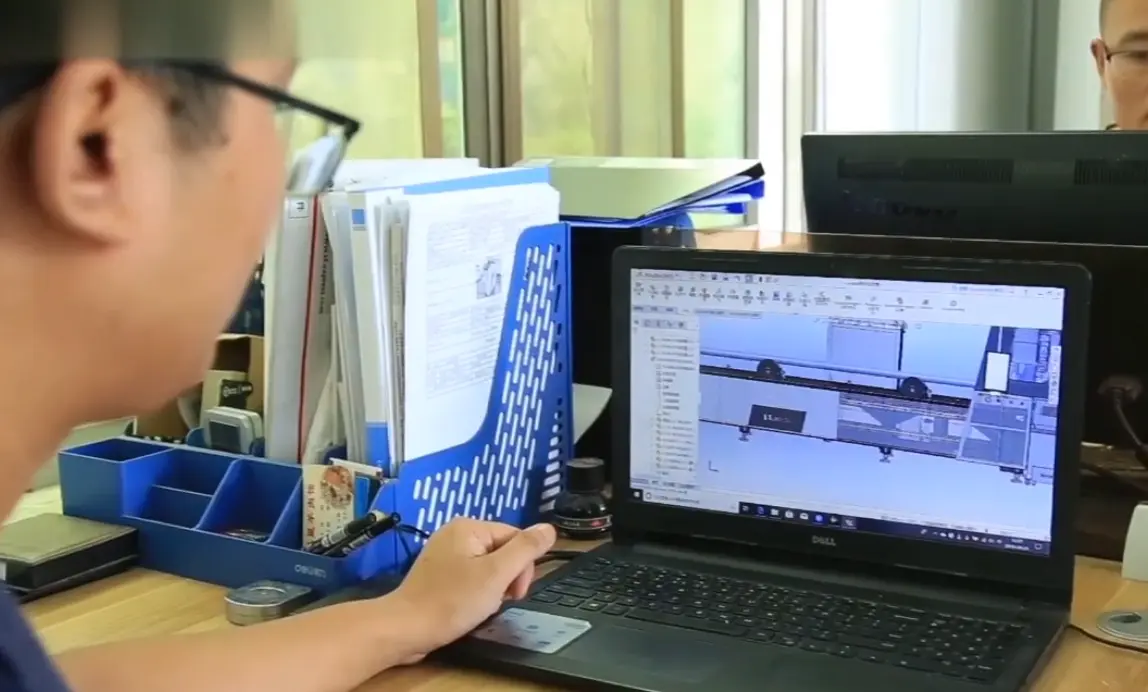
Established in July 2004, LXSHOW owns more than 500 square meters of dedicated research and development office space, alongside a sprawling 32,000 square meter modern factory complex. Our global footprint extends to over 150 countries with 20,000+ satisfied users, supplying high-performance machinery and OEM services for more than 30 global brands.
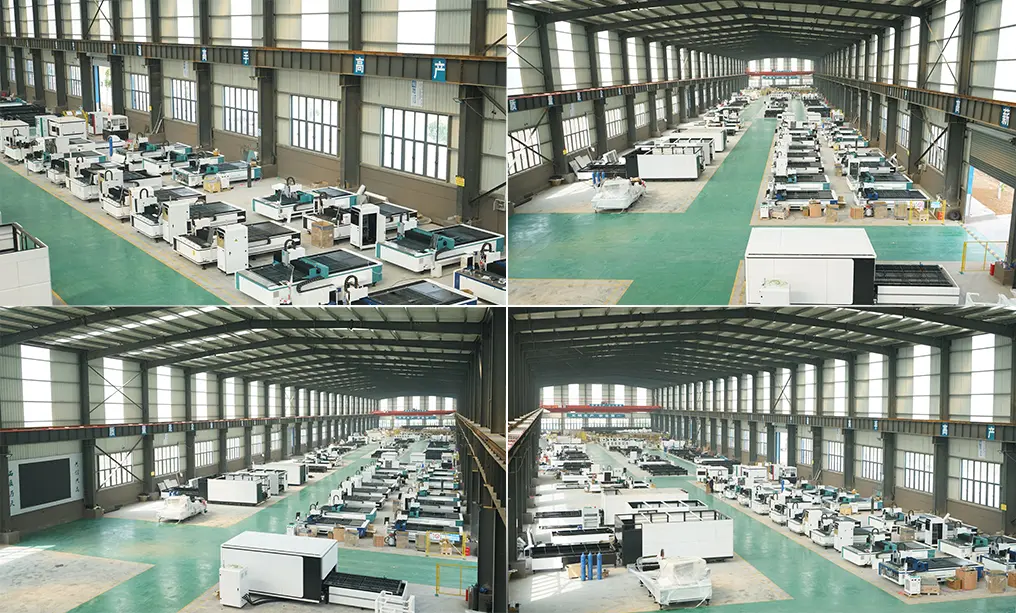

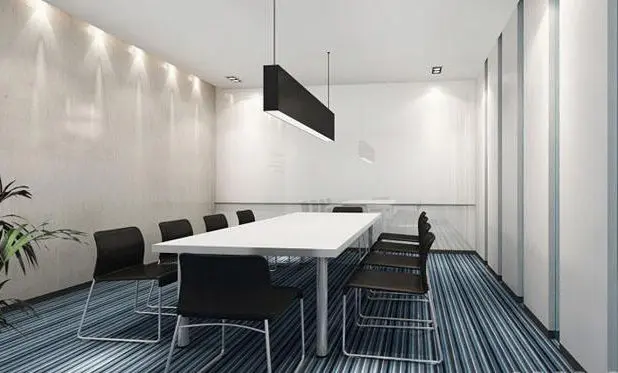
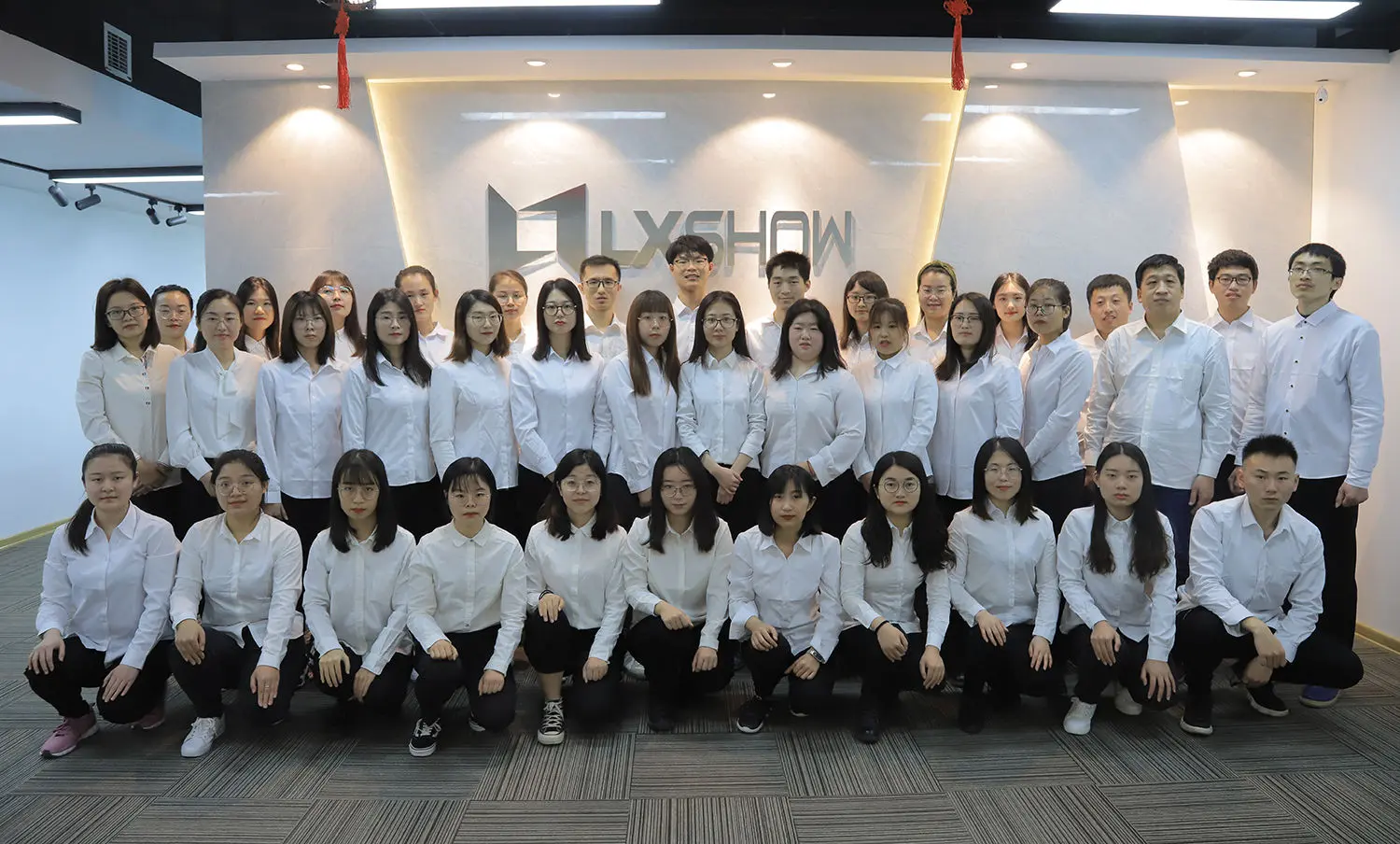
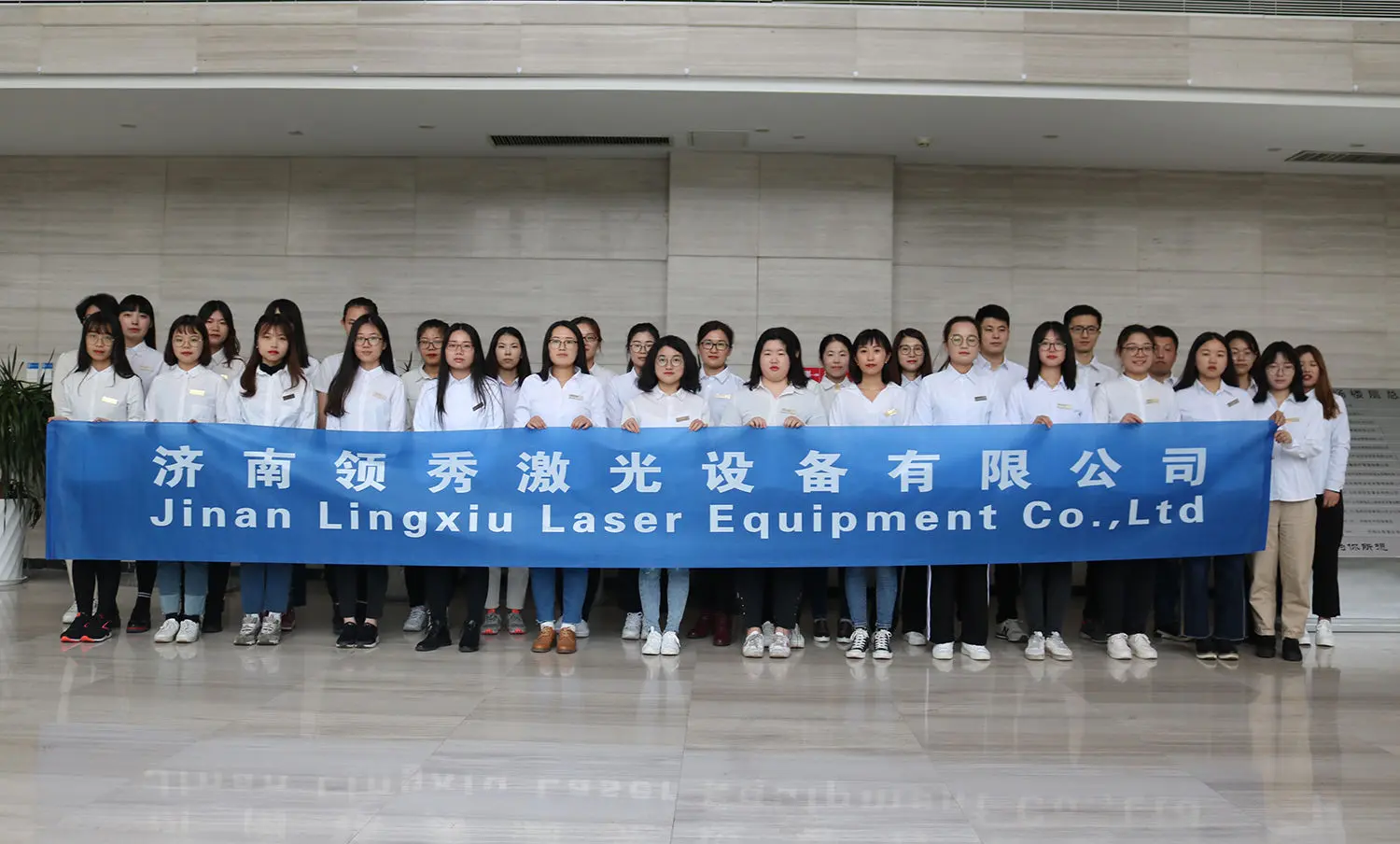
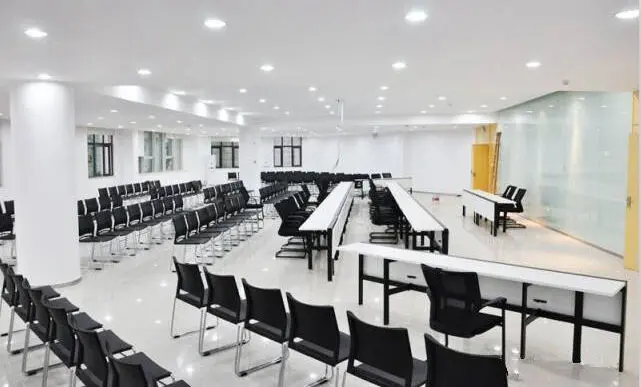
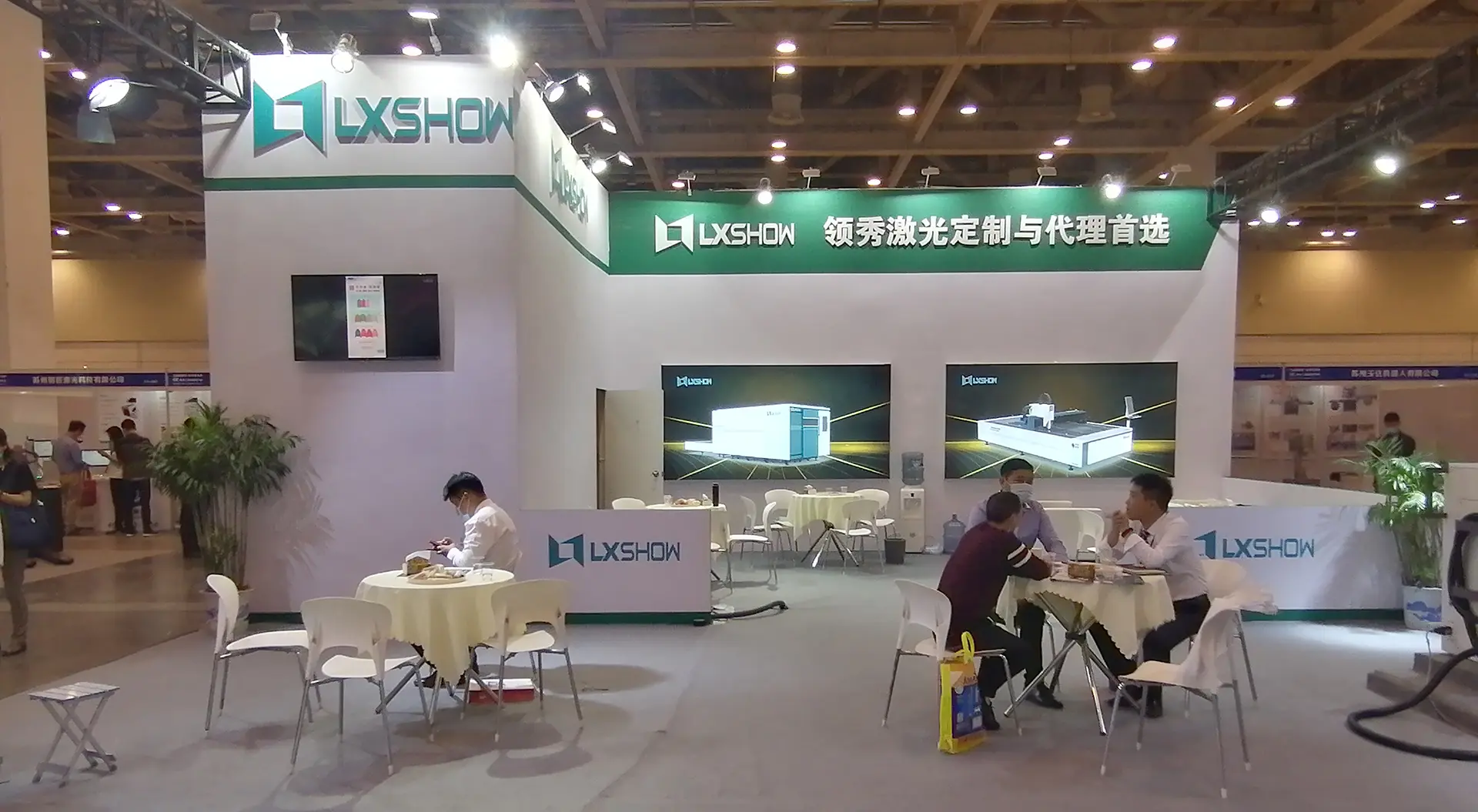
Metal fabrication demands vary widely by region and sector. While high-capacity steel plants require massive multi-format machine beds to cut plate thicknesses up to 30mm, consumer electronics companies need micron-level laser cutting for ultra-thin stainless steel, brass, and copper grids.
Our specialized product portfolio spans three core technologies: Laser Cutting, Laser Welding, and Laser Cleaning. These systems are dynamically adapted to function under extreme temperatures and dusty environments, ensuring operational stability in North America, Western Europe, Southeast Asia, and Africa.
Optimized pulse frequencies and gas dynamics for handling reflective and high-carbon metals.

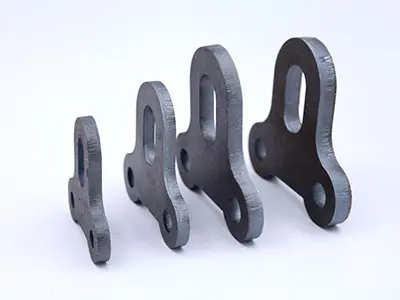


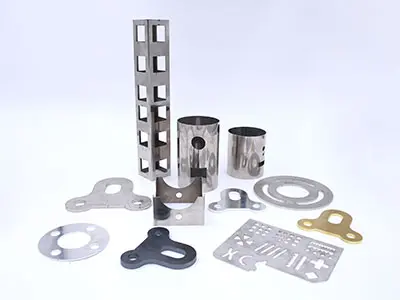
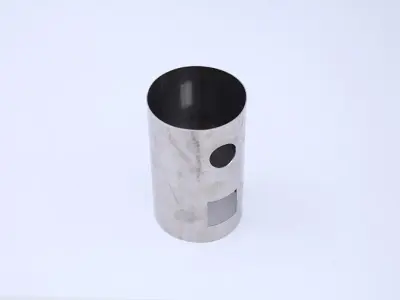
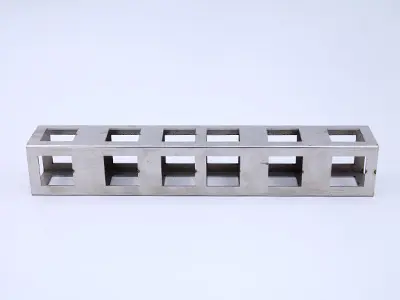

Discover how our diverse product segments empower manufacturers to scale sheet and pipe processing capabilities.
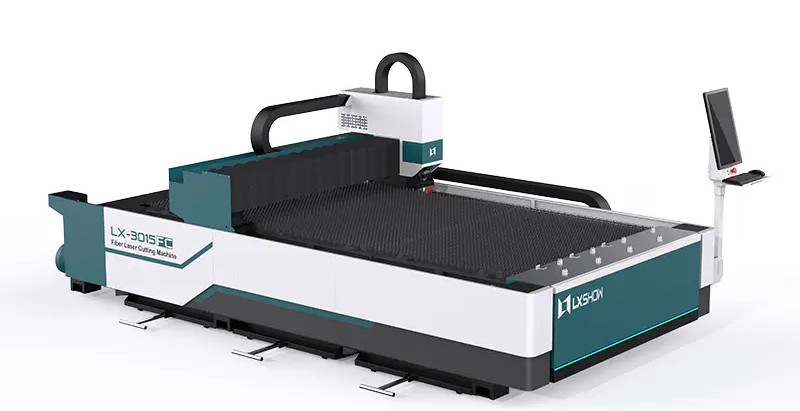
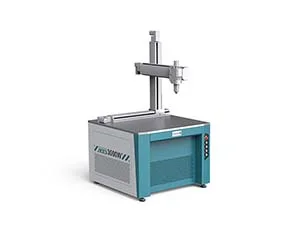
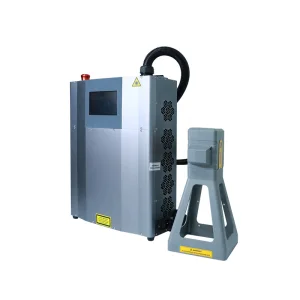
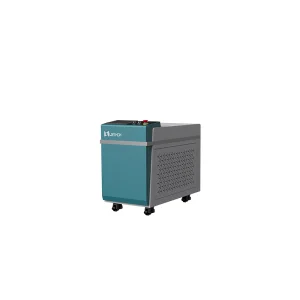
Enables long-duration surface modification and batch repairs. Specifically engineered for extreme wear protection and tool reconditioning.
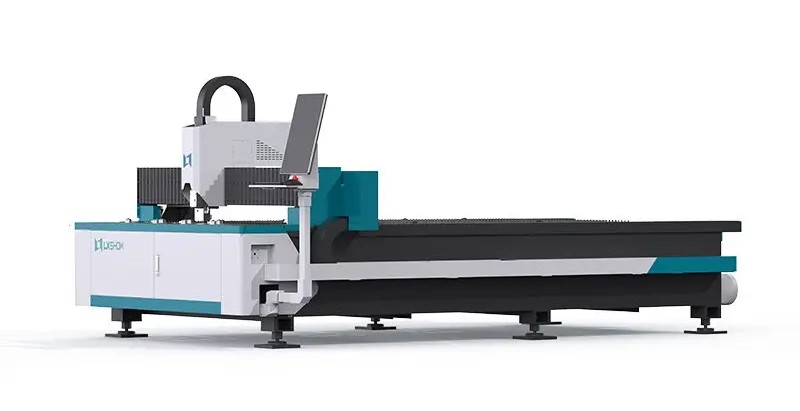
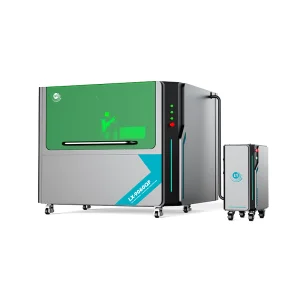
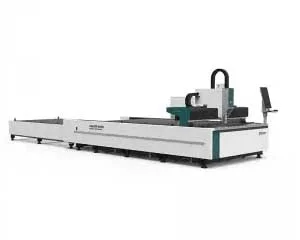
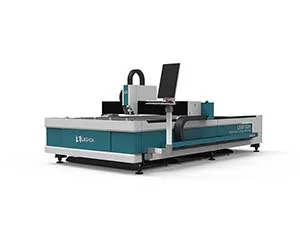
Optimized for fast flat metal processing. Offers ultra-high axis acceleration and a high-stability gantry system for long-term consistency.
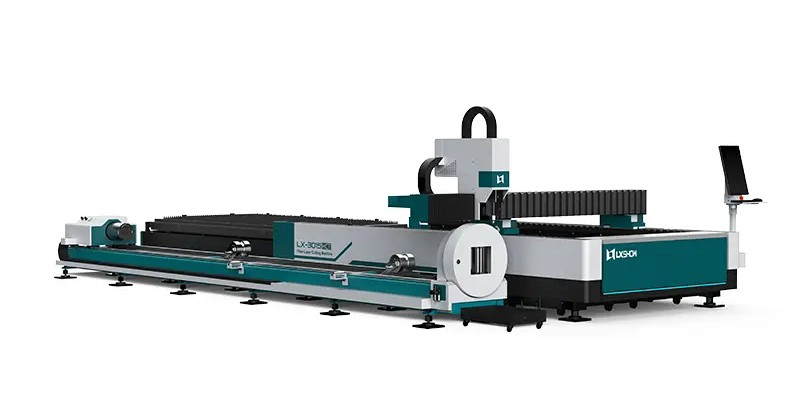
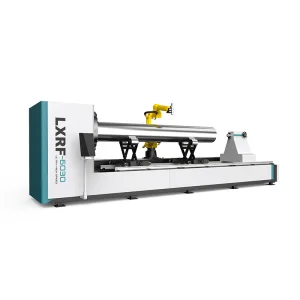
Dual-purpose laser cutter that processes flat sheets and complex tubular profiles on a single machine footprint, maximizing floor space.
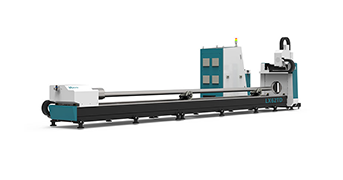
Automated chuck systems and smart tracking support frames designed specifically for precision tube cutting and beveling of round/square stock.
Technical and financial guidance for operations managers looking to optimize laser cutting capital allocations.
Select high-performance machinery designed to optimize metal fabrication processes.
 Lxshow