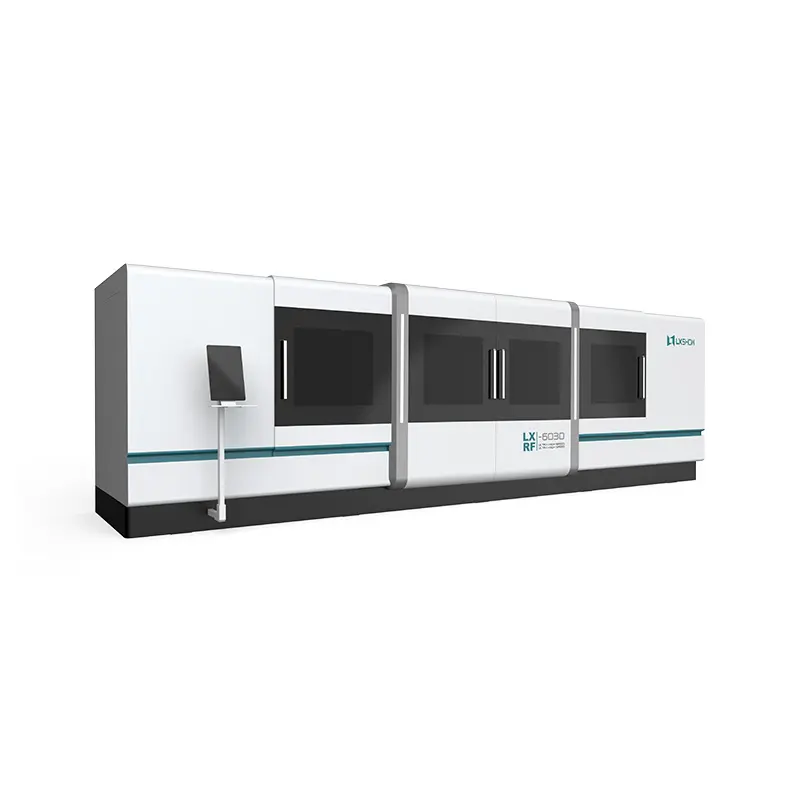
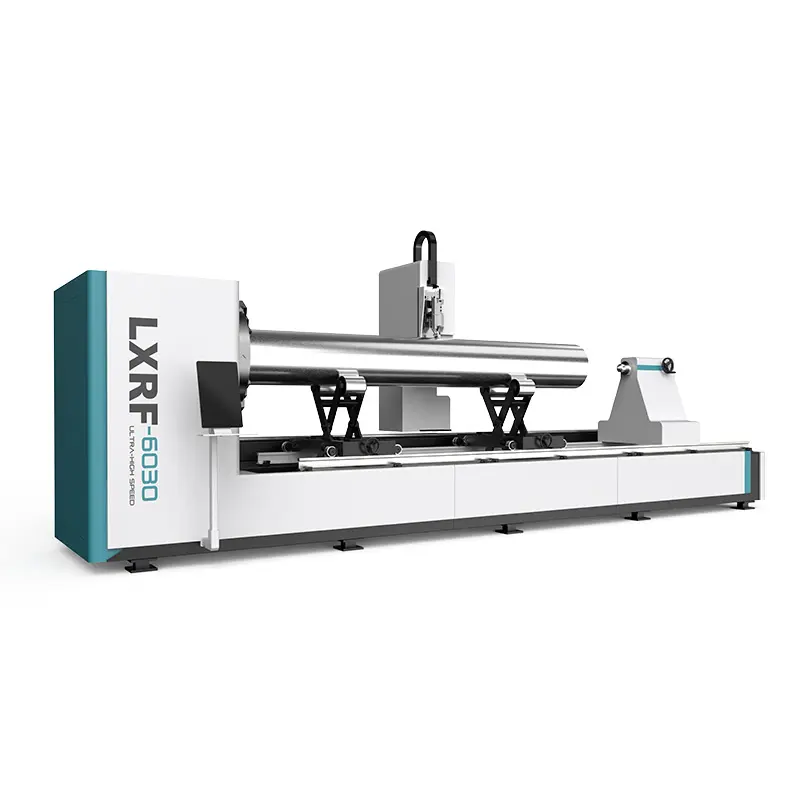
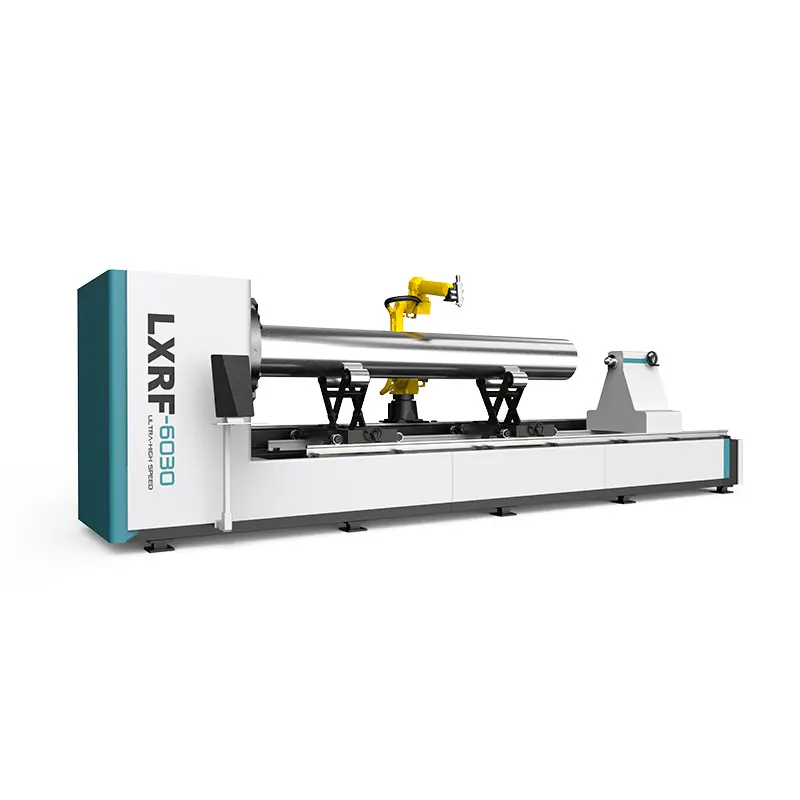
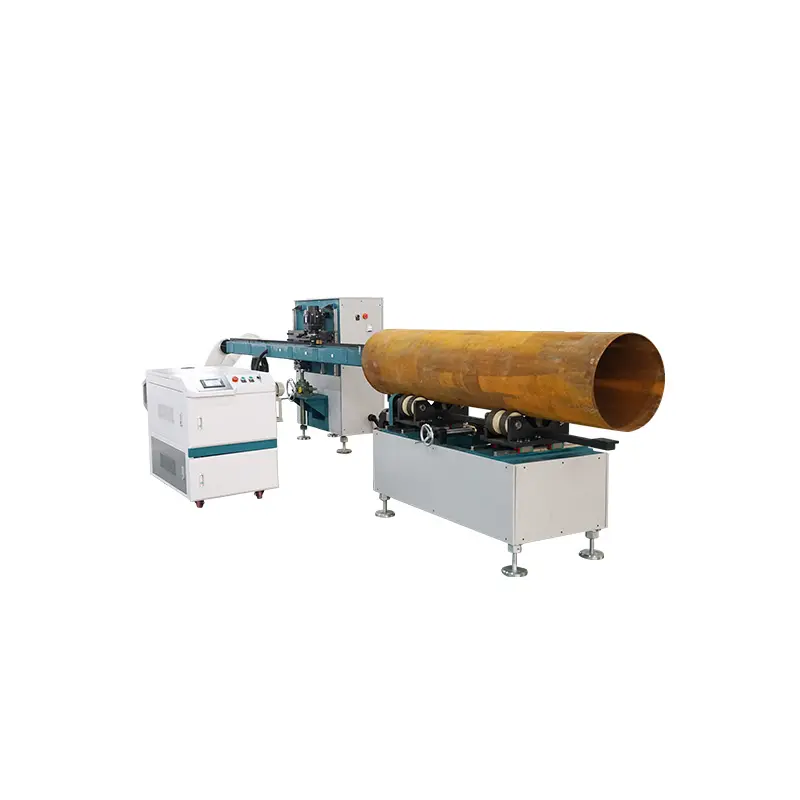
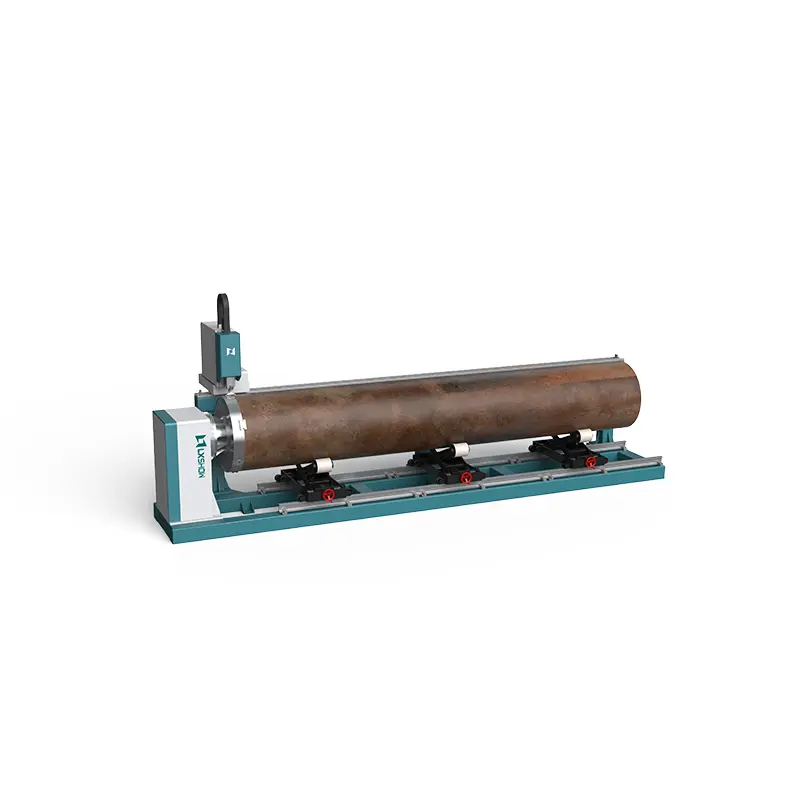
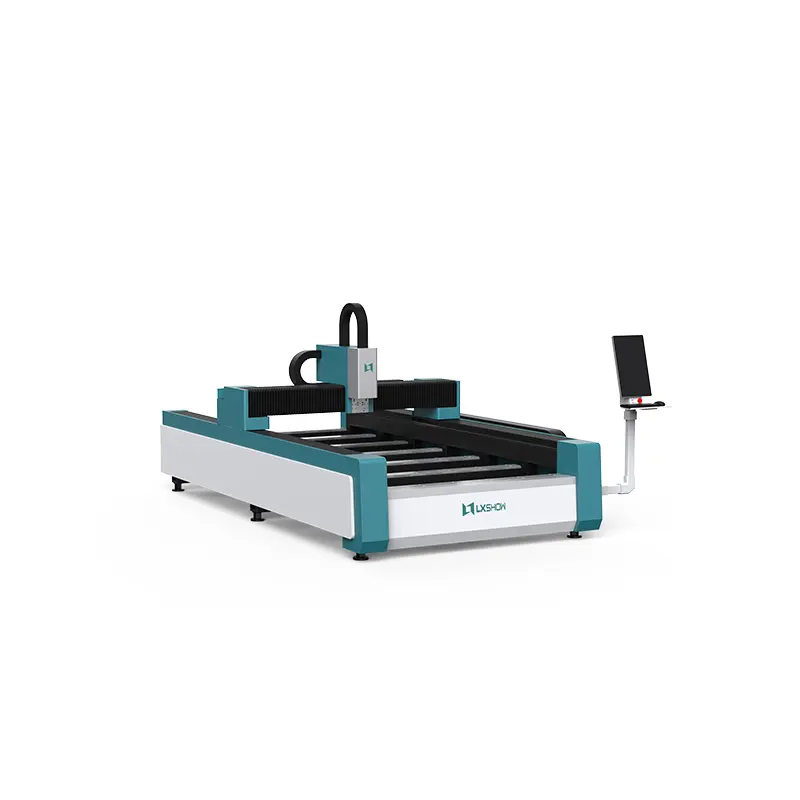
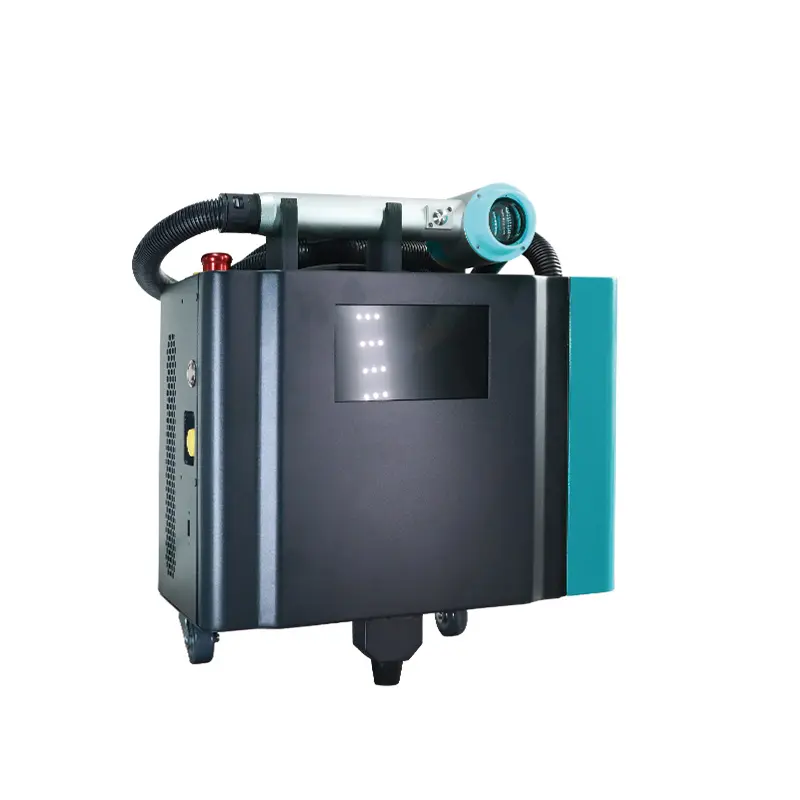
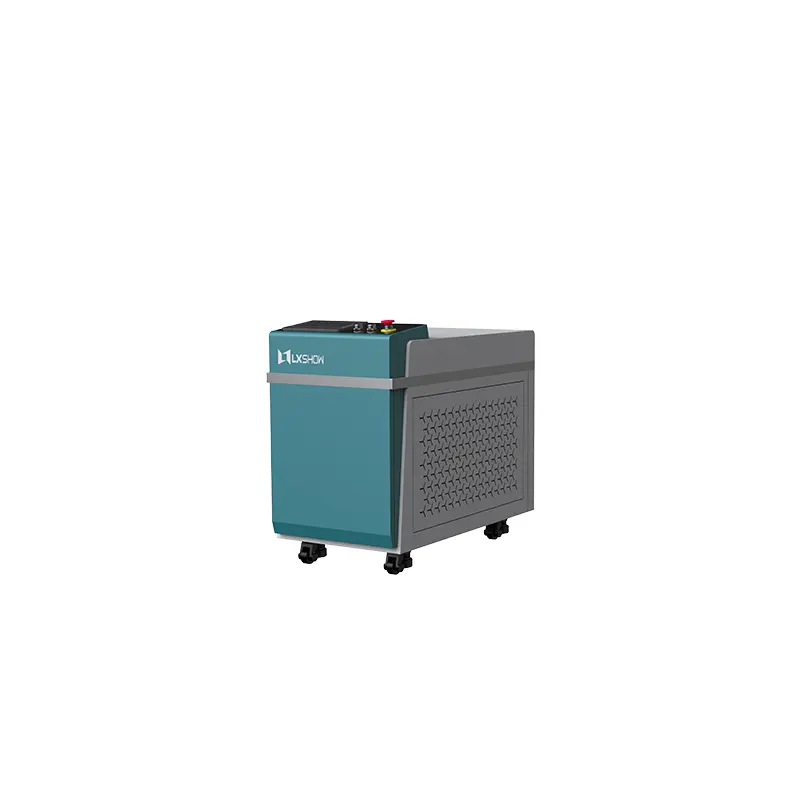
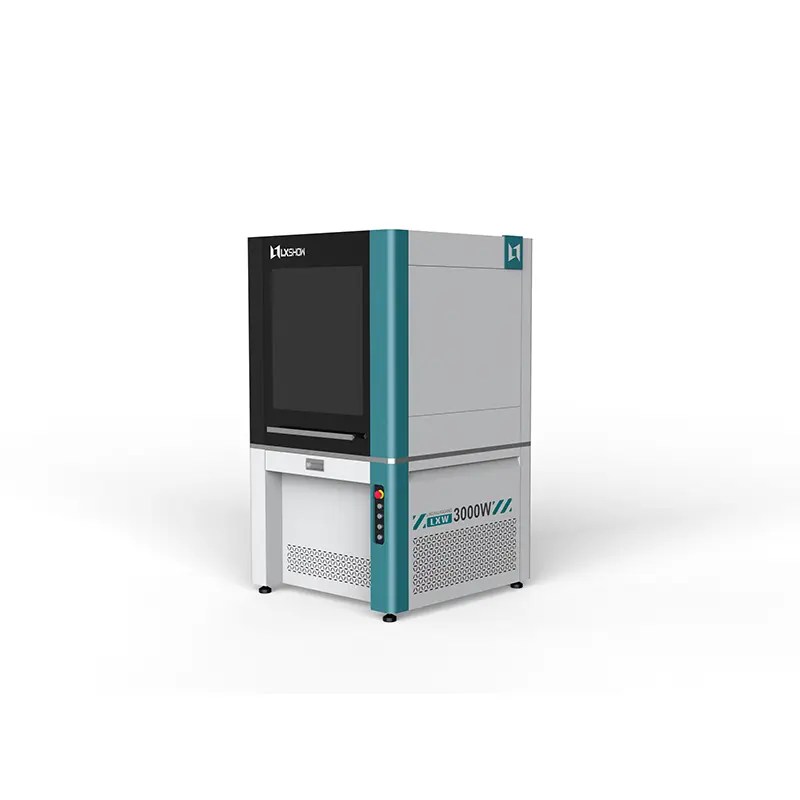
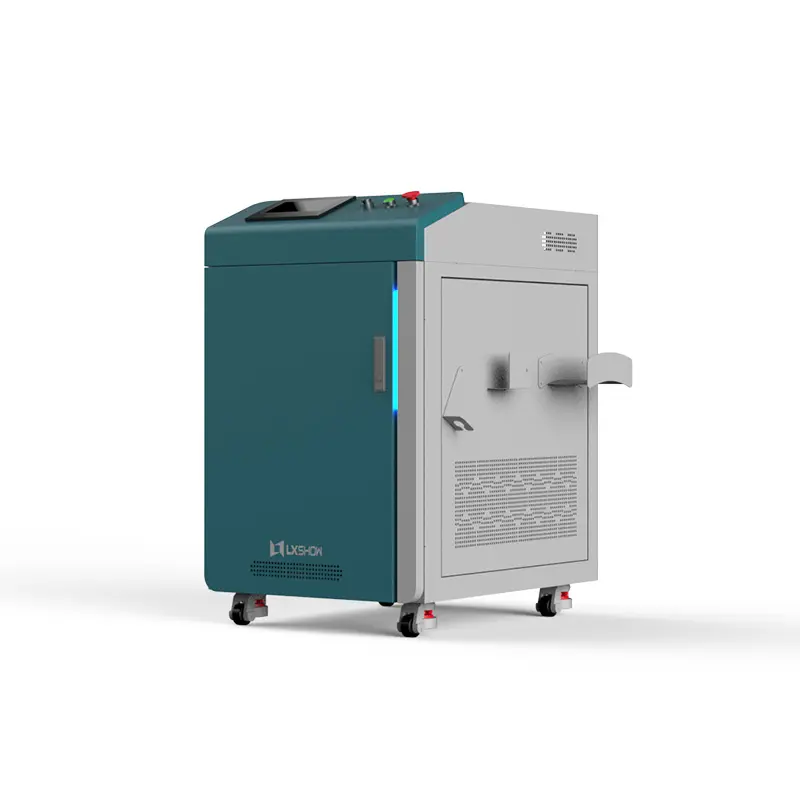
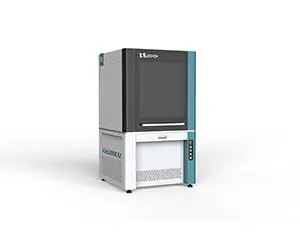
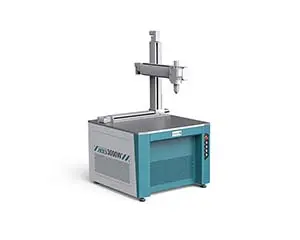
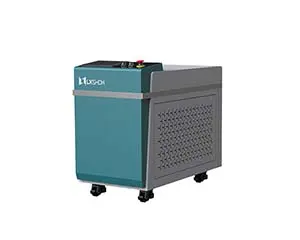
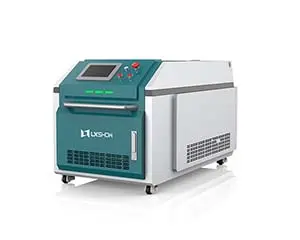
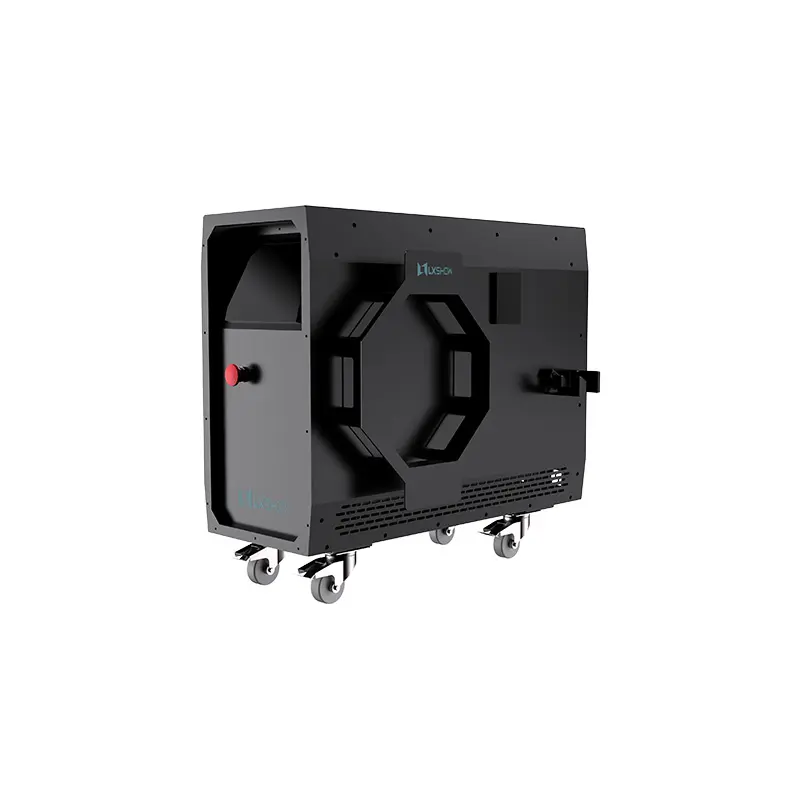
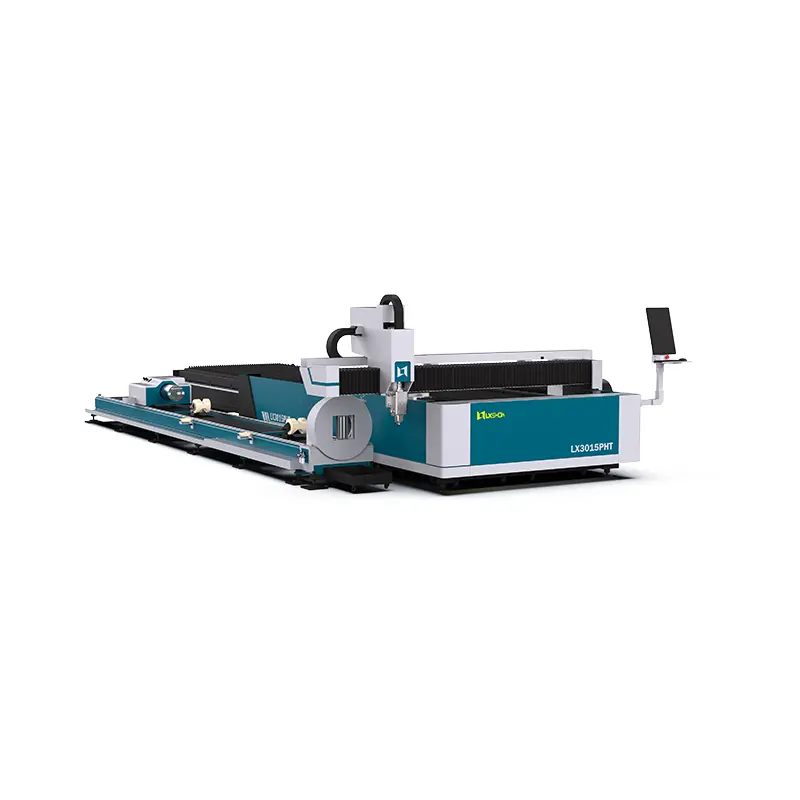
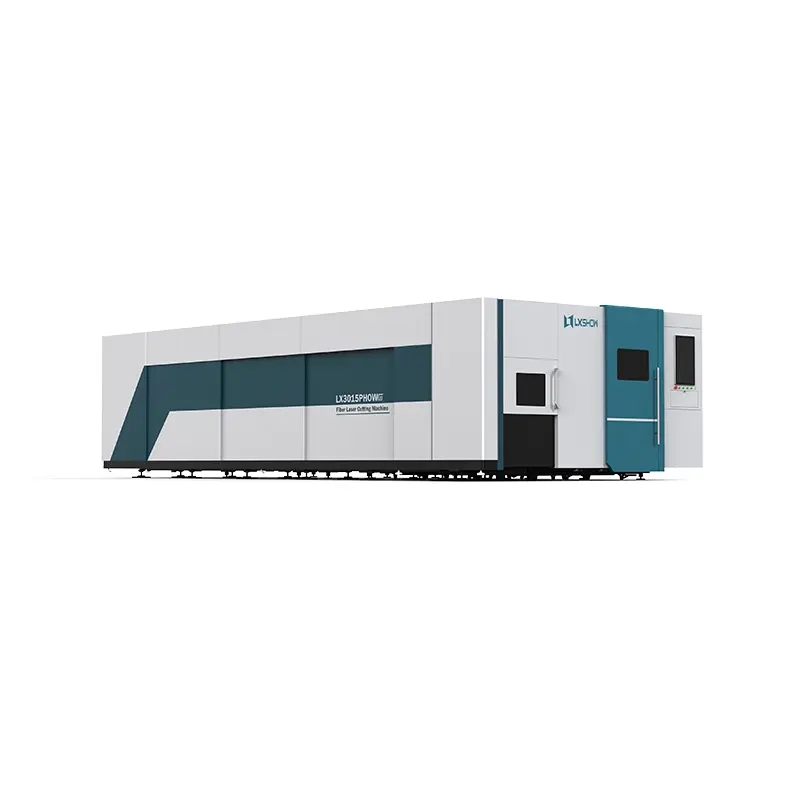
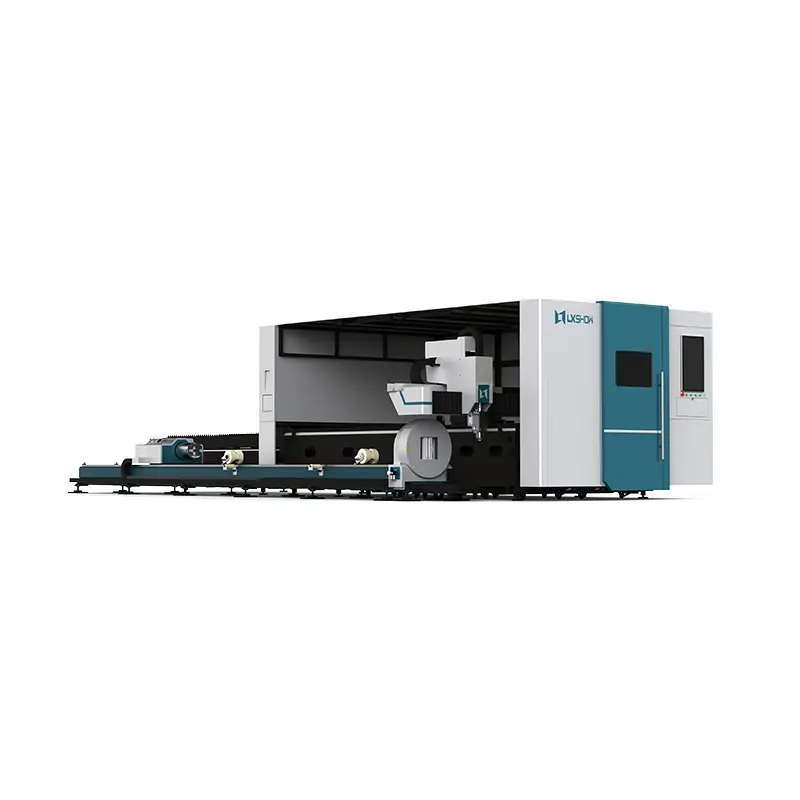
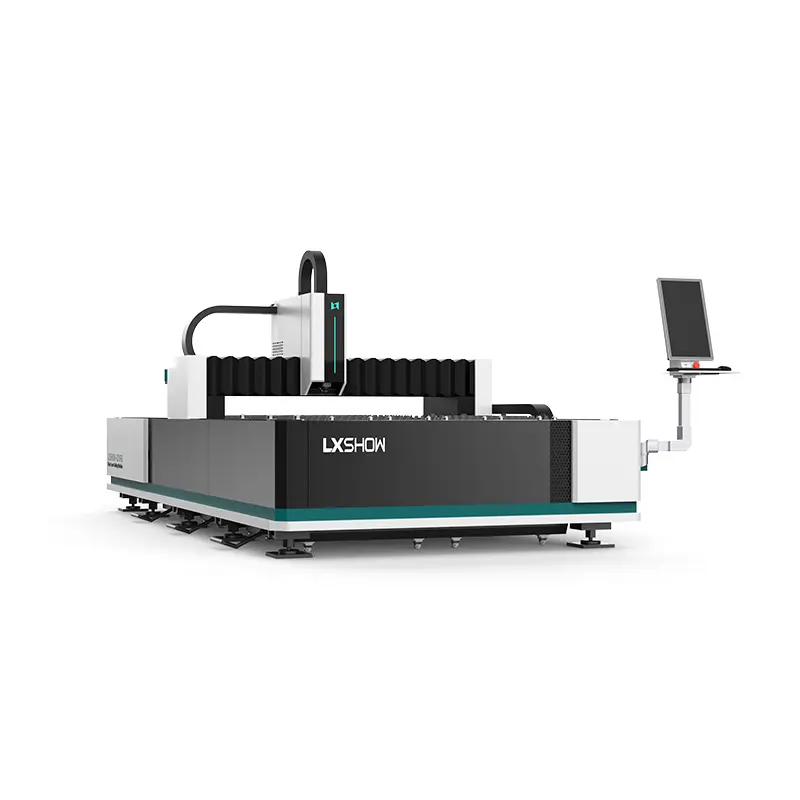
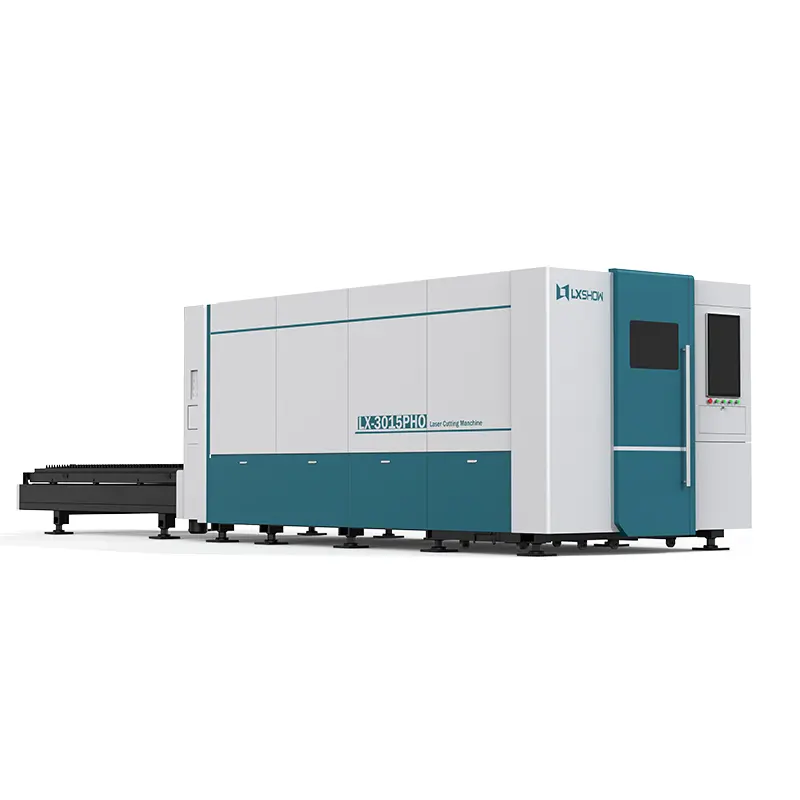
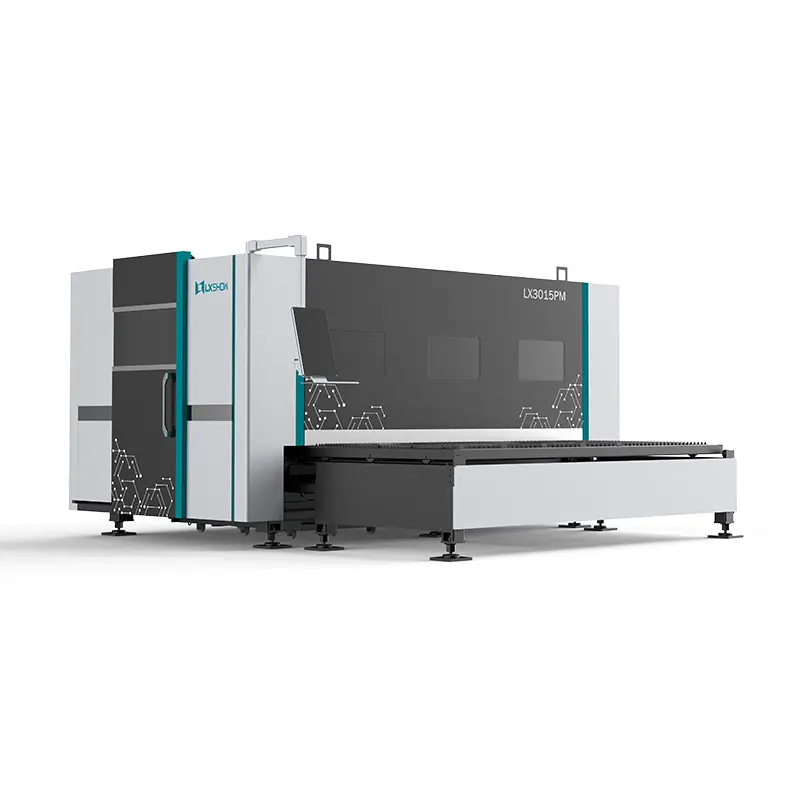
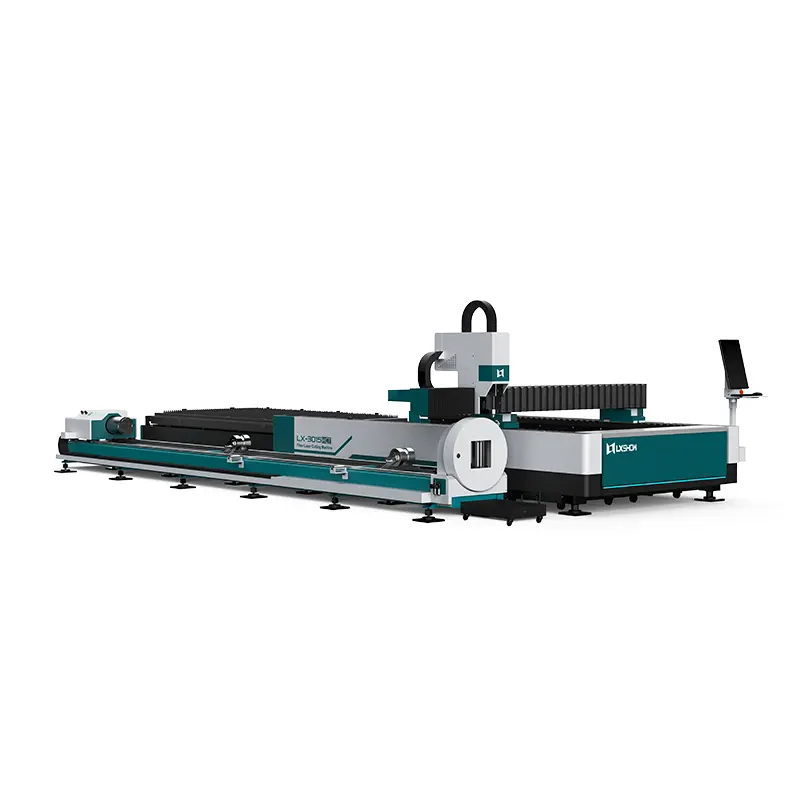
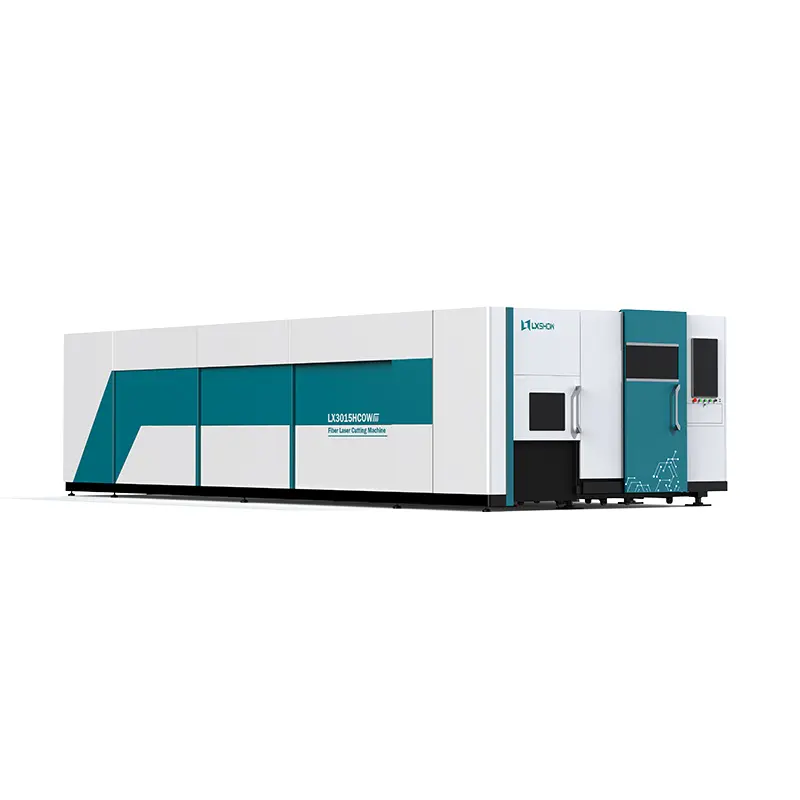
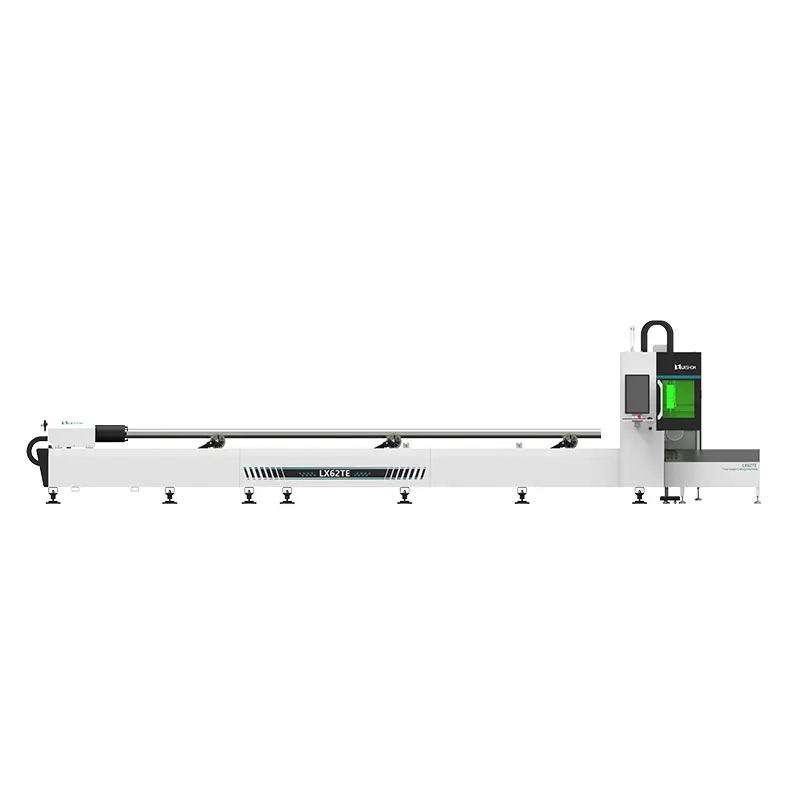
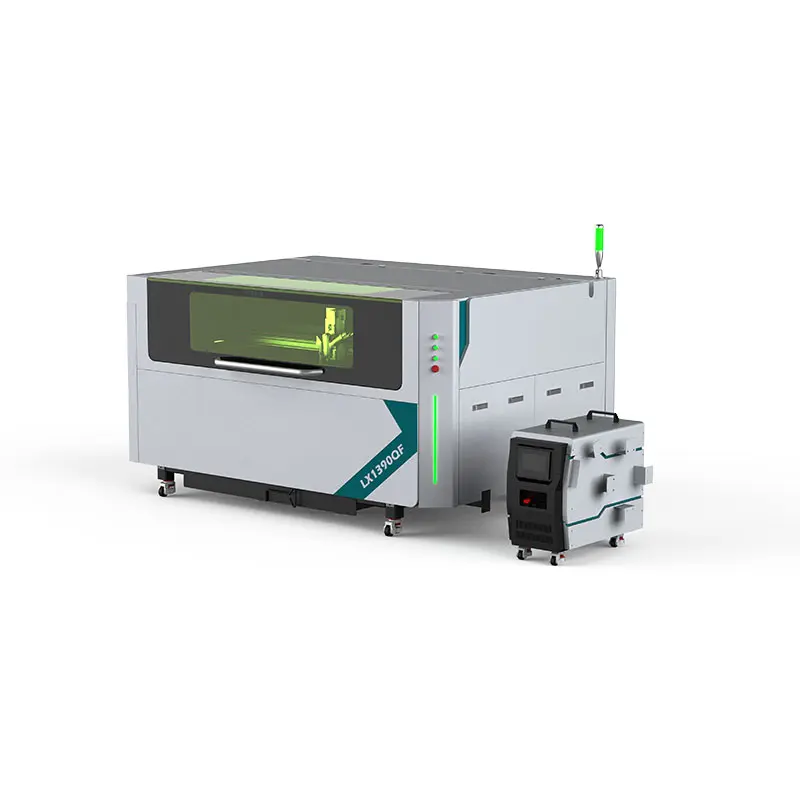
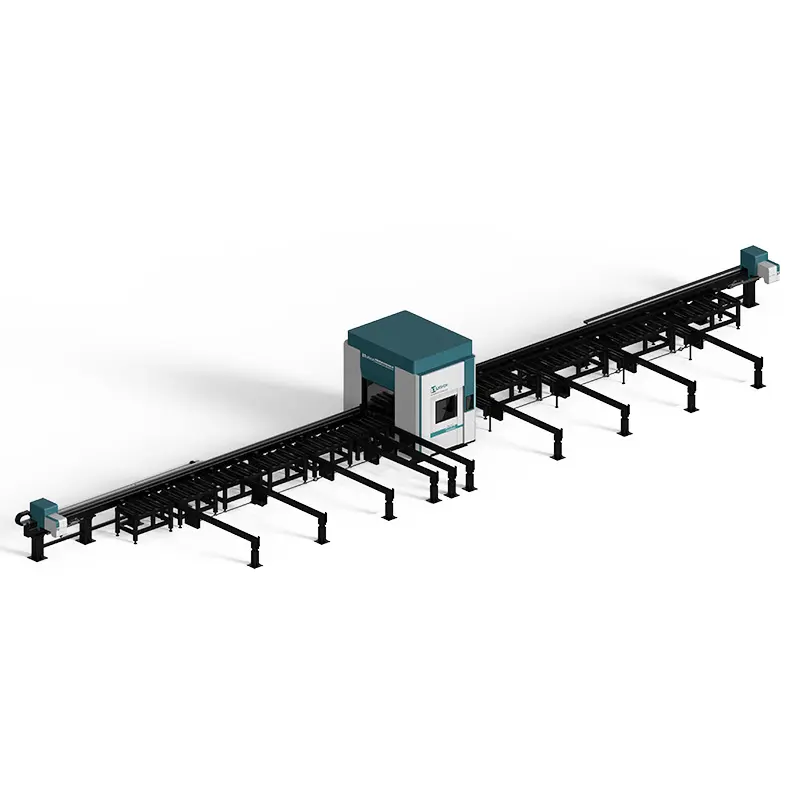
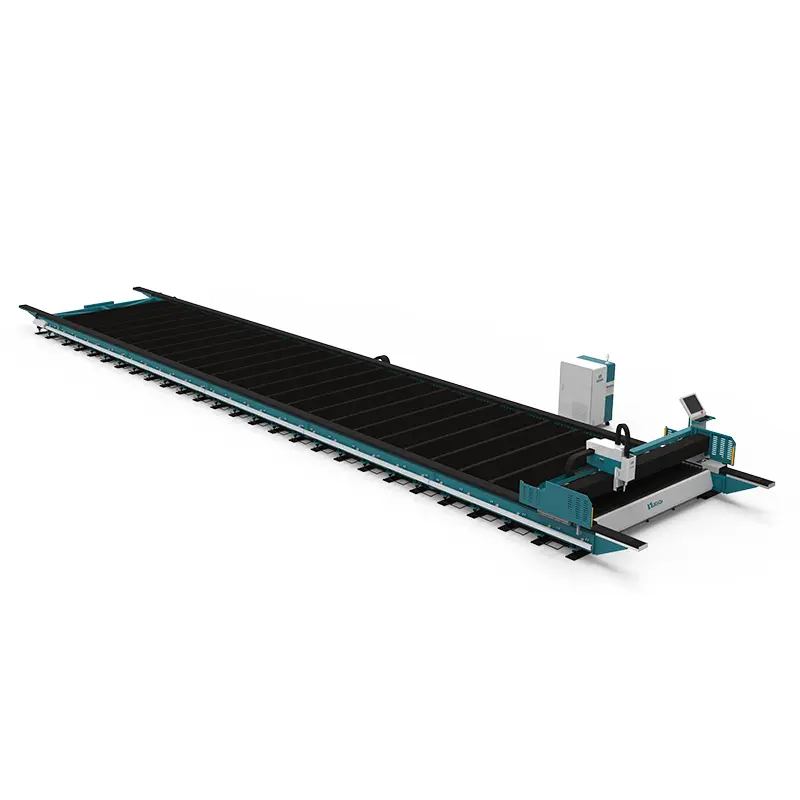
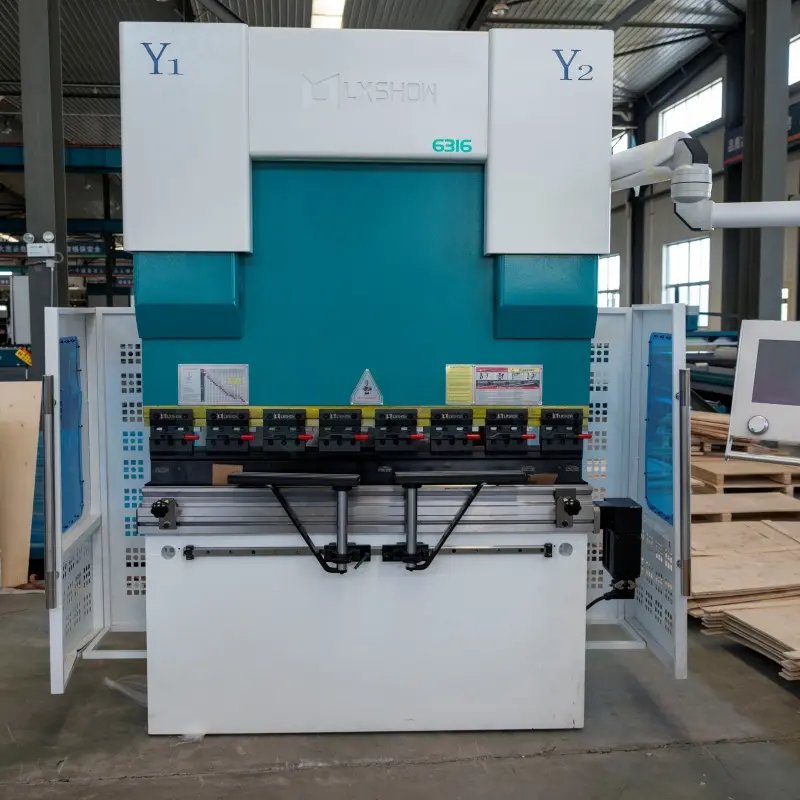
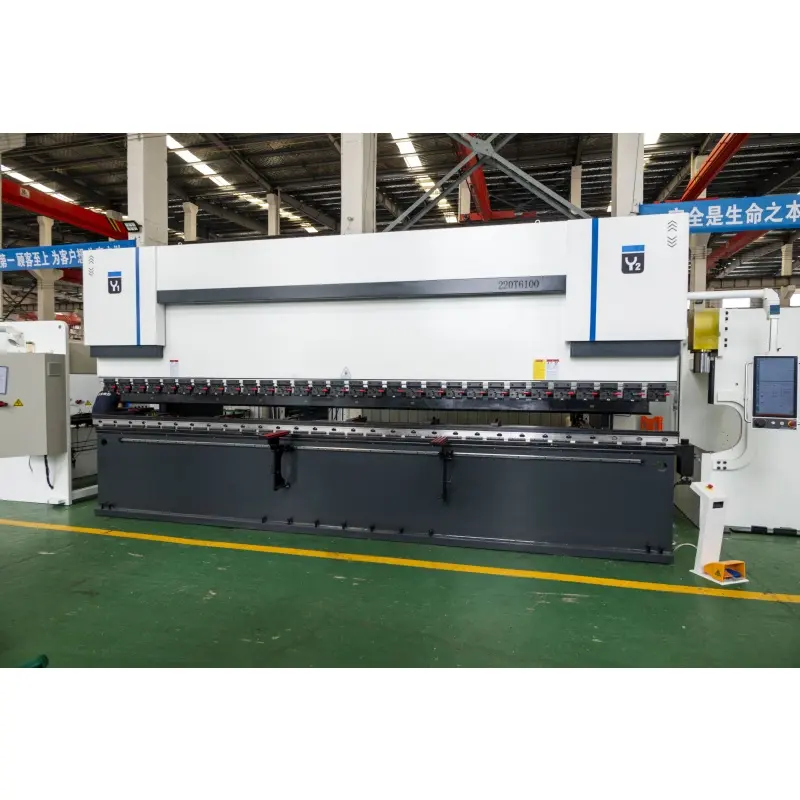
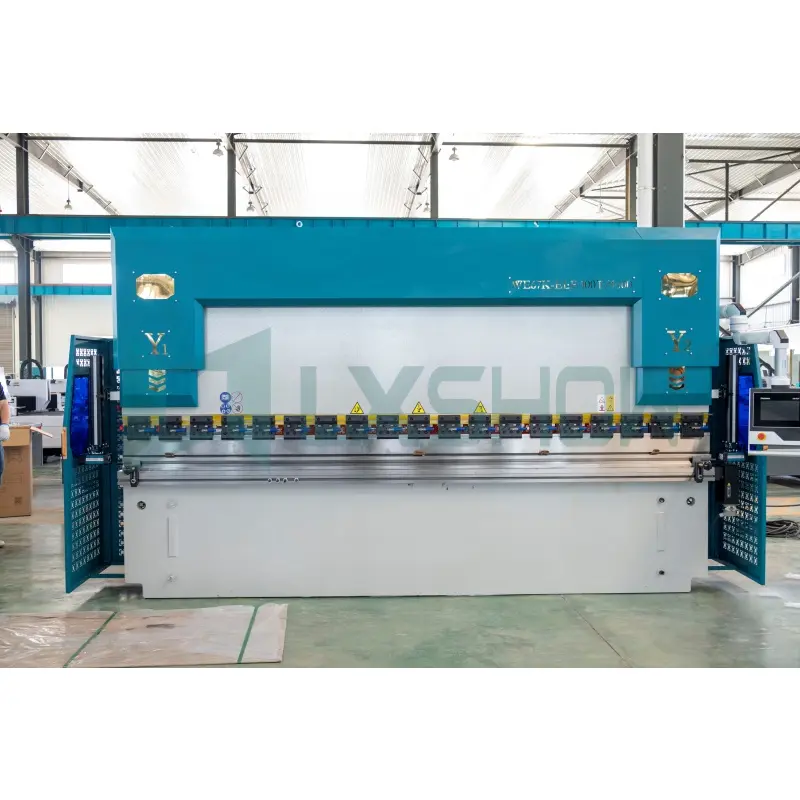
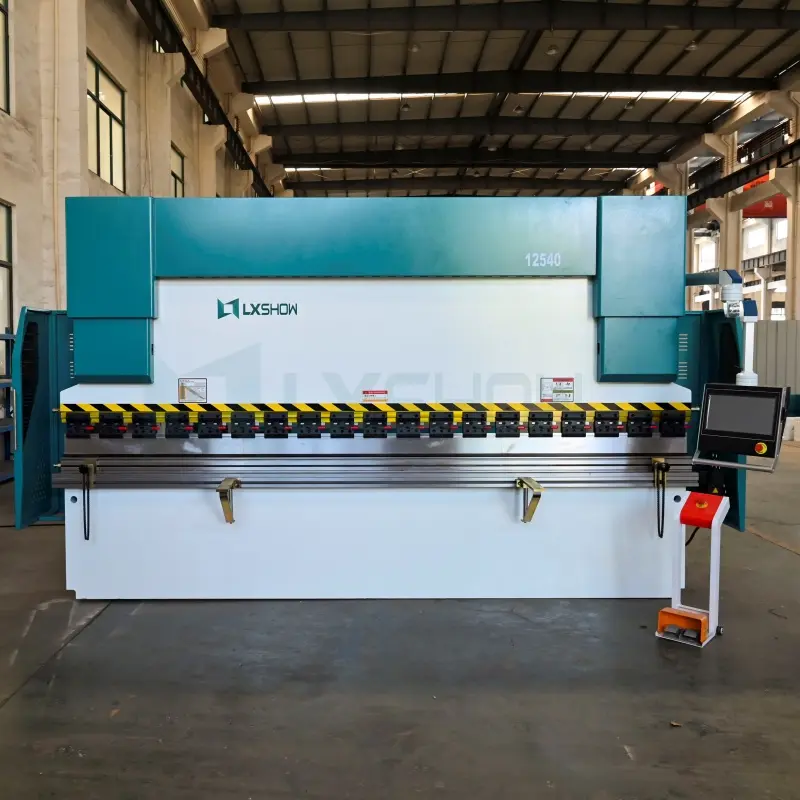
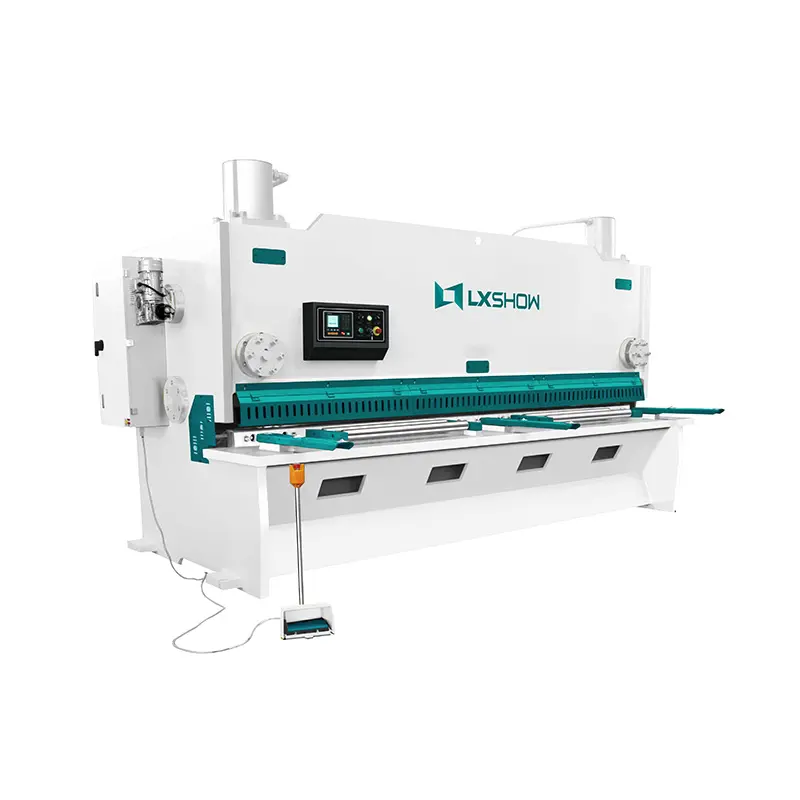
Explore our flagship configurations designed for maximum uptime, high precision, and flexible integration.
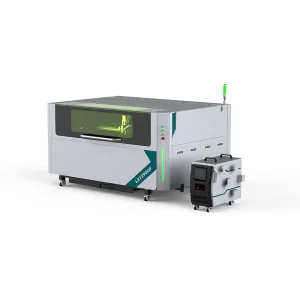
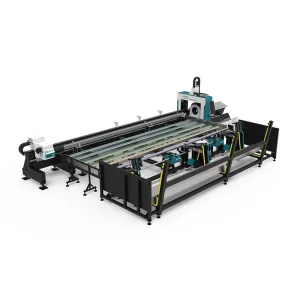
In the modern manufacturing landscape, the shift from conventional mechanical stamping and plasma cutting to fiber laser technology represents a crucial evolutionary step. As industries demand tighter tolerances, lower thermal distortion, and higher material yield, fiber laser systems have become the gold standard. High-power metal laser cutting machines are no longer luxury acquisitions; they are foundational assets in global sectors including automotive, aerospace, precision metallurgy, electronics packaging, and heavy machine manufacturing.
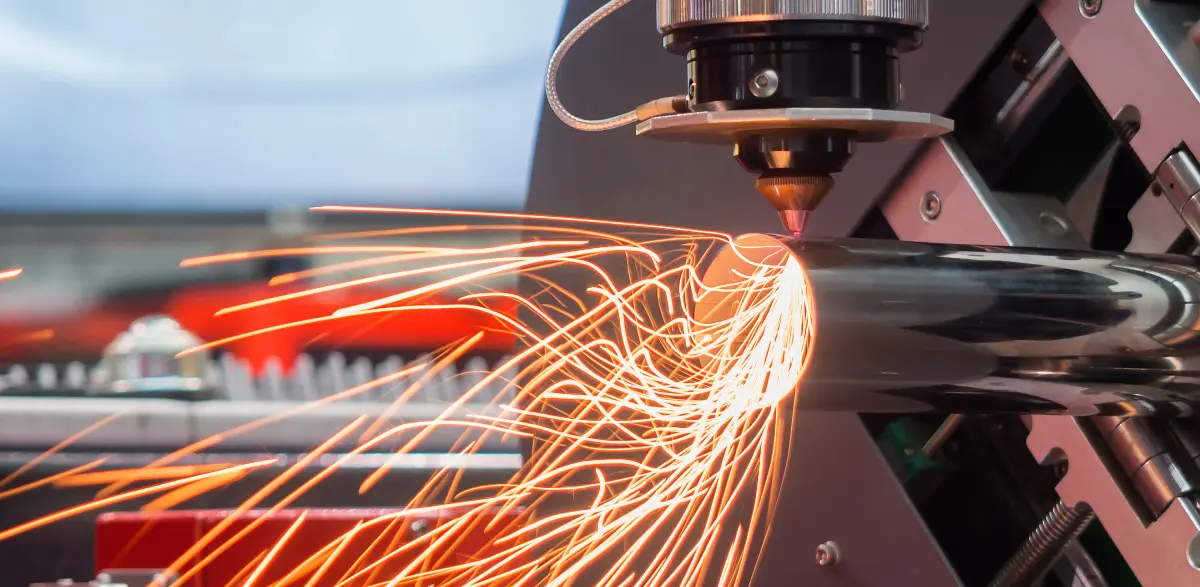
With powers scaling up to 30kW and beyond, today's high-efficiency fiber lasers easily handle thick carbon steel, highly reflective copper, and aircraft-grade aluminum. As a premier global supplier, our engineering focus covers the entire thermal dynamics workflow: from generating stable laser beams via industry-leading resonators (IPG, Raycus, Max, JPT) to optimizing gas assist systems (Nitrogen, Oxygen, and compressed air) that define edge finish quality.
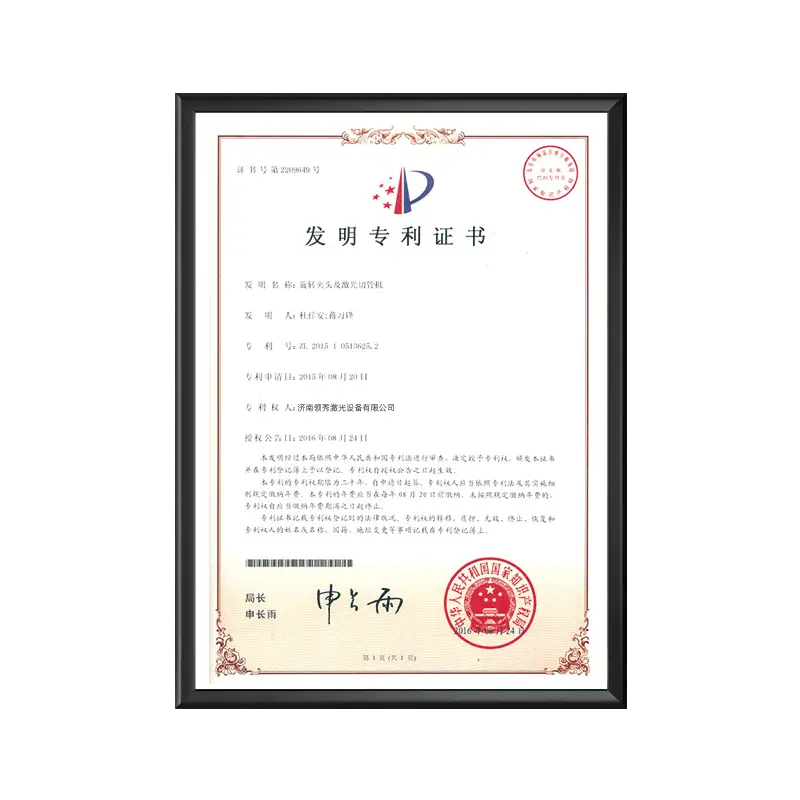
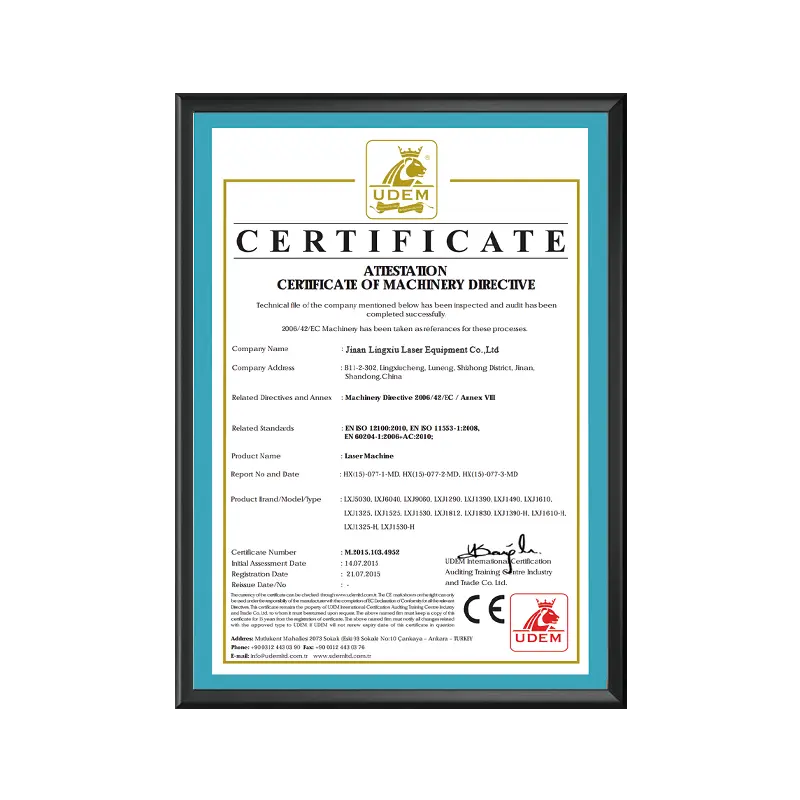
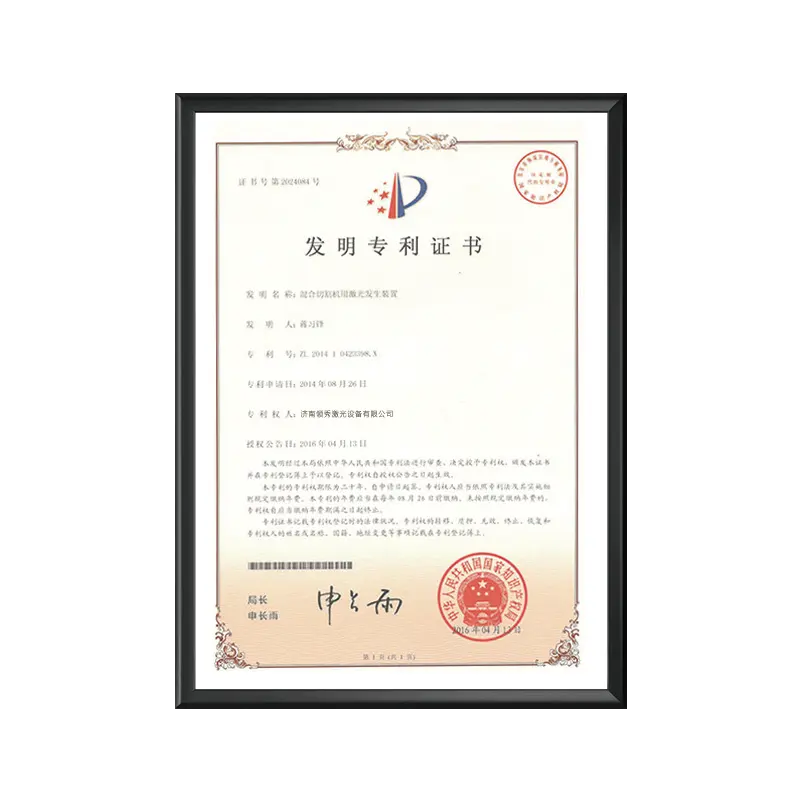
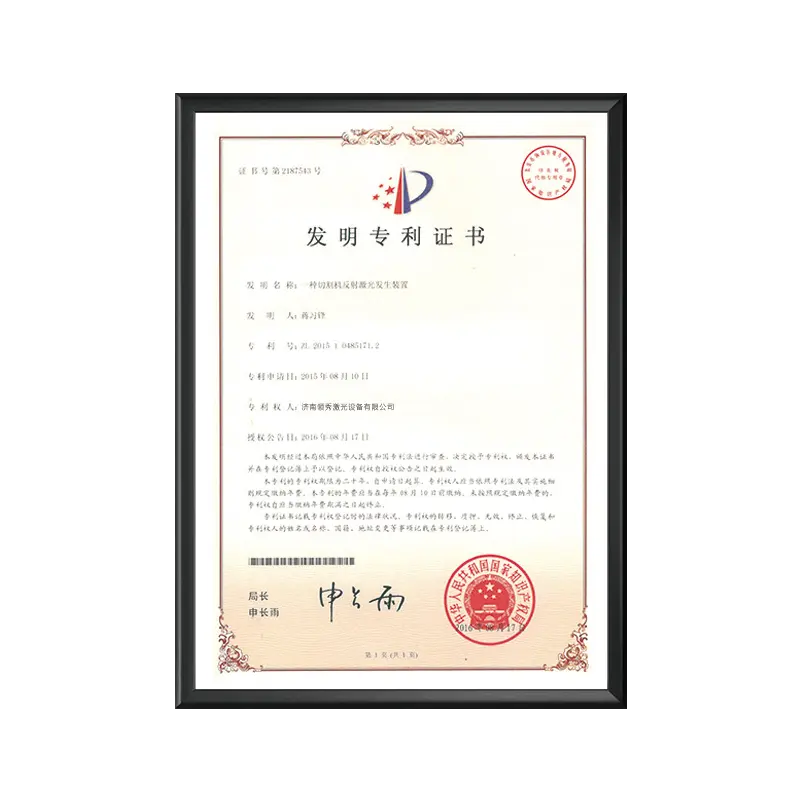
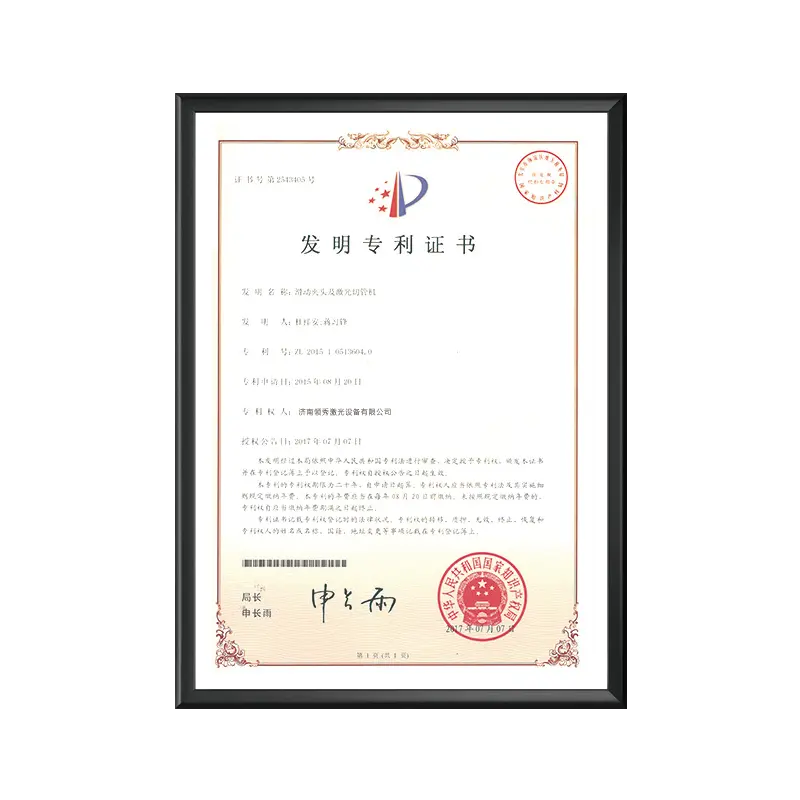
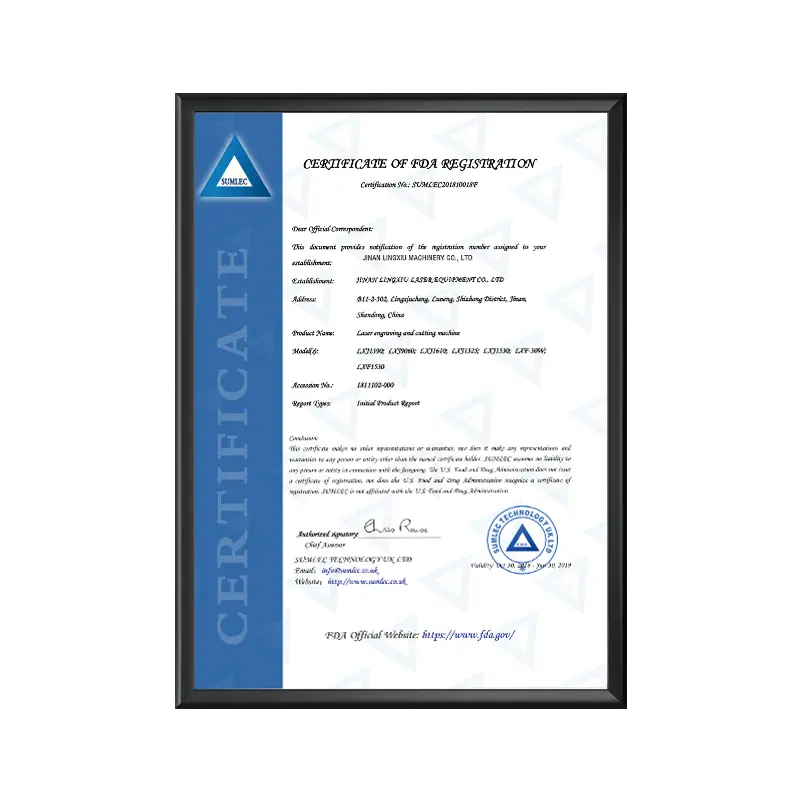
Our solutions leverage nearly two decades of continuous manufacturing experience. Since 2004, we have served over 20,000 users in 150+ countries. Every machine we export complies with stringent international frameworks, including CE marking for EU countries, FDA certification for North America, and ISO 9001 quality management standards.
To understand the superiority of our systems, it is essential to analyze the components that drive precision. Standard laser systems often suffer from thermal drift during long production cycles. Our machines counteract this using reinforced, stress-relieved gantry beds machined in-house via five-axis CNC machining centers.
Key technologies integrated into our machinery include:
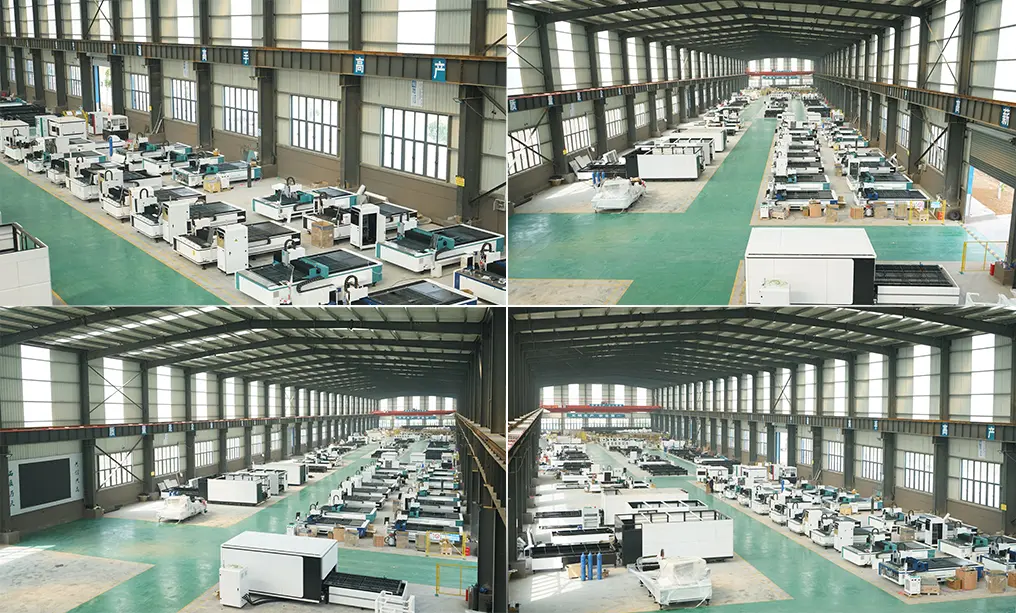
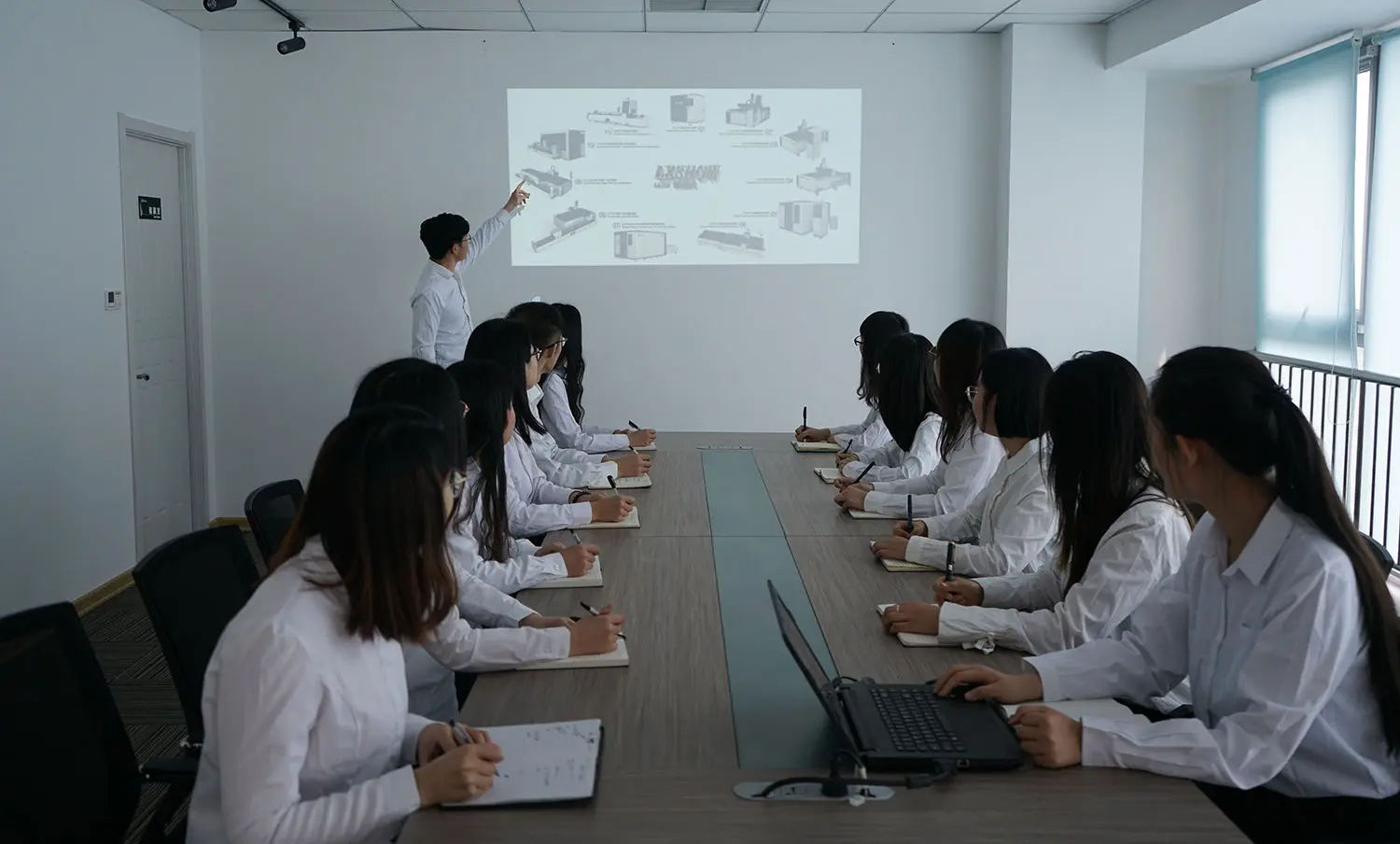
We operate a modernized manufacturing base exceeding 32,000 square meters. Our R&D center spans over 500 square meters, housing a dedicated team focused on optical path design, gantry stability analysis, and CNC automation interface optimization.
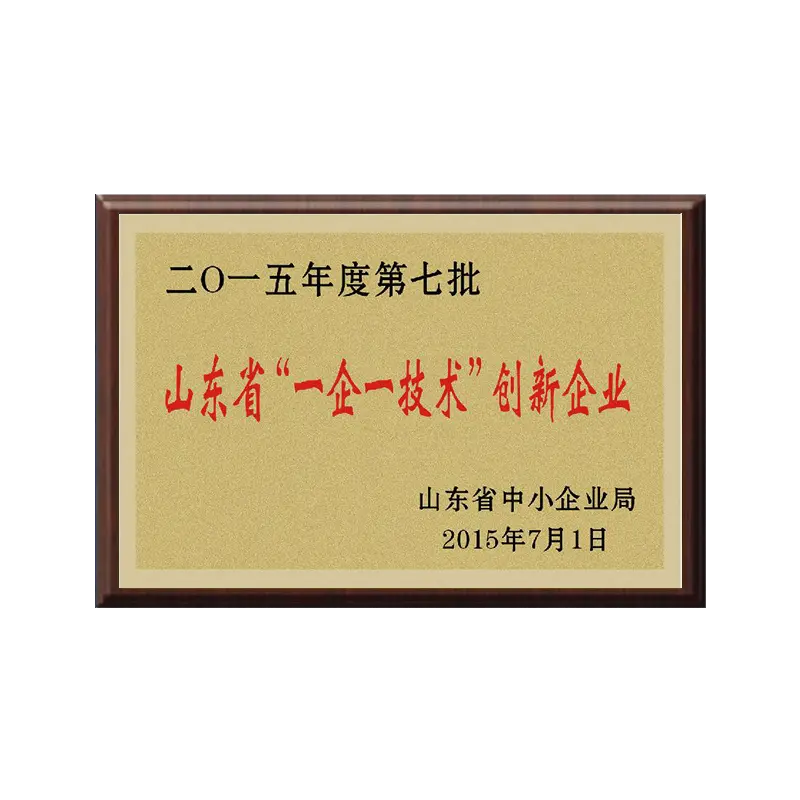
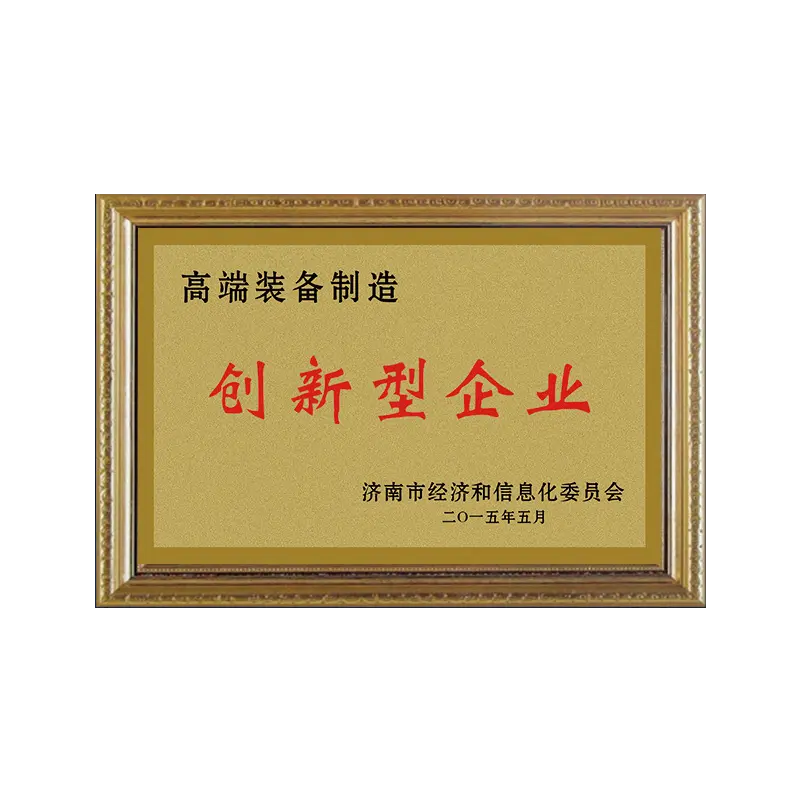
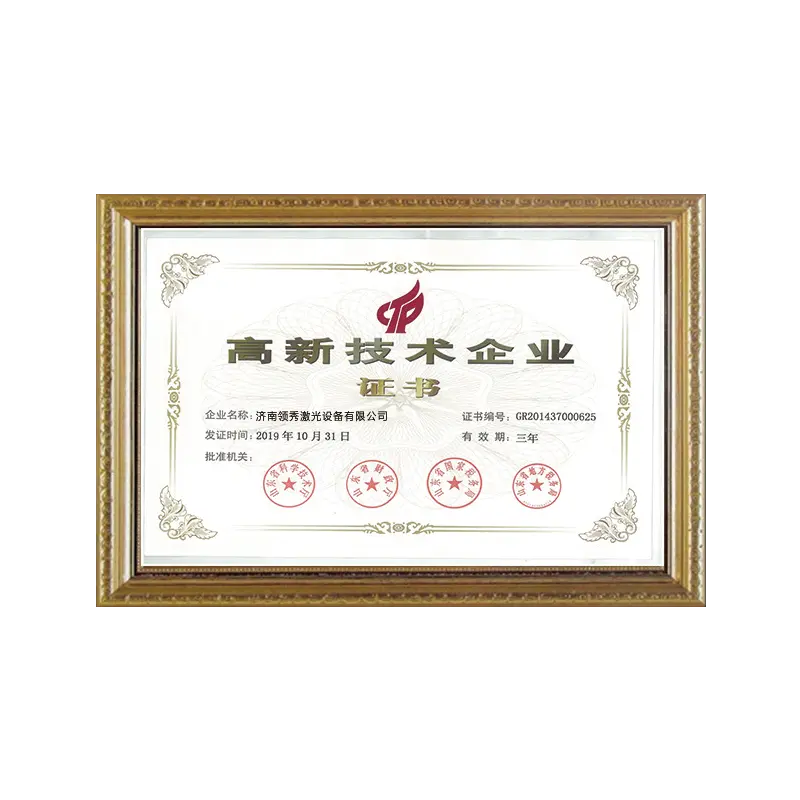
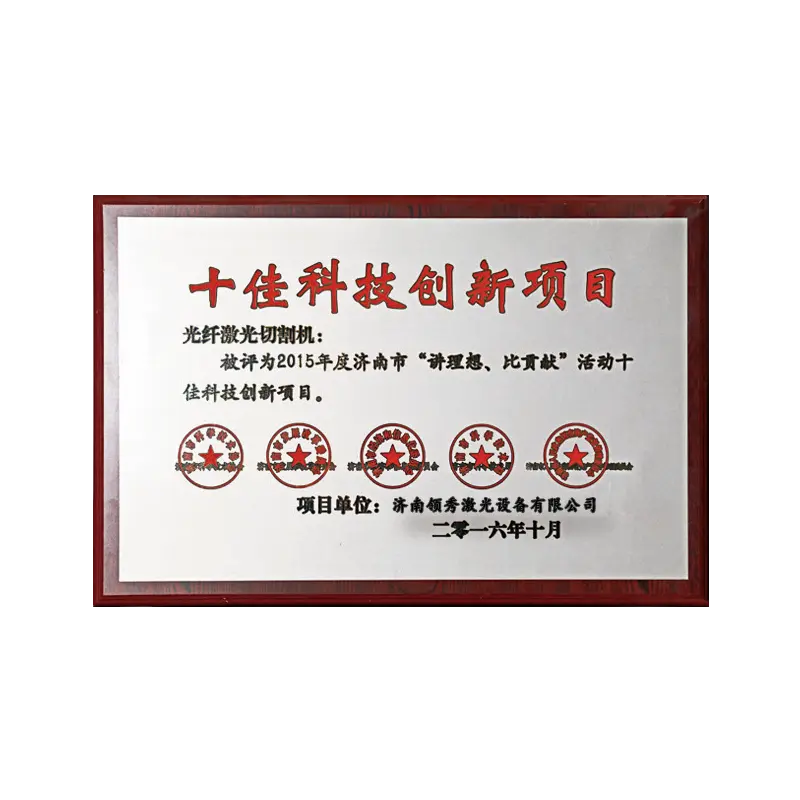
Key Milestones
Inside our advanced production lines, design centers, and testing facilities.
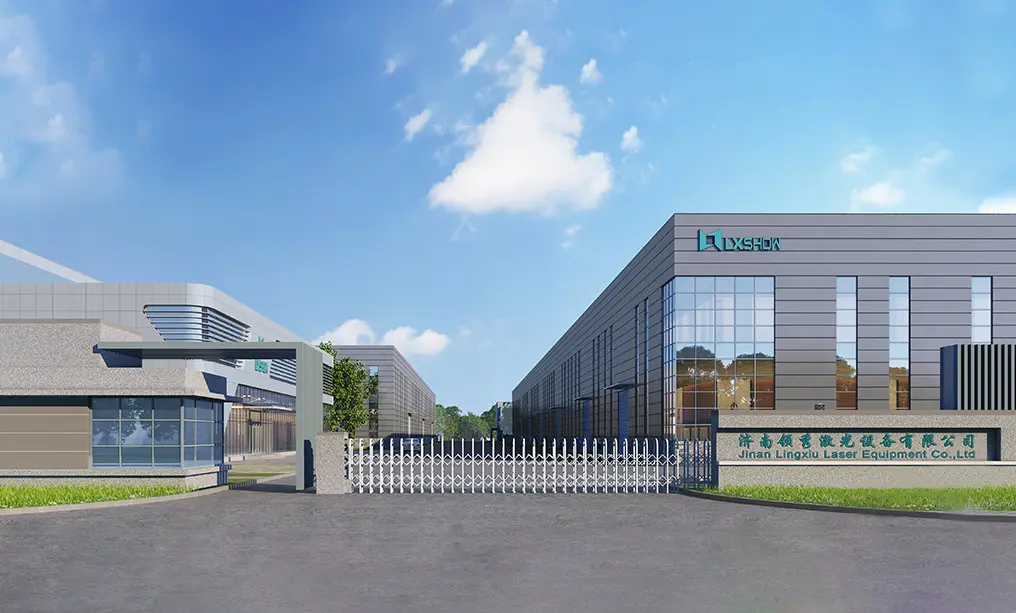
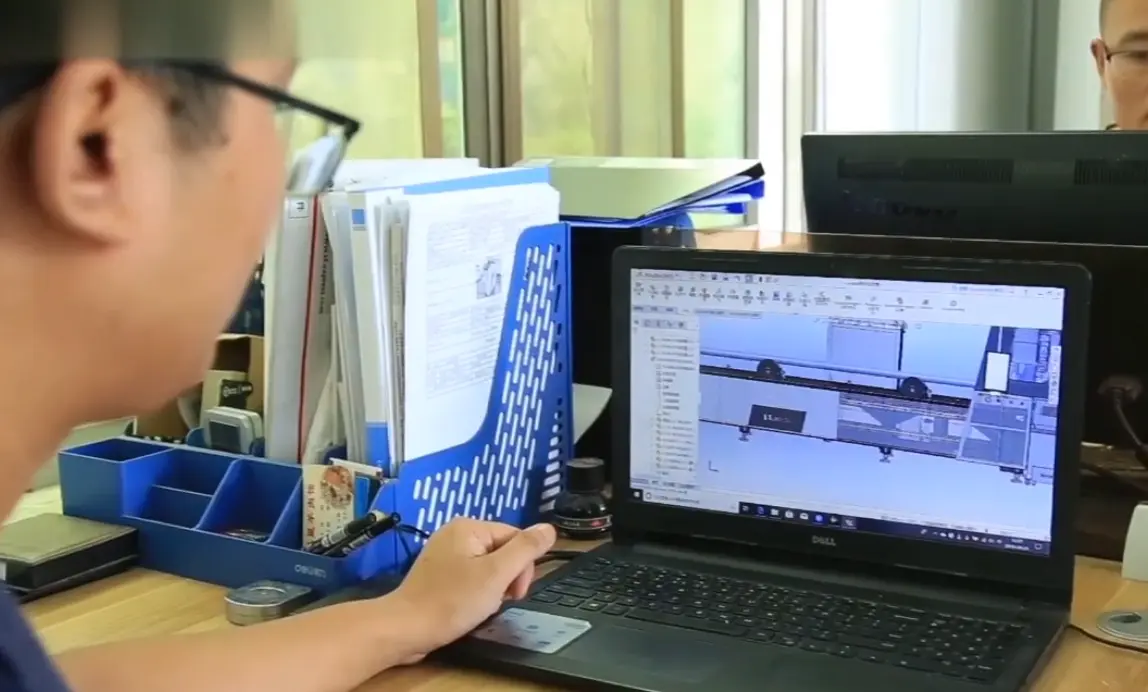
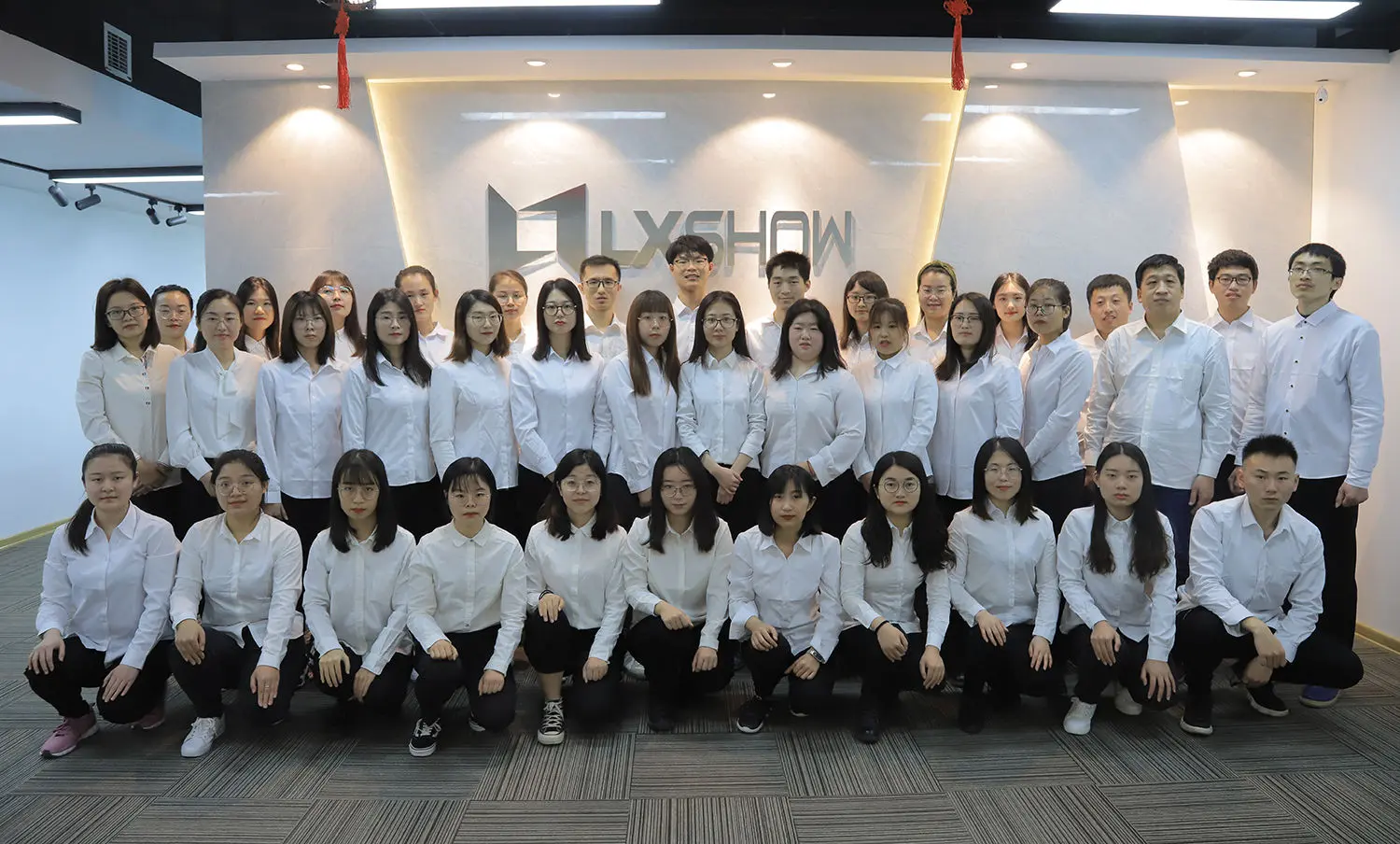
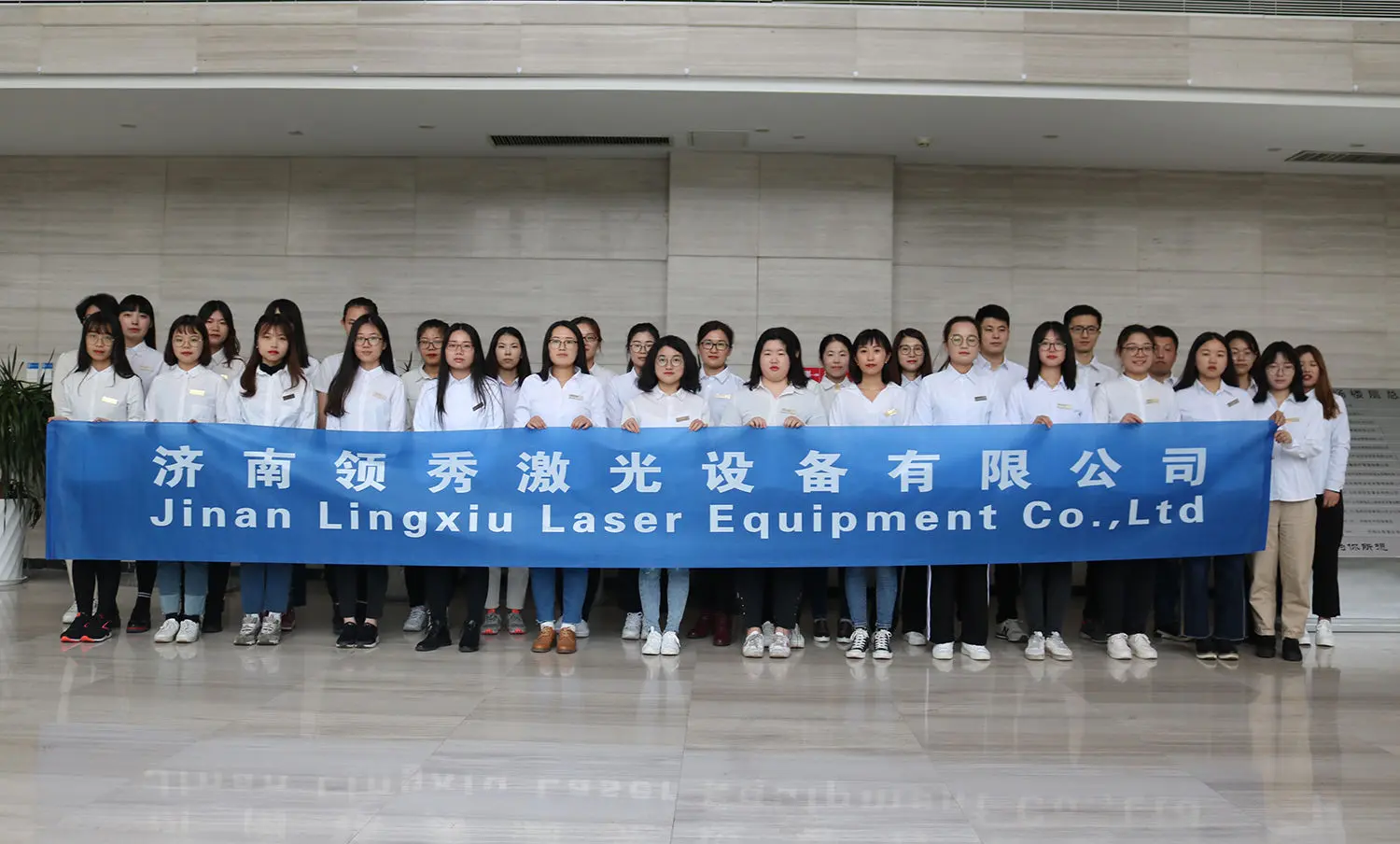
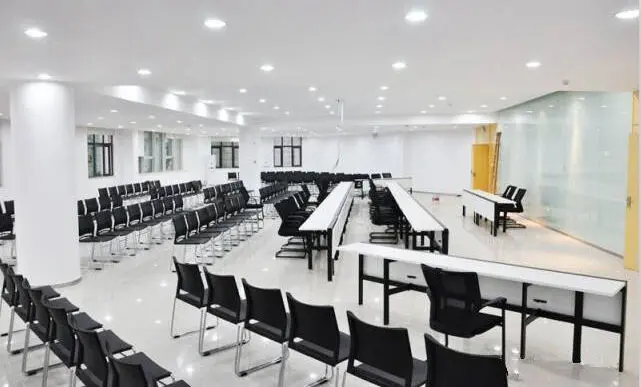
China's dominance in industrial laser manufacturing isn't just about labor efficiency; it is built on a highly resilient industrial ecosystem. Located in Jinan, the capital of machinery processing, our plant operates within a comprehensive industrial cluster. This proximity grants us direct access to high-grade cast iron for bed fabrication, high-precision linear guides, gear racks, and leading optical component suppliers.
This integrated environment minimizes component transit times, allows for rapid prototyping, and supports strict quality control protocols. Because we manufacture key structural components and perform final assembly in-house, we insulate our global clients from supply chain delays. By maintaining backup inventory for critical spares—like laser heads, optics, and electrical components—we protect against shipping and supply line bottlenecks.
Different markets present unique processing challenges. Our design architecture addresses these variations:
The industrial landscape is moving toward smart factory integration, also known as Industry 4.0. Our long-term goal is clear: before 2040, we will establish ourselves as a leading global innovator in the laser field.
Our technological roadmap is centered on three main developments:
Optimized cutting profiles for high-reflectivity, high-hardness, and ultra-thin substrates.
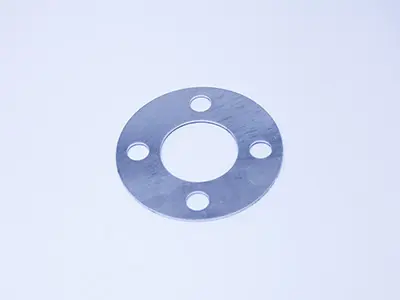
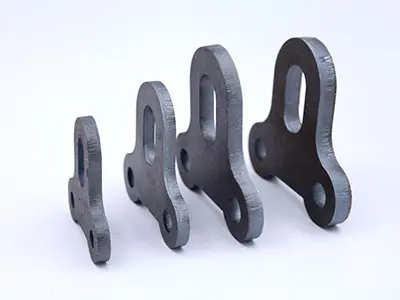
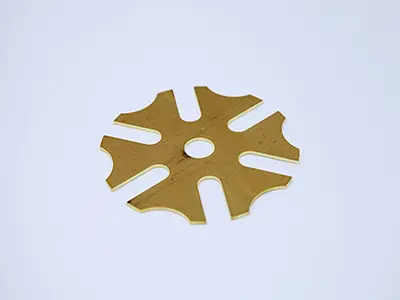
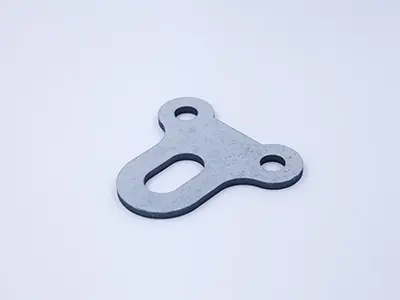
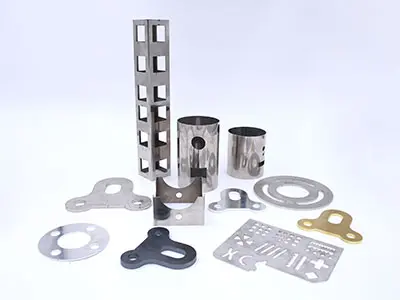
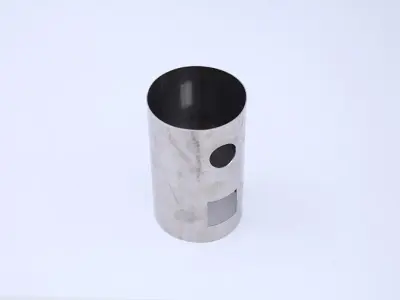
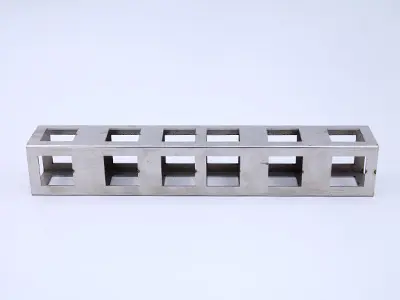
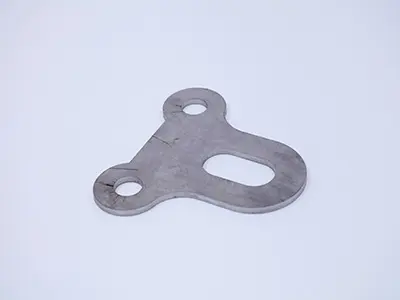
High-reliability machines built for continuous industrial environments.
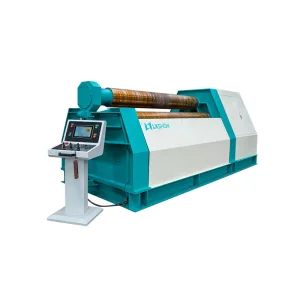
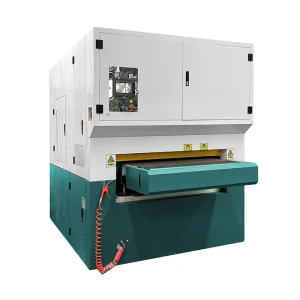
These systems provide stable batch processing for thick plates, ensuring durable wear-resistant surfaces for heavy industrial applications.
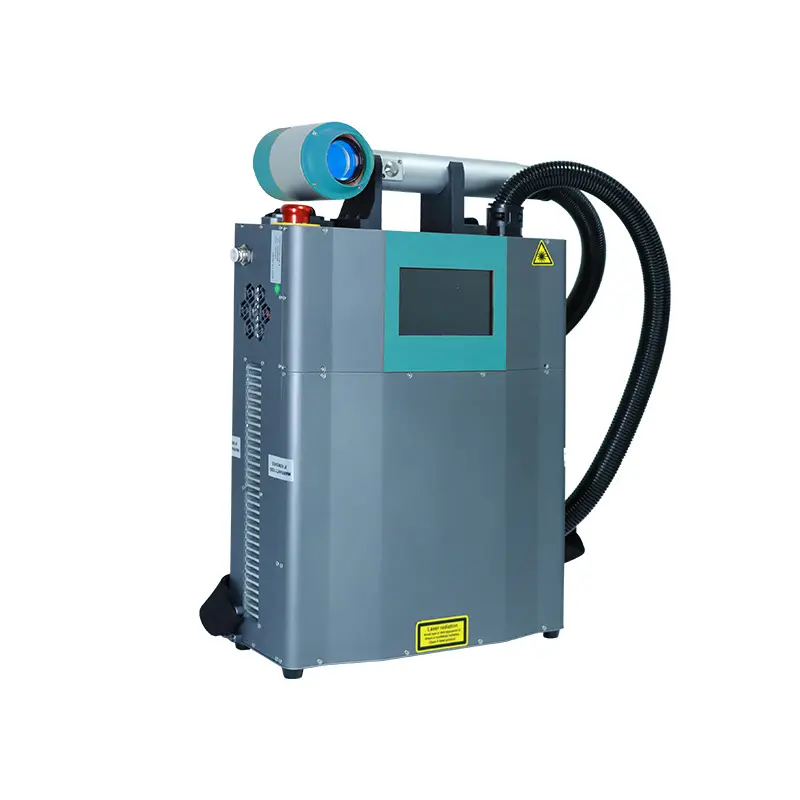
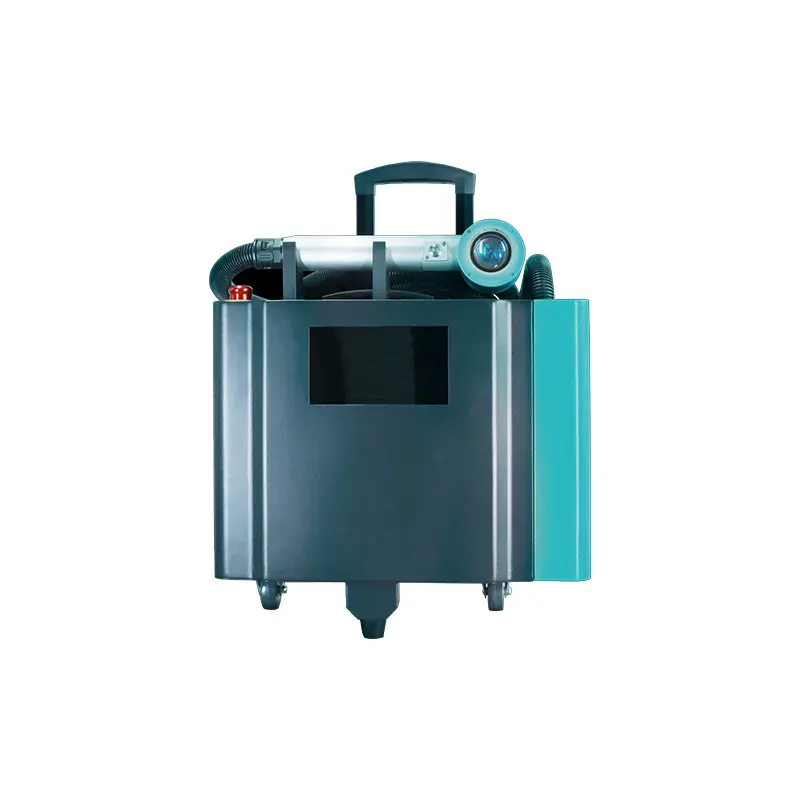
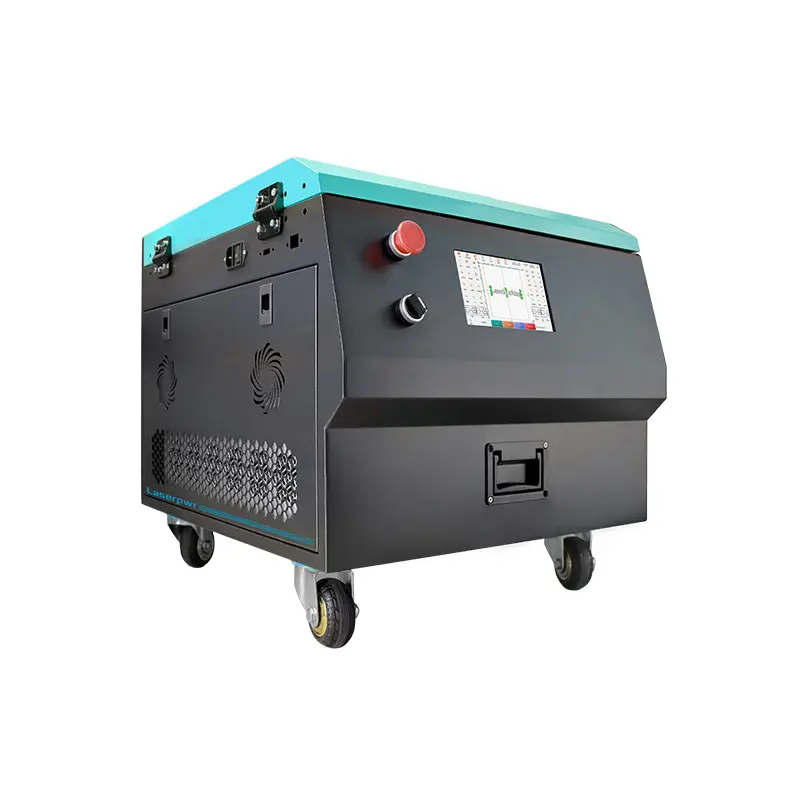
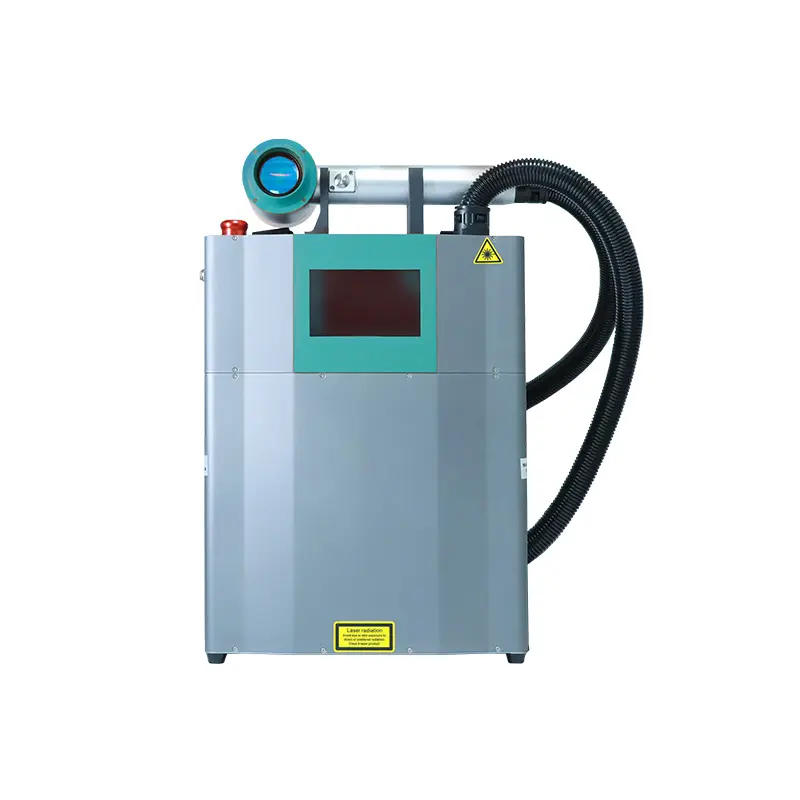
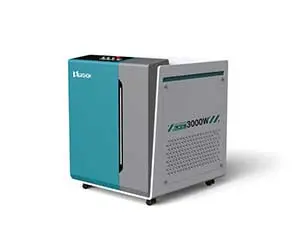
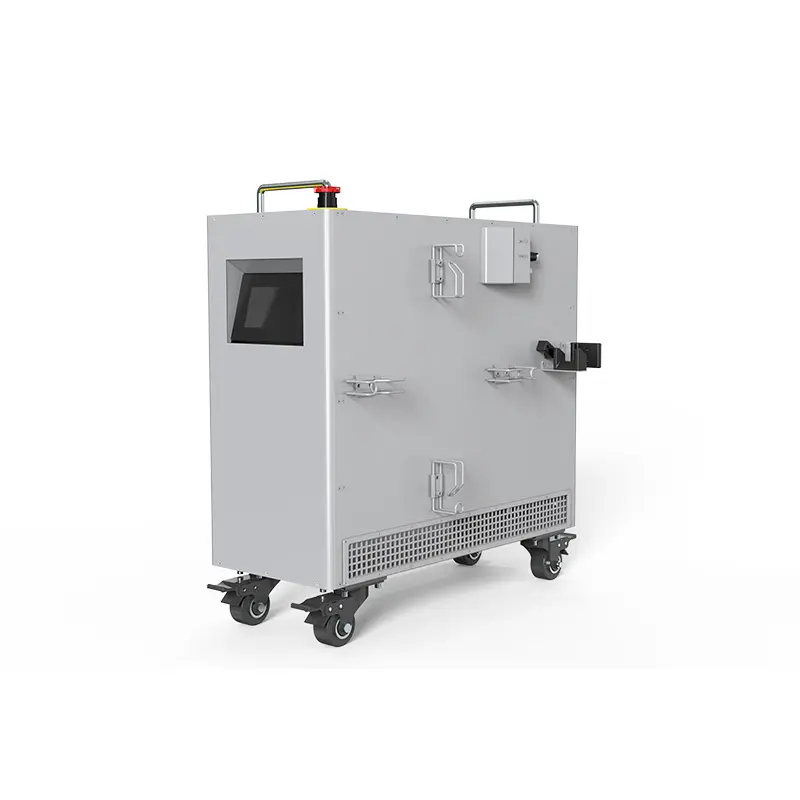
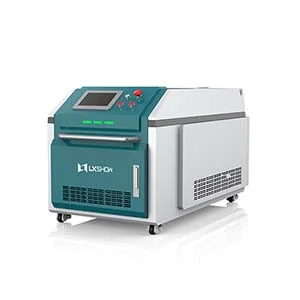
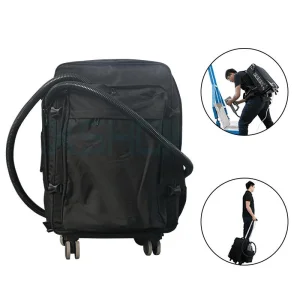
Eco-friendly surface preparation tools designed to remove rust, paint, oxides, and other contaminants without damaging the base metal.
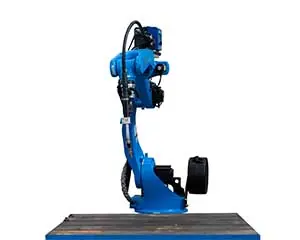
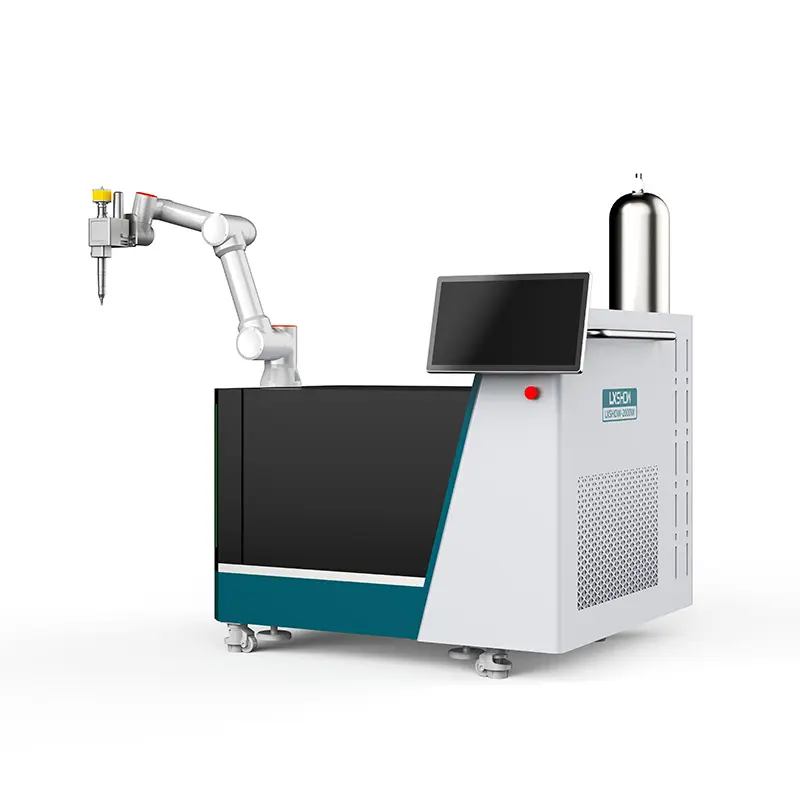
Precision joining systems featuring narrow weld zones, minimal thermal distortion, and high travel speeds for modern production facilities.
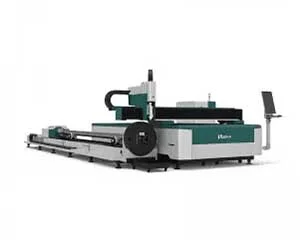
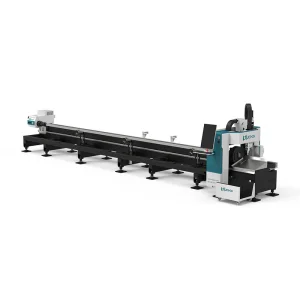
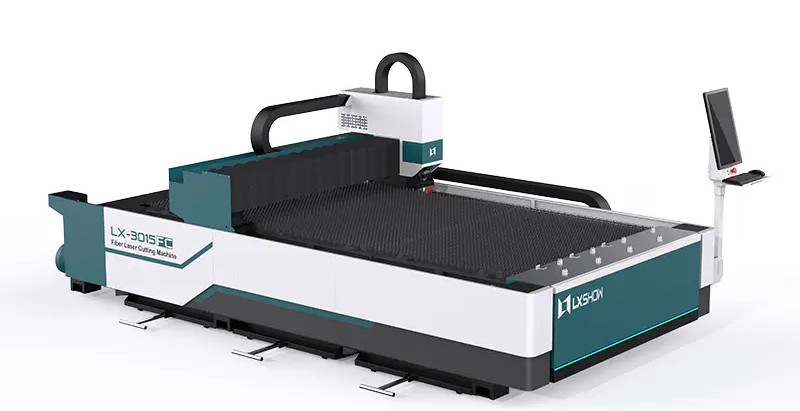
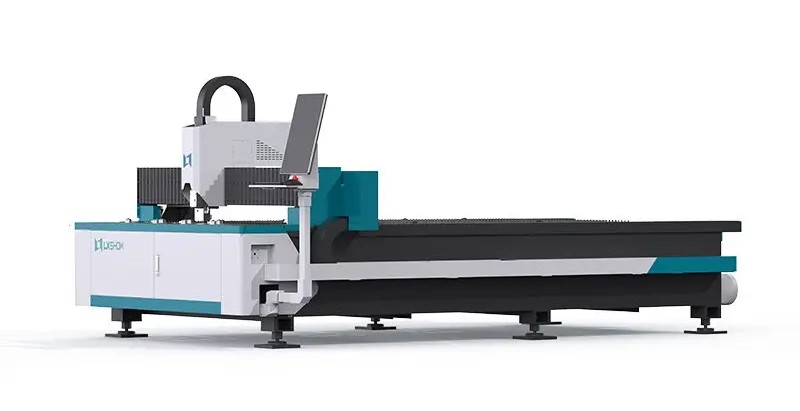
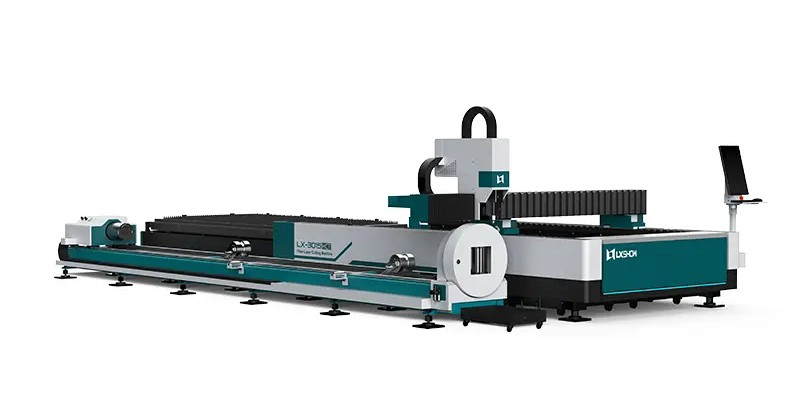
High-power CNC cutting systems engineered for maximum productivity, clean edge quality, and minimal waste during continuous metal plate processing.
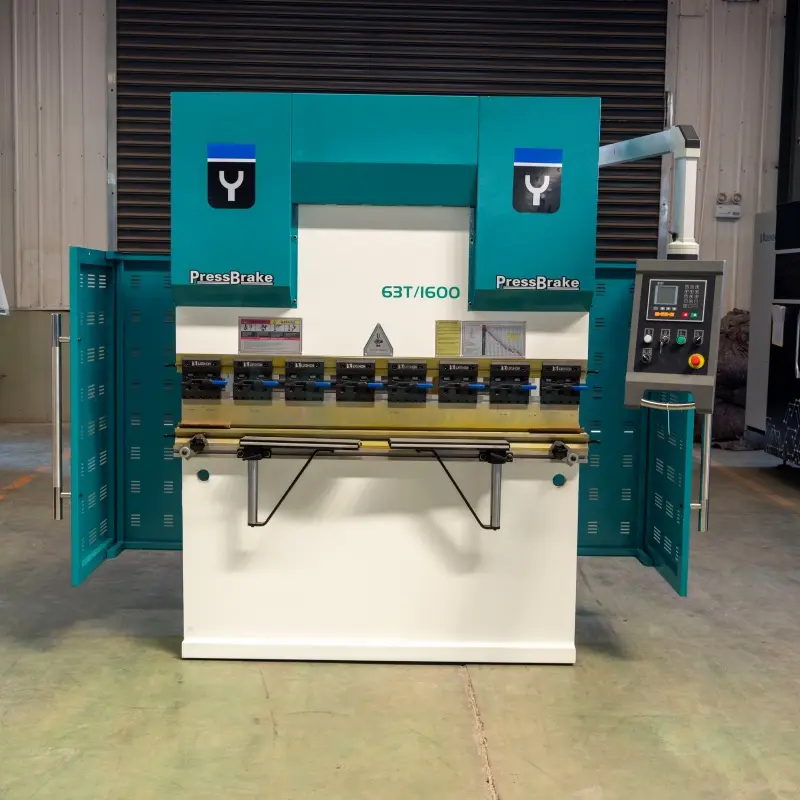
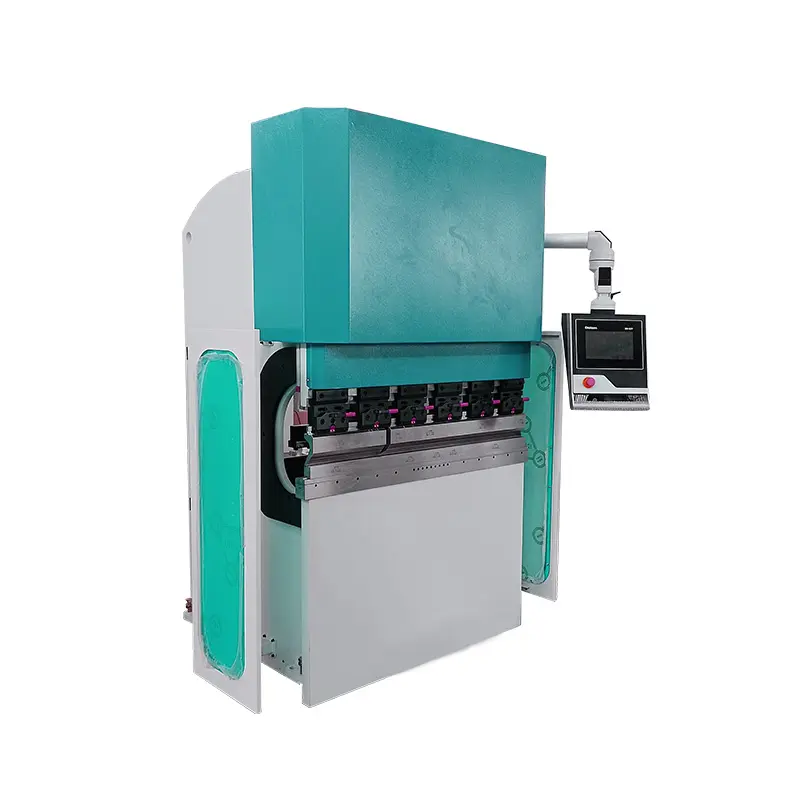
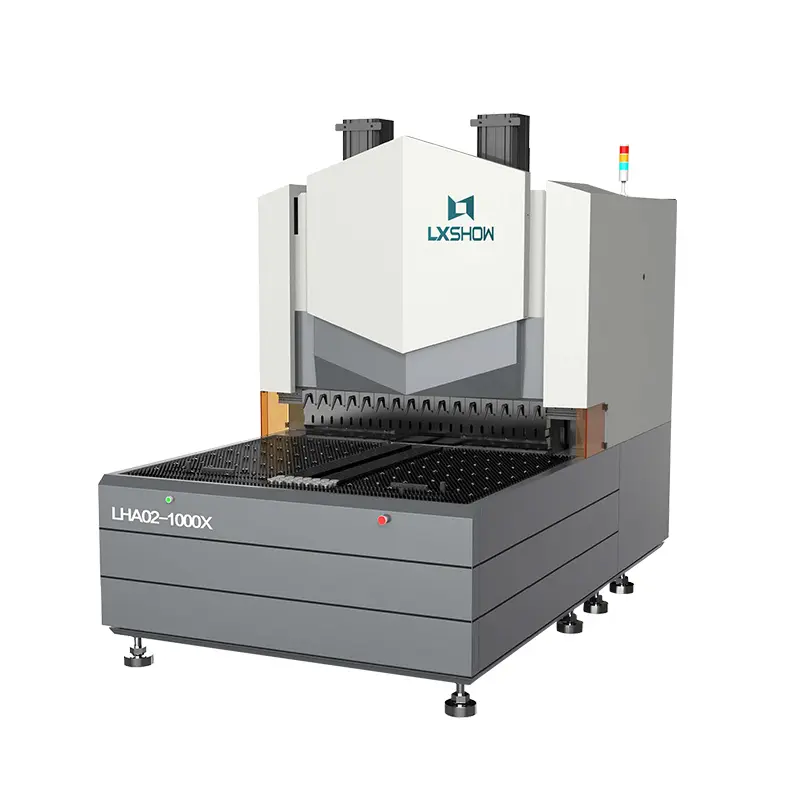
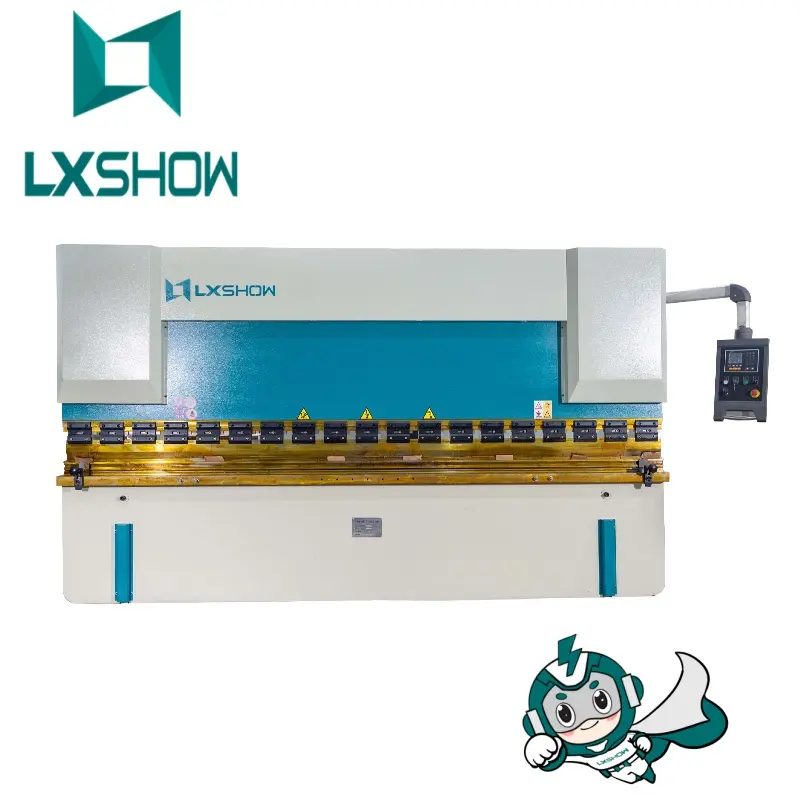
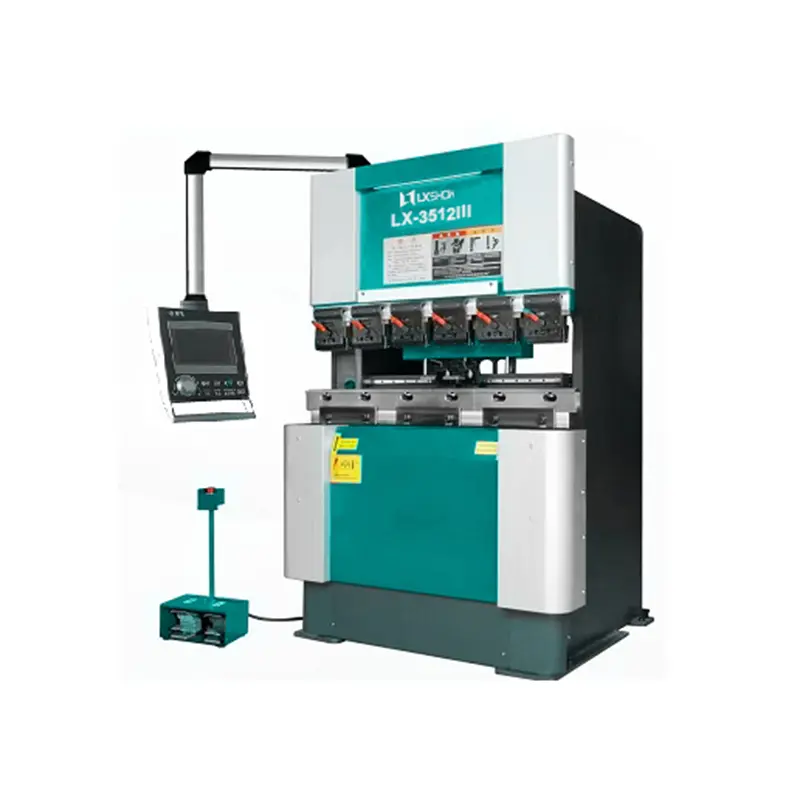
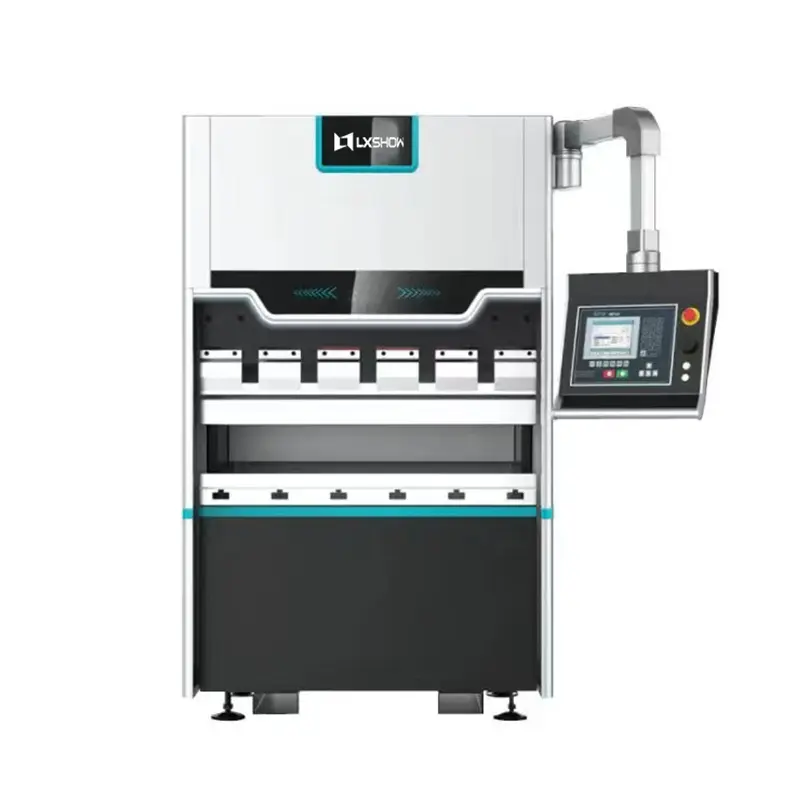
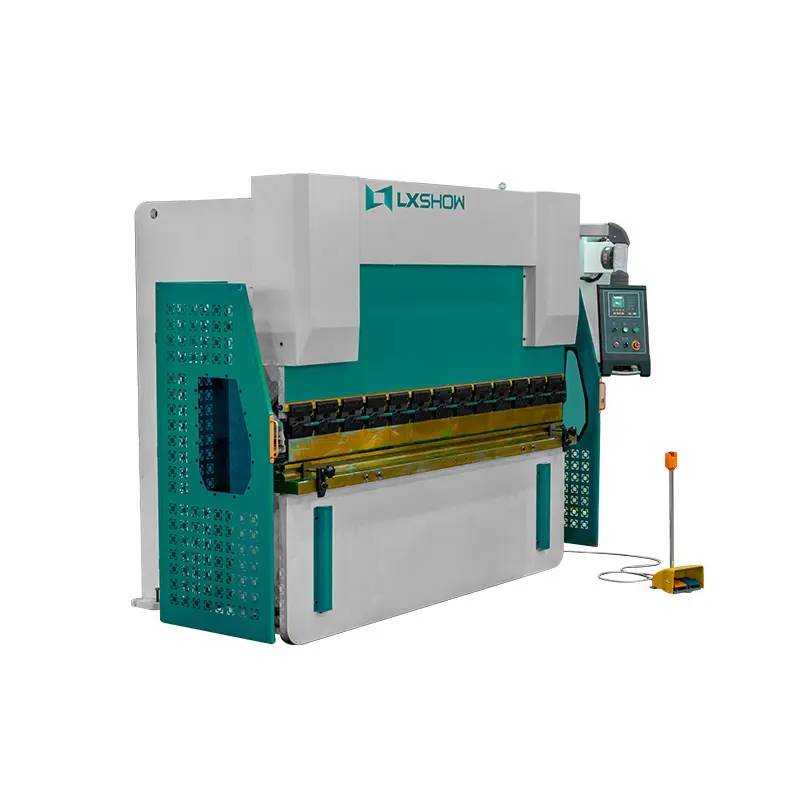
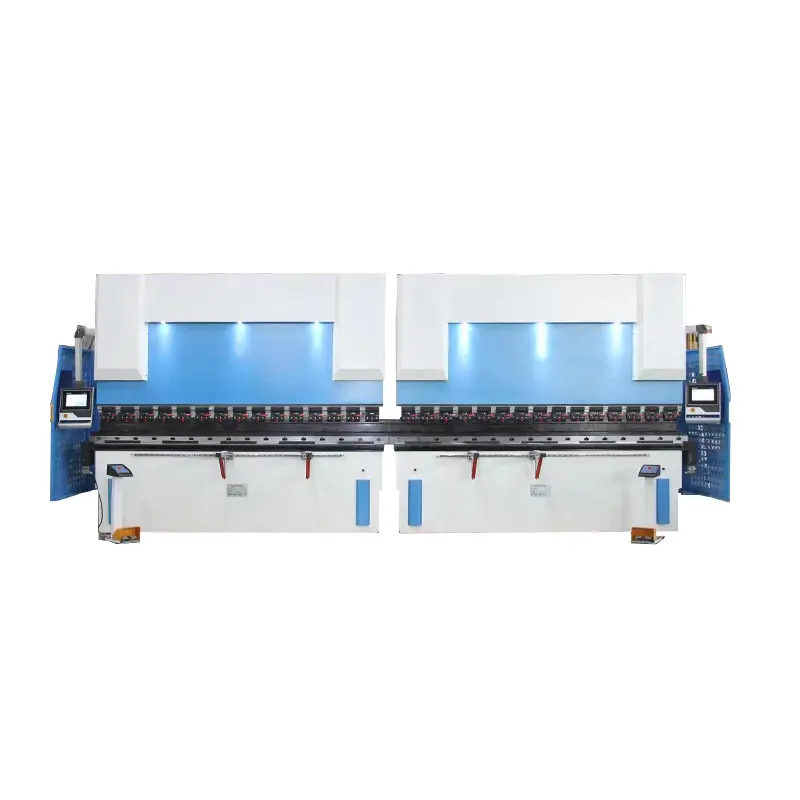
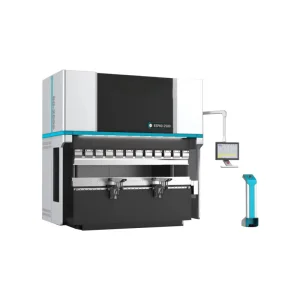
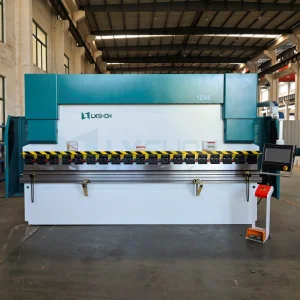
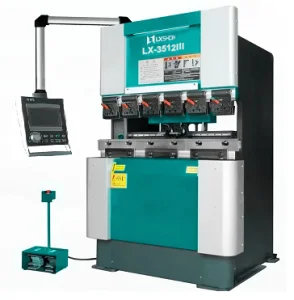
Advanced press brakes and bending units, from hydraulic torsion bar to high-speed all-electric servo setups for precise angle control.
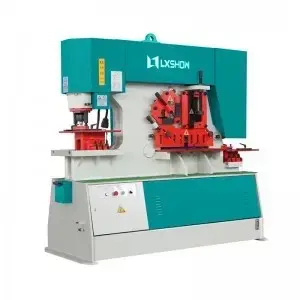
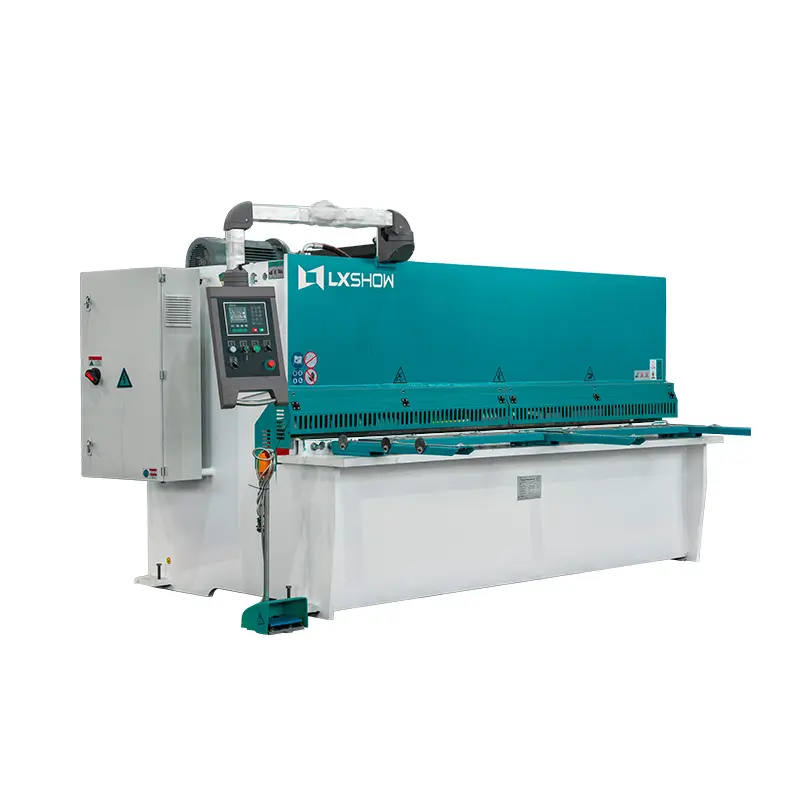
Hydraulic swing beam and guillotine metal shears engineered for straight-line cutting with minimal twist or distortion.
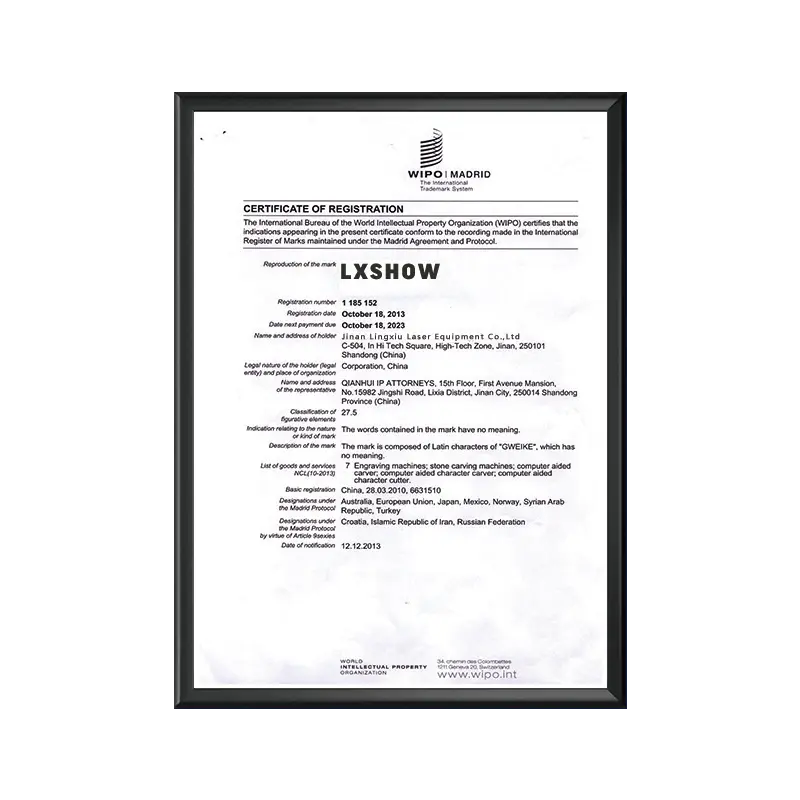
Exporting heavy machinery requires strict adherence to international safety standards. Our laser cutting systems are built and certified under the following frameworks:
We support our global equipment network through localized service partnerships in key regions. When a machine is commissioned, we provide detailed technical training that covers:
Reliable performance, robust chassis designs, and advanced controller options.
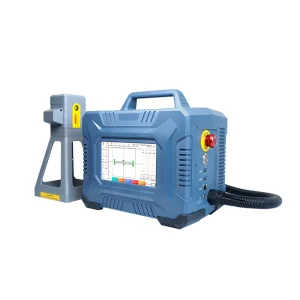
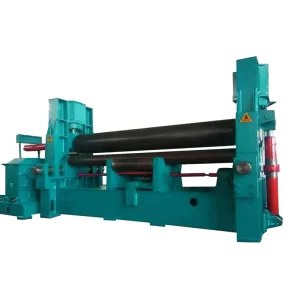
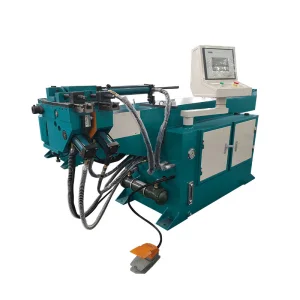
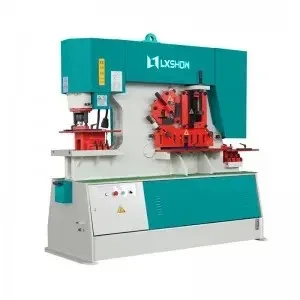
Connecting with manufacturers and logistics systems worldwide.
Integrating laser cleaning, cladding, and bending solutions for complete sheet metal fabrication lines.
Detailed technical answers addressing common inquiries from mechanical engineers, procurement heads, and factory managers.
Each resonator brand has distinct design strengths:
Selecting the right assist gas is critical for edge finish and cost management:
Gantry stability relies on stress relief and structural design. Our beds are fabricated from high-tensile steel plates, welded, and then heat-treated in a stress-relief furnace. This process removes internal stresses before final machining on our five-axis CNC milling centers. The gantry itself is cast from lightweight, aerospace-grade aluminum to allow for high acceleration without structural flexing.
For the EU, compliance with the CE Machinery Directive (2006/42/EC) and Low Voltage Directive (2014/35/EU) is mandatory. In the US, the FDA's Center for Devices and Radiological Health (CDRH) regulates Class 4 laser installations. Our enclosed designs feature certified protective glass, safety interlocks, and automated exhaust systems to meet these requirements.
Yes. Modern fiber lasers operating at approximately 1.07-micron wavelengths can process reflective materials when configured properly. Our systems feature back-reflection protection modules (especially when paired with IPG or Raycus resonators) and real-time power monitoring to protect the laser source from reflected light during piercing.
Routine maintenance helps ensure consistent cut quality and long system life:
 Lxshow