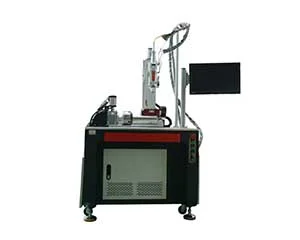
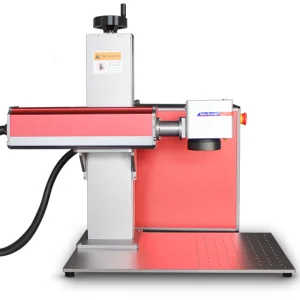
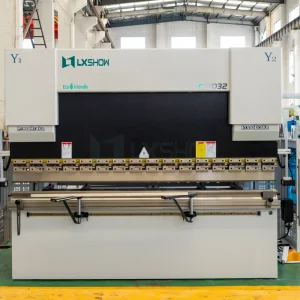
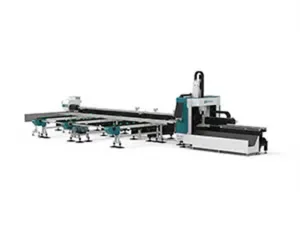
Explore our selected high-efficiency fiber laser cutting, welding, bending, and cleaning machines direct from the manufacturing floor.
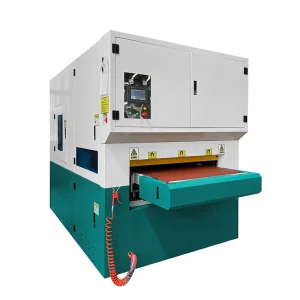
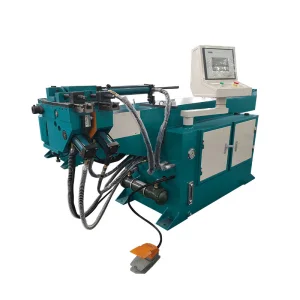
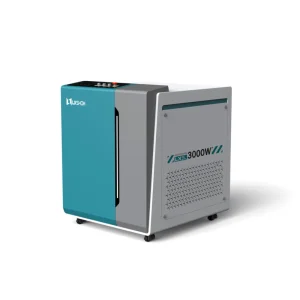
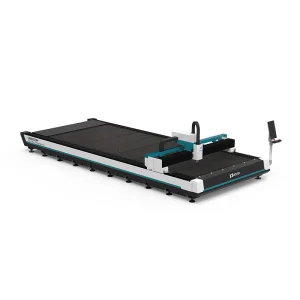
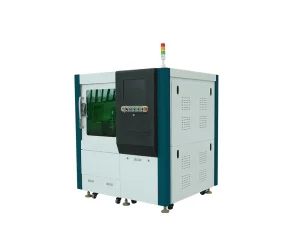
In the highly competitive landscape of modern manufacturing, metal fabrication facilities globally are facing intense pressure to optimize their production efficiencies. Sourcing officers and operational managers are tasked with a difficult dual goal: lowering upfront capital expenditures (CapEx) while dramatically increasing throughput, precision, and tool longevity. This paradigm shift has driven massive market search intent toward "cheap laser cutting machines." However, experienced procurement engineers recognize that "cheap" must not equate to substandard reliability.
Across Europe, North America, Southeast Asia, and Latin America, small-to-medium enterprises (SMEs) and heavy industrial OEM plants alike are transitioning from traditional mechanical cutting, plasma cutting, and high-maintenance CO2 lasers to modern CNC fiber laser cutters. Fiber lasers operate on wavelengths absorbed highly by common structural metals, meaning they offer processing speeds up to four times faster than CO2 counterparts on thin sheets, whilst reducing energy consumption by up to 50%.
By sourcing directly from advanced, vertically-integrated Chinese laser manufacturing clusters, enterprises bypass traditional distribution markups. This ensures that even budget-conscious purchasers can acquire premium features such as automatic exchange tables, dual-drive rack-and-pinion systems, and high-precision fiber laser heads without paying inflated brand premiums.
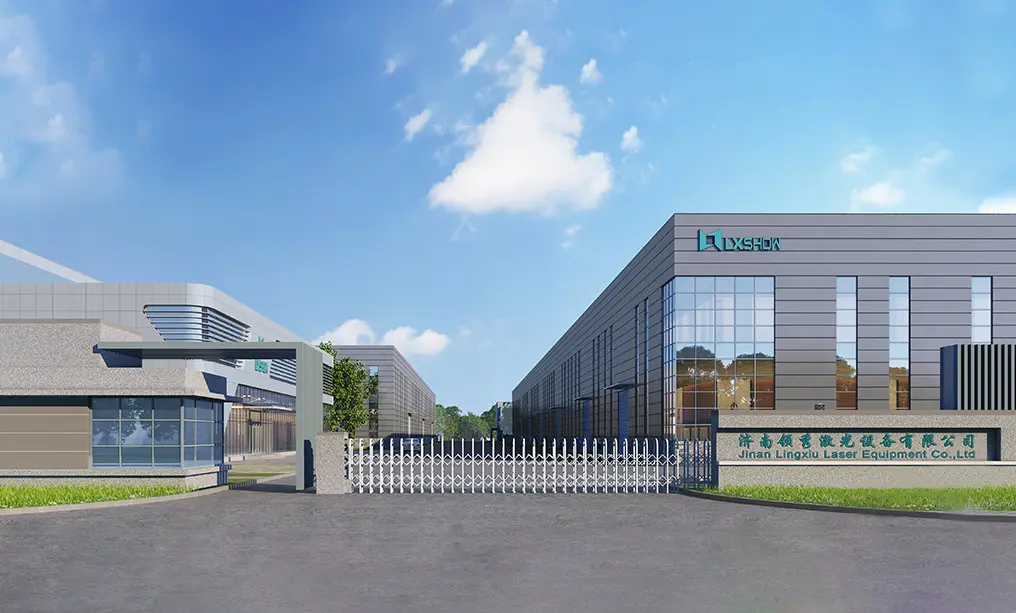
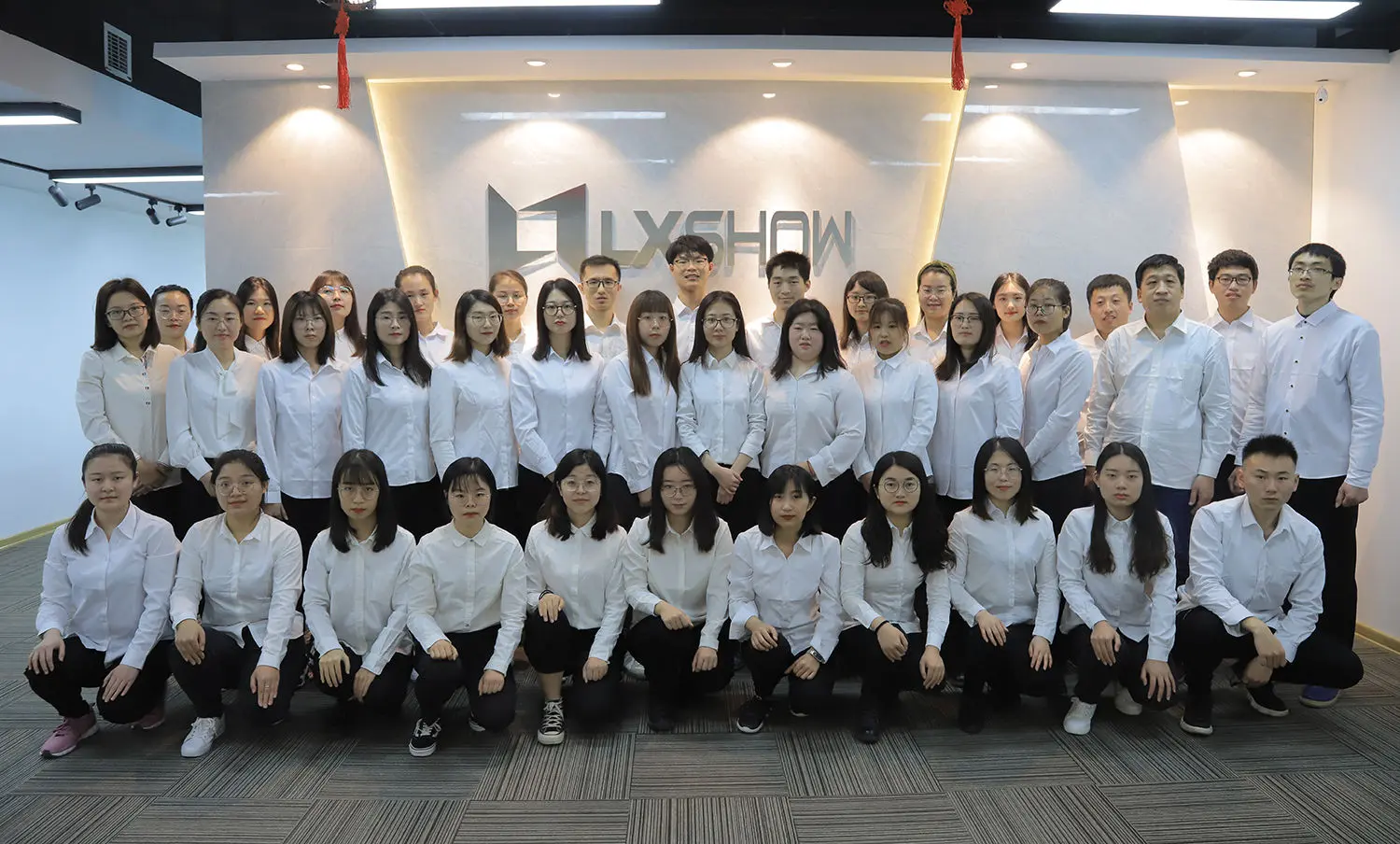
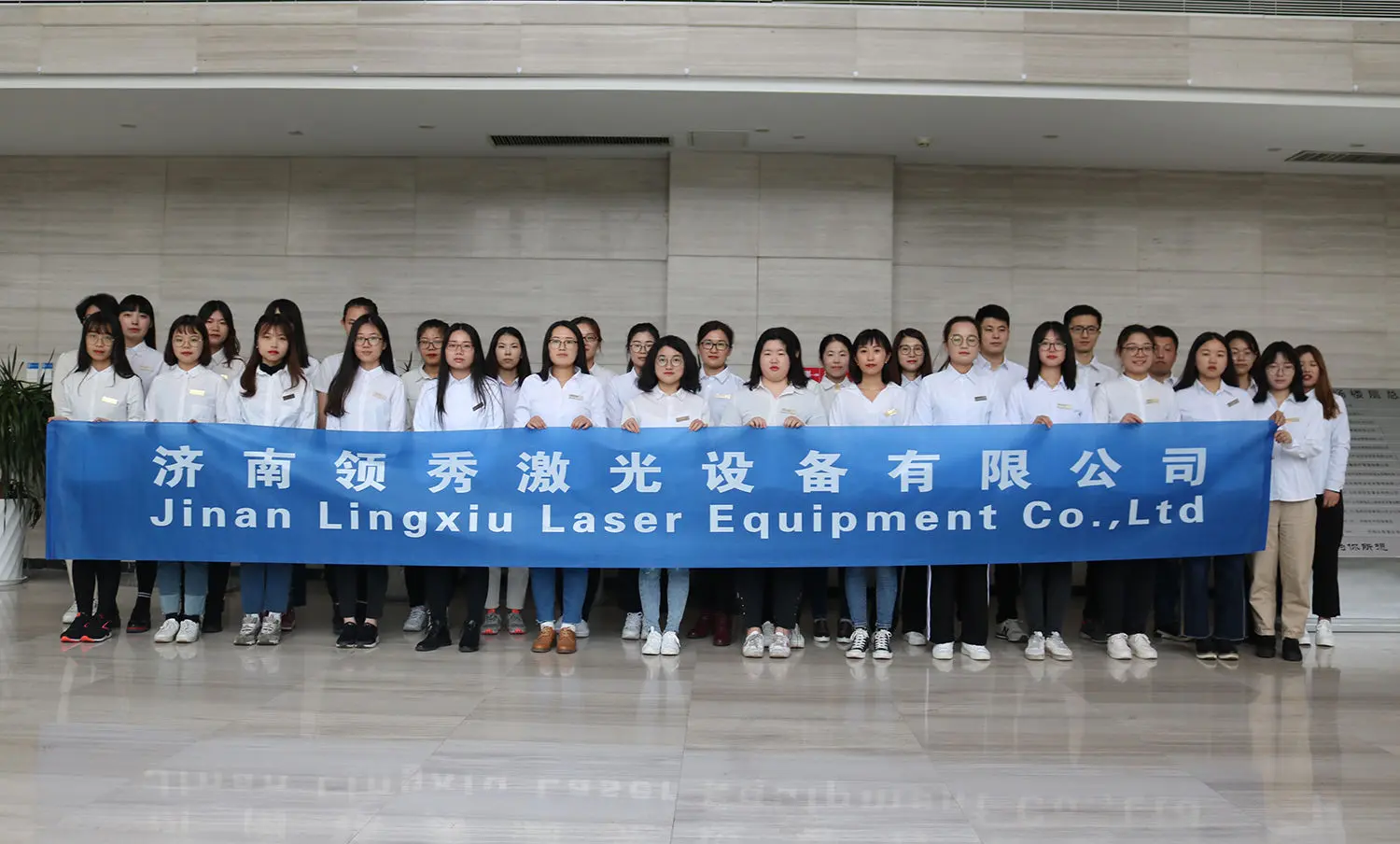
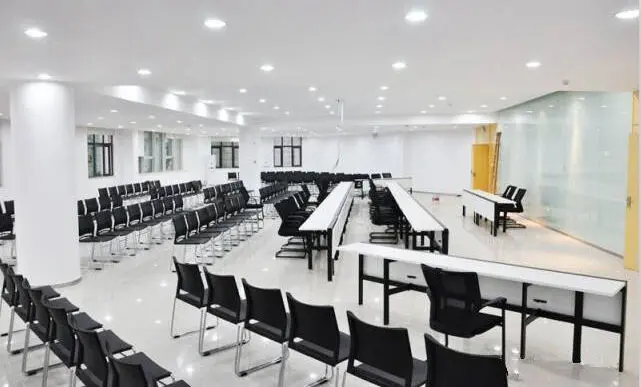
Established in July 2004, our manufacturing enterprise has pioneered advancements in metal processing, expanding into a world-class production hub featuring a dedicated 500-square-meter R&D office space and over 32,000 square meters of modern factory floor.
Every machine engineered in our facility undergoes strict quality control protocols. Our structural frames are stress-relieved via heat-treatment ovens to prevent thermal warping over decades of operation. This rigorous approach ensures compliance with critical international standards, obtaining the European Union's CE authentication, the United States' FDA certificate, and global ISO 9001 quality management certification.
We operate as a primary OEM partner, supplying premium hardware to more than 30 international industrial brands, while delivering high-value systems under our own label to fabrication shops in North America, Europe, Asia, and Africa.
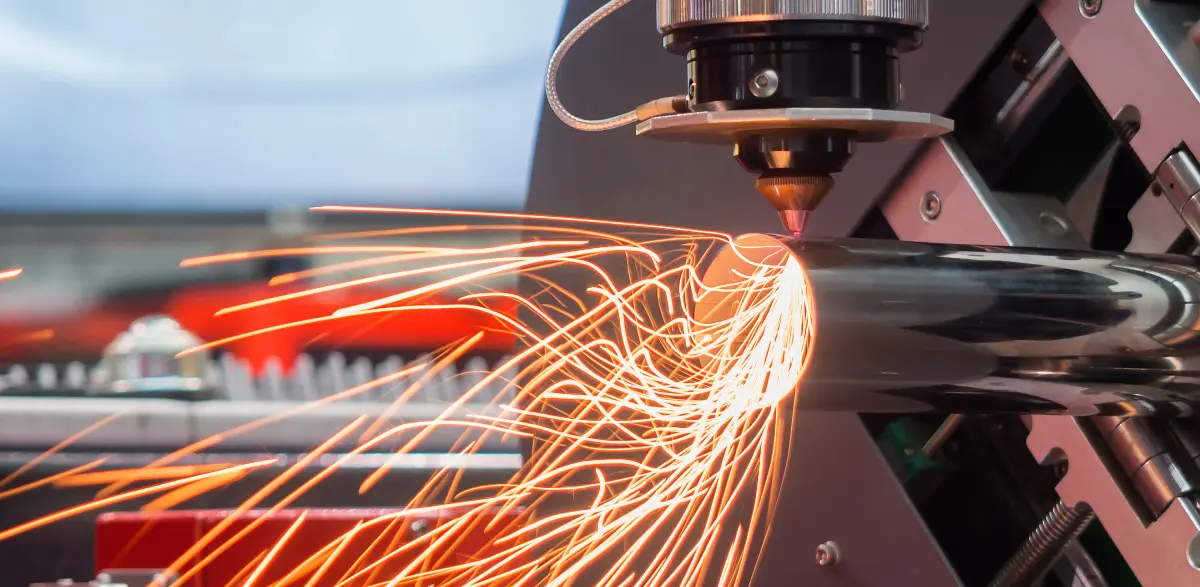
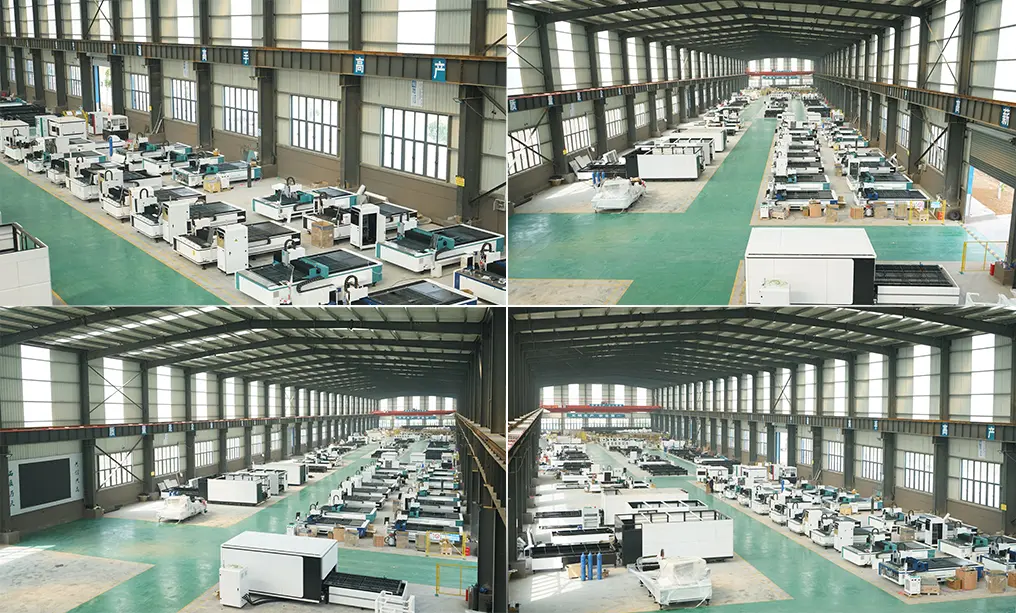

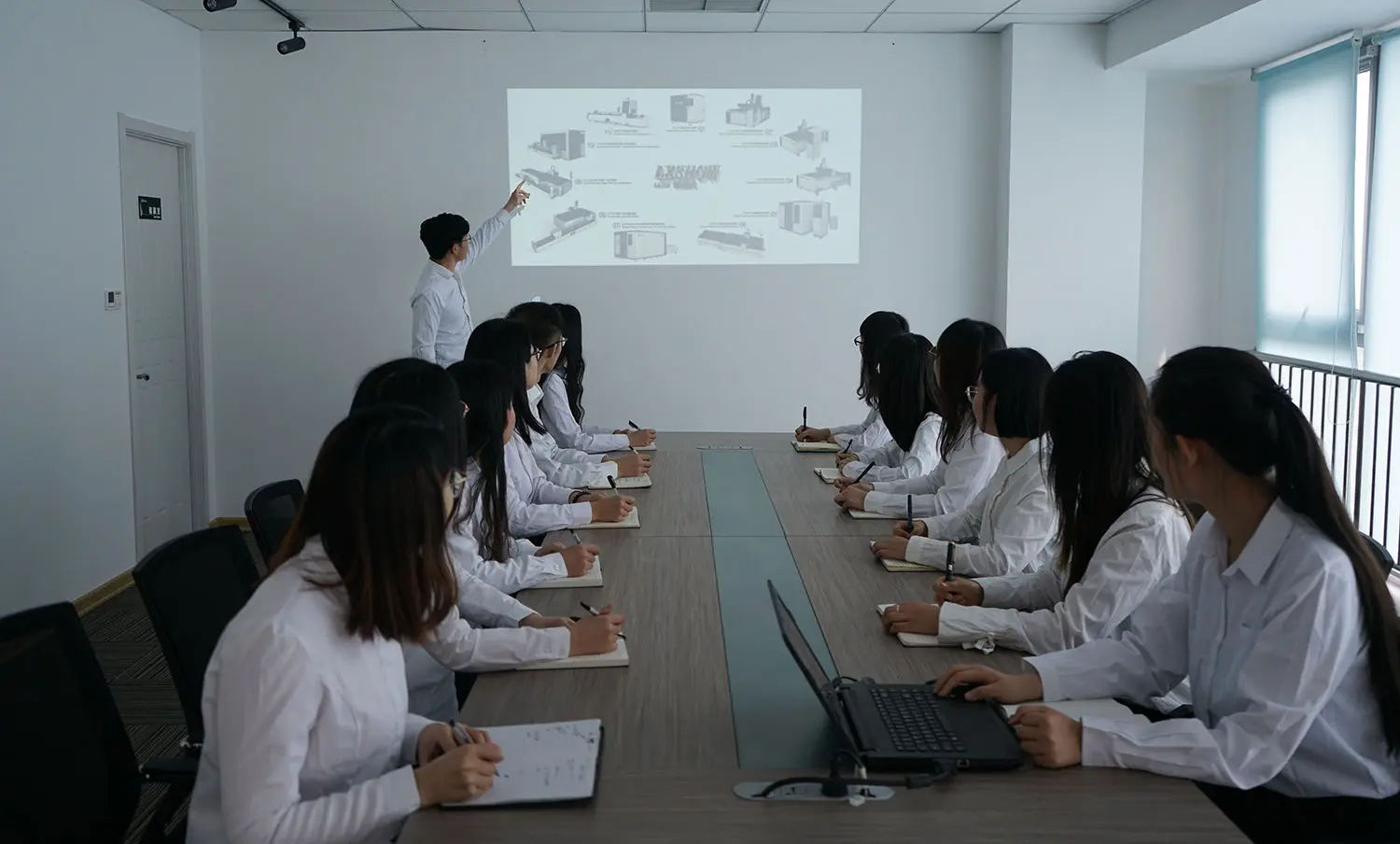
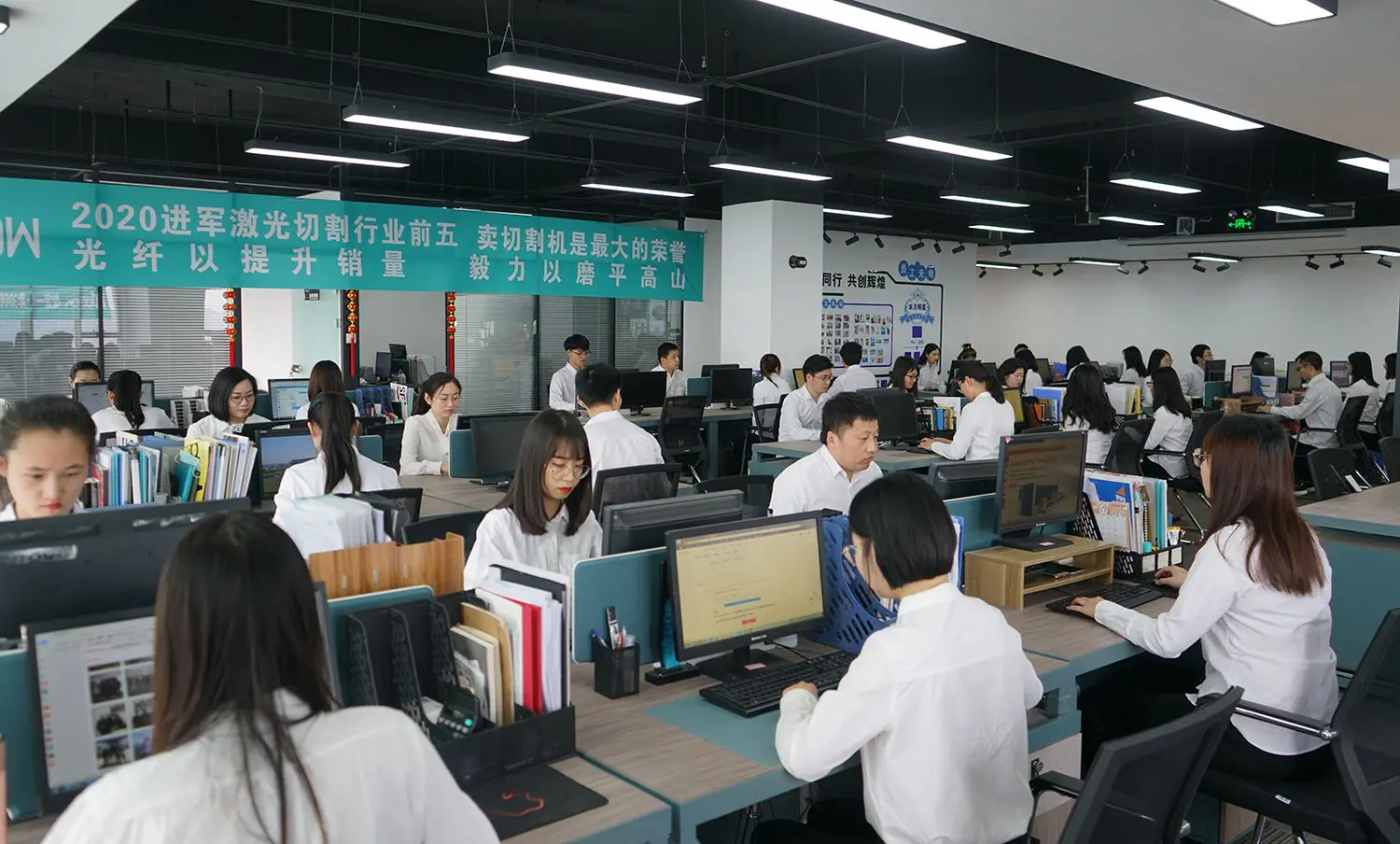
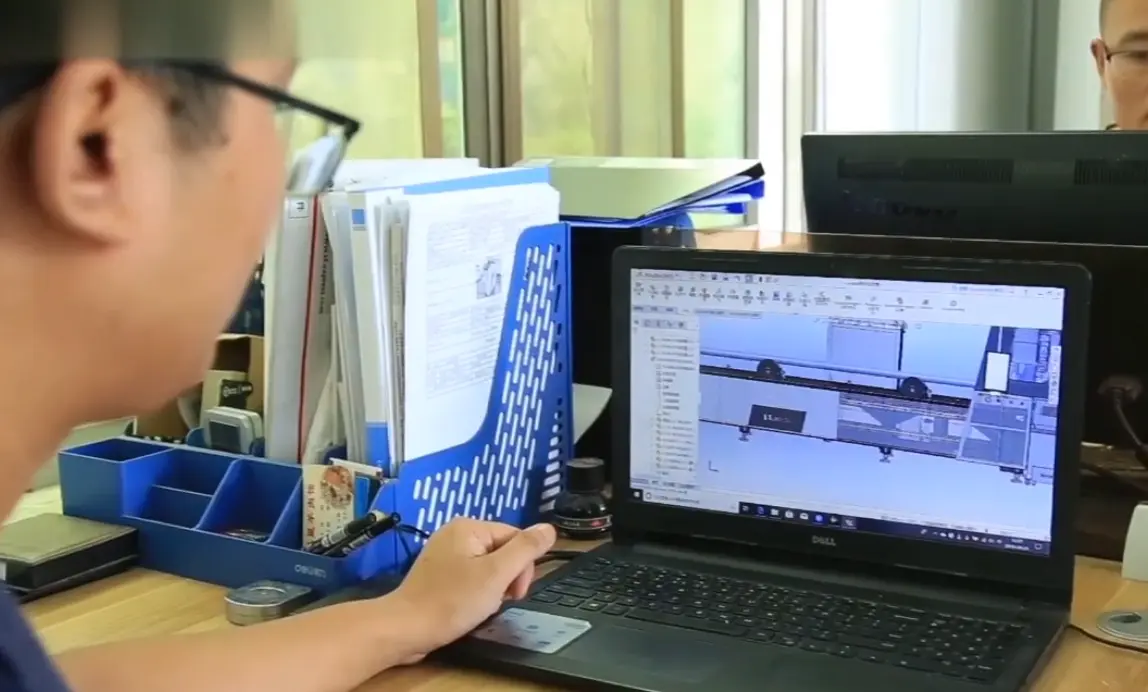
Manufacturing an affordable, high-precision laser cutting machine requires a deep understanding of structural mechanics and optical engineering. Our technical design strategy focuses on component optimization and eliminating structural inefficiencies.
We integrate industry-proven resonators (Raycus, Maxphotonics, IPG, JPT) ranging from 1kW to 30kW, matching optical output precisely with structural thermal dissipation limits.
Our structures utilize aerospace-grade extruded aluminum gantries, reducing weight to allow high axis acceleration without flexing or losing alignment.
High-precision linear motors or heavy-duty ball screws paired with helical racks ensure positioning accuracy up to ±0.02mm, providing precise edge finishes.
Compatible with Cypress (CypCut) CNC systems, our software includes automatic nesting to minimize material scrap and optimize path generation for cutting.
Additionally, the mechanical design of our entry-level systems shares the same structural framework as our high-power industrial models. For instance, our mini-precision cutters (like the LX0640G) utilize high-acceleration linear motors and ball screw transmissions to achieve stable, precise cuts for electronics and jewelry, demonstrating that compact and cost-effective designs do not require compromising on precision.
Fiber laser technology is highly versatile, supporting fabrication across a wide range of industries. Our machines are used in sectors including **automotive manufacturing, commercial aerospace, agricultural machinery, architectural metal fabrication, food-grade kitchenware, electrical cabinet production**, and **high-impact signage**.
The cutting mechanics depend on the material's thickness and physical properties. For example, high-power systems (ranging from 12kW to 30kW) cut thick carbon steel and stainless steel plates efficiently. Meanwhile, smaller, focused lasers process highly reflective non-ferrous metals like copper and aluminum with clean edge finishes.
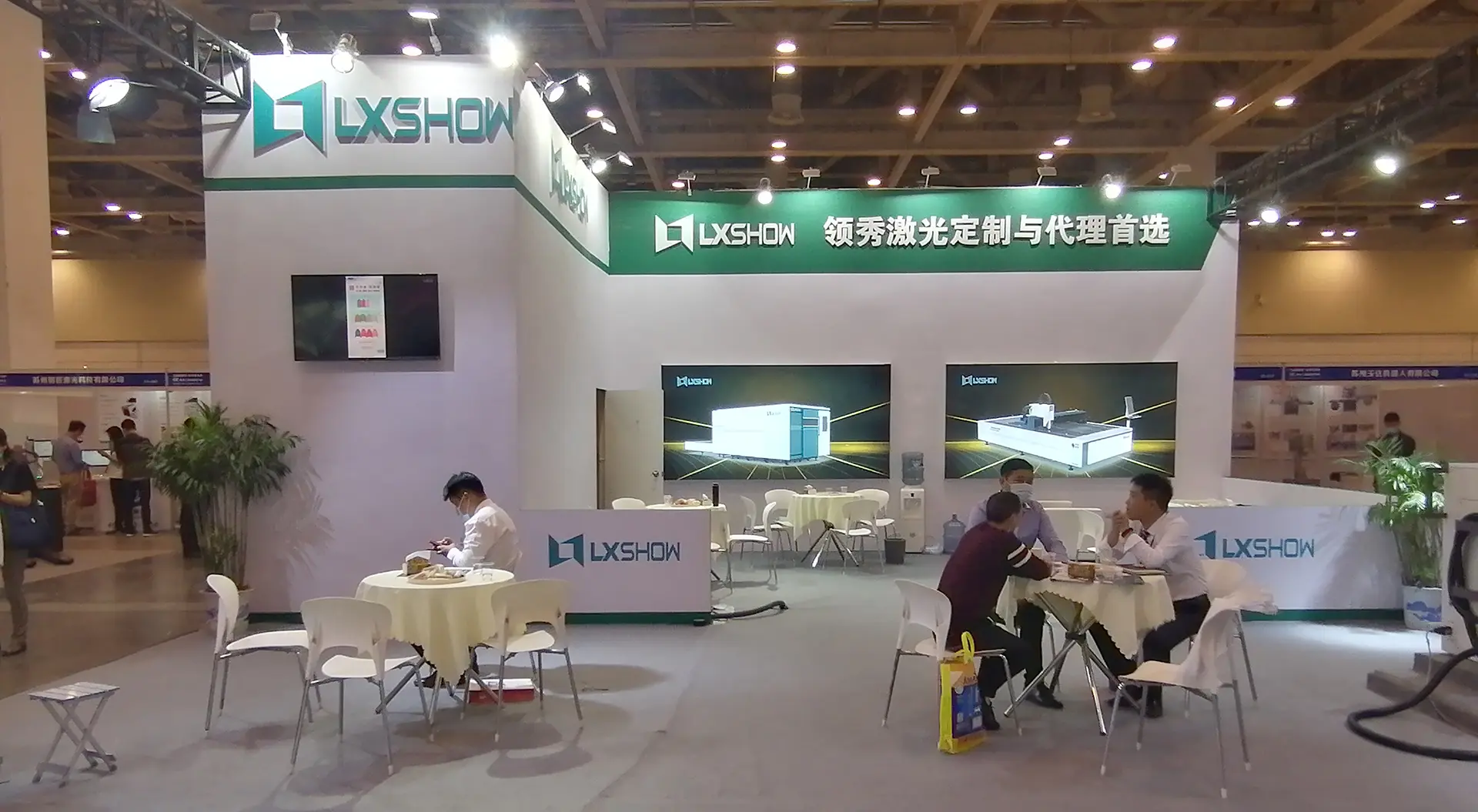
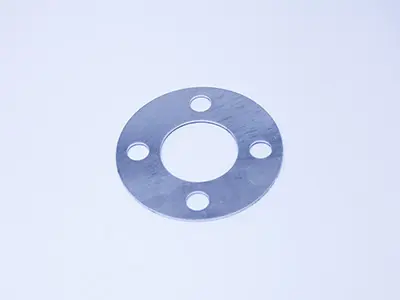
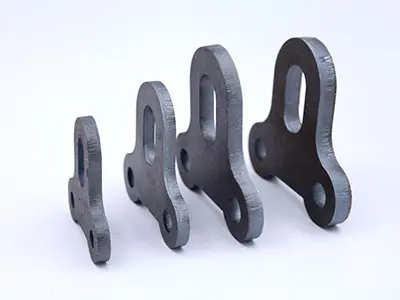
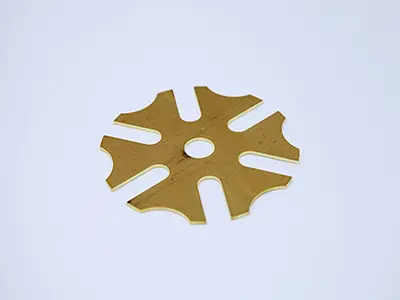
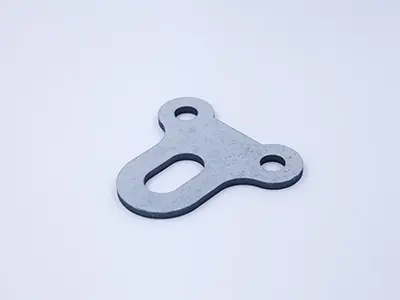
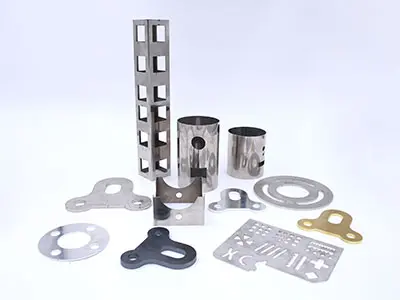
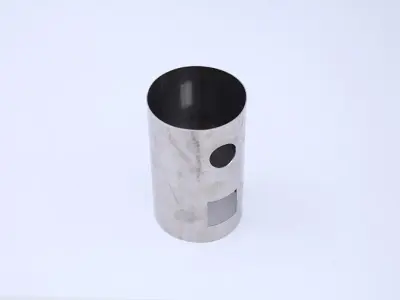
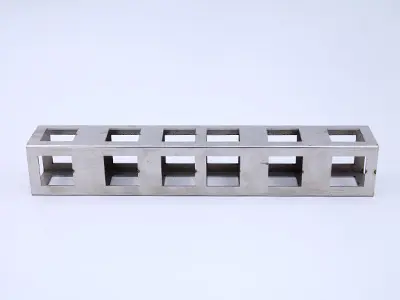
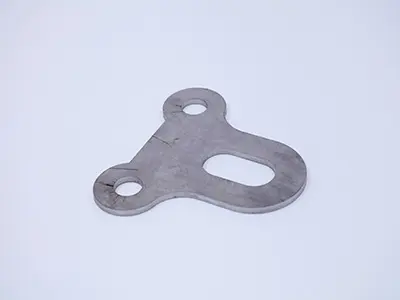
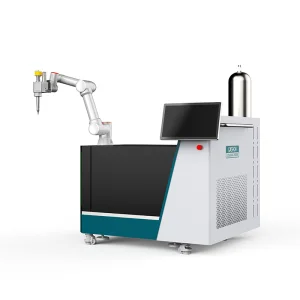
Industrial laser machines are shifting from isolated cutting units to fully integrated parts of the smart factory ecosystem. Our laser cutting, welding, and cleaning systems are engineered to integrate directly with modern manufacturing setups:
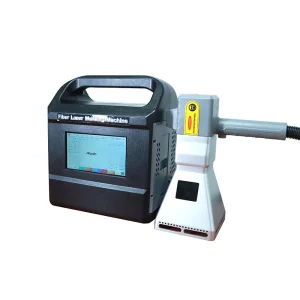
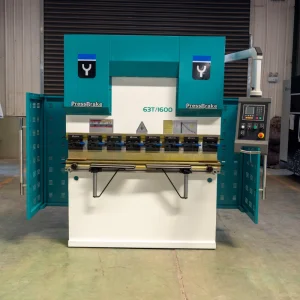
By designing and manufacturing these complementary systems—ranging from fiber laser marking systems to heavy-duty hydraulic press brakes (such as the WE67K and WC67K series)—we provide complete, factory-wide metal fabrication solutions. This helps factories optimize their layout, minimize bottlenecks, and improve overall operational efficiency.
International shipping of heavy industrial machinery requires strict adherence to regulatory standards and reliable field service. Our commitment to quality begins with compliance, ensuring all machinery meets the requirements of key international certifications:
Ensures compliance with all European health, safety, and environmental protection standards, including electromagnetic compatibility and optical safety regulations.
Guarantees that our Class IV laser systems integrate necessary safety interlocks, light guards, and protective enclosures to protect operators.
Certifies that our manufacturing processes, component sourcing, and testing protocols adhere to strict international quality control guidelines.
To support our global customers, we maintain a dedicated technical team that provides remotely guided troubleshooting and hands-on installation support. This is designed to help operators transition smoothly to using new equipment, reducing startup times and keeping production running efficiently.
Answers to key questions regarding the selection, installation, and operation of cost-effective fiber laser cutters.
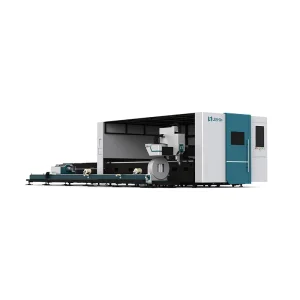
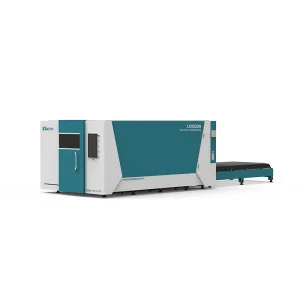
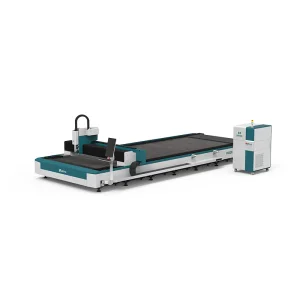
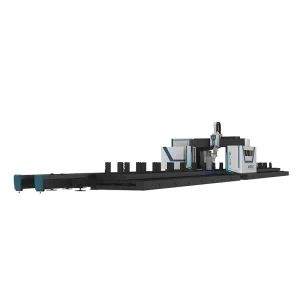
Browse our full catalog of fiber laser cutters, high-capacity benders, automatic tube processing lines, and laser cladding systems.
 Lxshow