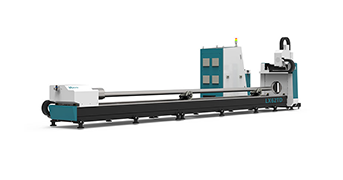
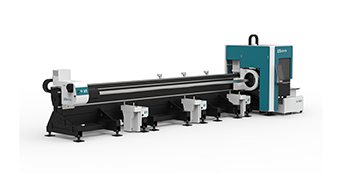
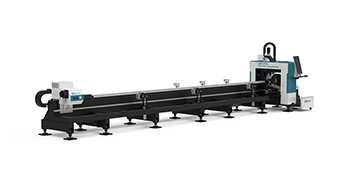
Premium CNC Machining, Welding, Cleaning, and Bending Solutions Engineered for Global Industry 4.0 Operations
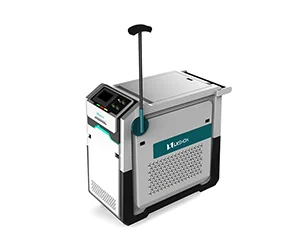
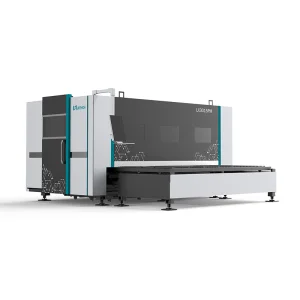
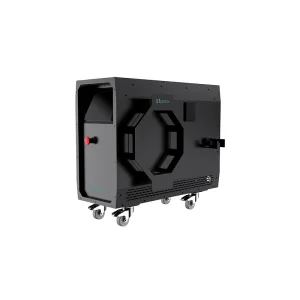
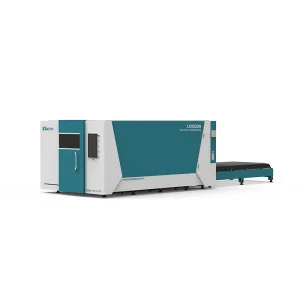
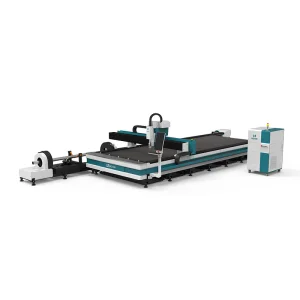
Understanding Capital Expenditure (CAPEX), Operational Cost Drivers, and Global Supplier Optimization
The cost of laser cutting systems is determined by several core subsystems: the fiber laser generator, the CNC controller, the motion system (gantry, servomotors, gearboxes), the optical cutting head, and structural safety enclosures. Selecting the right components directly balances performance against capital requirements.
| System Component | Typical Cost Contribution (%) | Key Impact on Production Metrics | Upgrade Options & Cost Trade-offs |
|---|---|---|---|
| Fiber Laser Source (Raycus, IPG, Maxphotonics) | 40% - 60% | Cutting speed, maximum thickness limits, and material compatibility. | Upgrading from 3kW to 12kW increases investment but multiples thick-plate processing efficiency. |
| CNC Motion Platform & Gantry | 15% - 25% | Precision, maximum acceleration (G-force), and machine lifetime. | Cast iron gantries vs. aviation-grade aluminum gantries modify thermal deformation and cycle times. |
| Laser Cutting Head (Precitec, Raytools) | 8% - 15% | Autofocus tracking, process stability, and gas dynamics. | Smart autofocus and real-time sensor heads reduce setup times and scrap rates. |
| Chiller, Extraction & Safety | 5% - 10% | Duty cycles, operator health safety, and environmental compliance. | Fully enclosed safety cabins with high-capacity dust filtration systems. |
In terms of operating costs, fiber lasers operate at electrical efficiency rates of up to 30%-40%, outperforming older CO2 technologies. Total hourly operation costs comprise assist gases (Oxygen for carbon steel, Nitrogen or compressed air for stainless steel/aluminum), electrical consumption, protective lens consumables, and nozzle wear. Deploying advanced high-pressure air systems dramatically reduces gas operational expenditures (OPEX) by up to 60%.
The modern laser cutting and metal forming industry is undergoing rapid technological convergence. Manufacturers must align with global trade requirements to remain competitive. Exporting machines to highly regulated markets like Europe, North America, and Australia demands a transparent compliance framework.
Key manufacturing centers rely on robust industrial clusters, enabling localized research, assembly, and testing. This close integration allows exporters to offer highly customizable configurations, from single-platform setups to fully enclosed exchange-table systems. This agility ensures that whether an enterprise is located in Germany, the USA, or Southeast Asia, the equipment meets local voltage standards, health and safety regulations, and automation protocols.
Industrial Dedication
Global Export Markets
Active Industrial Users
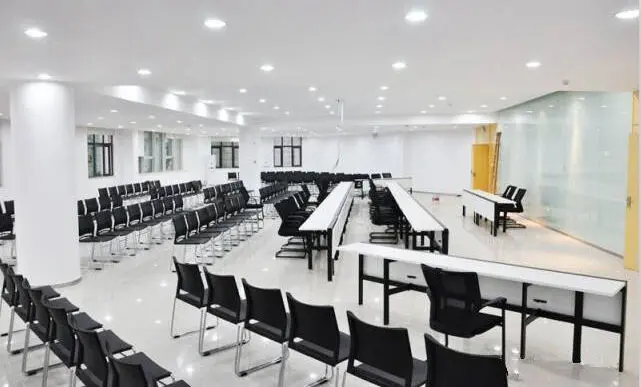
State-of-the-Art Factory
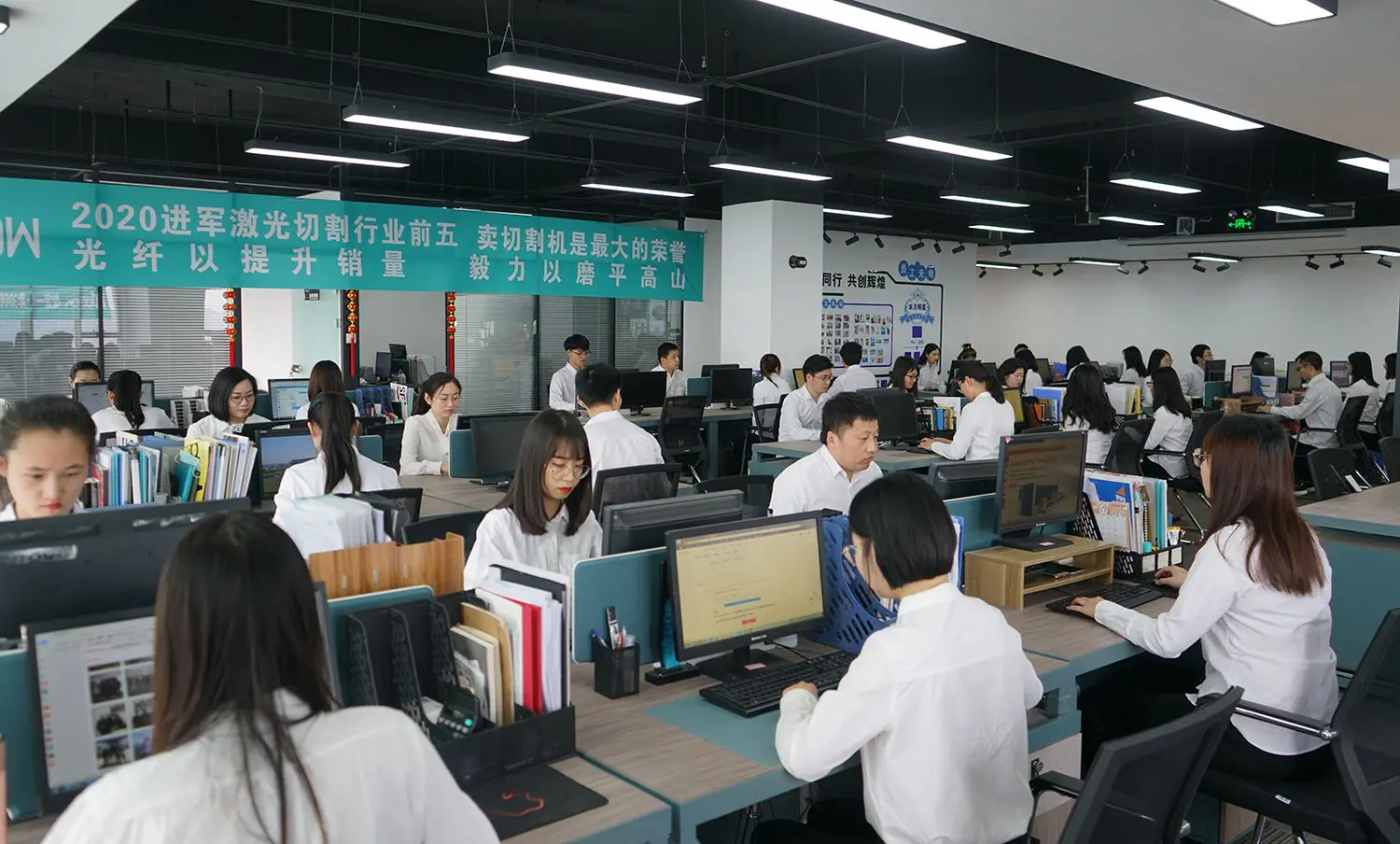
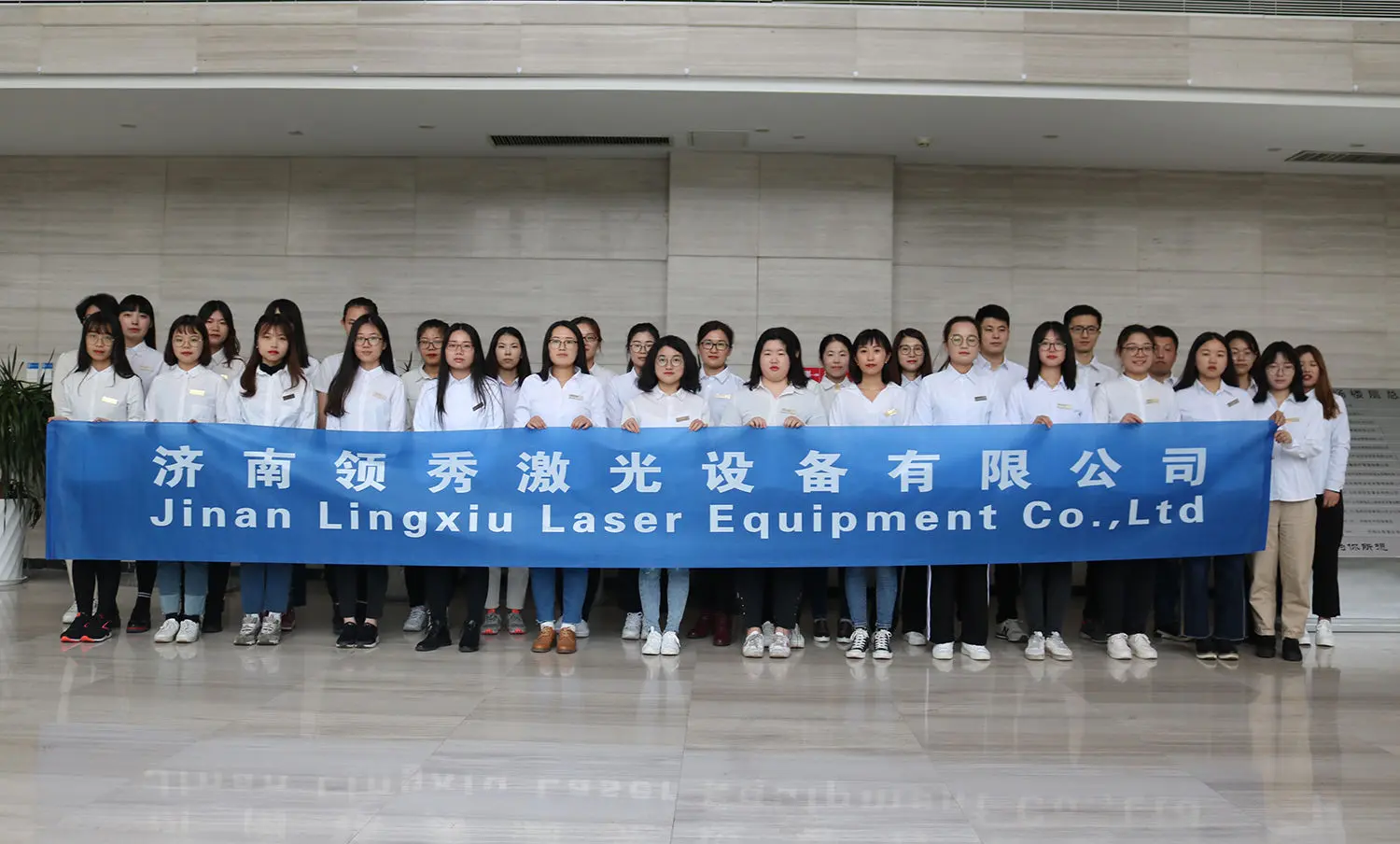
Established in July 2004, our manufacturing footprint includes over 500 square meters of specialized R&D space and a 32,000-square-meter modern production facility. Over the last 18 years, we have focused exclusively on advanced laser processing systems, shipping to more than 150 countries.
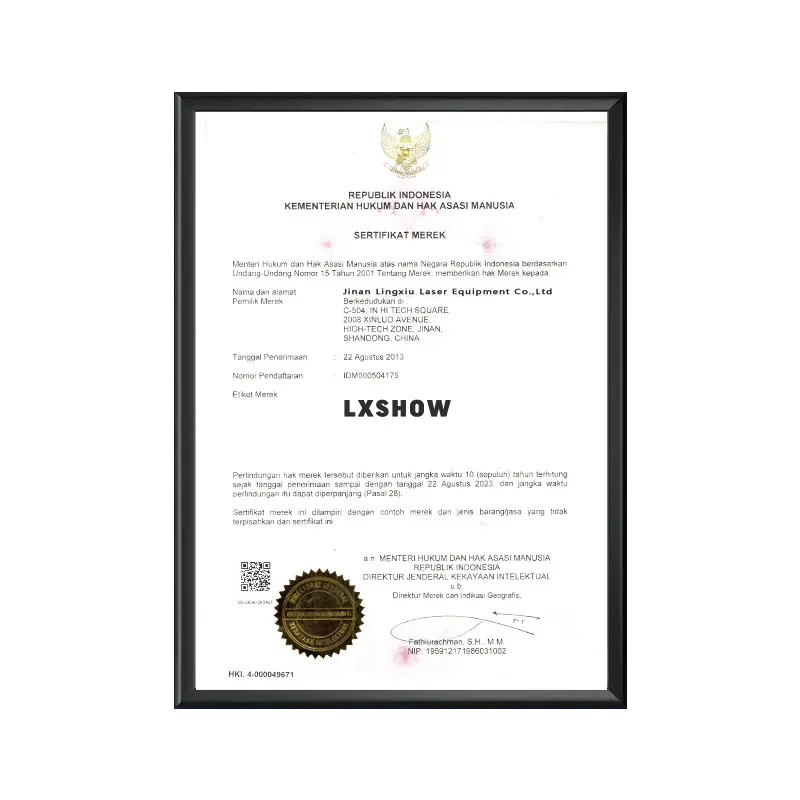
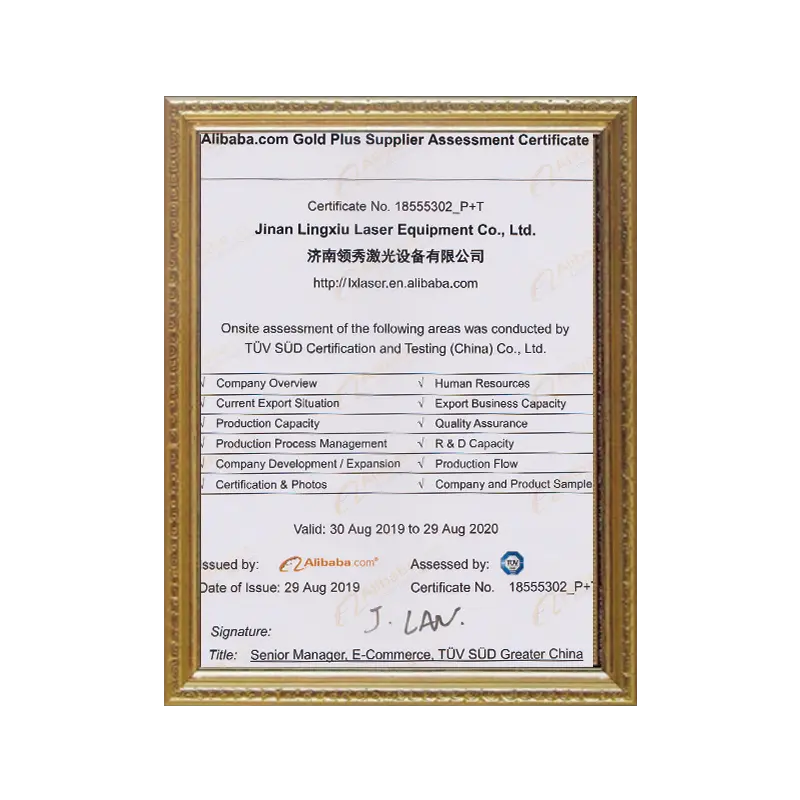
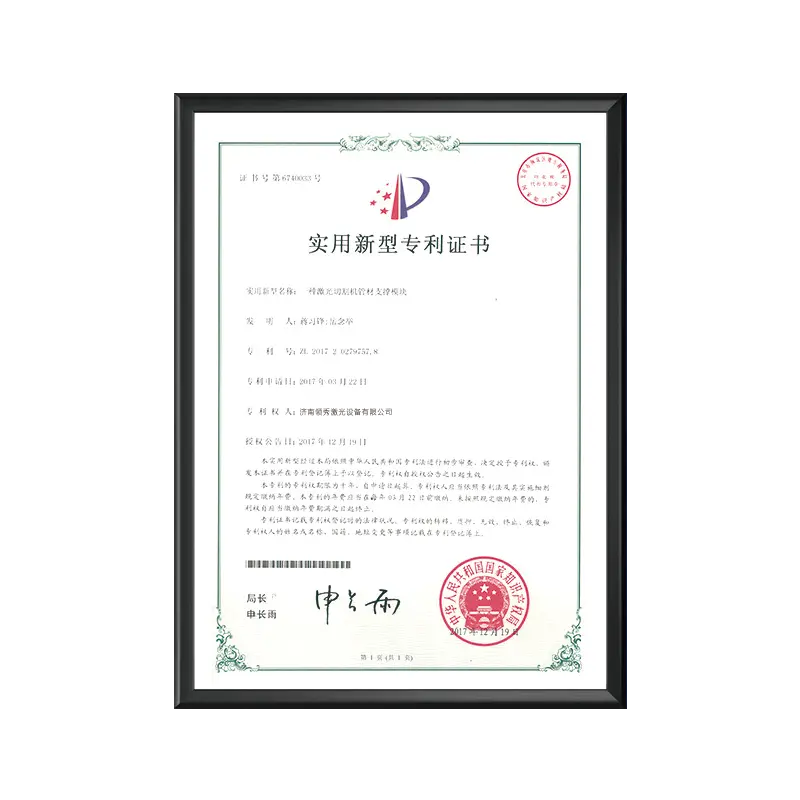
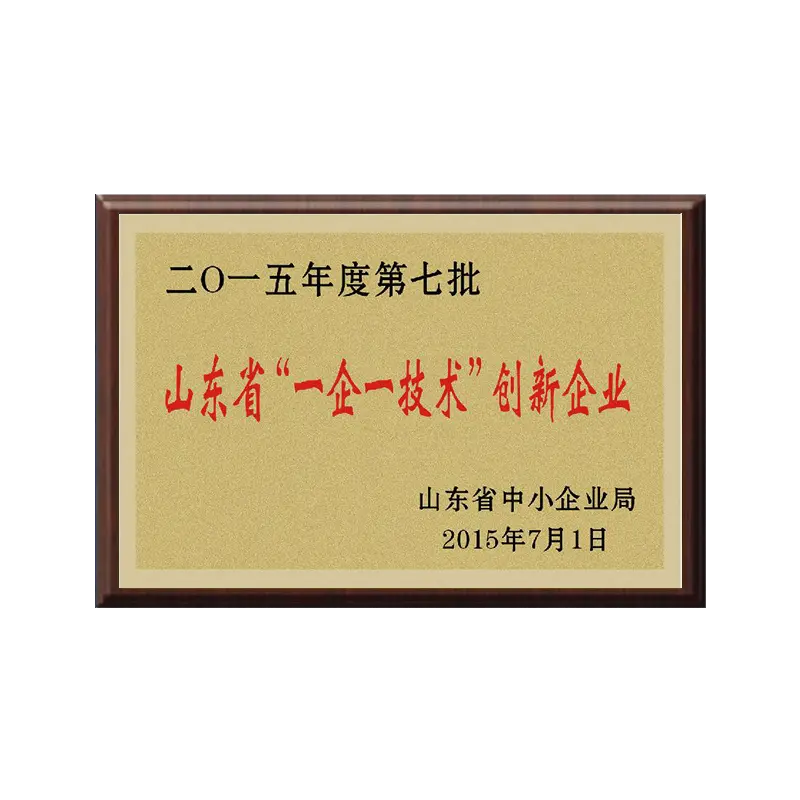
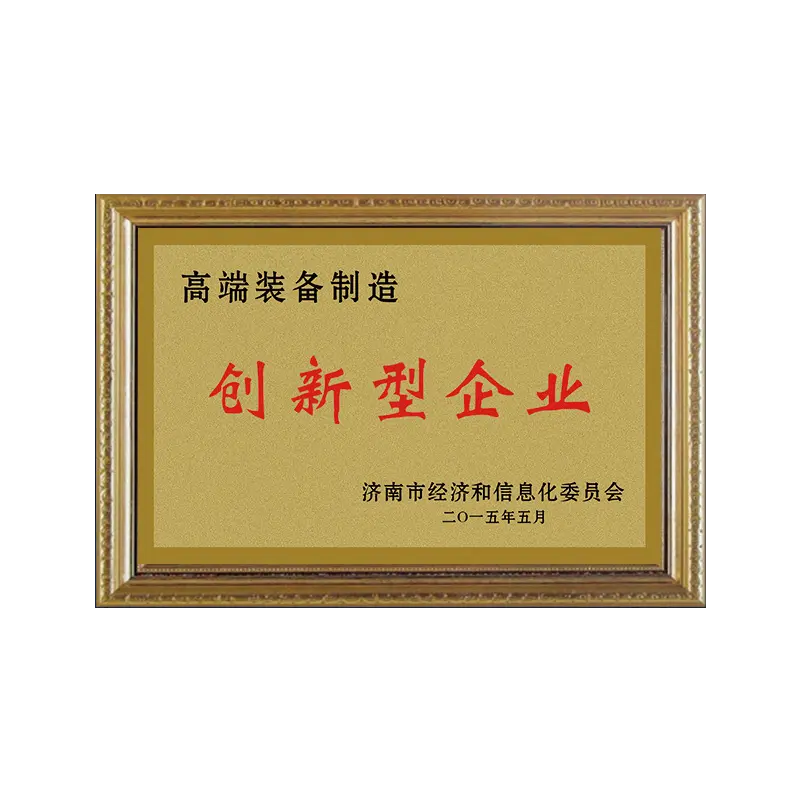
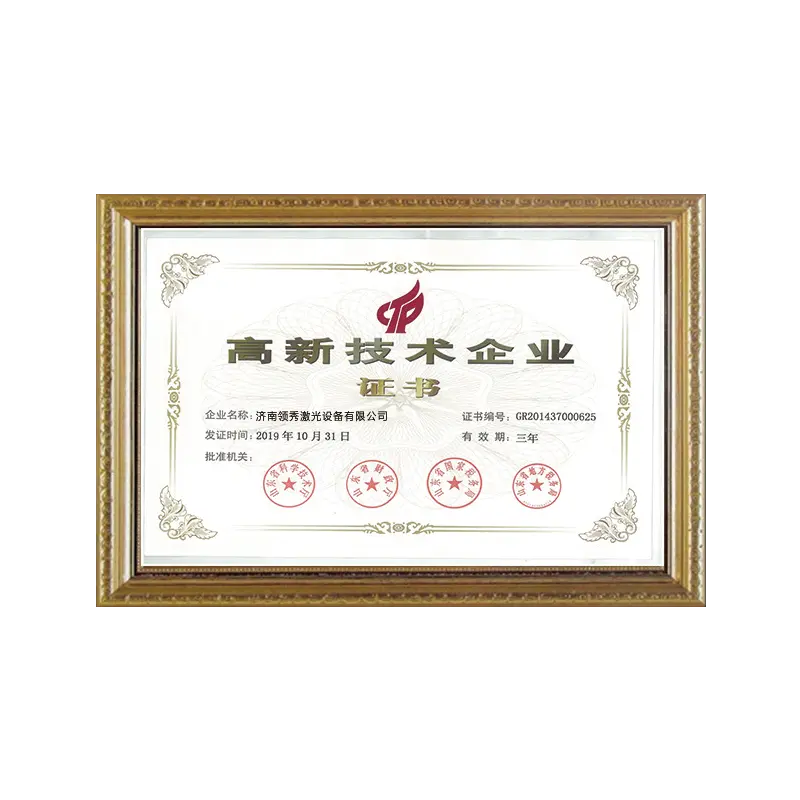
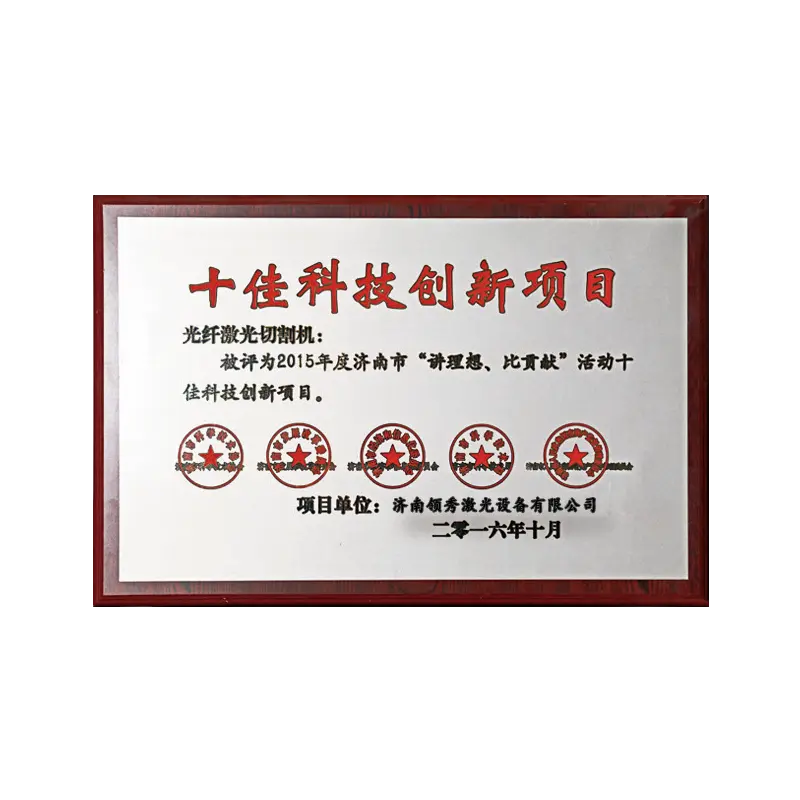
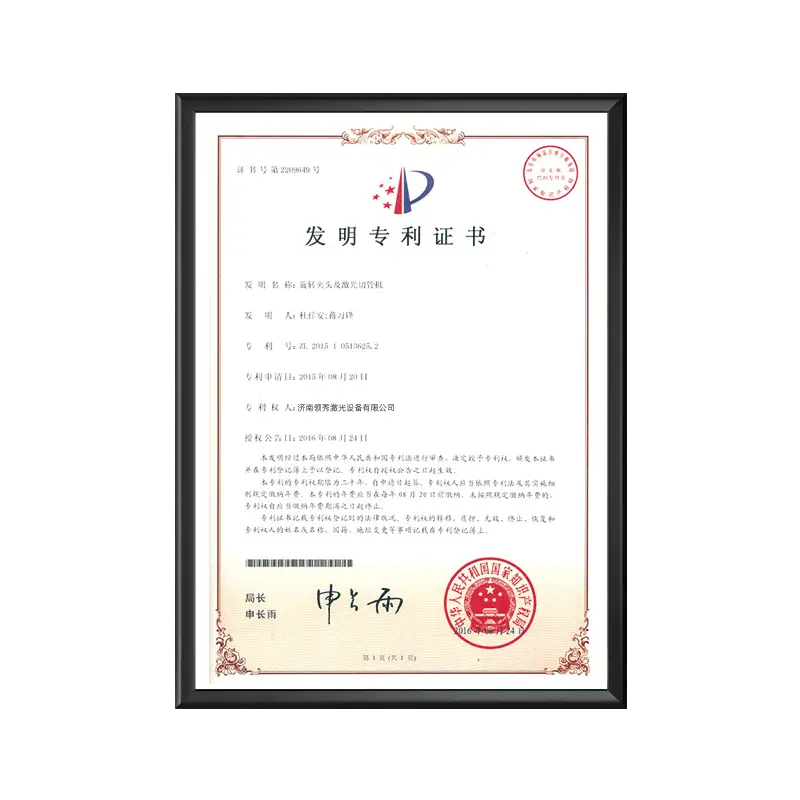
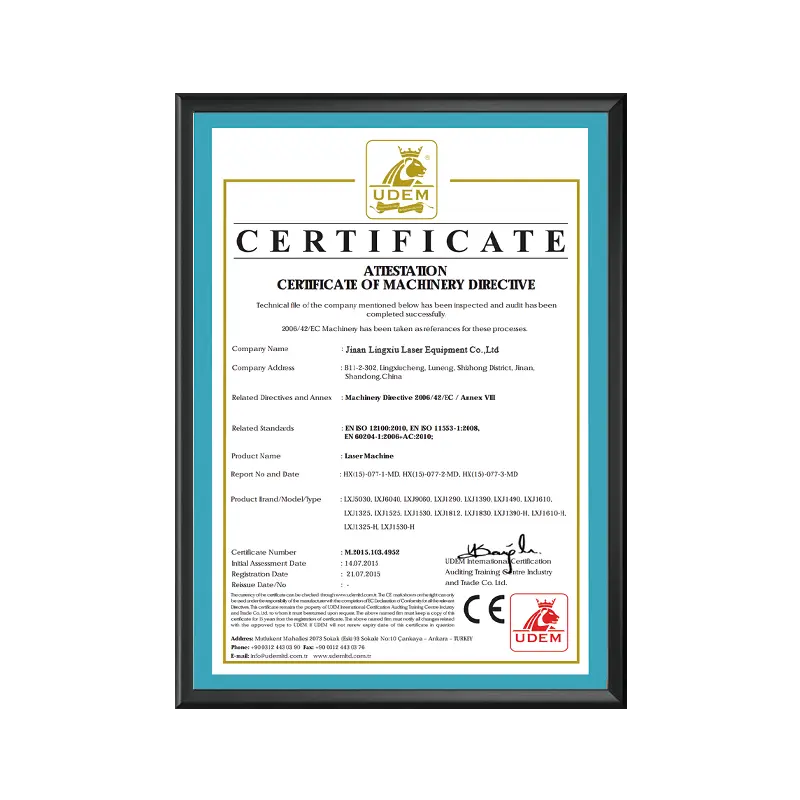
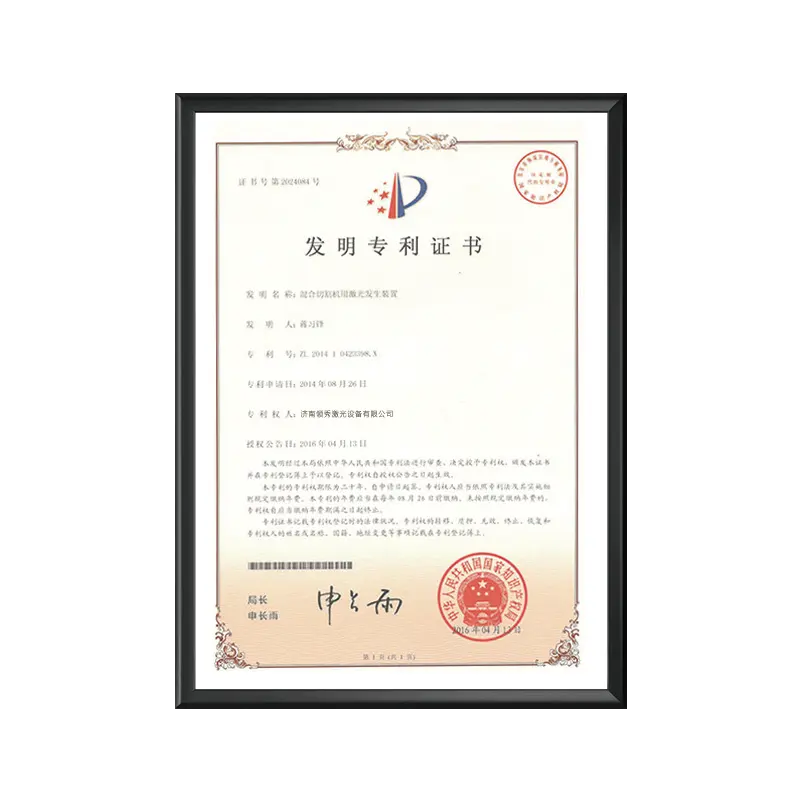
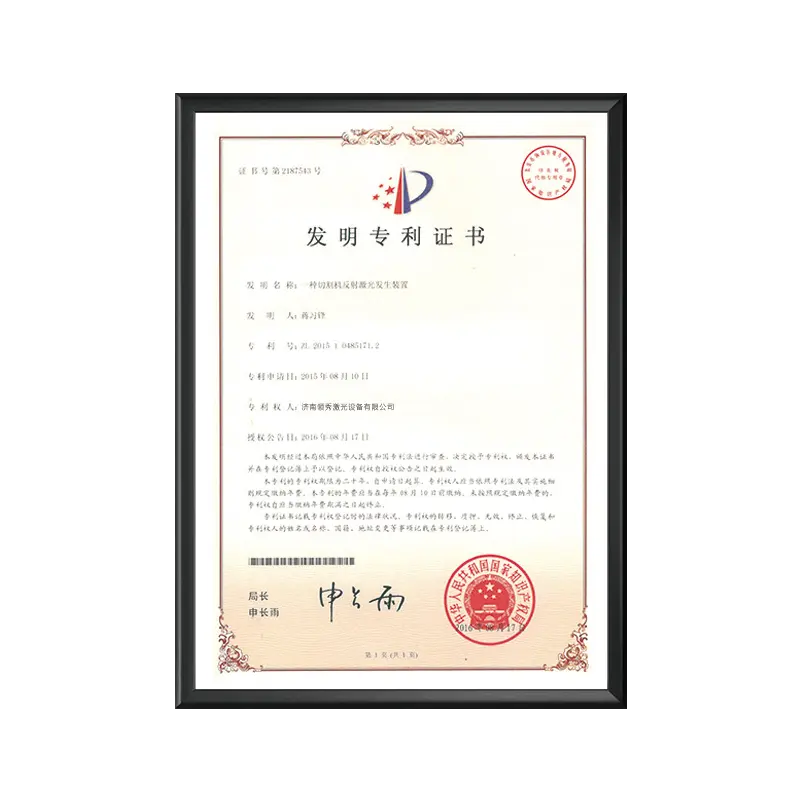
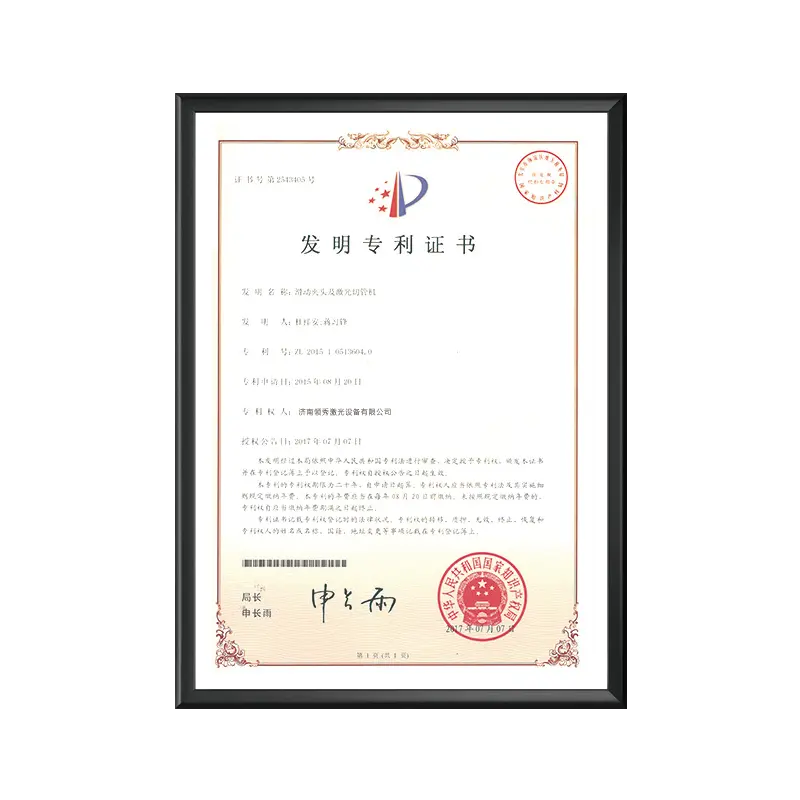
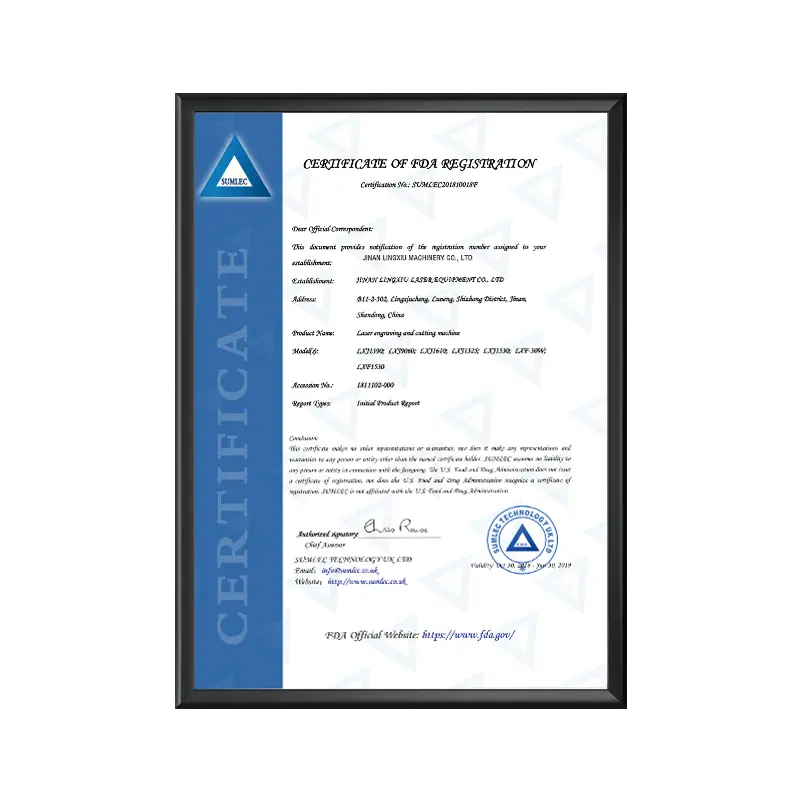
All equipment is engineered to meet strict international standards, having achieved European Union CE authentication, the American FDA certificate, and ISO 9001 certification. By acting as an OEM partner for over 30 leading international machinery brands, we have built a manufacturing infrastructure that supports custom specifications, fast lead times, and reliable components.
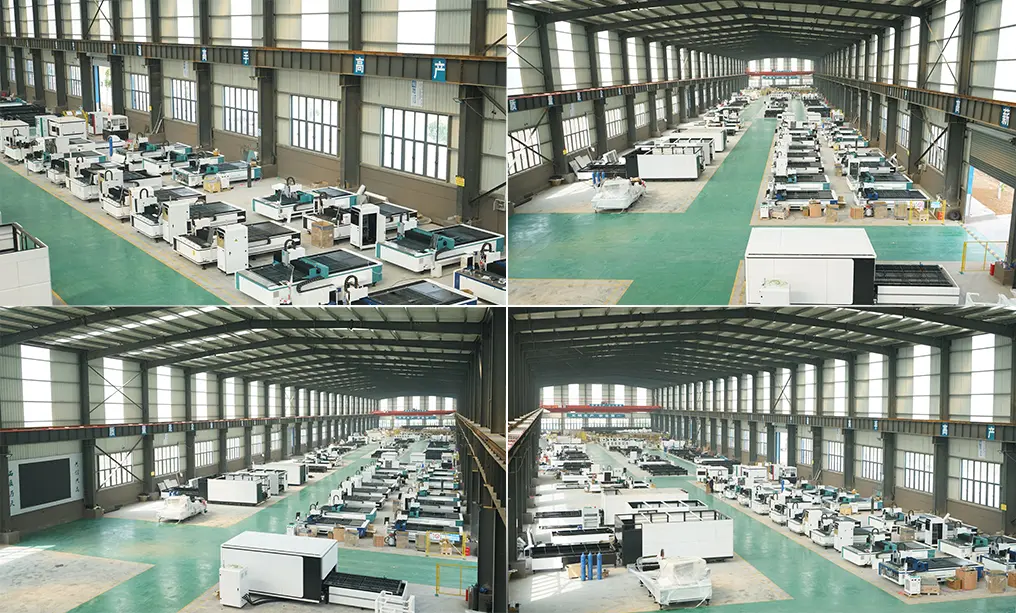
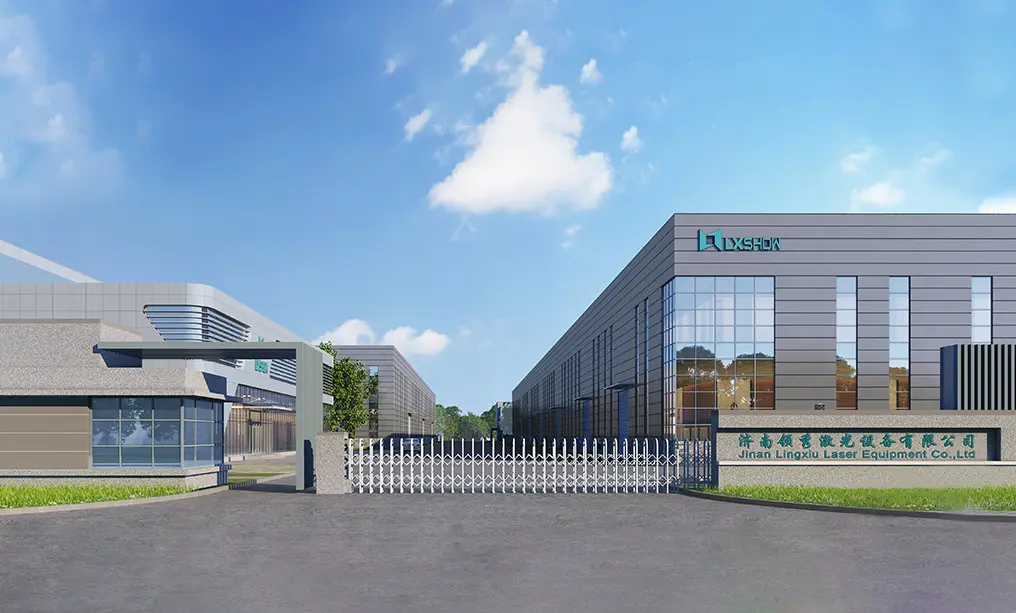

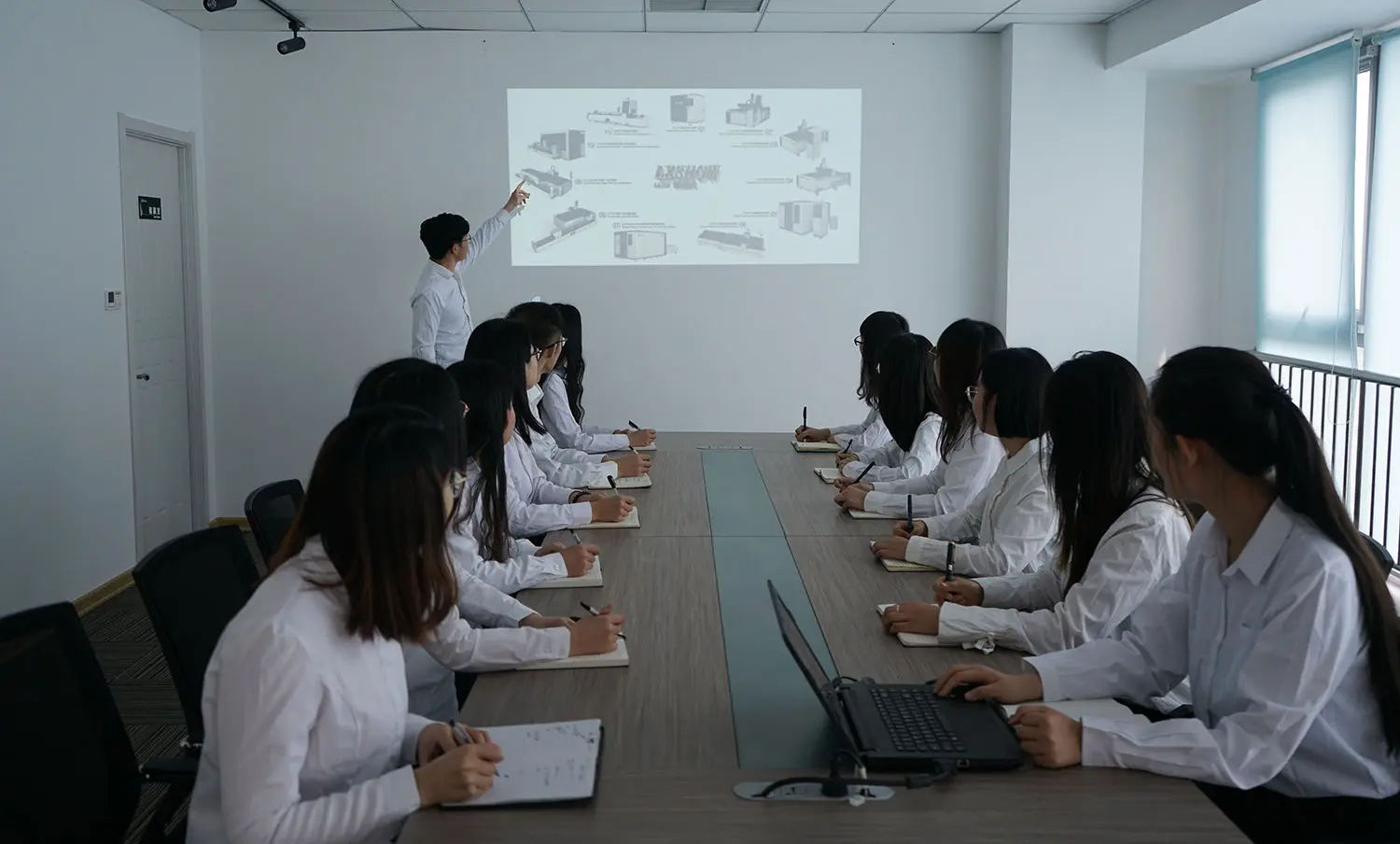
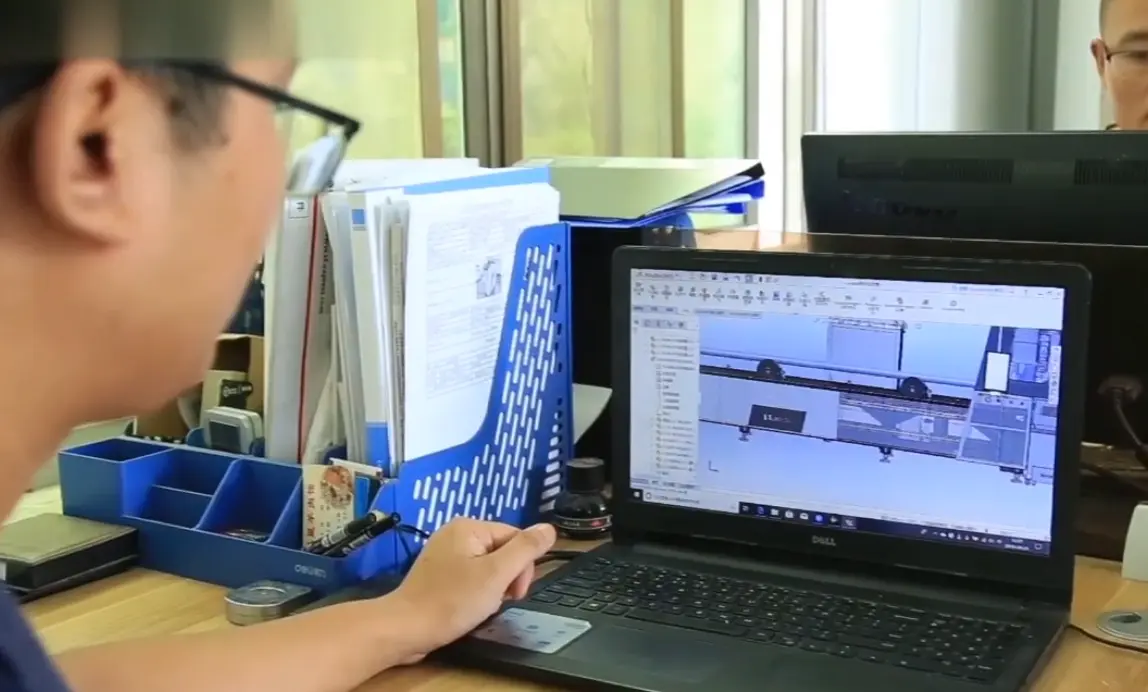
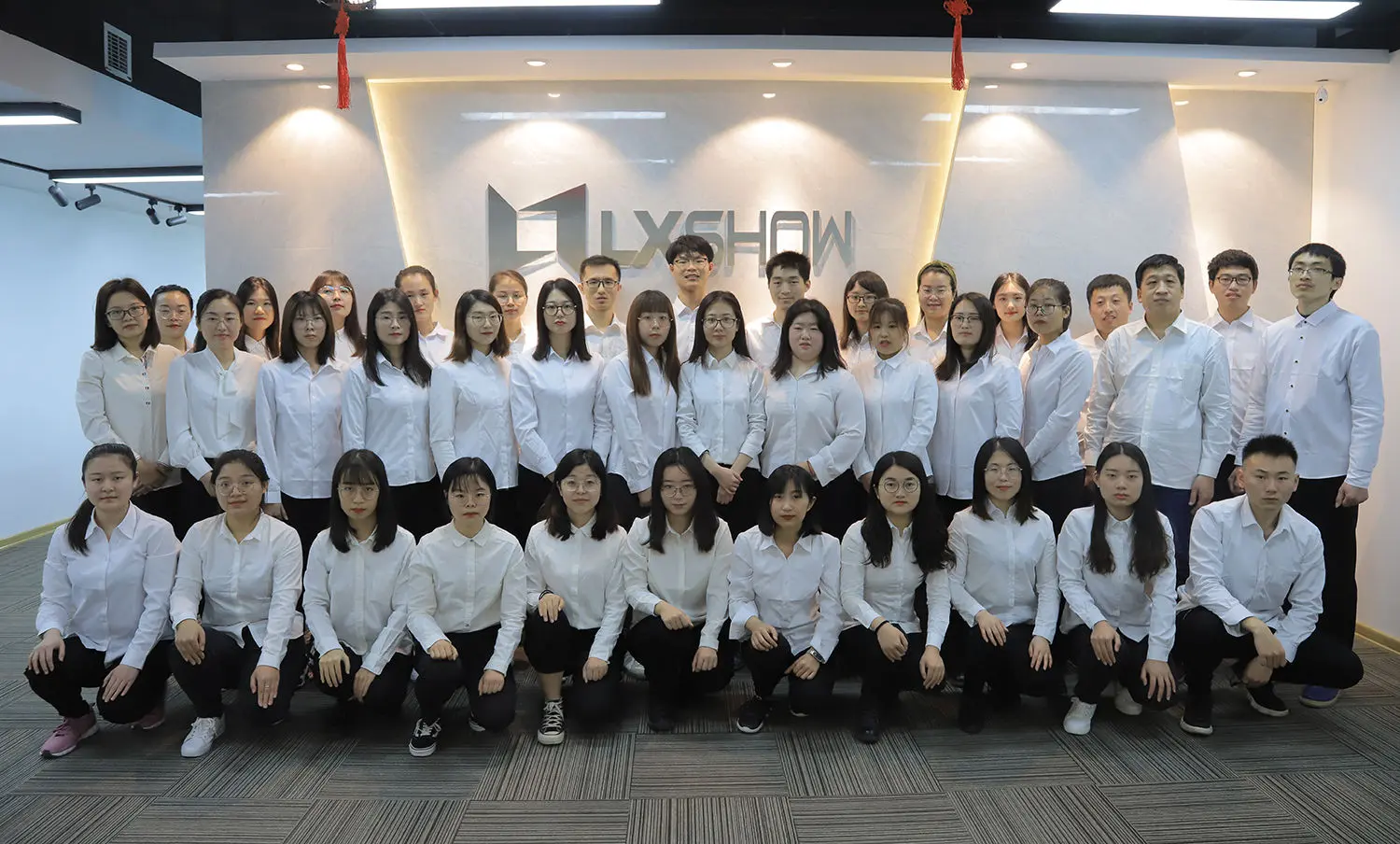
Our factory houses distinct specialized units, including design, sales, quality assurance, and assembly. This layout ensures each system is thoroughly stress-tested before dispatch, maintaining high performance during transport and installation.
Modern fabrication shops are transitioning from isolated machinery to fully integrated, cloud-connected production networks. Modern laser cutting setups act as central nodes within these systems, feeding real-time diagnostic data to Enterprise Resource Planning (ERP) systems.
By connecting laser cutting, robotic laser welding, and handheld laser cleaning, manufacturers can build synchronized production lines. Automated material handling platforms, sheet storage systems, and automated scrap sorting tools minimize manual labor. This automated approach ensures highly efficient operations and consistent output quality.
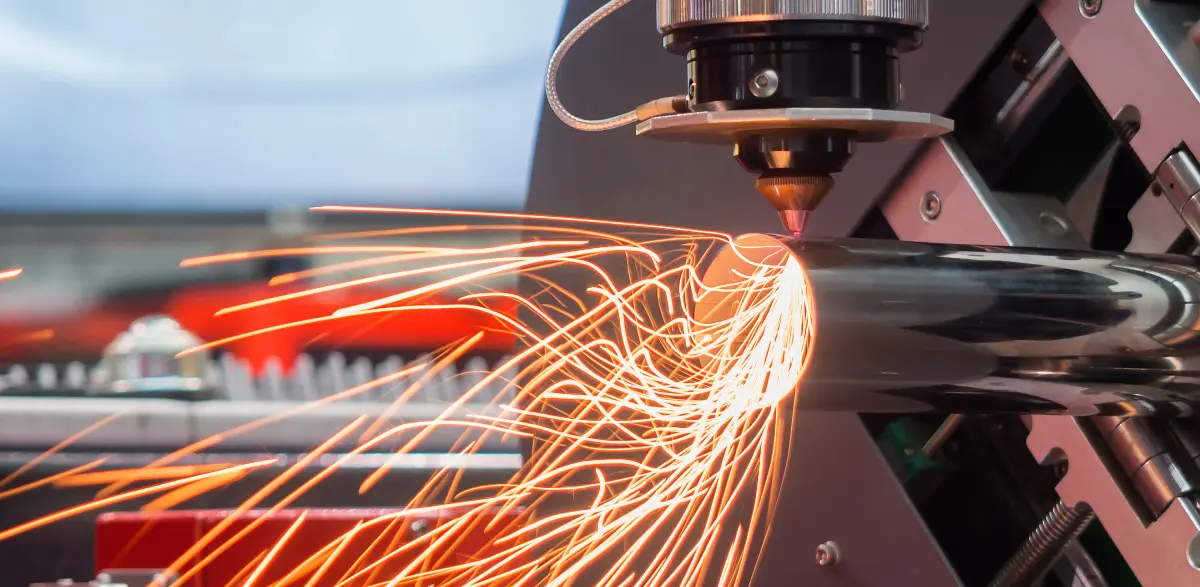
Helping World Metal Cutting: Advanced fiber laser technology in action.
Our laser systems process a wide variety of materials, from highly reflective non-ferrous metals to thick carbon steel structural plates. Adjusting assist gas mixtures and cut parameters optimizes surface quality across different metals:
 Aluminum
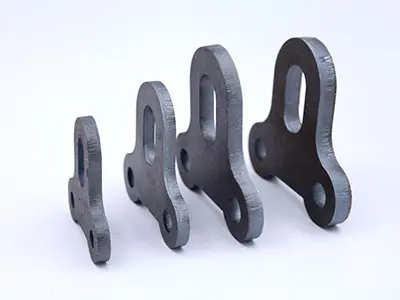 Carbon Steel
 Copper
 Galvanized
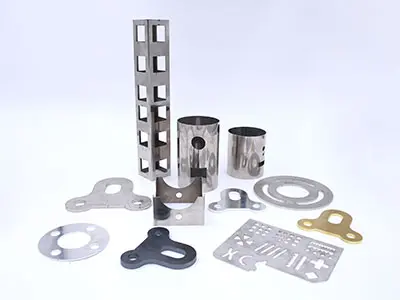 Other Metal
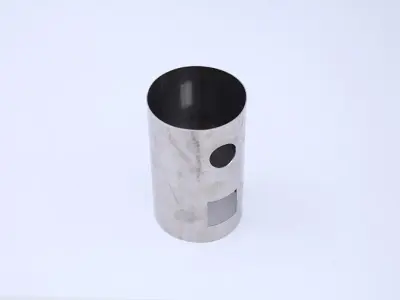 Round Tube
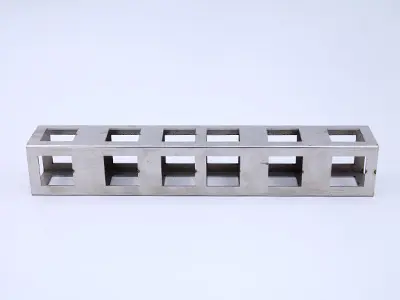 Square Tube
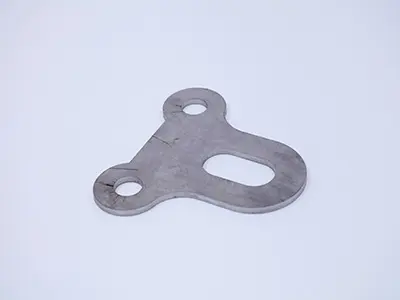 Stainless Steel
These material-processing capabilities serve key sectors worldwide, including the steel industry, packaging, gift manufacturing, automotive assembly, jewelry fabrication, aerospace engineering, general machinery, integrated circuits, and electronics.
Investing in a laser cutting machine requires a partner with a strong global service footprint. Our localization strategy focuses on rapid response times for field service, quick parts availability, and online remote diagnostics.
Regulatory compliance is essential. Achieving FDA certification and CE compliance confirms that our machines meet international laser radiation controls, double-interlock safety loops, and emergency shutoff standards. This focus on safety and compliance helps streamline customs approval and installation worldwide.
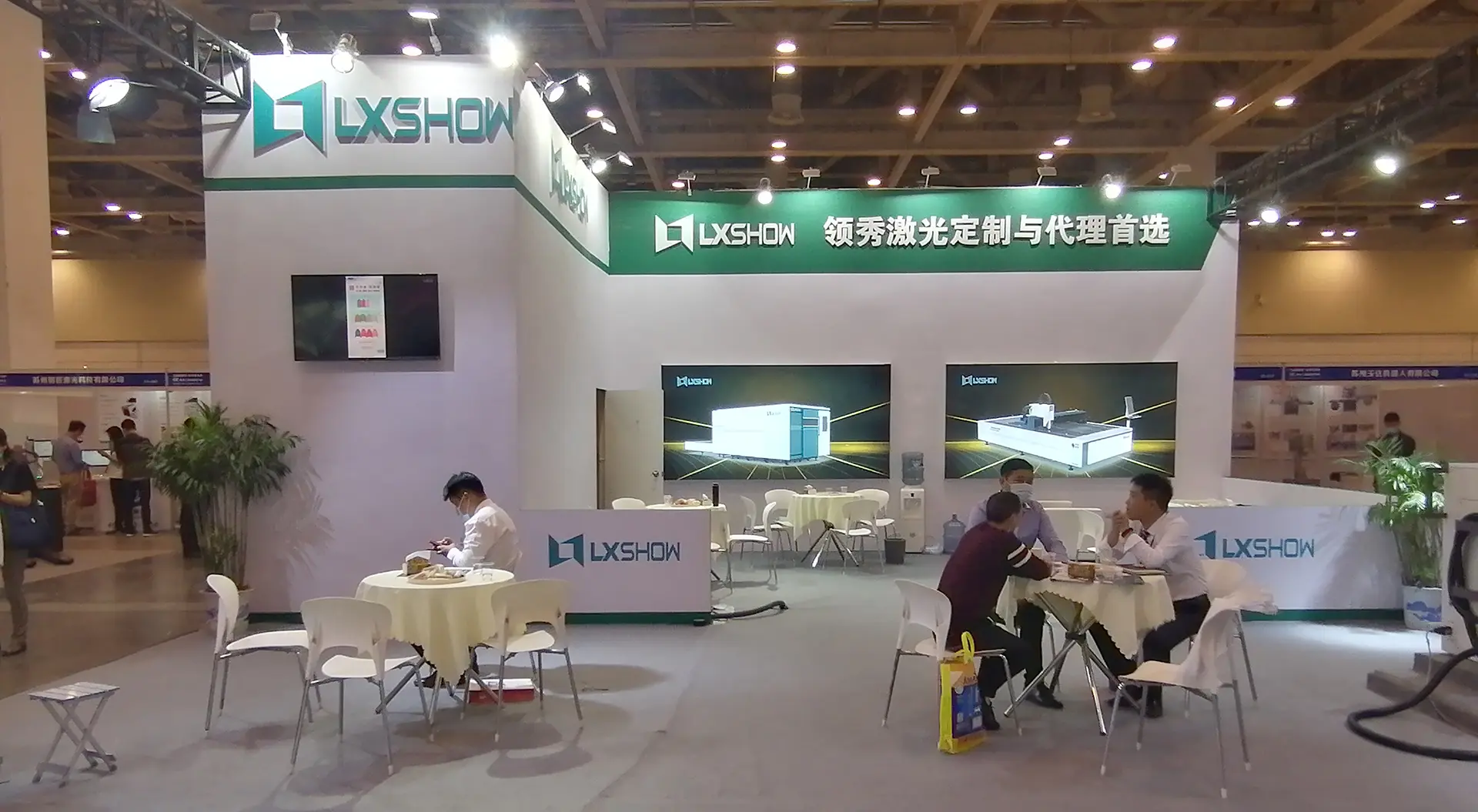
Technological Innovation and Excellence: Advanced fiber laser platform design.
The sheet metal industry is moving toward higher laser powers, with 30kW, 40kW, and even higher capacities becoming common for heavy-duty metal fabrication. High-power systems speed up carbon steel processing and enable clean Nitrogen and air cuts on thick stainless plates.
Looking ahead, we are focusing on integrating real-time optical sensing and AI-assisted cutting adjustments to optimize operations automatically. By minimizing consumable wear and optimizing gas flows, these technologies help lower total operational costs. Our goal is to rank among the top global providers of intelligent laser solutions, supporting manufacturers worldwide in building smarter, more efficient factories.

Key Procurement and Engineering Questions Answered by Industry Experts
Complete Metalworking Solutions: Tube Laser Cutters, CNC Benders, Cleaners, and Welders
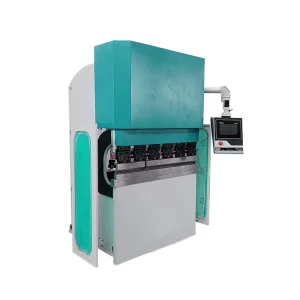
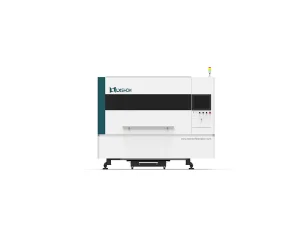
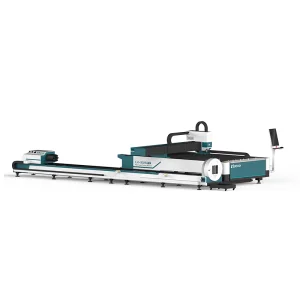
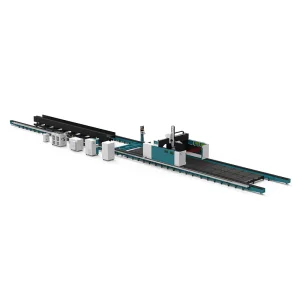
Advanced Plate and Tube Fabrication Systems
In-Depth Technical Solutions for Cladding, Cleaning, Welding, and Precision Cutting
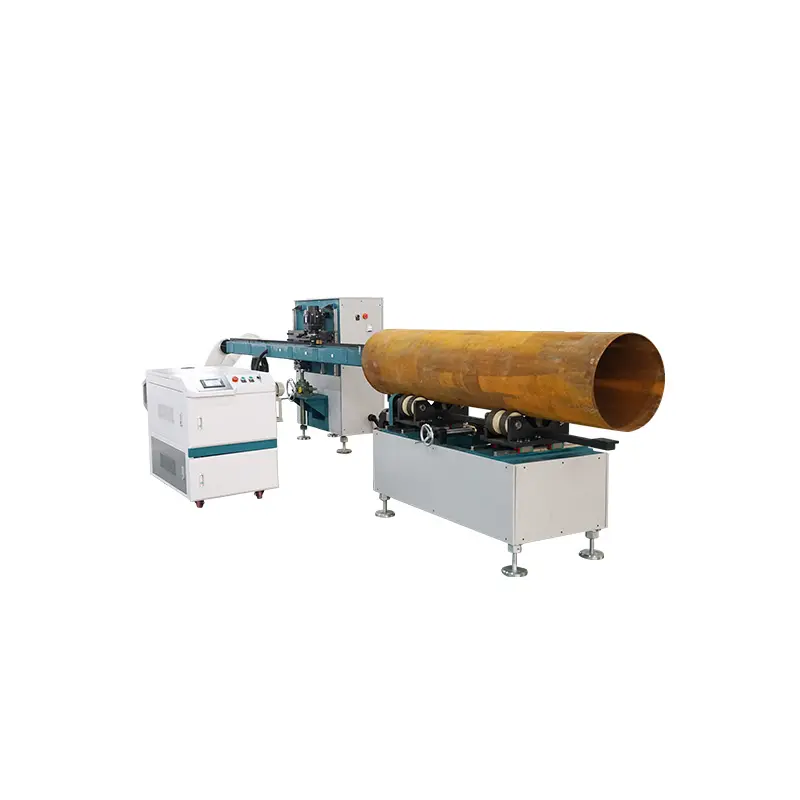
Designed to help users achieve stable, long-term batch cladding and surfacing of thick plates and shafts.
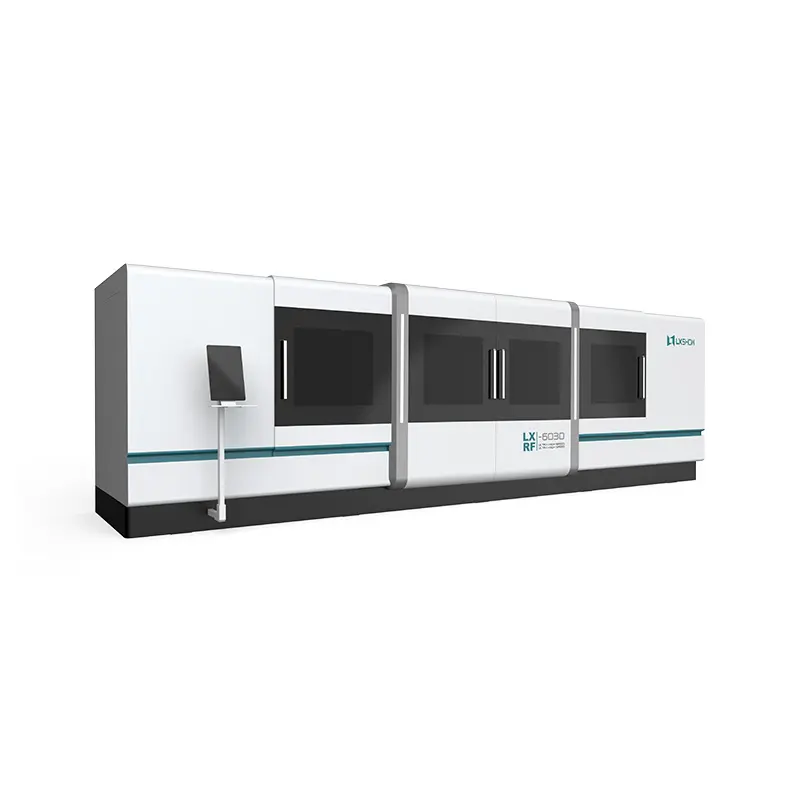
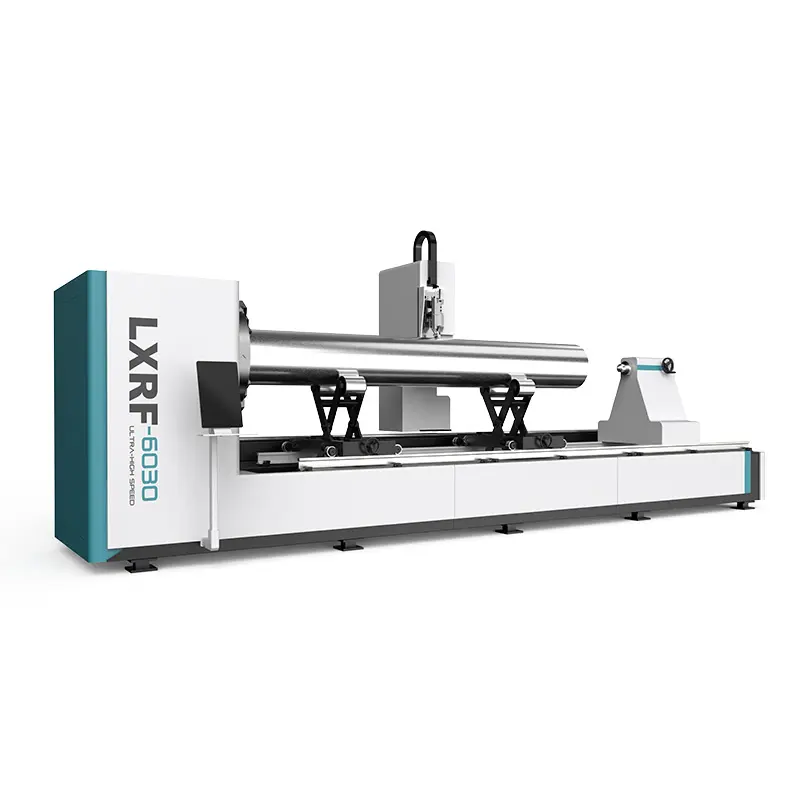
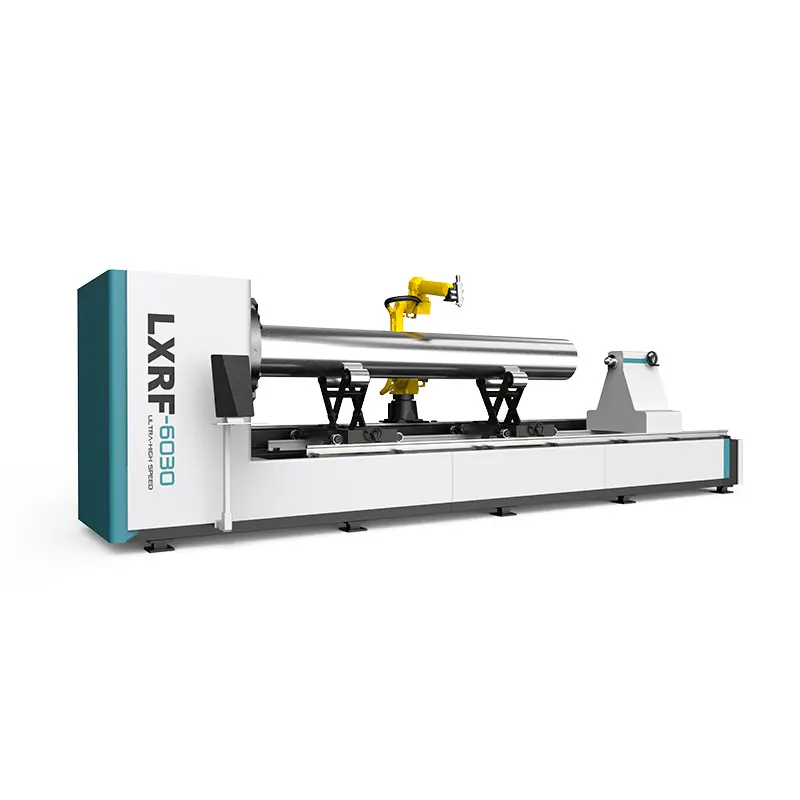
Industrial solutions for rust, oxidation, paint, and coating removal from carbon steel and stainless steel surfaces.
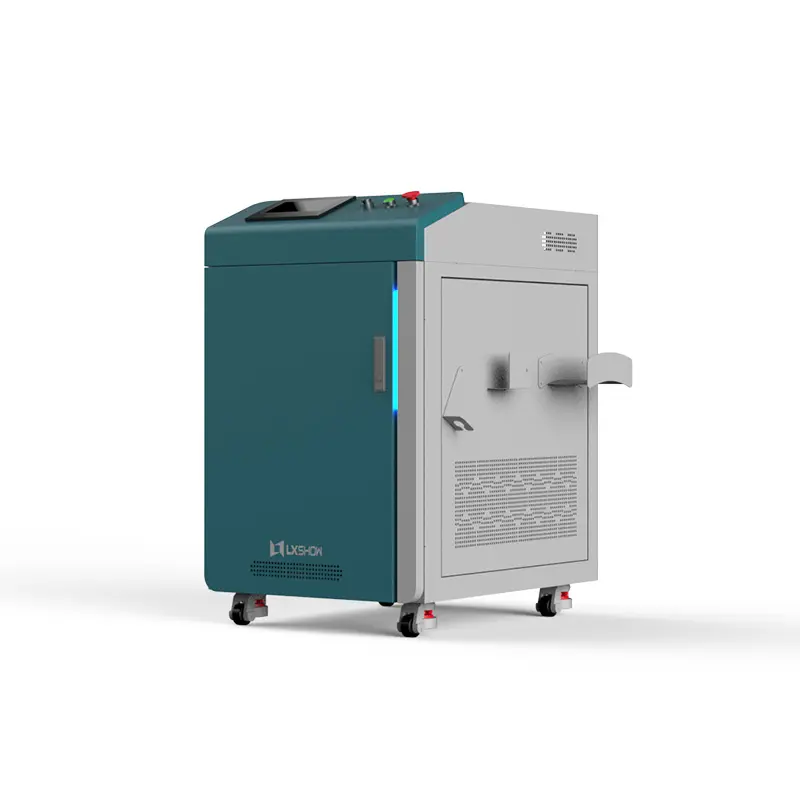
Handheld and automatic welding machines offering high-speed joints and low thermal distortion.
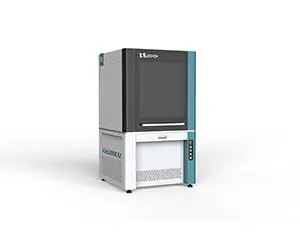
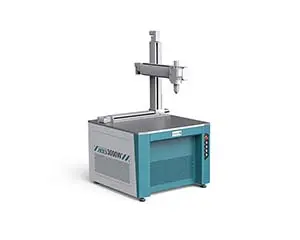
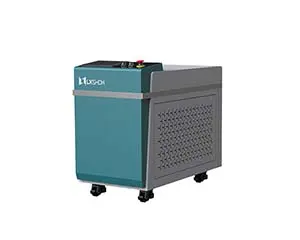
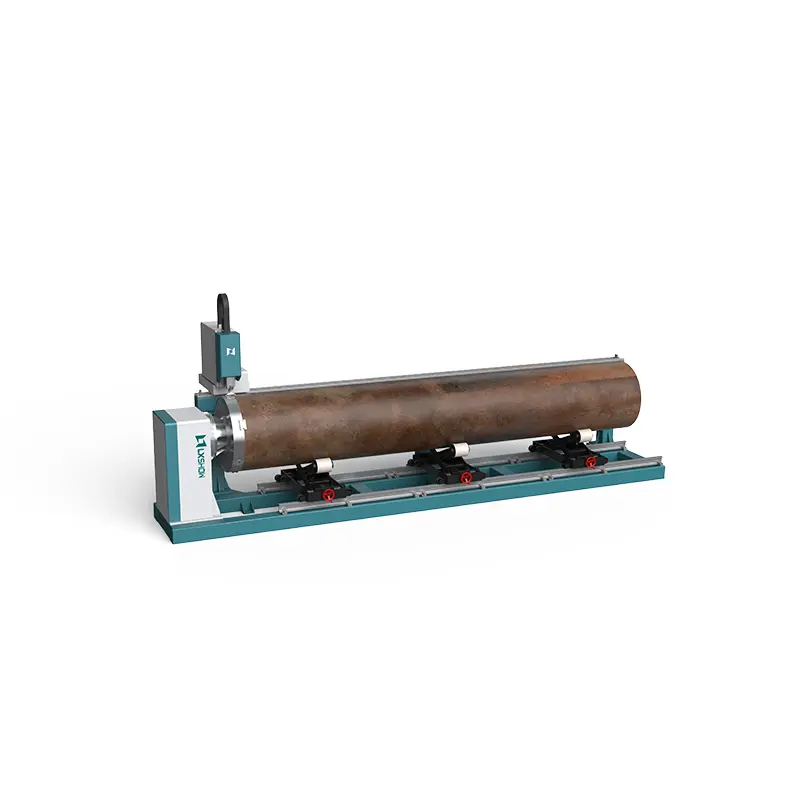
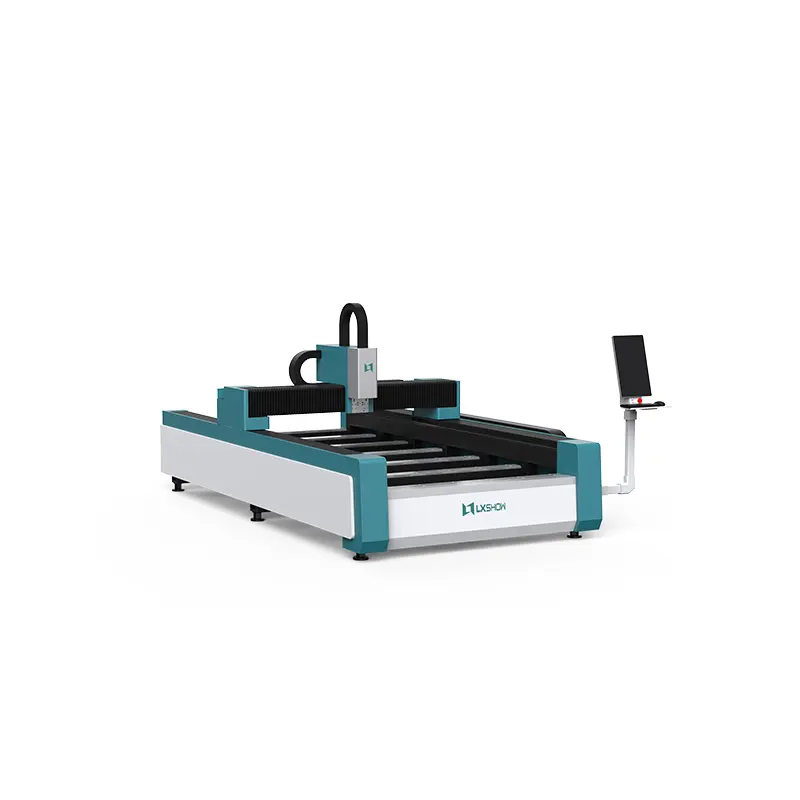
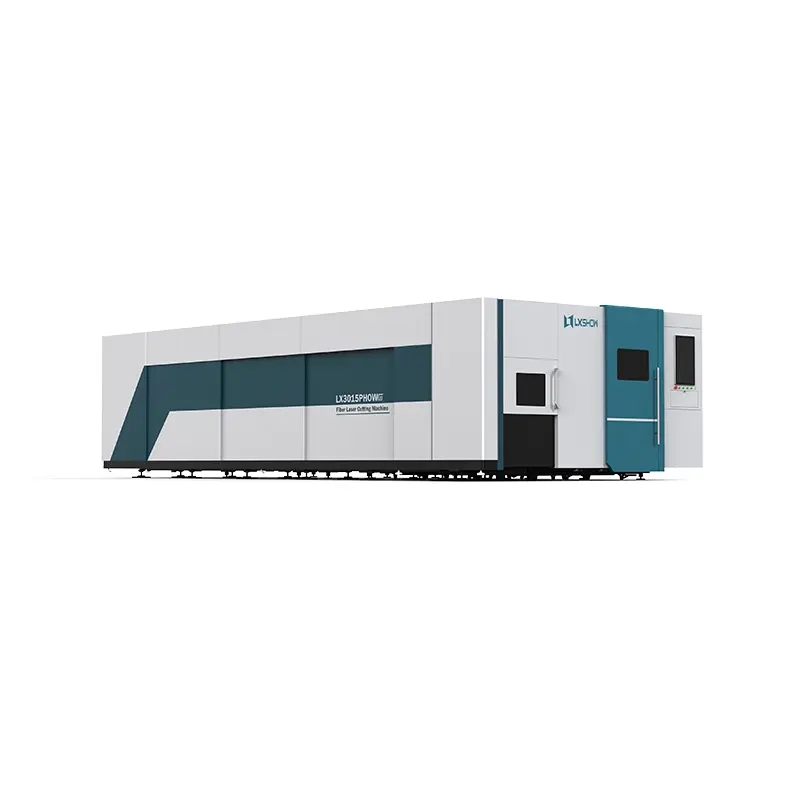
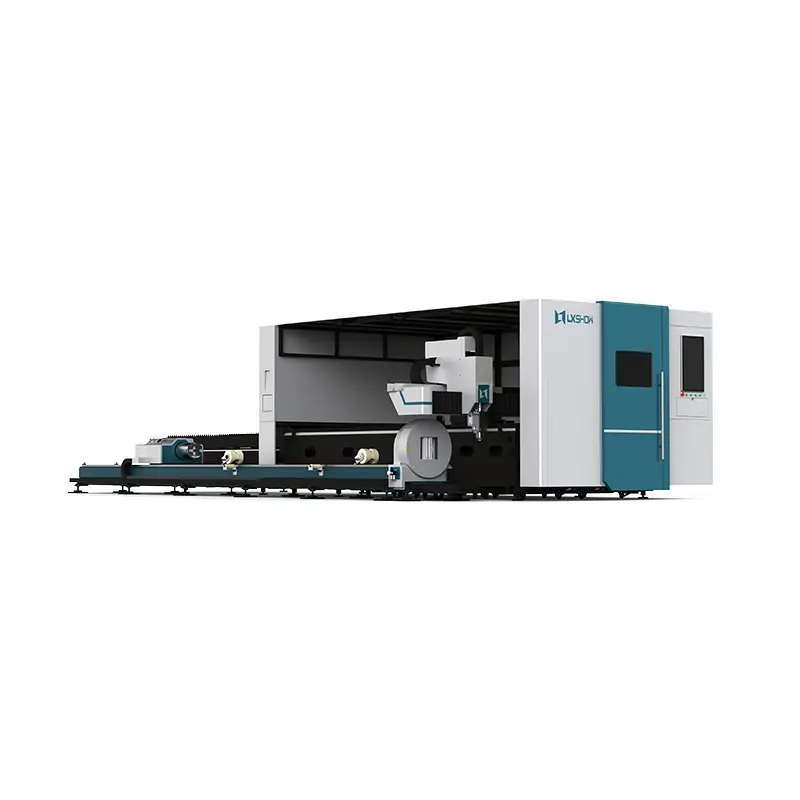
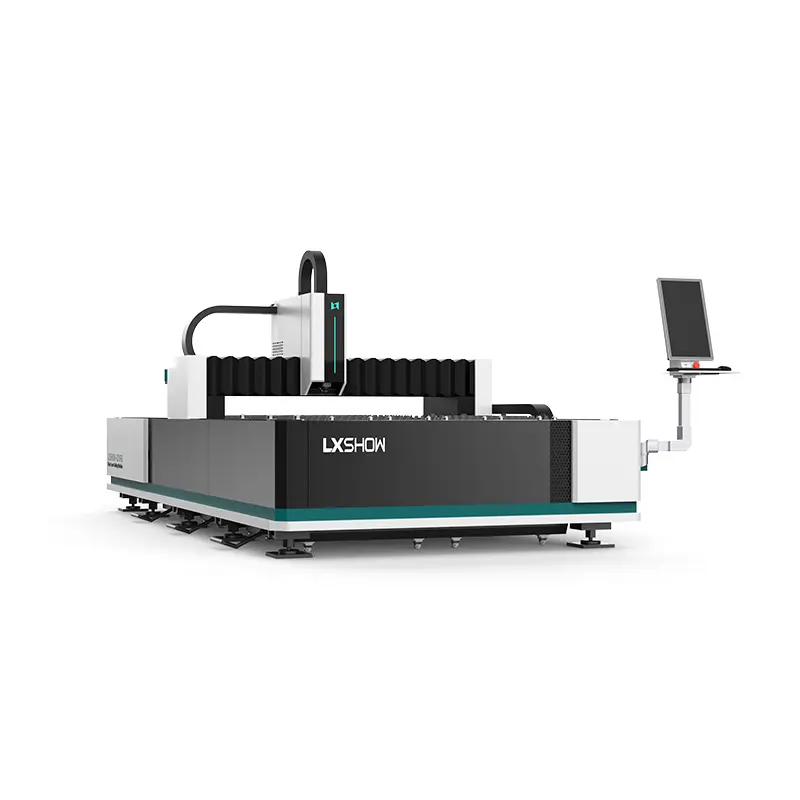
High-efficiency systems for thick metal plate and pipe processing, featuring double exchange tables.
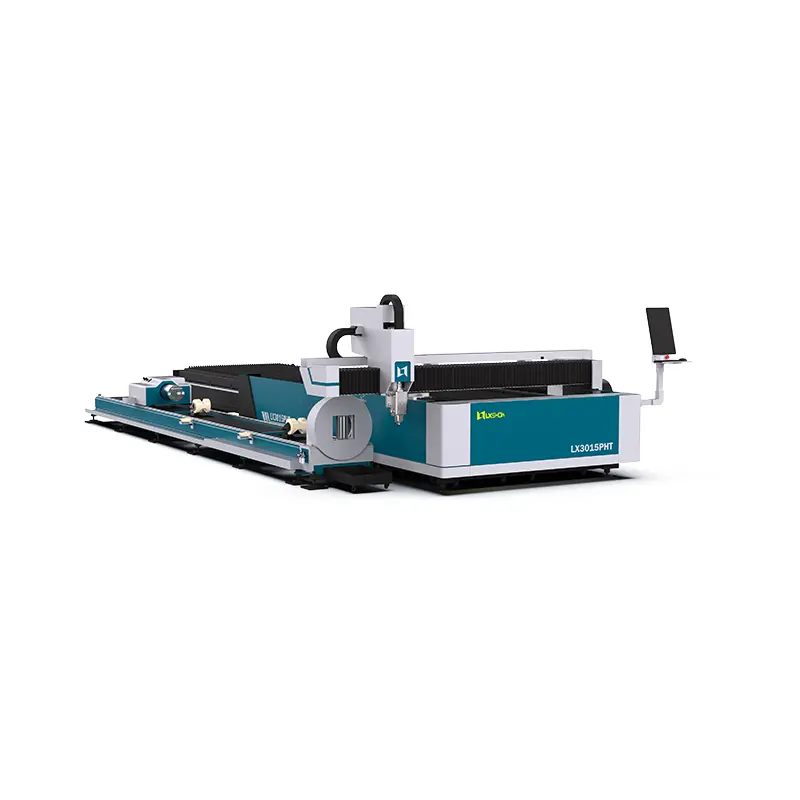
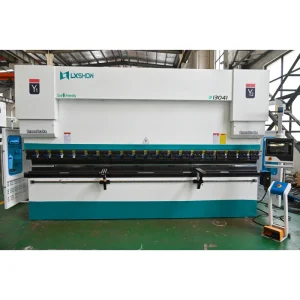
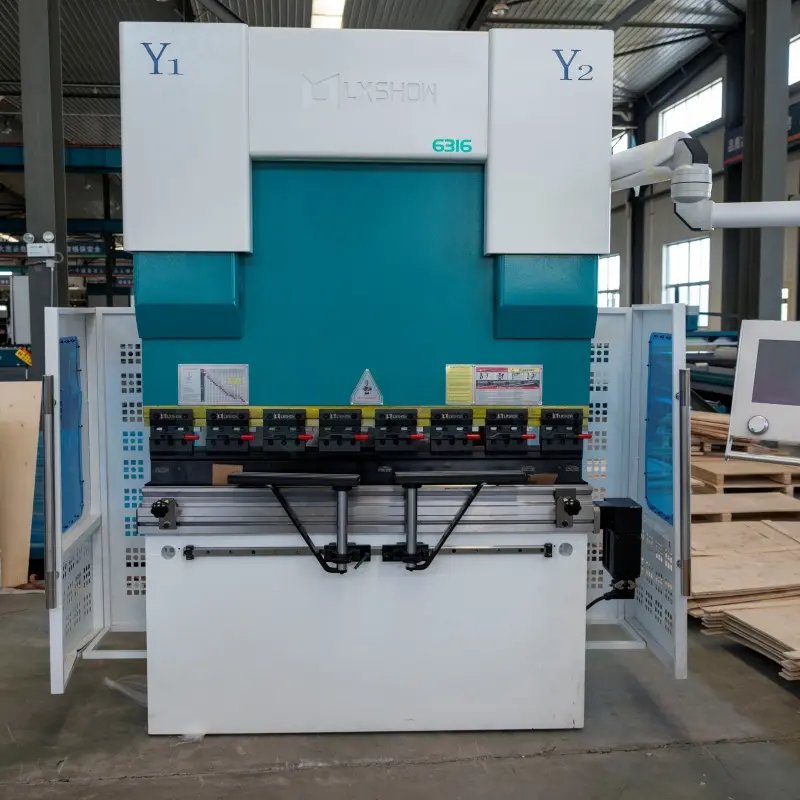
Electro-hydraulic servo press brakes and electric servo bending machines designed for precise metal forming.
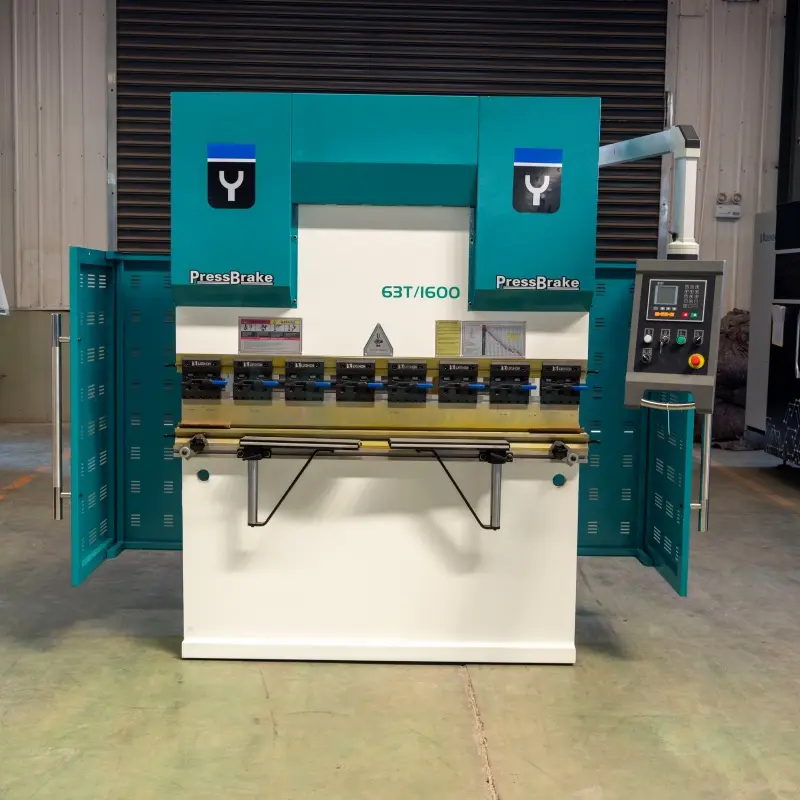
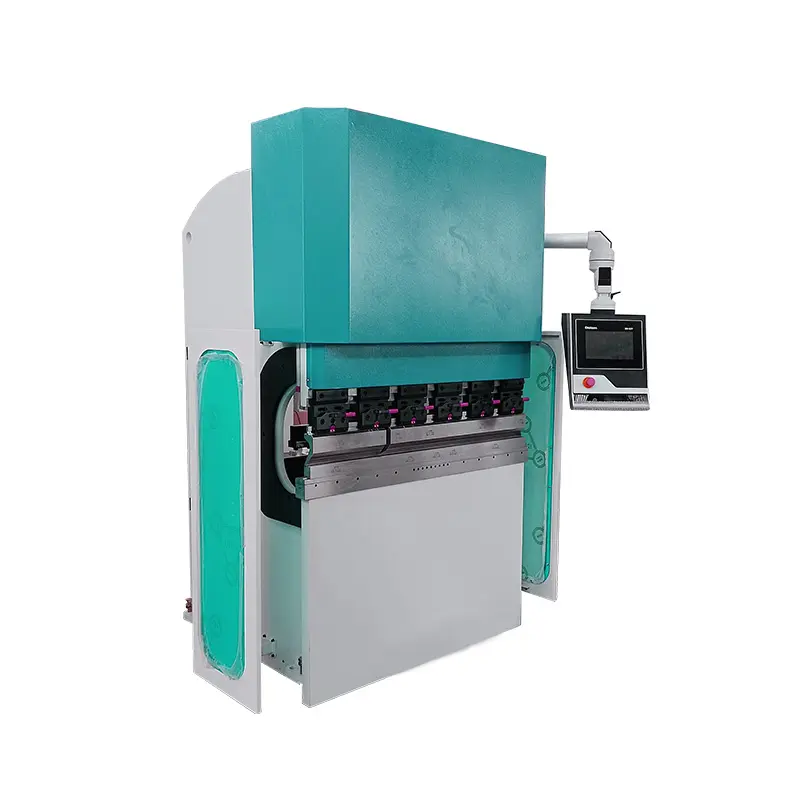
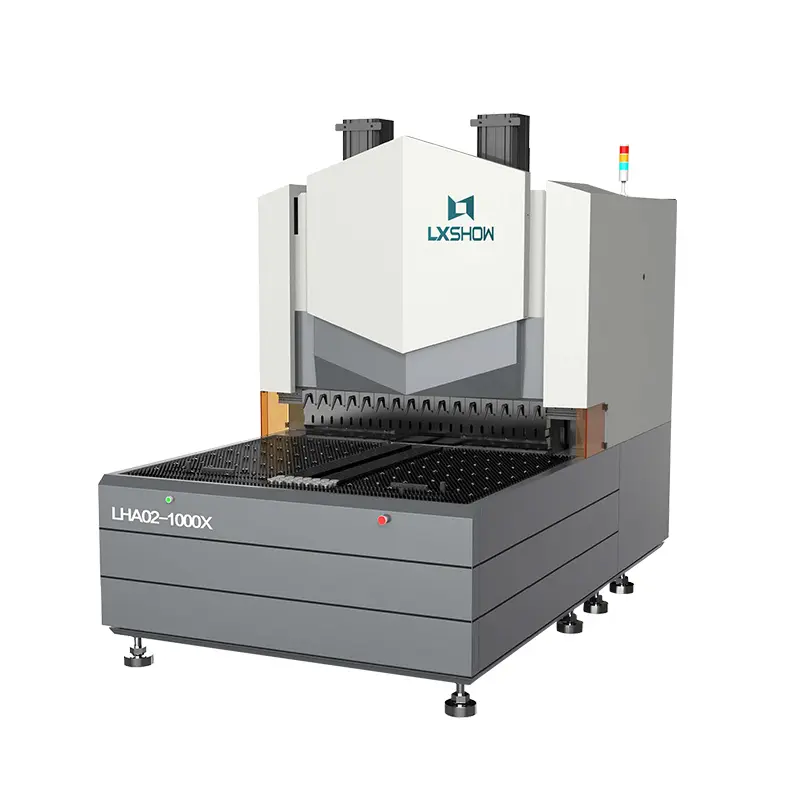
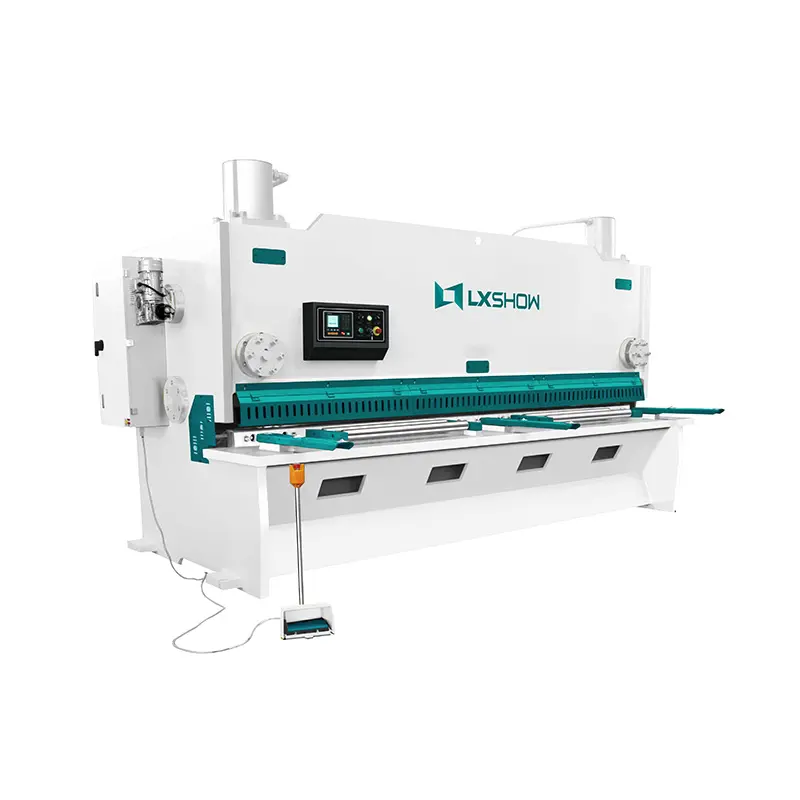
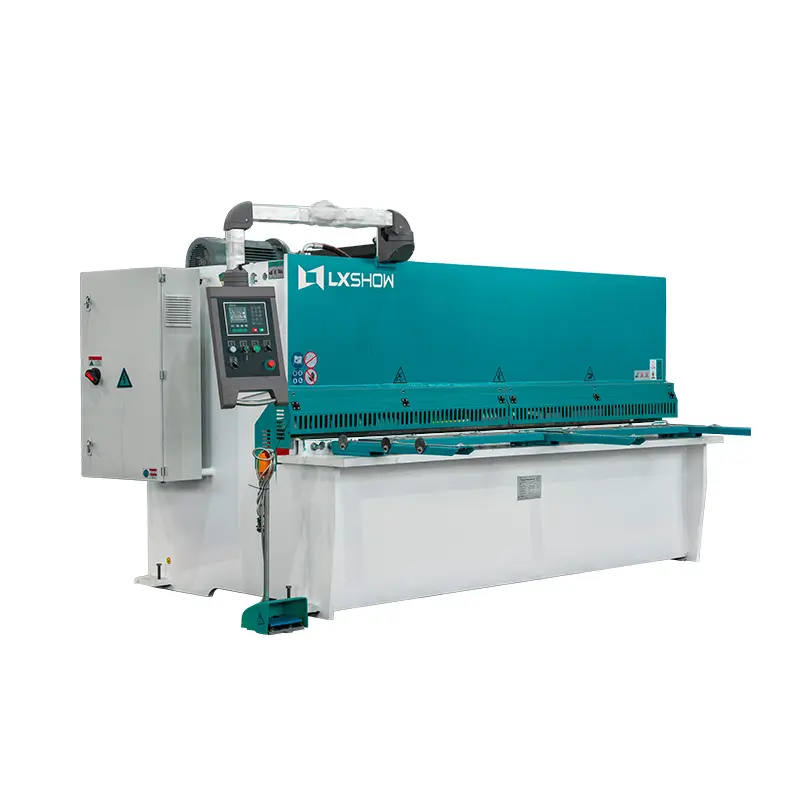
Industrial shearing systems built to process structural plates with high durability.
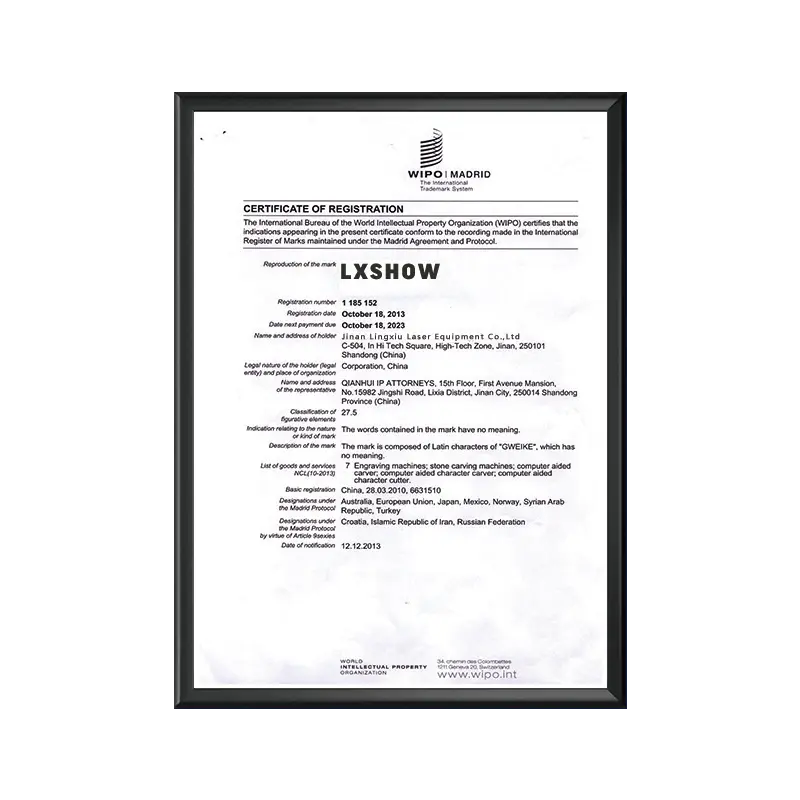
 Lxshow