 Lxshow
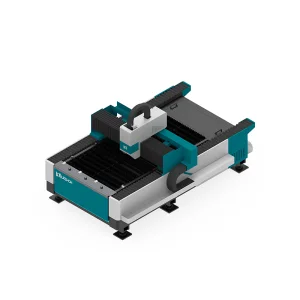
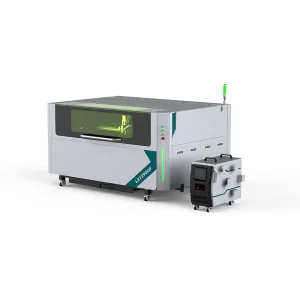
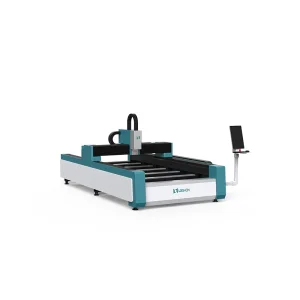
Technical Whitepaper: Engineering Custom Laser Cutting Systems for Aluminium Alloys
Processing aluminium alloys via fiber laser systems presents structural and optical challenges that standard steel-cutting machines are ill-equipped to handle. As a leading manufacturer and exporter, we design and produce tailored configurations that mitigate these material-specific barriers. This paper evaluates the physics of cutting reflective non-ferrous alloys, explores mechanical optimization, and outlines global supply chain frameworks.
1. Optical Obstacles: Reflectivity and Light Wave Absorption
Unalloyed and structural aluminium exhibits high reflectivity (often exceeding 90% in the solid state for near-infrared light wavelengths of 1.06–1.08 μm). CO2 lasers, which operate at a 10.6 μm wavelength, suffer from poor absorption profiles, leading to beam bounce-back and structural component failure. Fiber lasers operate at a 1.06 μm wavelength, which is absorbed far more effectively by aluminium.
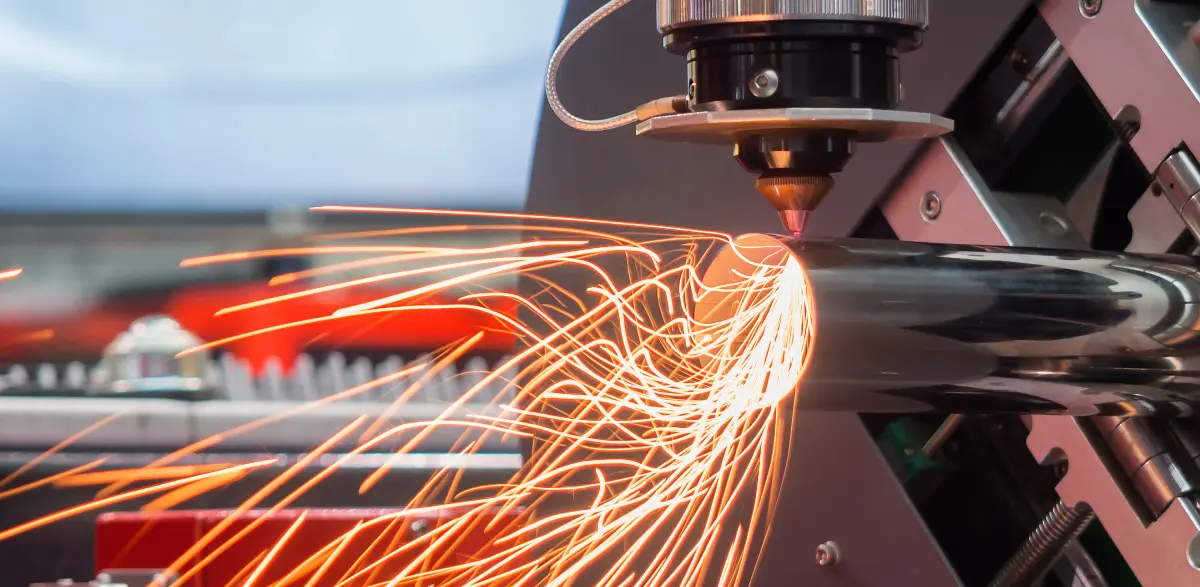
However, high back-reflections during the initial piercing phase can travel back through the beam delivery system, causing potential damage to the laser module. Our custom-designed cutting machines utilize optical isolation modules, active back-reflection monitoring, and inclined cutting head mechanics (typically 2° to 4° off-normal angle) to redirect reflected rays away from the laser core, ensuring optical protection and continuous manufacturing operations.
Absorption Optimization
Utilizes 1.06μm wavelength fiber systems to double energy coupling rates relative to historic CO2 cutting methods.
Back-Reflection Protection
Dual-stage optical isolators protect internal fiber components from thermal spike damage.
Dynamic Piercing Tech
Frequency-modulated pulse piercing shortens processing windows, reducing overall back-reflection risk.
2. Thermal Dynamics and Kinetic Melt Discharging
Aluminium has a thermal conductivity rate of approximately 237 W/(m·K), which is roughly four times higher than structural carbon steel. During cutting, heat quickly dissipates laterally into the adjacent material. This high heat loss requires intense concentration of laser power at the kerf to maintain energy density above the vaporization point. If the beam speed or peak density drops, heat spreads, creating a wide Heat-Affected Zone (HAZ), structural deformation, and dross attachment on the bottom edge.
To achieve clean cuts, we equip our customized CNC machines with high-pressure nitrogen gas assist systems (typically operating at 1.4 to 2.0 MPa). High-pressure nitrogen displaces the molten material before oxidation can occur, producing a clean, oxide-free edge that is immediately ready for subsequent welding processes.
Localization, Grid Adaptability, and Worldwide Compliance Standards
Deploying laser cutting equipment worldwide requires careful alignment with regional electrical grids, safety regulations, and environmental standards. We customize each system to ensure immediate site compliance:
- Electrical System Engineering: We configure multi-tap transformers and localized control cabinets to match regional power profiles, including 480V 60Hz 3-phase in North America, 400V 50Hz in Europe, and 380V 50Hz in Asia. This isolates the machine's CNC controls and resonators from local grid voltage fluctuations.
- Certified Safety Enclosures: Fully enclosed class-IV laser structures featuring CE-certified protective glass viewing windows protect operators from stray reflections.
- Regulatory Certifications: All products are designed and manufactured in compliance with European Union CE authentication, American FDA certifications, and verified under ISO 9001 quality management protocols.
- Fume Extraction & Filtration: Integrated automated exhaust dampers open selectively under active cutting zones, routing particulates through secondary HEPA filters to maintain factory air quality.
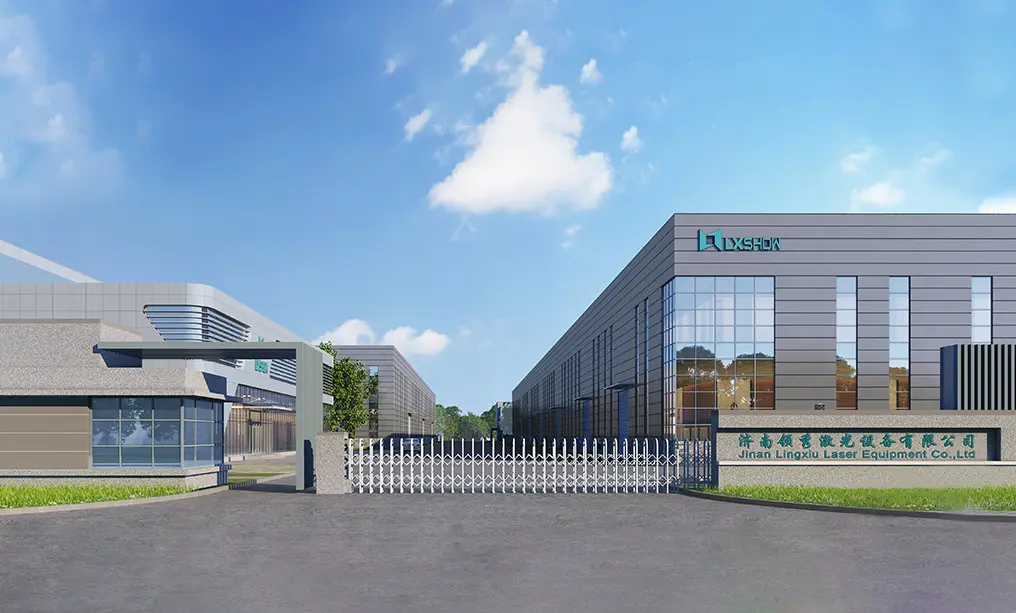
Supply Chain Advantages: Direct-from-Factory Efficiencies
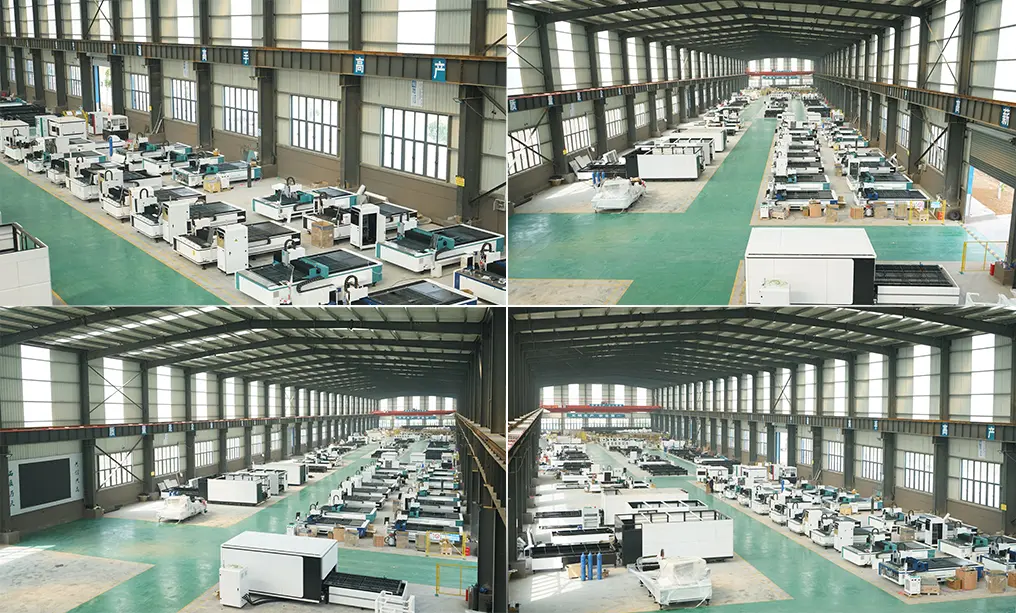
Exporting to more than 120 countries, our manufacturing base in Jinan, China, offers significant geographic and supply chain advantages:
- Vertical Integration: We control the entire production cycle within our 32,000-square-meter facility—from stress-relieving gantry casting and machining to optical assembly and final dry-run testing. This ensures consistent quality control and reduces lead times.
- Industrial Cluster Synergy: Based in a premier global hub for laser technology, we have direct access to specialized component suppliers, including precision optics, rack-and-pinion systems, and custom software integrations.
- OEM Service Capacity: We supply OEM manufacturing services for over 30 global brands, maintaining scalable production pipelines that balance competitive pricing with high-specification engineering.
- Global Logistics & Port Access: Convenient access to shipping corridors allows for quick container loading, customs processing, and ocean freight logistics to the Americas, Europe, and Asia-Pacific regions.
Custom Laser Design & Industry 4.0 Readiness
We focus on building Industry 4.0 ready systems that integrate directly into smart factory ecosystems. By using open-architecture EtherCAT communication buses and software pipelines, our laser cutters connect seamlessly with ERP and MES systems. Real-time telemetry monitoring tracks cutting hours, gas consumption, and diagnostic errors, enabling predictive maintenance and minimized downtime.
Our engineering team continuously innovates to help companies build smart manufacturing lines. Every system is configured with high-speed sensor suites that provide automated nozzle cleaning, calibration, and focal tracking.
Smart Integration Note
Our system architecture enables direct remote control and software updates. Field technicians can analyze diagnostic logs remotely to ensure high system uptime and optimal cutting performance.
Global Corporate Procurement: Total Cost of Ownership (TCO) & ROI Analysis
For procurement directors, purchasing custom laser cutting systems requires balancing the initial capital expenditure (CAPEX) with long-term operational costs (OPEX). While fiber lasers require a significant initial investment, they offer a very low Total Cost of Ownership (TCO) over their lifecycle:
- Energy Efficiency: Modern fiber laser sources operate with wall-plug efficiency rates of 35% to 40%, which is triple that of legacy CO2 resonators, significantly reducing ongoing power costs.
- Consumable Savings: Fiber beam delivery systems eliminate the need for internal gas purging, laser gas mixtures, and external reflective copper mirrors, reducing routine maintenance expenses.
- Throughput Maximization: High-speed linear motor drives cut thin-to-medium aluminium sheet profiles up to three times faster than mechanical punch presses or traditional plasma equipment.
- Post-Processing Reduction: By delivering narrow, high-precision cuts with minimal dross, our systems reduce the need for secondary deburring or edge finishing, lowering the labor cost per finished part.
Emerging Trends in Industrial Aluminium Laser Processing
Industrial requirements are pushing laser capabilities toward higher power densities and intelligent automation. Several key technologies are shaping the future of non-ferrous metal processing:
- High-Power Density (12kW to 30kW+): Increased power allows for thick-plate cutting of structural marine and aerospace grades, reaching thicknesses of 40mm to 50mm with clean, vertical edge quality.
- Beam Mode Shaping: Dynamic beam profiling adjusts the power density distribution in real-time, allowing operators to switch between a tight, high-intensity core for thin sheets and a wider ring-shaped beam for thick, oxide-free cuts.
- Closed-Loop Kerf Monitoring: Optical sensors in the cutting head monitor the light emissions from the melt pool, dynamically adjusting speed and gas pressure to prevent thermal runaway and cutting failures.