Explore our high-performance fiber laser systems, deburring solutions, and precision bending machinery engineered for modern industrial settings.
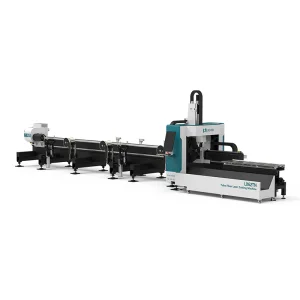
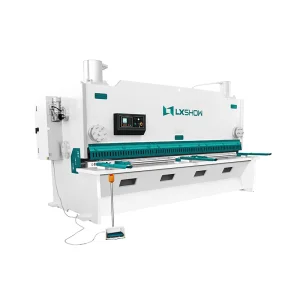
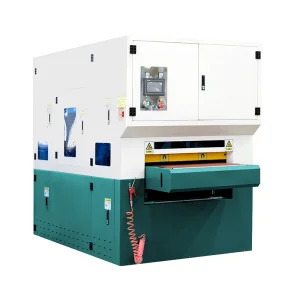
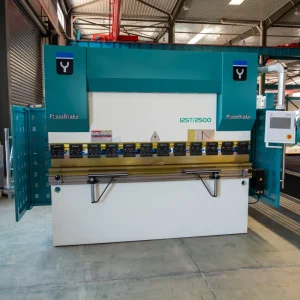
In the global metal fabrication landscape, local operators and multinational enterprises alike often turn to the search query "Metal Laser Cutter Near Me" when looking for immediate solutions. The intent behind this search is clear: buyers seek rapid deployment, trustworthy local technical support, immediate availability of spare parts, and minimum operational downtime. However, the macro-economics of high-precision optics and laser CNC machinery production tell a different story.
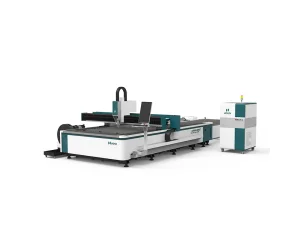
The production of advanced fiber laser cutters—integrating highly calibrated optical gantry systems, specialized fiber sources (such as Raycus, Max, or IPG), and heavy-duty stress-relieved gantry structures—is highly concentrated in world-class manufacturing hubs, primarily in China. While local distributors provide the front-end sales and initial servicing, the underlying engineering innovation, component customization, and economic scale are driven directly by Chinese manufacturers and exporters.
Modern buyers do not need to choose between the cost advantages of direct Chinese manufacturing and the reliability of local technicians. Leading exporters have established localized global networks—warehouses, cloud diagnostics, and local certified engineer partnerships—allowing them to answer the "near me" need with direct-factory efficiency.
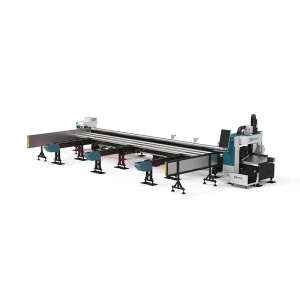
By bypassing intermediate domestic markups and working directly with an established Chinese exporter, metal fabrication shops gain access to tailored technical specifications, such as dynamic rotary exchange tables, custom-power configurations (from 1kW to 30kW+), and specialized multi-axis tube cutting setups.
A Global Leader in Smart Laser Equipment & Automation Since 2004
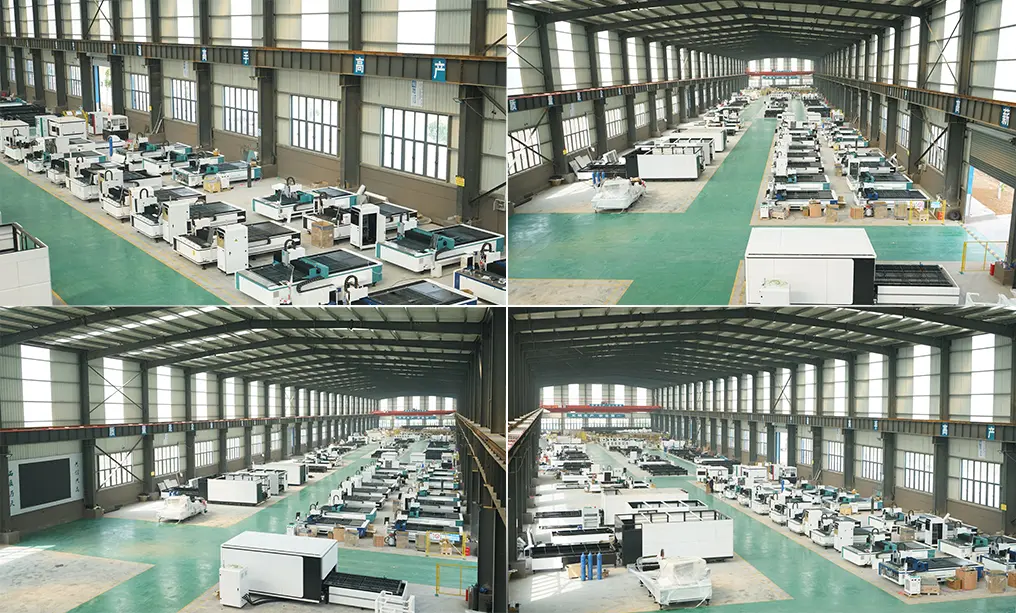
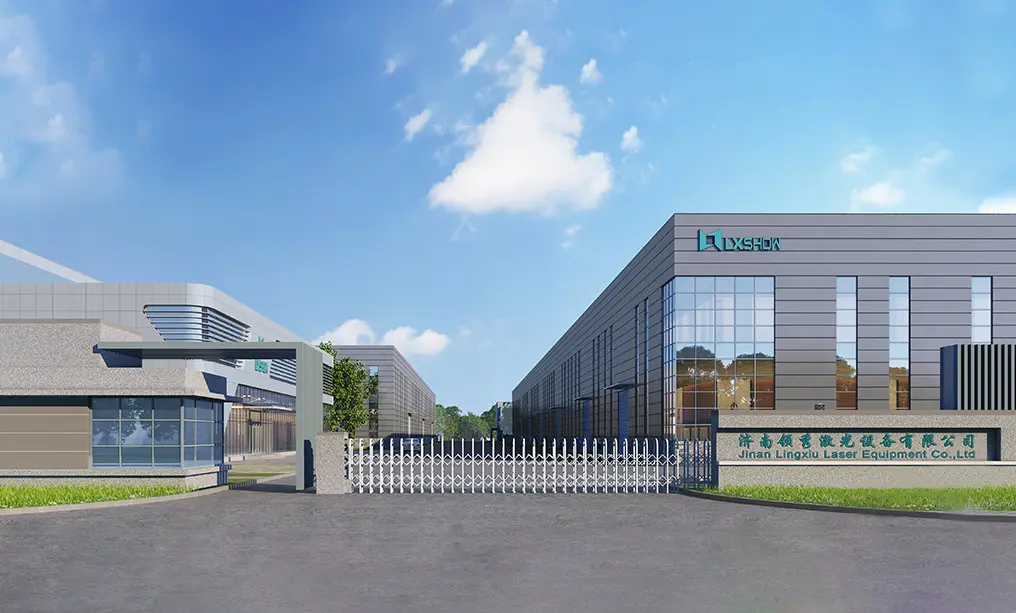
Established in July 2004, our enterprise has grown from a specialized research division to housing more than 500 square meters of high-tech research and office space, supported by a massive 32,000 square meter standardized production facility.
All machines have successfully passed the European Union CE authentication, the American FDA certificate, and are strictly certified to ISO 9001 quality standards, ensuring compliance for international operations.
We export globally to the USA, Canada, Australia, Europe, South East Asia, Africa, and beyond. Providing OEM and ODM services to more than 30 major international machinery brands.
The global market for metal processing machinery has transformed rapidly over the past decade, driven primarily by the transition from traditional mechanical shearing and CO2 lasers to high-power fiber laser optics. This trend has allowed manufacturers to meet tighter engineering tolerances, reduce scrap rates, and significantly lower energy consumption.
Modern fabricators are demanding fiber laser power inputs exceeding 12kW, 20kW, and even 30kW. The technological advantages are two-fold:
As localized labor shortages challenge fabrication shops across North America and Europe, automation has shifted from an option to a necessity. Modern production lines utilize automatic loading and unloading systems, intelligent sorting gantries, and CNC systems equipped with real-time sensor feedback.
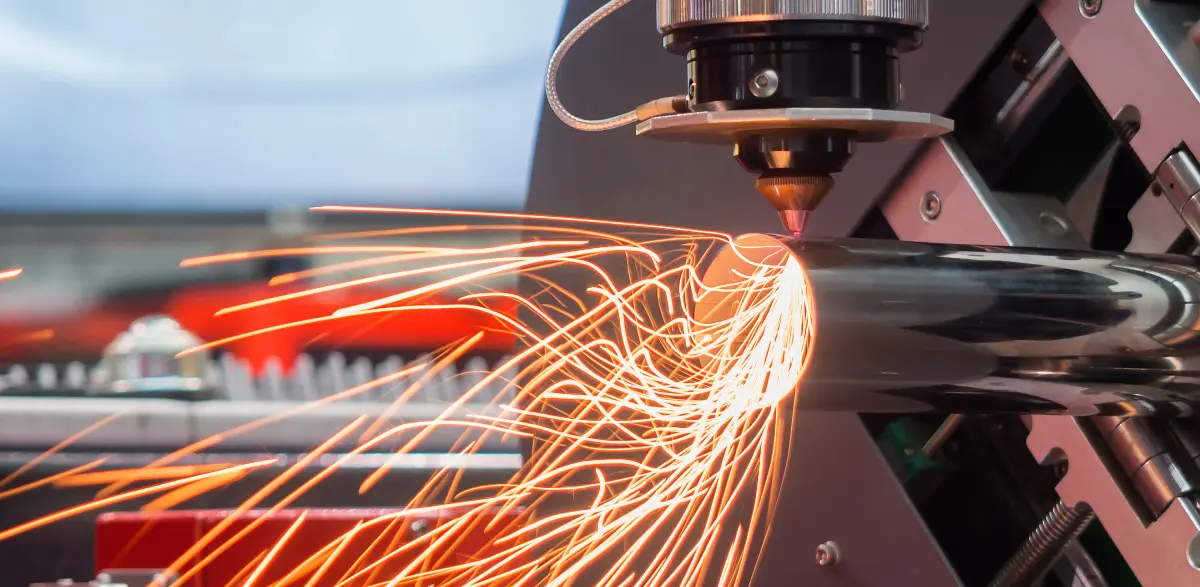
Figure 1: High-speed structural plate cutting using advanced fiber optic optics.
Exporters must now design machinery that meets stringent localized regulatory demands. This includes integrated dust collection and exhaust filtration systems for European operations, and CSA/UL-compliant electrical cabinets for the North American market.
Our laser technology supports a diverse array of industrial sectors and raw materials, custom-engineered for optimal material compatibility.
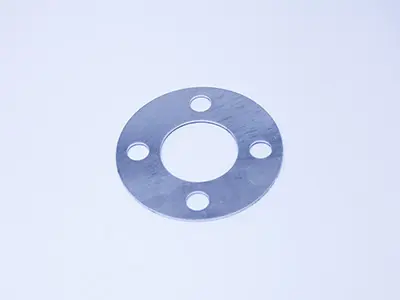
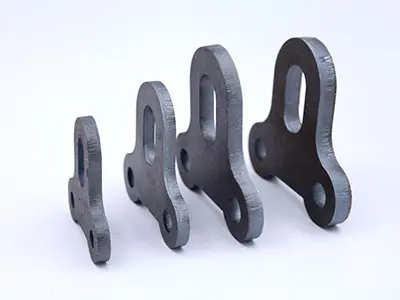
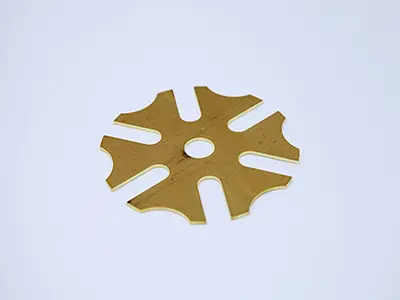
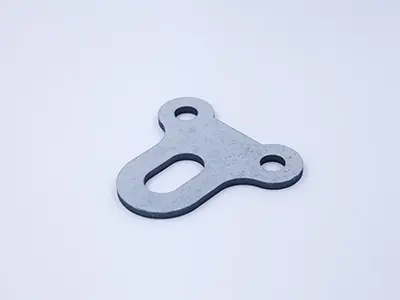
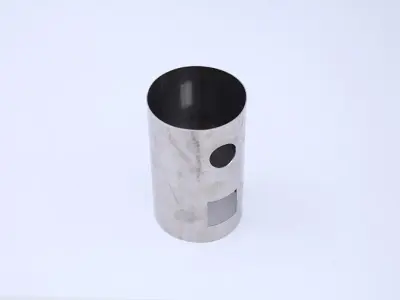
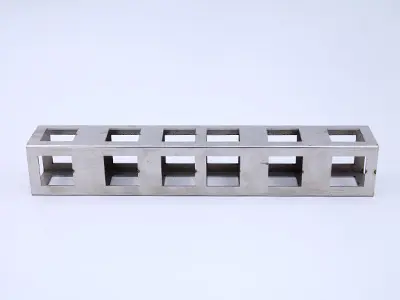
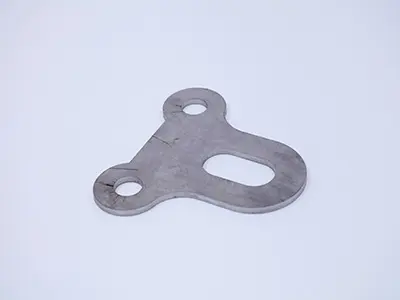
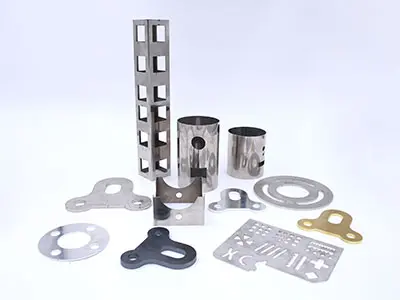
To achieve the optimal balance of edge quality and cutting velocity, fabricators must understand the micro-level physics of fiber laser cutting systems. When choosing an industrial setup, three primary factors determine the operational yield:
Fiber lasers operate at a wavelength of approximately 1.06 microns, which is absorbed far more efficiently by metallic surfaces compared to the 10.6-micron wavelength of CO2 lasers. The beam profile (characterized by the M² parameter) determines how tightly the light can be focused. A lower M² value allows the laser to focus into a smaller spot size, generating higher energy density. This localized heat instantly vaporizes the metal, minimizing the heat-affected zone (HAZ) and preventing structural warping in sensitive thin sheets.
The choice of assist gas defines the chemical reaction occurring in the kerf:
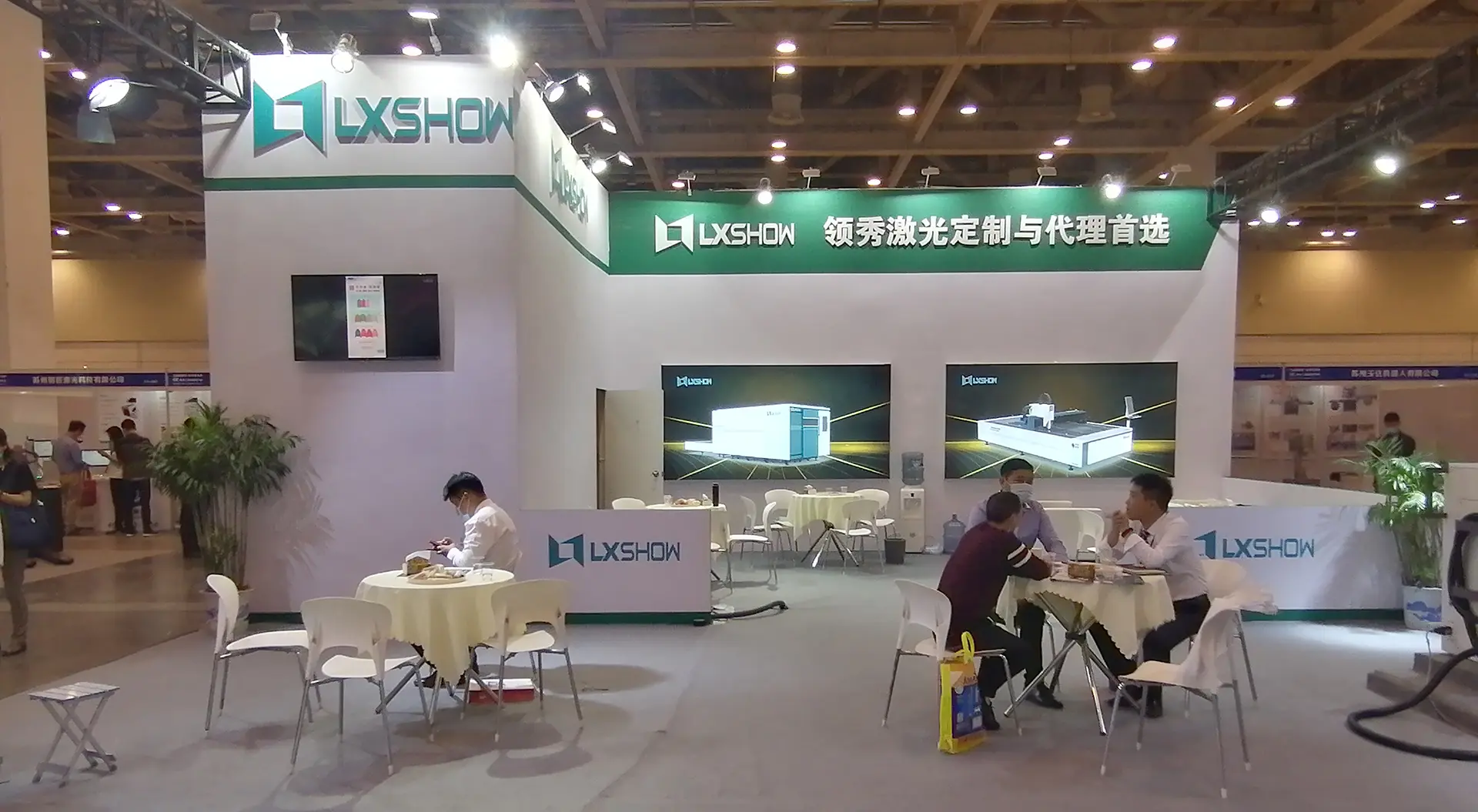
Figure 2: Multi-axis laser assembly with integrated autofocus and height sensing calibration.
Take an inside look at our specialized research, design, production, and training facilities.

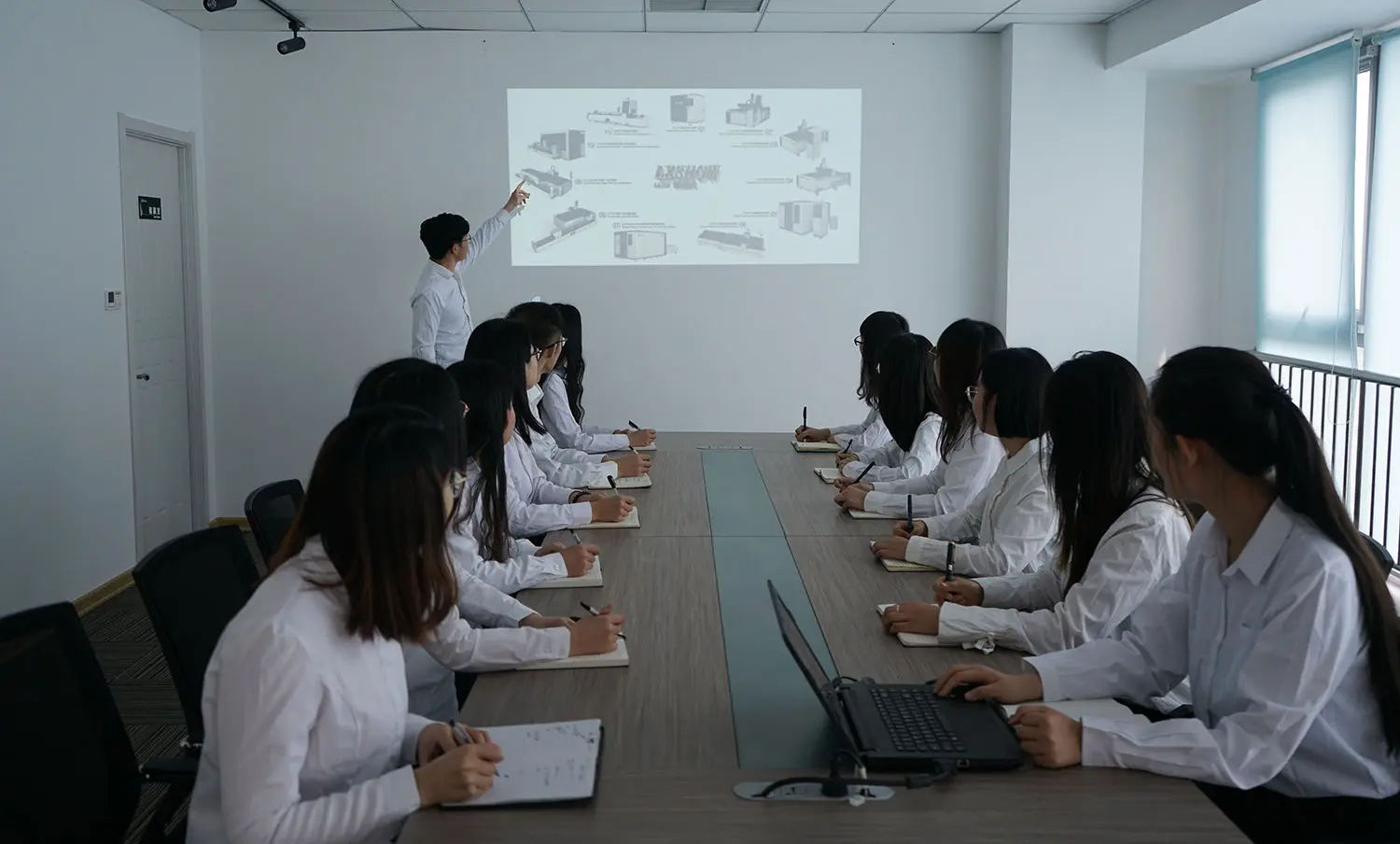
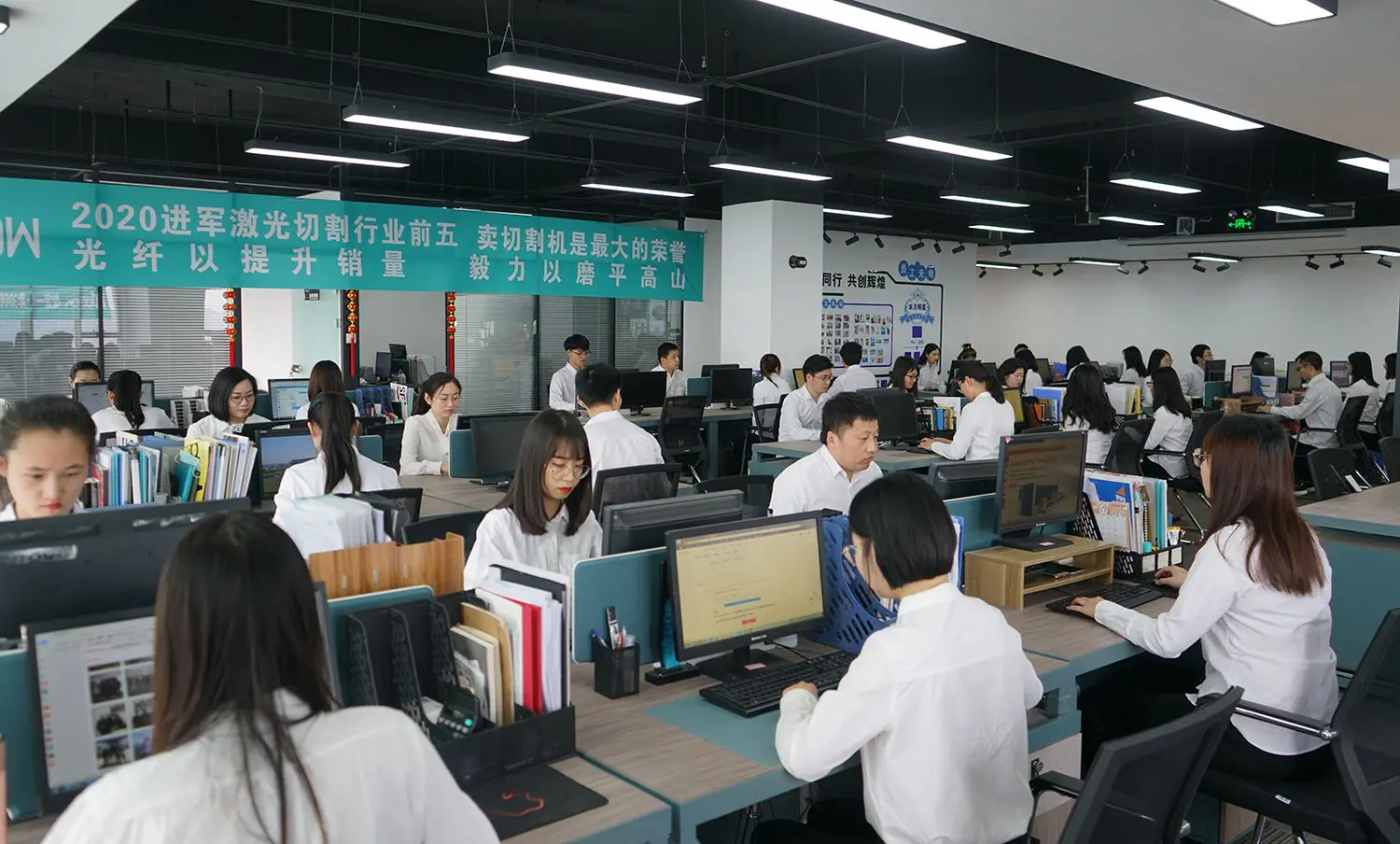
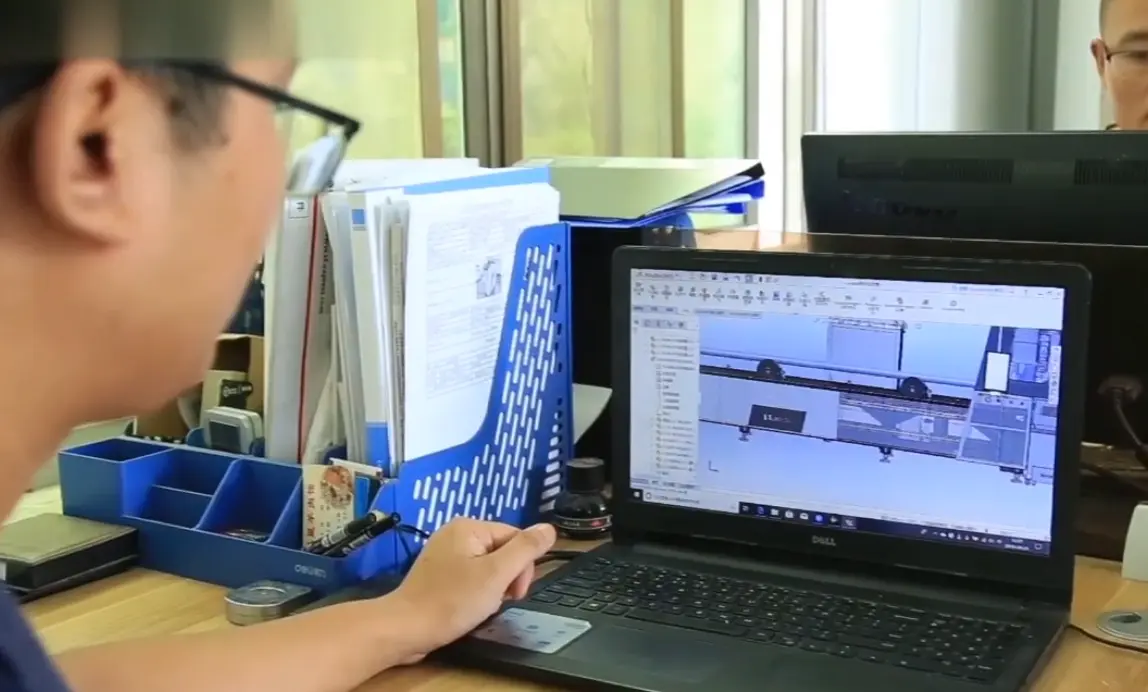
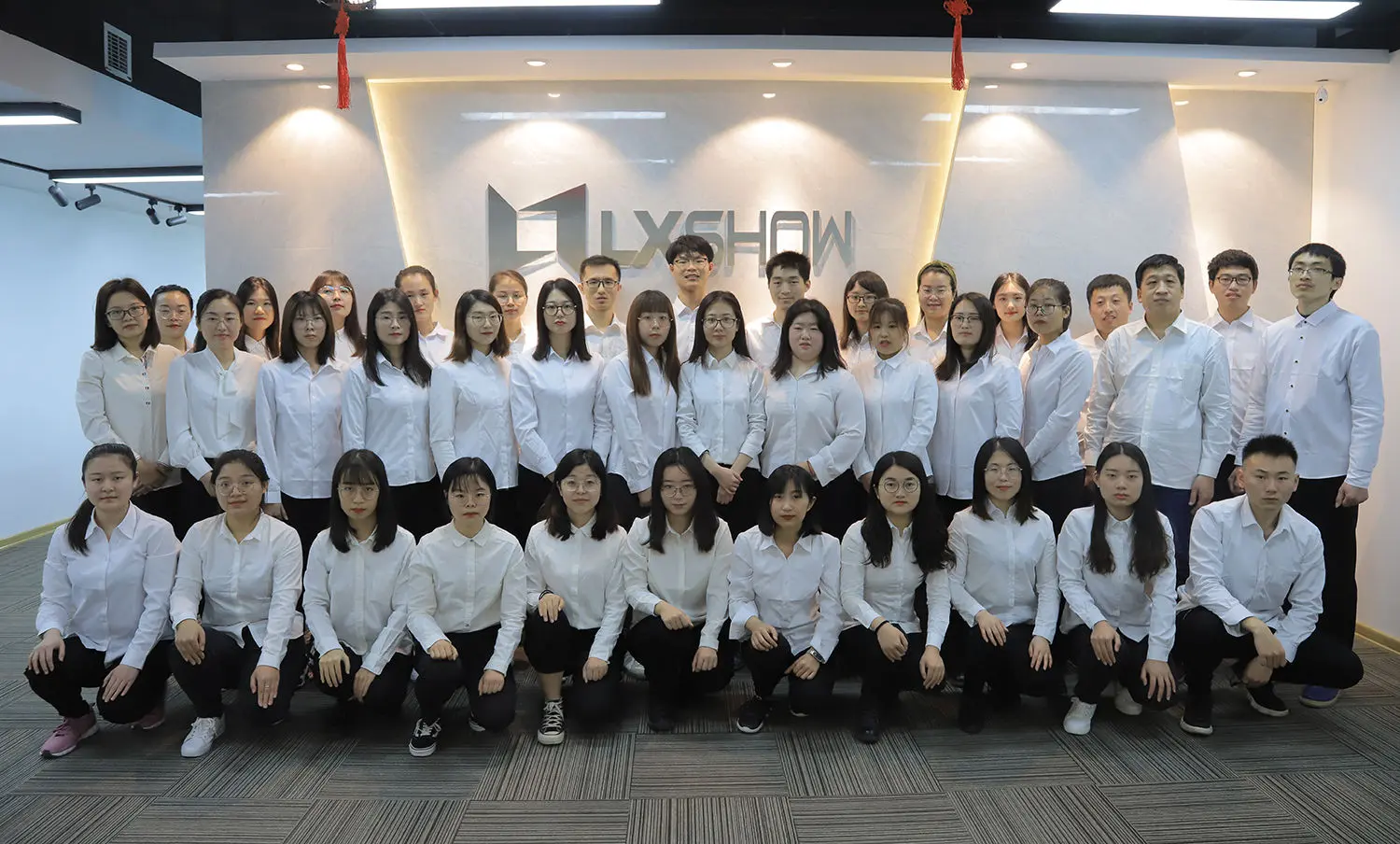
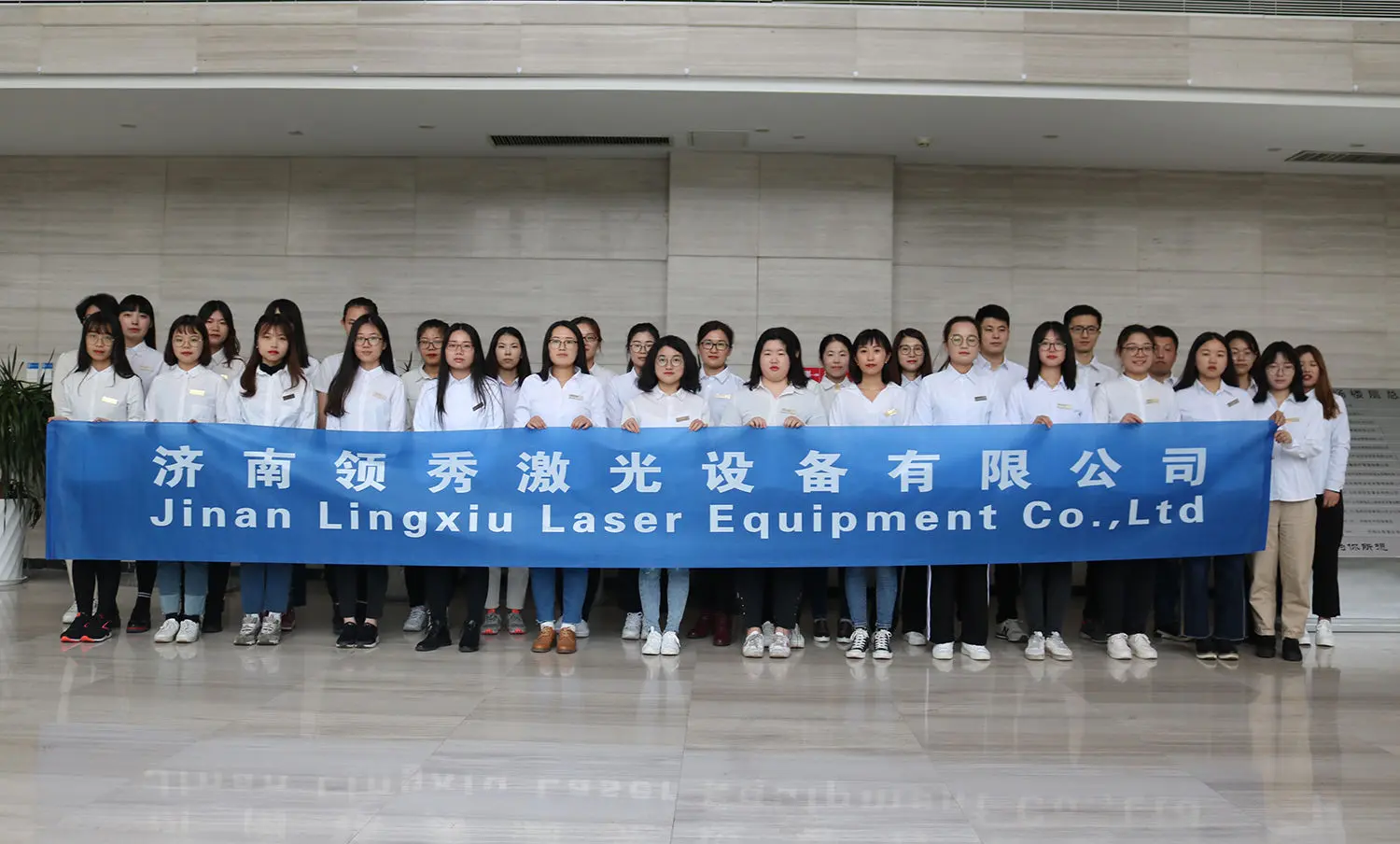
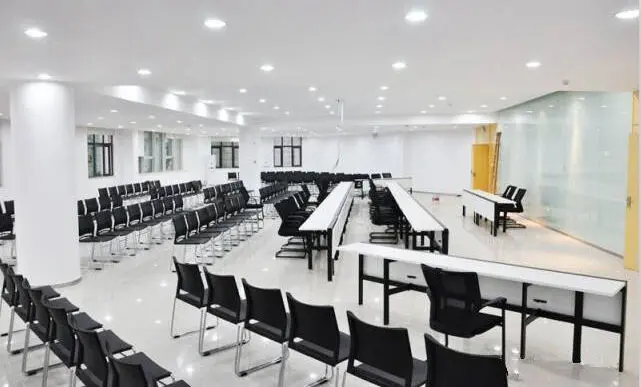
The core concern for any production manager procuring a machine from an overseas manufacturer is the turnaround time for critical support. If a system goes offline during a heavy production shift, waiting days for an overseas engineer to travel is not an option.
To bridge this gap, modern export frameworks rely on a structured three-tier support model:
Get detailed, expert answers to key questions regarding laser integration, procurement, and ongoing operations.
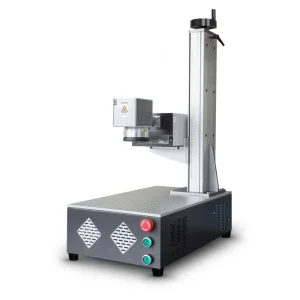
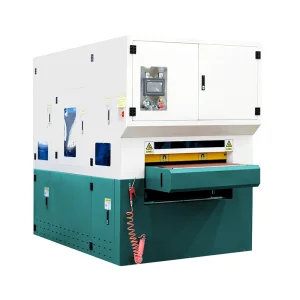
Our secondary lines include laser surface cleaners, high-speed optic cutters, marking systems, and finishing machinery.
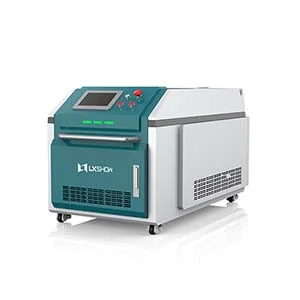
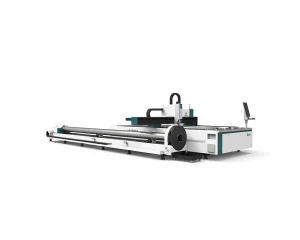
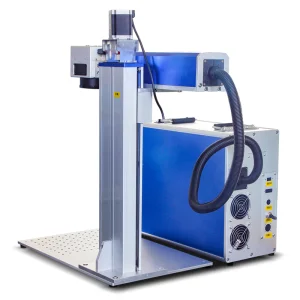
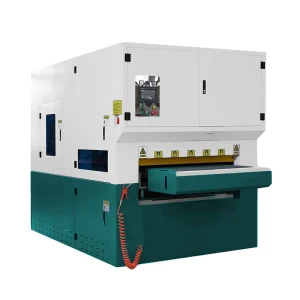
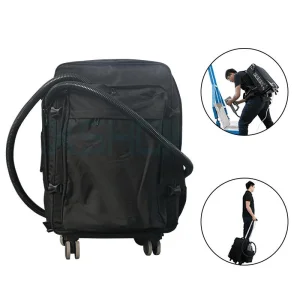
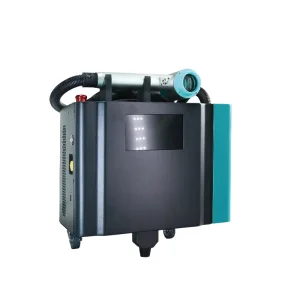
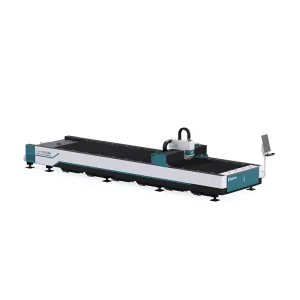
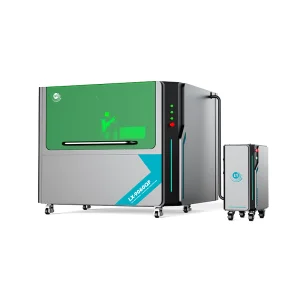
Select from our comprehensive list of metal fabrication, bending, cutting, and surface processing machinery.
 Lxshow