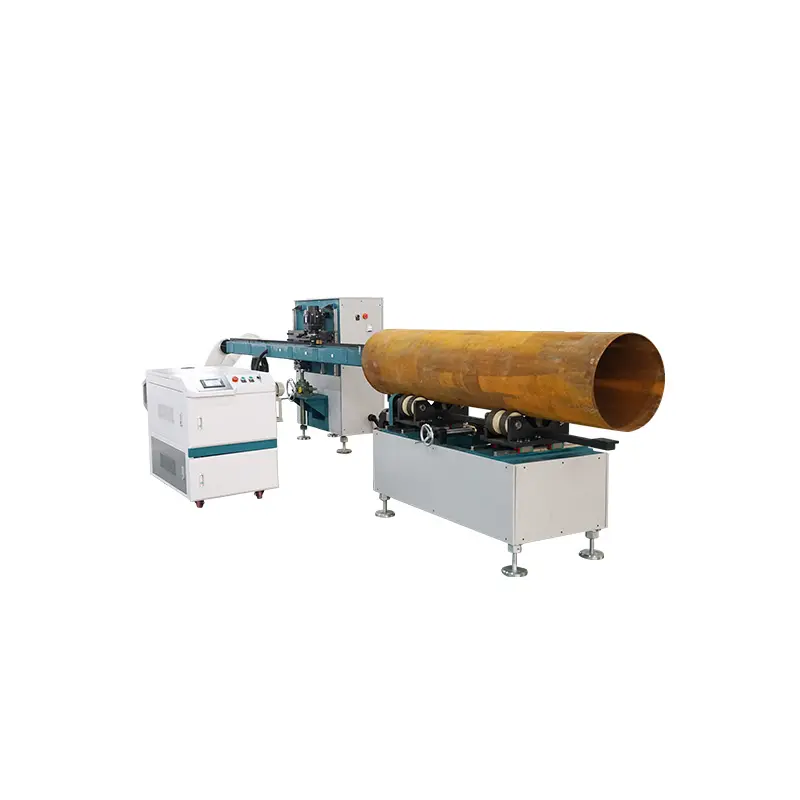
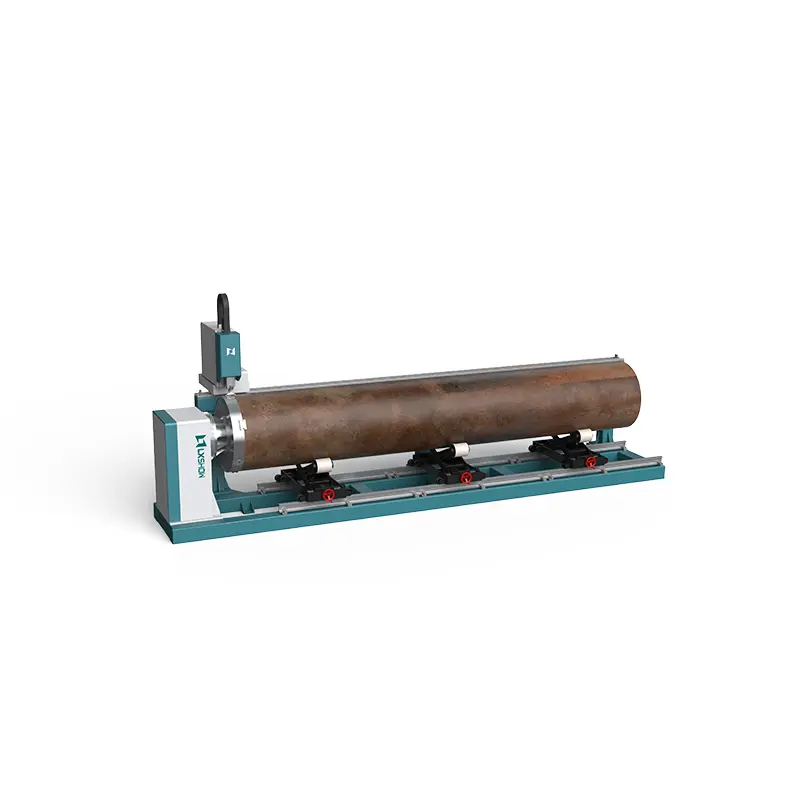
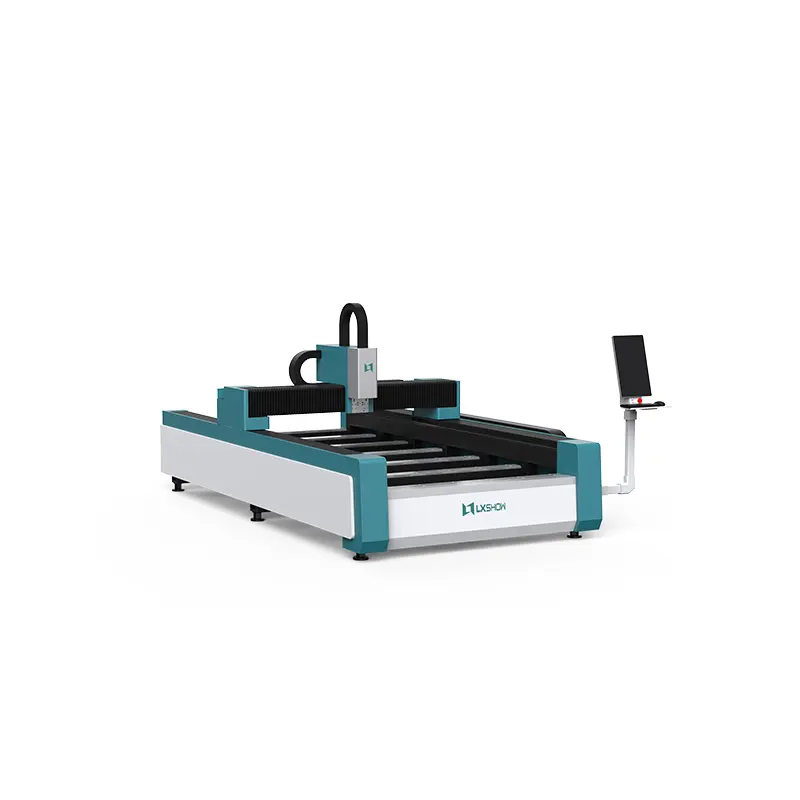
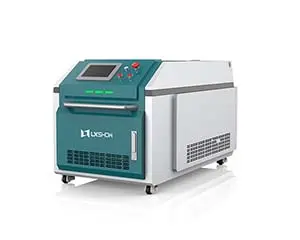
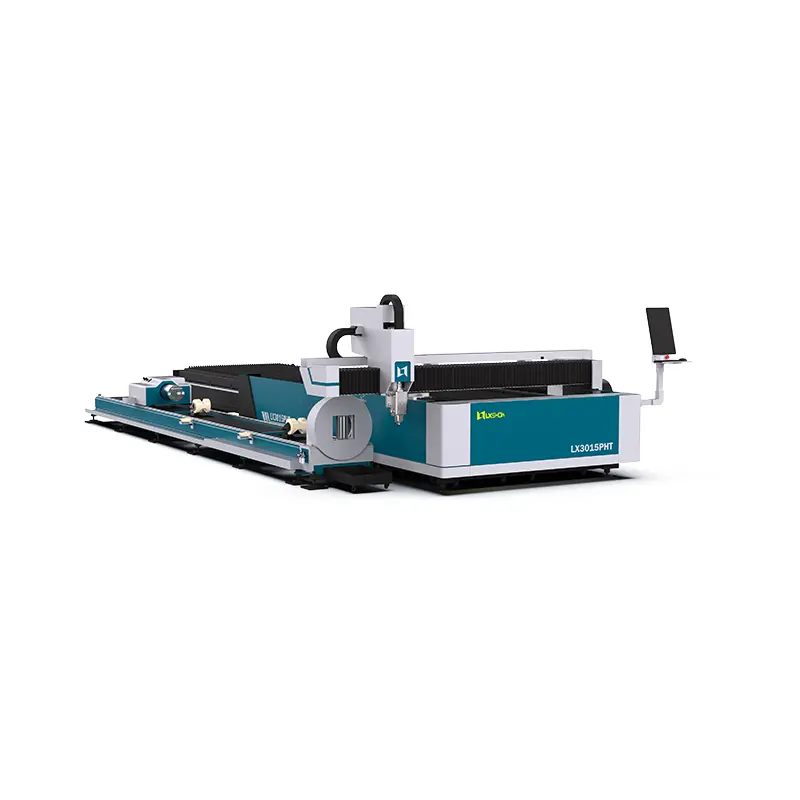
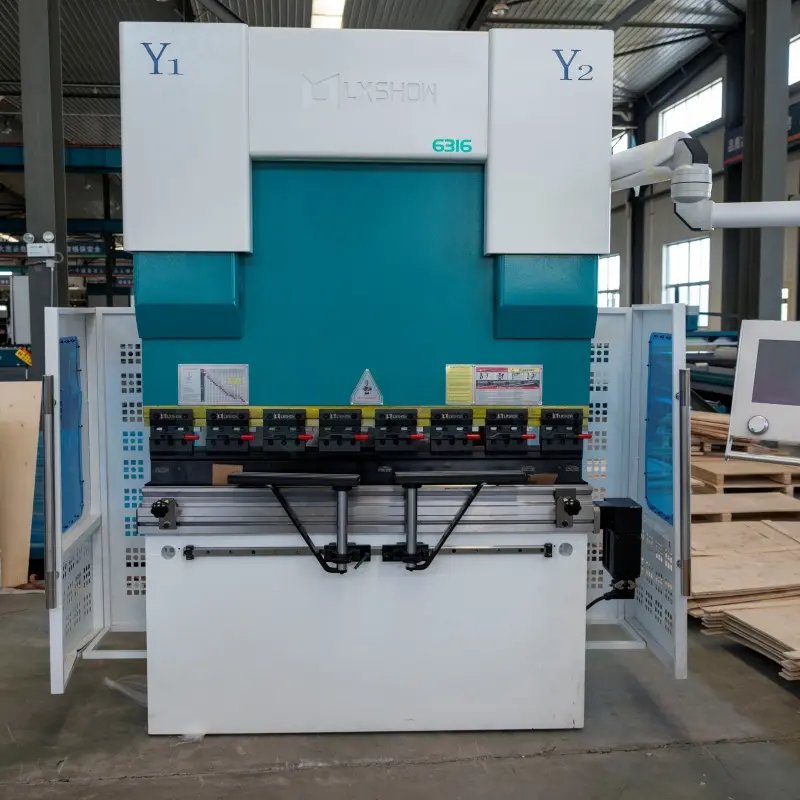
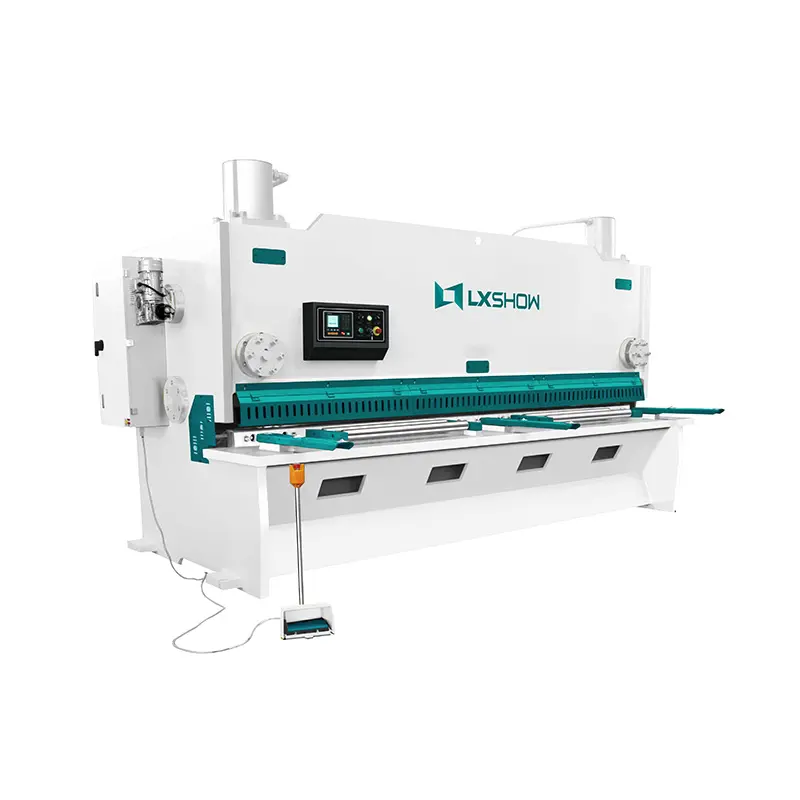
Browse our advanced product line featuring global distribution, certified compliance, and modular OEM/ODM options optimized for localized assembly lines.
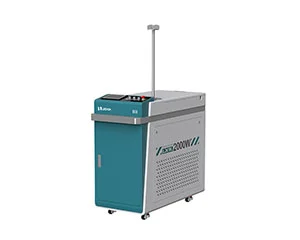
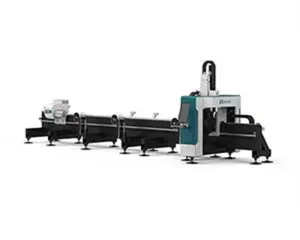
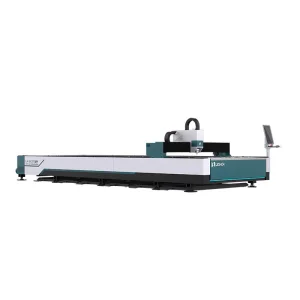
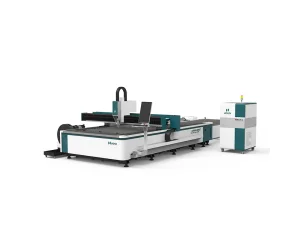
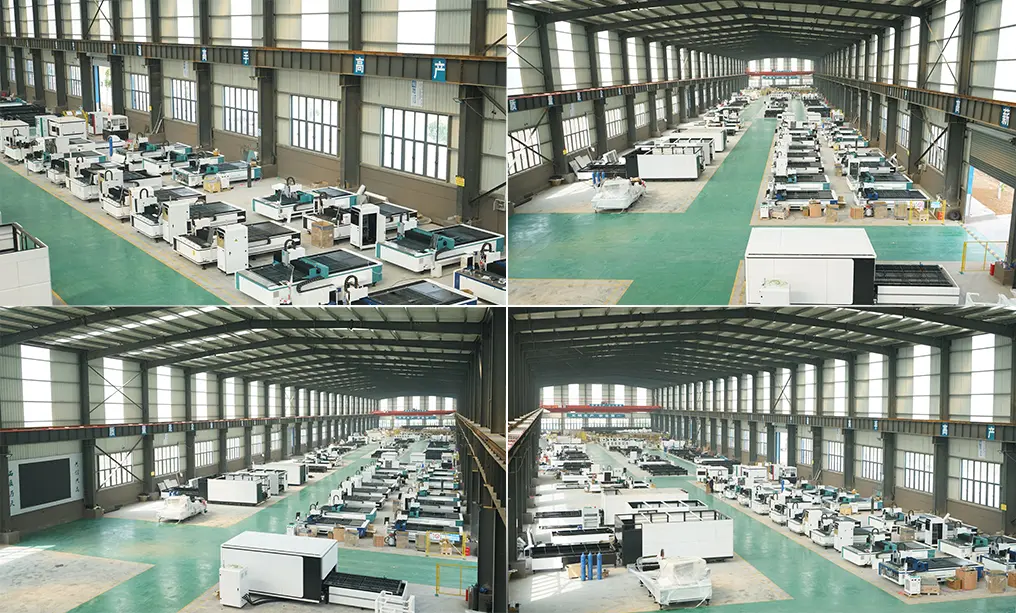
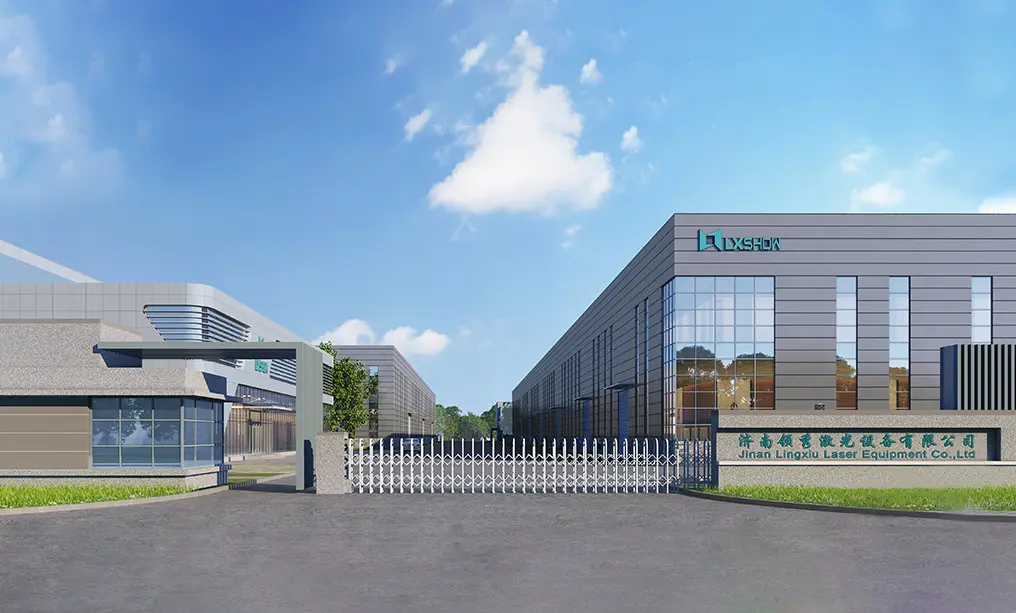
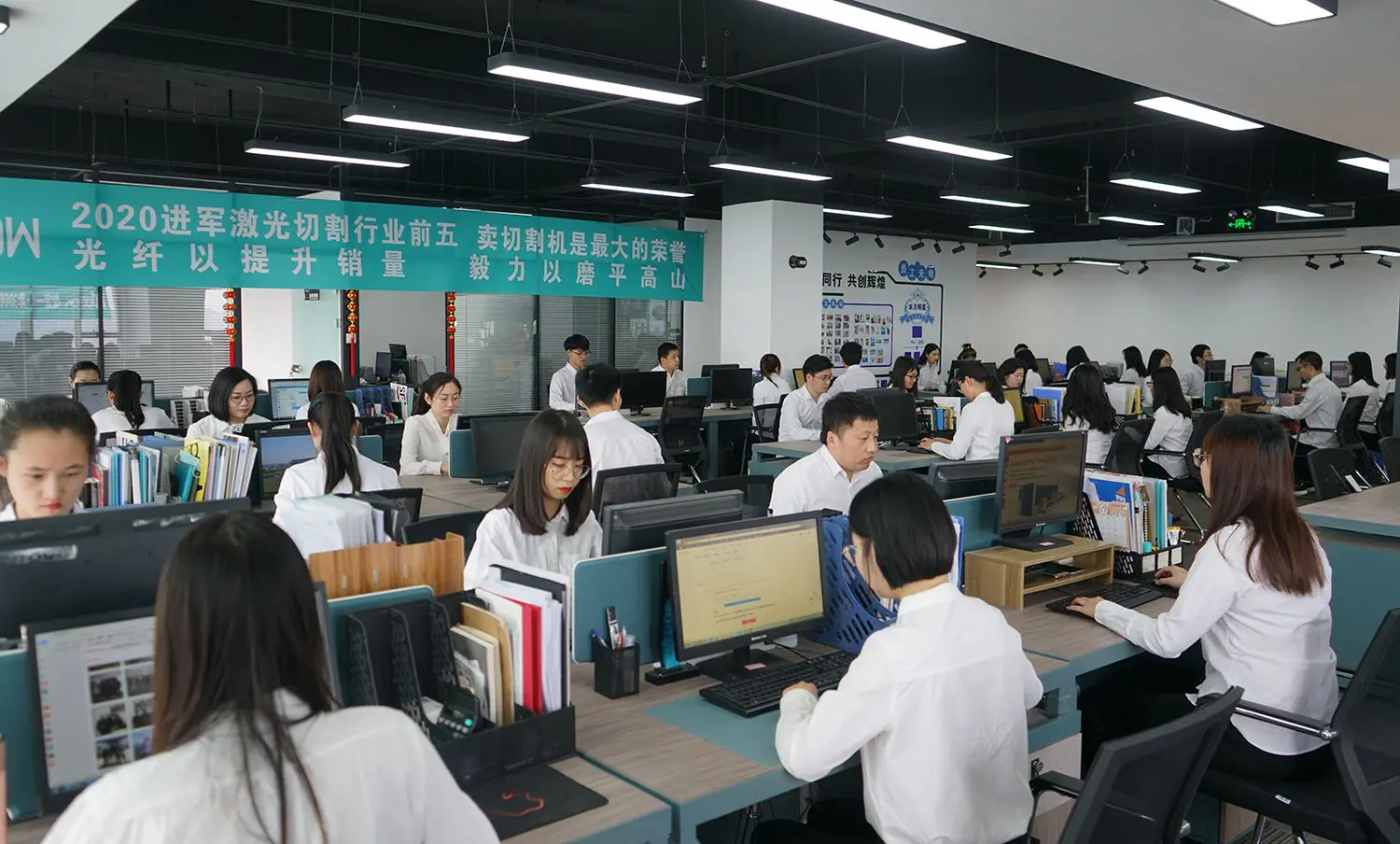
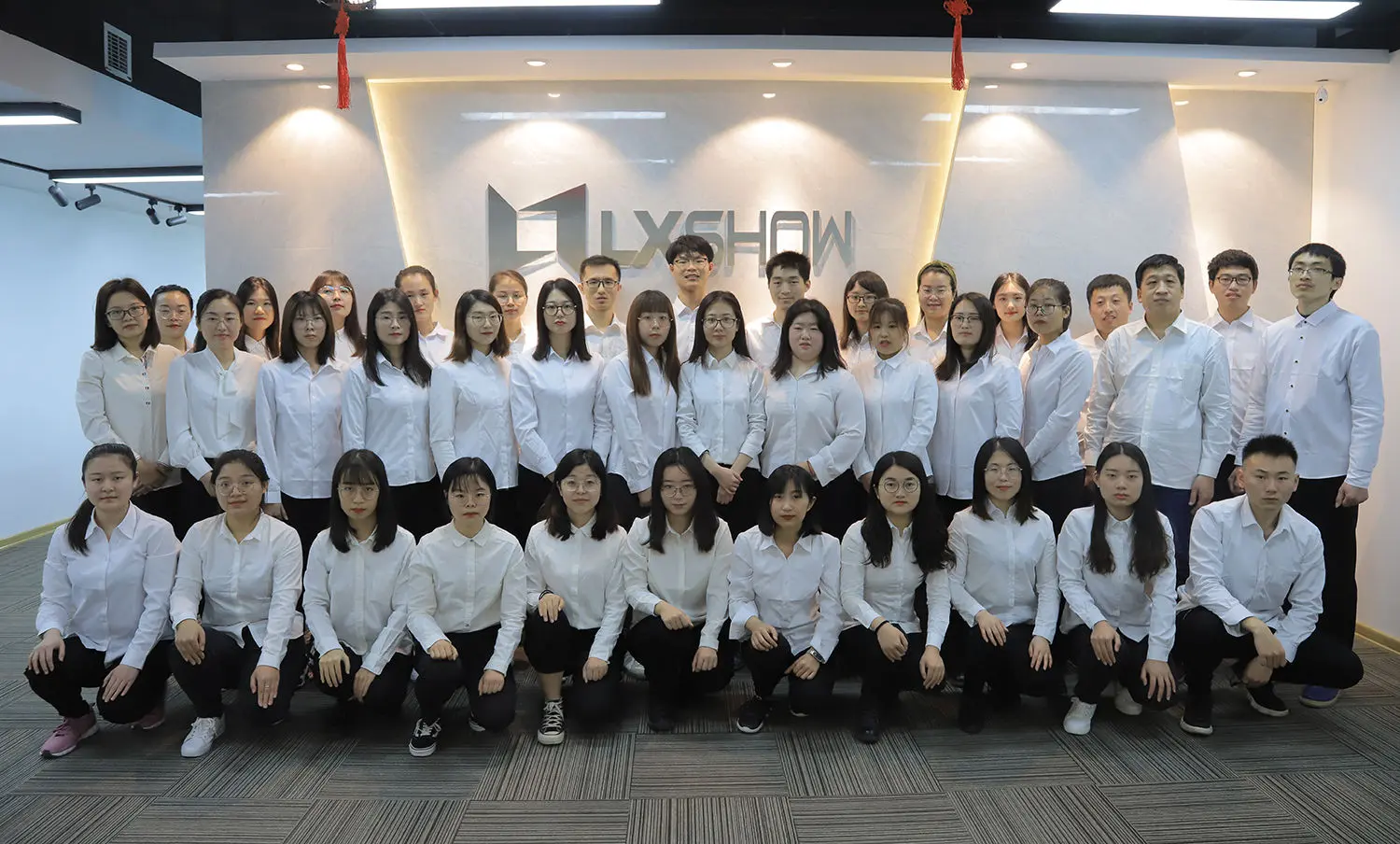
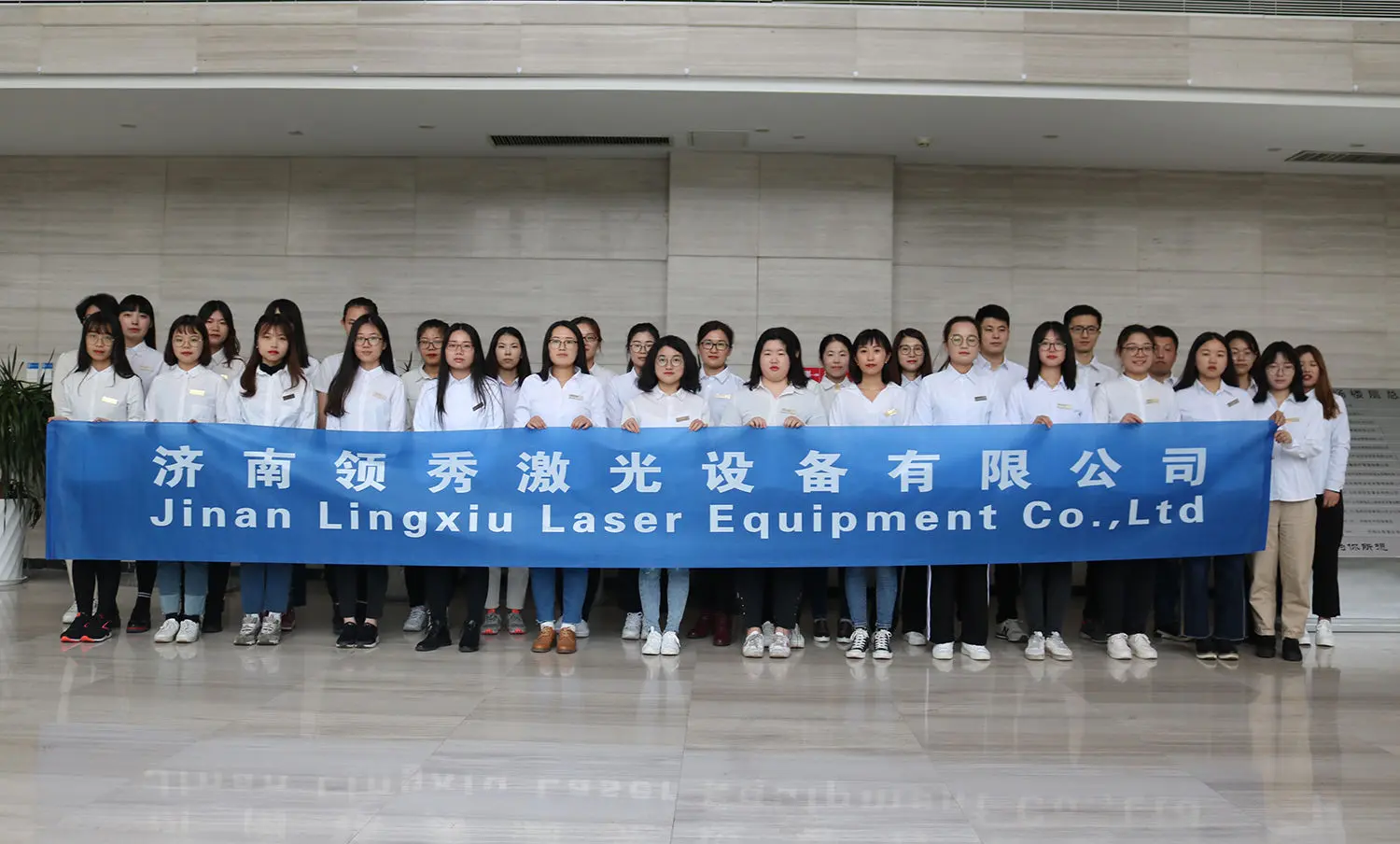
Established in July 2004, we have grown from a localized design group into a global force in the laser manufacturing industry. Today, we oversee a facility sprawling across more than 32,000 square meters of high-capacity production space and maintain a 500+ square meter dedicated R&D center. Our systems serve industries spanning over 150 countries, equipping more than 20,000 end-users with advanced laser cutting, welding, and cleaning technologies.
Compliance is the cornerstone of our global reliability. Every machine in our portfolio has fully passed the European Union's CE authentication, has been verified with the American FDA certificate, and operates under strict ISO 9001 quality management guidelines. In addition to delivering standalone equipment, we act as a principal OEM supplier for more than 30 major international brands.
"We are committed to building Industry 4.0 future plants, helping companies globally deploy smart manufacturing."
Years Laser Experience
Exporting Countries
Square Meters Factory Space
Global Operators & Clients
Analyzing the structural shift toward direct-to-factory Chinese procurement combined with local service centers.
Purchasing heavy CNC machinery or custom laser-cut parts directly from Chinese manufacturers like LXSHOW dramatically reduces upfront capital expenditure. Because of a highly consolidated steel and optoelectronic supply chain in China, companies save 30% to 50% compared to localized western distributors, while securing identical component configurations (IPG, Precitec, YYC, Shimpo).
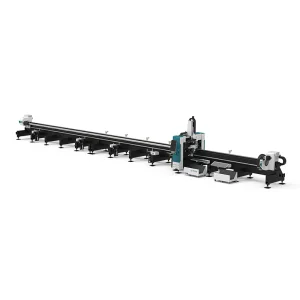
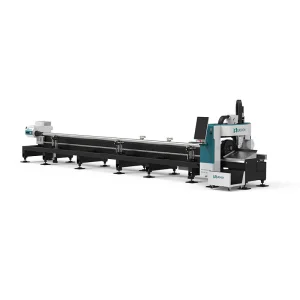
Whether you require a single high-speed tube laser cutter or a continuous monthly run of wholesale stainless steel profiles, our 32,000+ square meter factory provides automated assembly capabilities that local sheet metal shops cannot match. We balance automated material loaders with multi-axis CNC gantries to maintain standard lead times under 15 days.
By using regional port-hubs and establishing dedicated local logistics agents, we bridge the geographical gap. When searching for "laser cutting steel near me," global procurement managers benefit from our local customs clearance assistance, door-to-door delivery, and factory-trained technicians stationed globally for commissioning.
We process diverse alloys with extreme accuracy. Check our standard laser cutting behaviors and thickness limits across various metals.
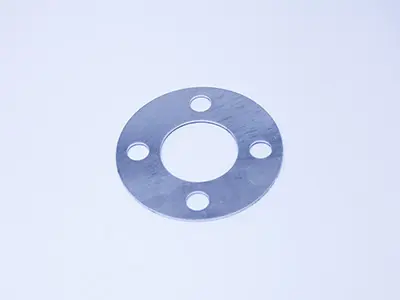
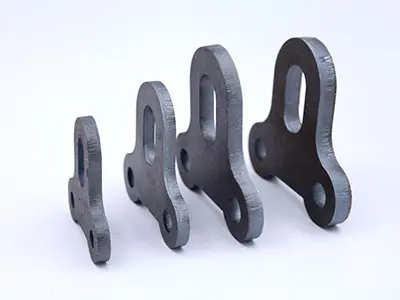
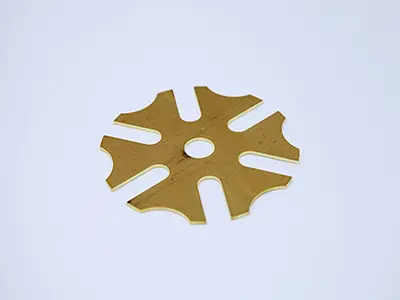
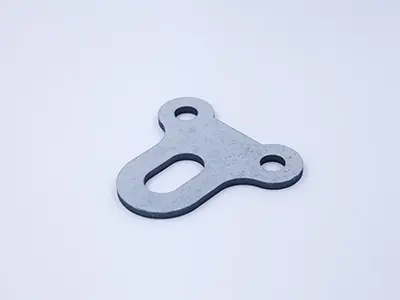
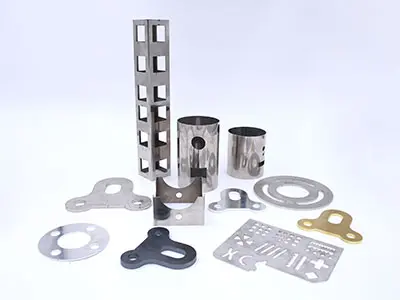
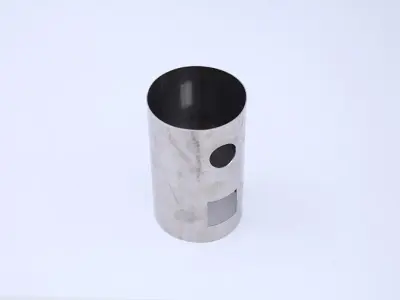
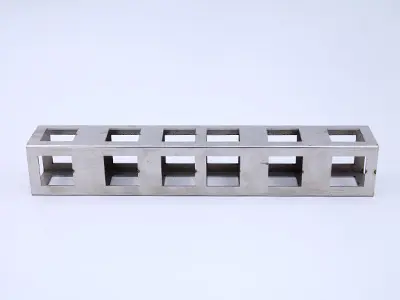
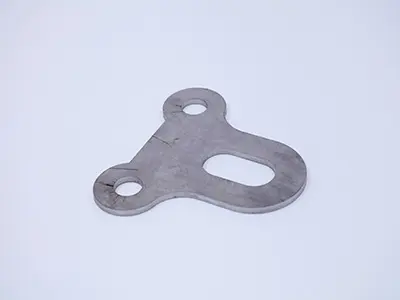
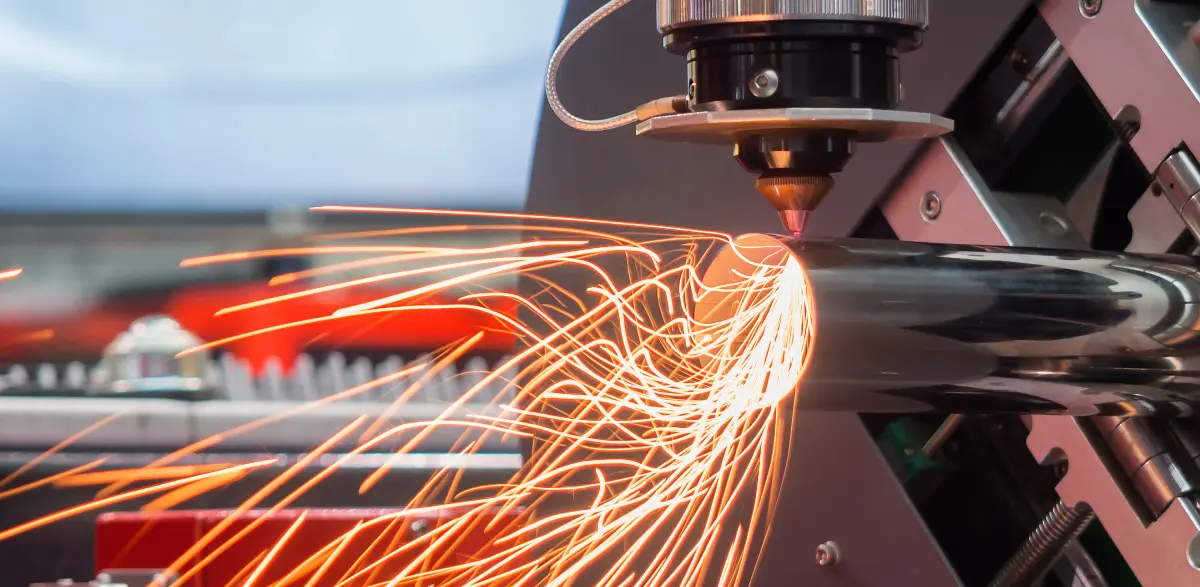
Processing reflective materials such as copper, brass, and aluminum requires precise wavelength optimization and protective optics to prevent back-reflection damage to the resonator. Our machinery utilizes advanced nitrogen and oxygen auxiliary gas injection configurations to produce dross-free cuts, eliminating the need for post-processing.
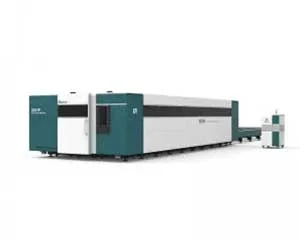
For heavy engineering, our carbon steel fiber laser cutting lines handle structural steel sheets up to 100mm thickness. Backed by dynamic focus adjustment and real-time gas pressure regulation, we provide narrow kerfs and micro-joint capabilities that streamline assembly across aerospace, automotive fabrication, kitchenware manufacturing, and structural steel works.
How our laser cutting, welding, and cleaning machines integrate into high-output international manufacturing plants.
Modern manufacturing demands efficiency. We specialize in building automated production cells that combine sheet metal storage towers, robotic arms, fiber laser cutters, CNC press brakes, and automated deburring machines. This decreases labor costs, removes human assembly errors, and accelerates round-the-clock throughput.
Industries we serve daily include:
According to our latest industry whitepaper, fiber laser technology is developing along three key trajectories.
The industry has crossed the 12kW threshold and is moving quickly toward 30kW, 40kW, and 60kW fiber resonators. High-power systems allow nitrogen cutting of thick carbon steel, producing oxide-free edges ready for immediate structural welding without grinding. This increases throughput by up to 300% on materials above 16mm.
Real-time sensor suites integrated into modern cutting heads (such as Precitec ProCutter) use machine learning to detect cutting abnormalities, instantly adjusting nozzle height, assist gas pressure, and focus position to avoid collision and reduce material scrap by up to 18%.
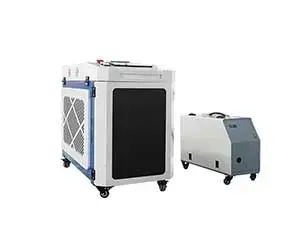
Rather than treating laser cutting, bending, and cleaning as separate stages, factories are linking these steps. By integrating a backpack style fiber laser cleaner with an automated press brake, parts are cut, descaled, bent, and welded inside a single, continuous work cell.
Discover our comprehensive auxiliary lines including high-capacity press brakes, metal cleaners, and multi-axis cladding systems.
Evaluating the essential logistics, technical assurance, and communication benchmarks required by international operations.
For procurement directors managing modern manufacturing budgets, purchasing CNC fiber lasers directly from our facility offers a strategic advantage. It bypasses the cost inflation of local third-party distributors while establishing a direct line to our engineers. This makes it easier to customize system gantries, bed lengths, and laser power levels to your production requirements.
Every machine is built according to CE (EN 60825-1) guidelines and comes with certified laser safety enclosures. Class 4 laser paths are fully isolated inside sheet steel covers featuring optical observation windows, protecting operators in compliance with OSHA and European health and safety standards.
Our long-term partnerships with brands like Cypcut, Raytools, Raycus, IPG, and SMC ensure that consumable components—including cutting nozzles, ceramic rings, protection windows, and collimators—are stocked in key shipping centers globally. This minimizes potential downtime.
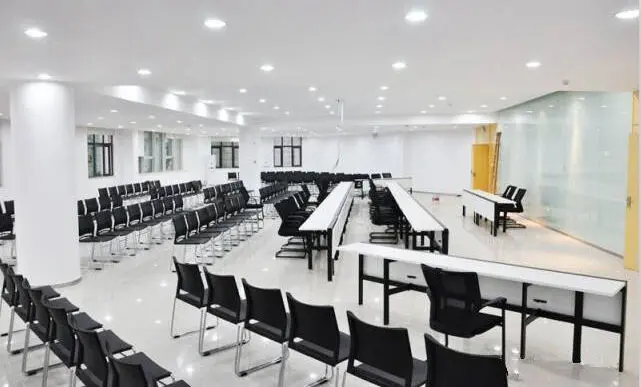
We provide structured training programs for operators, covering CNC software programming, nesting optimization, maintenance protocols, and safety standards. Our goal is to ensure a smooth transition from delivery to daily production, helping your business run more efficiently.
Detailed answers to technical, mechanical, and logistical questions frequently raised by global industrial buyers.
Oxygen (O2): Primarily used for carbon steel. The reaction between oxygen and iron generates additional heat, allowing lower-power systems to cut thicker plates. This leaves an oxidized layer on the cut edge, which must be removed before welding or painting.
Nitrogen (N2): Typically used for stainless steel and aluminum. Nitrogen acts as a cooling and shielding gas, preventing oxidation. This produces a bright, clean, weld-ready edge, but requires higher gas volume and pressure, which increases operation cost.
Compressed Air: A cost-efficient option for cutting thin stainless steel and mild steel. It requires clean, dry, oil-free air pressurized to at least 15-20 bar. It offers faster speeds for thin gauges compared to nitrogen, but leaves a very light oxidation film.
High-speed laser cutting involves rapid acceleration and deceleration. If the machine frame is too light, these forces cause structural vibration, resulting in cutting waviness and reduced accuracy over time.
We use heavy-duty steel plates welded together to form our machine frames. These frames undergo high-temperature stress-relief annealing (at over 600°C) to eliminate internal stress, followed by precision milling. This process helps ensure the gantry remains stable and accurate for over a decade of continuous factory operation.
Cost Optimization: Eliminating local middleman markups saves 30% to 50% on capital expenditures, allowing factories to reinvest in larger facilities or higher-power laser sources.
Direct Customization: Local distributors usually sell pre-configured, standard models. Working directly with us allows you to customize the bed width, axis travel, and software integration to your production requirements.
Direct Technical Support: Local distributors are often sales-focused, with limited technical personnel. We connect you directly with the engineers who designed and built your machine, helping resolve technical issues faster.
Most modern fiber laser resonators (such as IPG, Raycus, or Maxphotonics) have a rated diode lifespan of approximately 100,000 operational hours under optimal factory conditions. When operated 8 hours a day, 5 days a week, this translates to roughly 30 years of potential use.
To maximize this lifespan, the system must operate in a clean, temperature-controlled environment, using high-quality chillers with deionized water to prevent scale buildup in the cooling channels.
We secure machines in heavy wooden crates with vacuum barrier packaging to prevent moisture and corrosion during ocean transport. Larger gantry structures are secured in open-top containers with heavy straps to prevent shifting.
Upon arrival, our international technical team is available to handle unloading, installation, configuration calibration, and staff training at your facility. This ensures the system is fully operational and safe to run from day one.
 Lxshow