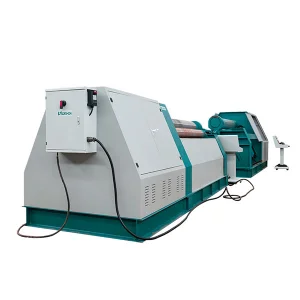
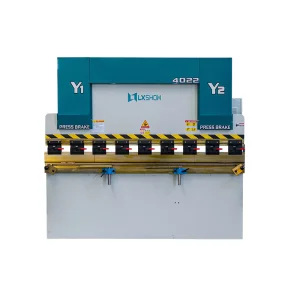
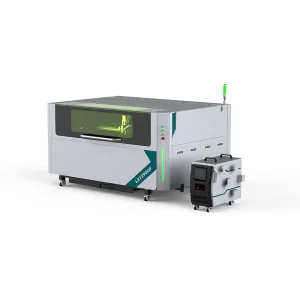
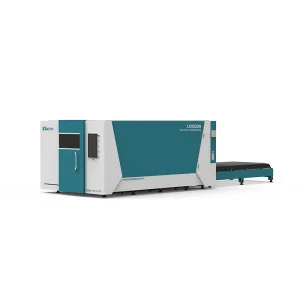
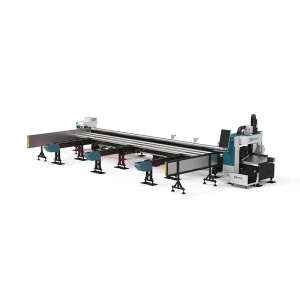
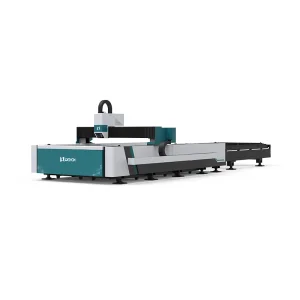
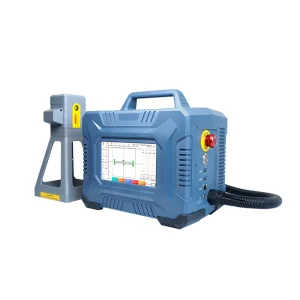
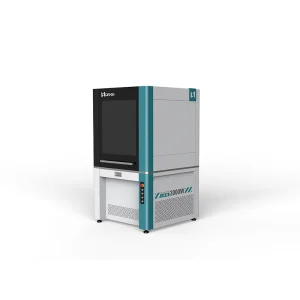
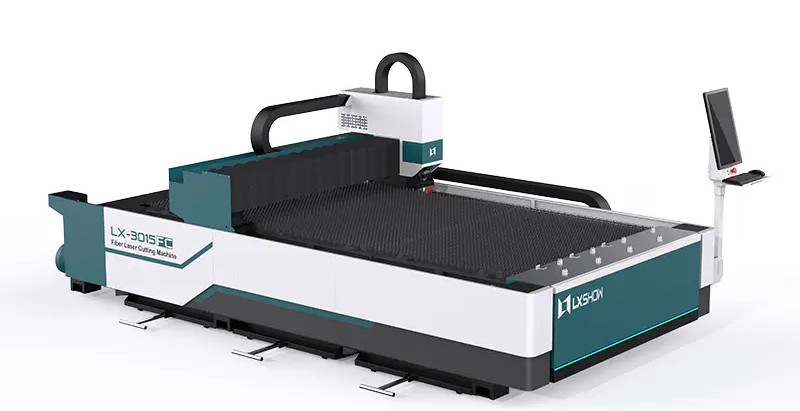
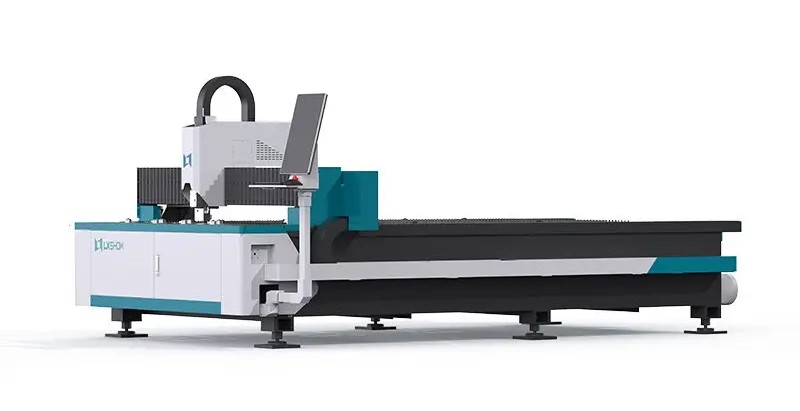
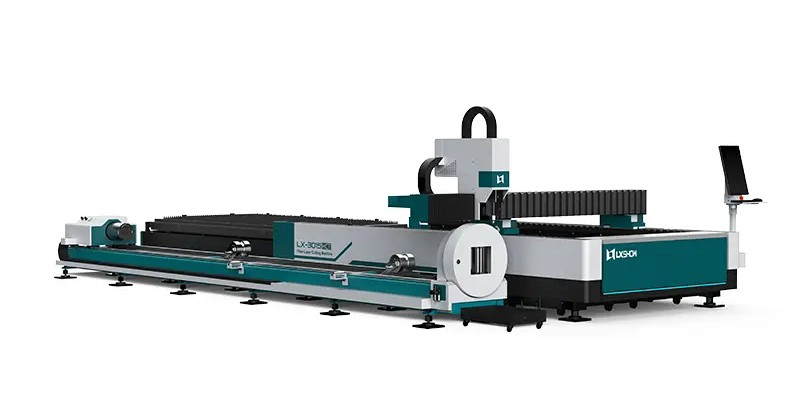
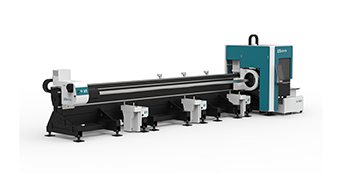
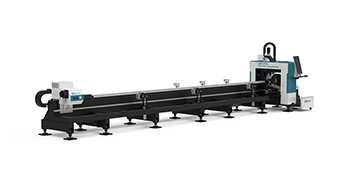
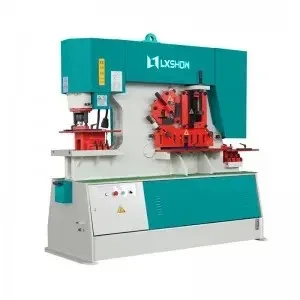
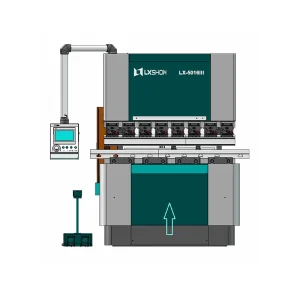
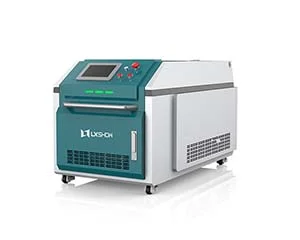
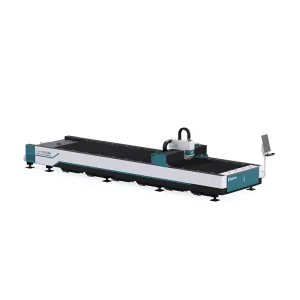
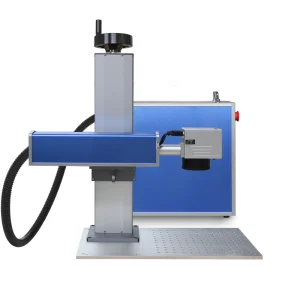
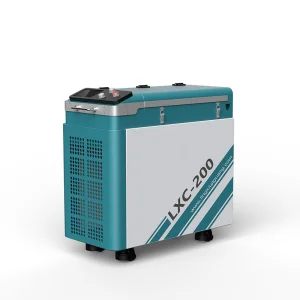
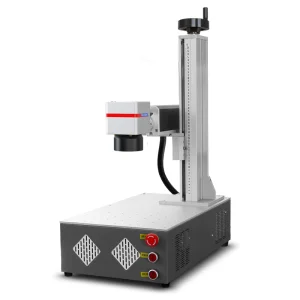
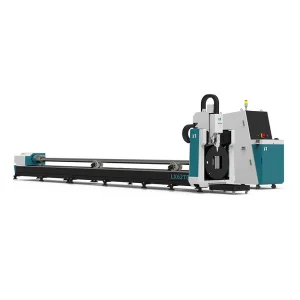
Explore our flagship systems engineered for high efficiency, multi-axis precision, and low-waste industrial cutting.
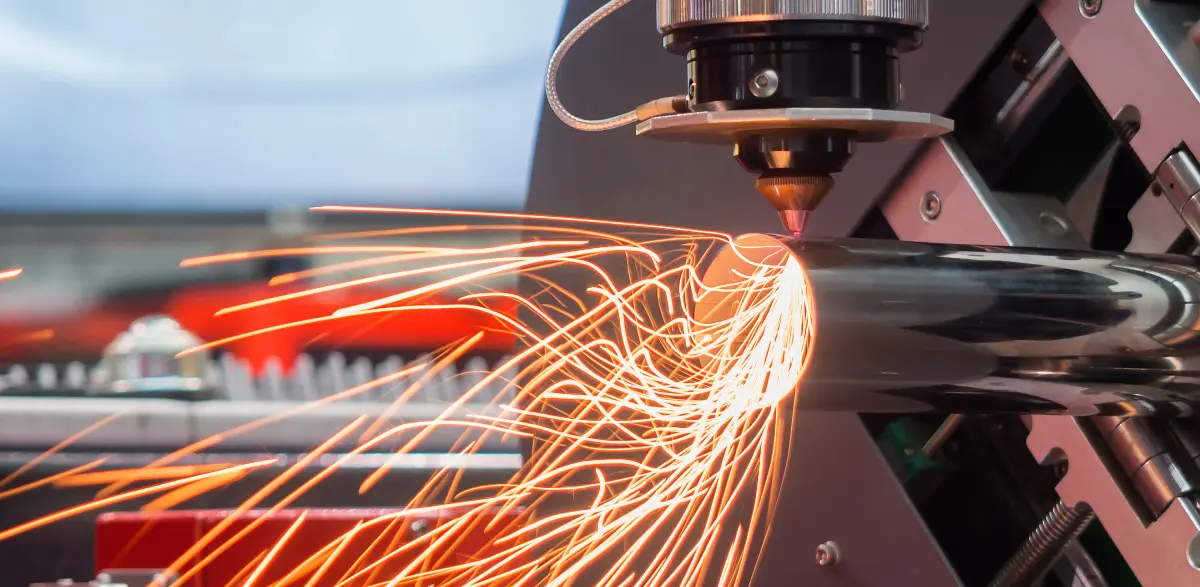
Cutting stainless steel demands meticulous control over thermal input and beam stability. Traditional CO2 lasers, while historically effective, have been largely replaced by Fiber Laser Technology. Fiber lasers operate at a wavelength of approximately 1.06 µm, which is highly absorbed by metals, especially stainless steel, compared to the 10.6 µm wavelength of CO2 lasers. This allows for significantly higher cutting speeds and enhanced edge quality on thin to medium-thickness sheets.
For stainless steel, minimizing the heat-affected zone (HAZ) is crucial to preserve the material's corrosion resistance. High power density, combined with pressurized Nitrogen (N2) or Oxygen (O2) assist gas, ensures clean kerfs with zero oxidation. When cutting high-end food-grade SUS304 or marine-grade SUS316, Nitrogen is chosen to suppress micro-cracking and slag build-up, resulting in a mirror-like finish directly off the bed.
As a leading Chinese manufacturer, our R&D focuses on optimizing the dynamic gas dynamics within the cutting head. By refining nozzle designs and introducing autofocus collimating optics, we achieve unmatched precision, reducing secondary finishing costs to zero for global fabricators.
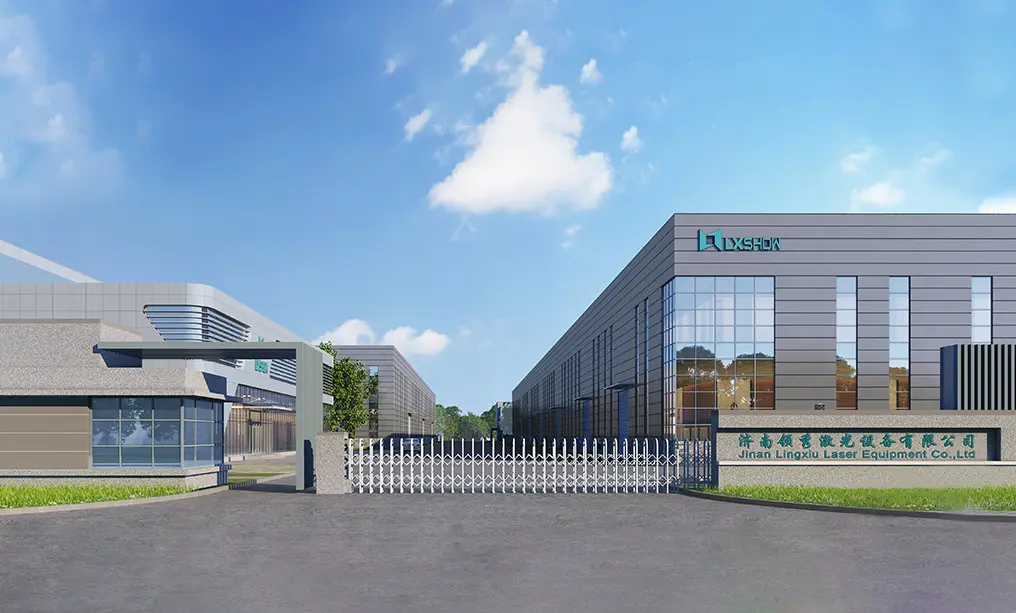
A global leader in smart manufacturing equipment since July 2004, offering heavy industrial scale and complete certifiable quality control.
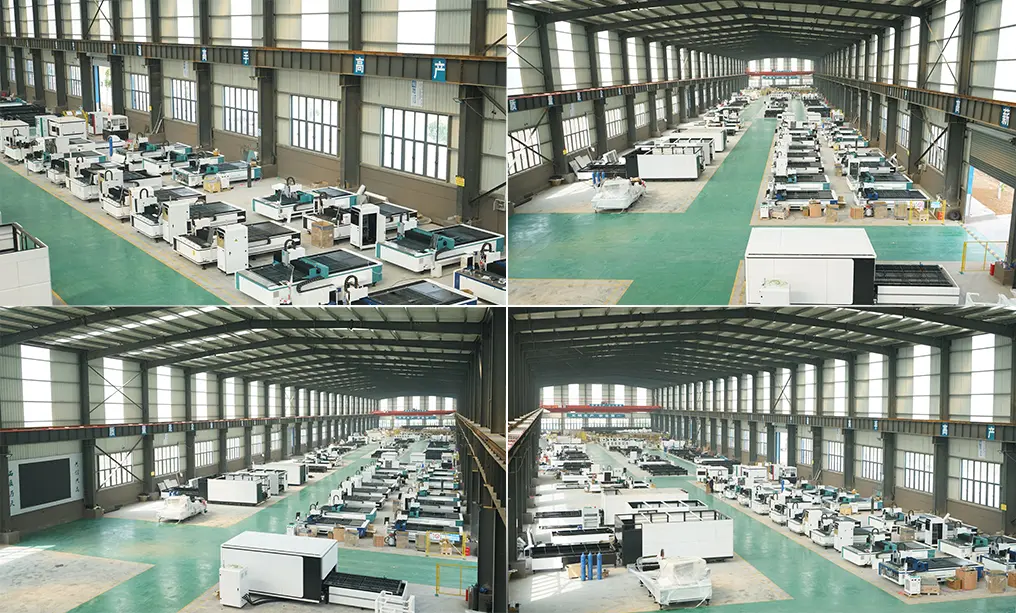
Founded in July 2004, our facility has grown to cover over 32,000 square meters of high-tech production halls and 500 square meters of dedicated optical and machine R&D labs. As a trusted OEM service provider for more than 30 prestigious international brands, we maintain rigorous processing standards at every stage of fabrication.
We are dedicated to building future plants based on Industry 4.0 principles, assisting companies in transitioning to smart manufacturing and IoT-integrated production lines.
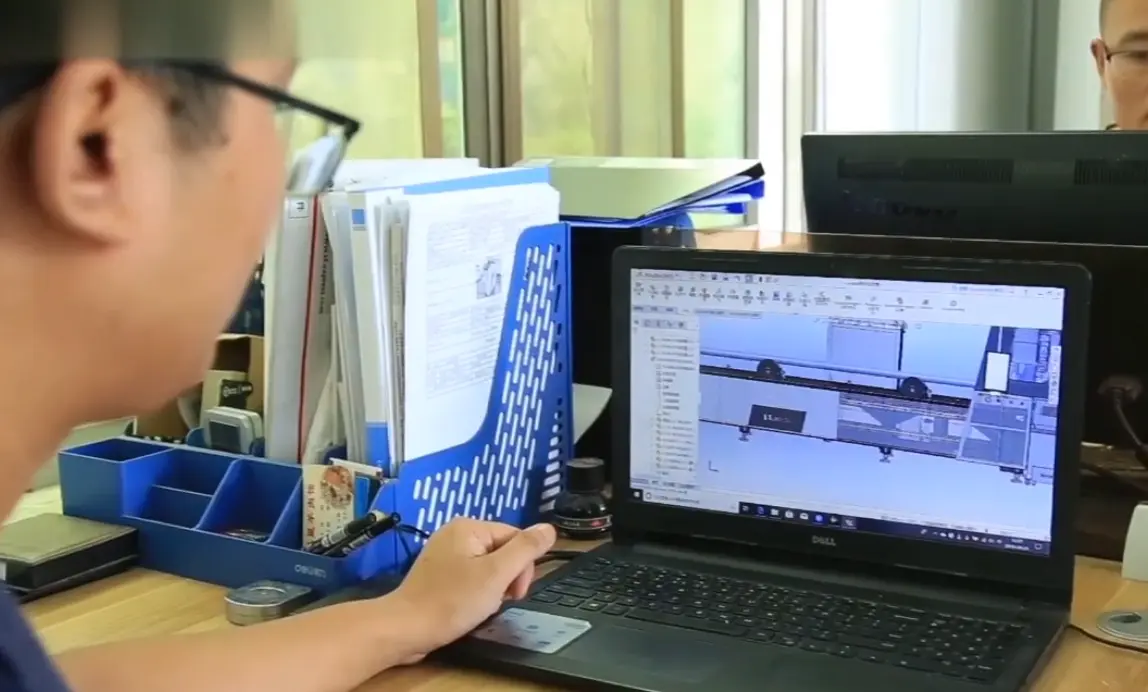
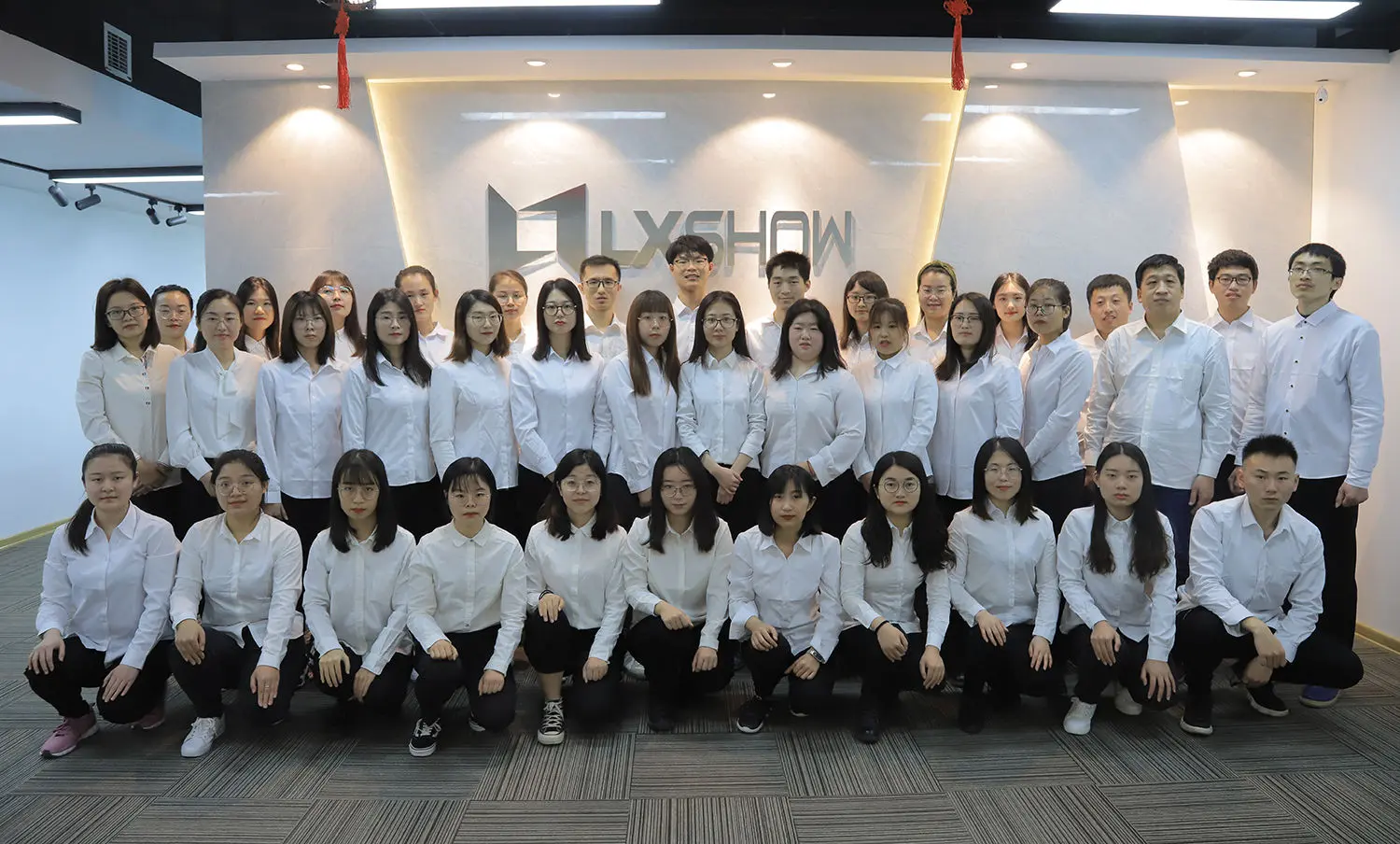
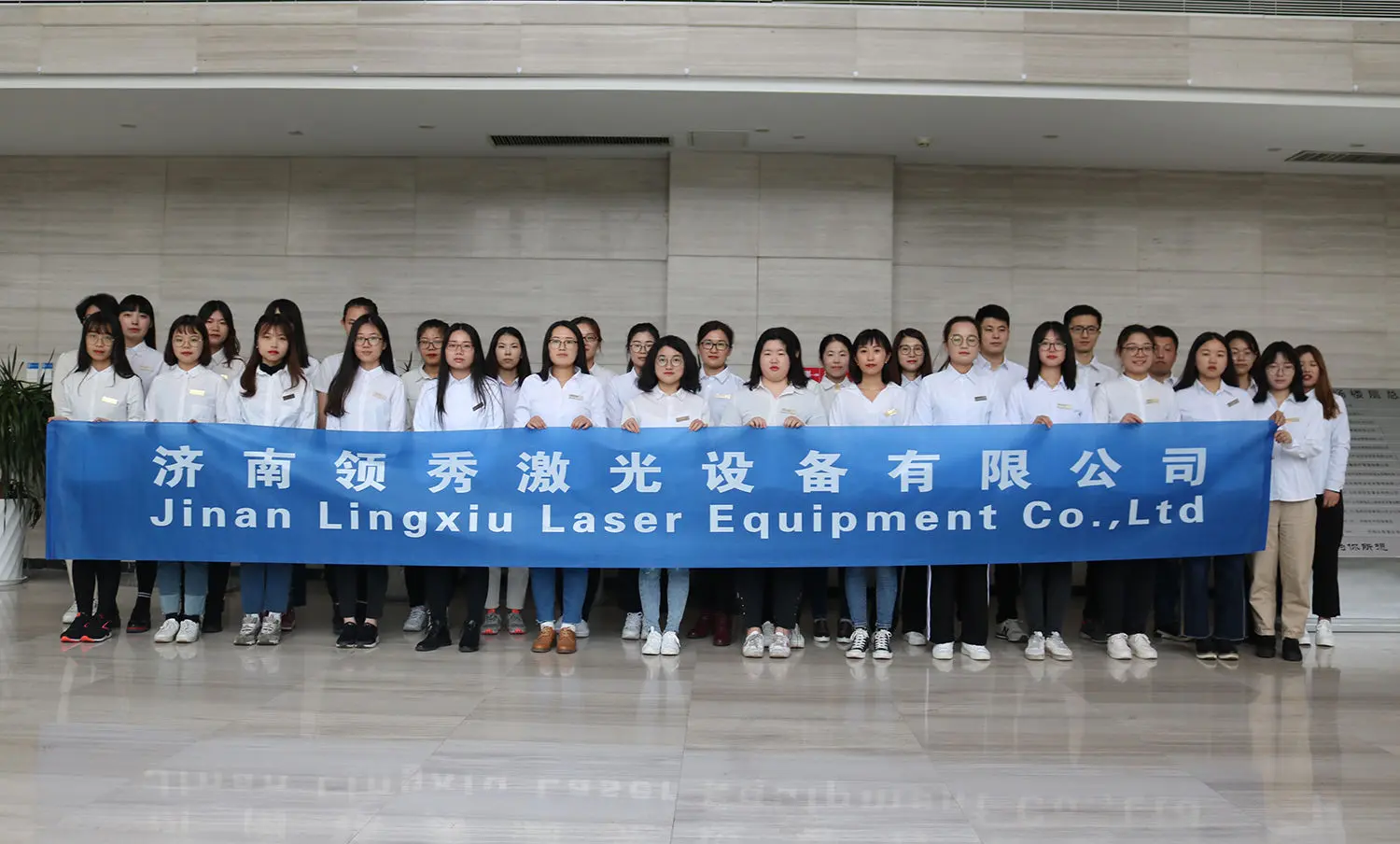
A reference guide for international engineers and procurement managers analyzing performance metrics for laser cutting of stainless steel.
| Laser Source Power | Material Type | Optimal Cutting Thickness (mm) | Maximum Cutting Thickness (mm) | Assist Gas Requirement | Cutting Surface Quality |
|---|---|---|---|---|---|
| 1,500W Fiber | SUS304 / SUS316L | 1.0 mm – 3.0 mm | 6.0 mm | Nitrogen (N2) / Air | Clean edge, minimal burr |
| 3,000W Fiber | SUS304 / SUS316L | 1.5 mm – 6.0 mm | 10.0 mm | High Pressure Nitrogen | Bright band, zero oxidation |
| 6,000W Fiber | SUS304 / SUS316L | 2.0 mm – 12.0 mm | 20.0 mm | Nitrogen (N2) / Oxygen (O2) | High speed, perpendicular edge |
| 12,000W+ Ultra-Power | SUS304 / SUS316L | 3.0 mm – 25.0 mm | 50.0 mm+ | Dynamic Ultra-Pressure N2 | Mirror-finish, high throughput |
Note: The parameters listed above are based on standard optical components and nitrogen purities exceeding 99.999%. Real-world feed rates vary based on material surface finish, dynamic servo tuning, and ambient moisture control.
Our technologies support diverse materials and sectors, providing dedicated processing from thin sheet metal to complex profile tubes.
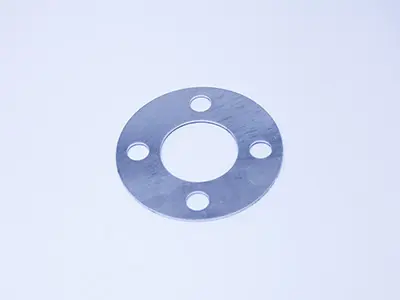
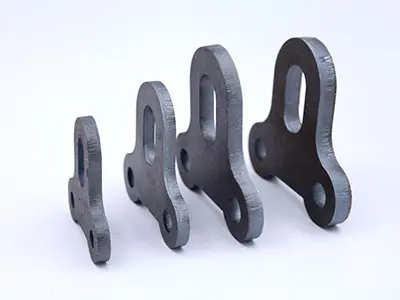
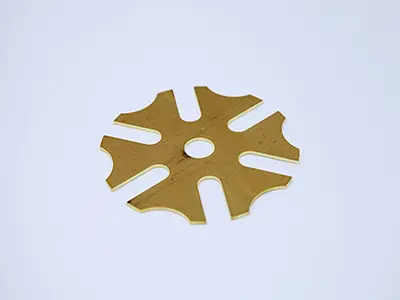
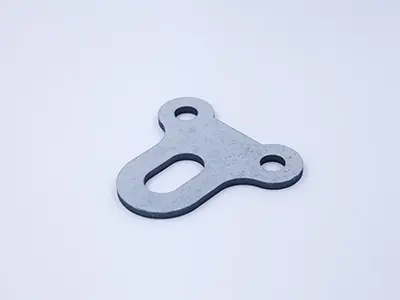
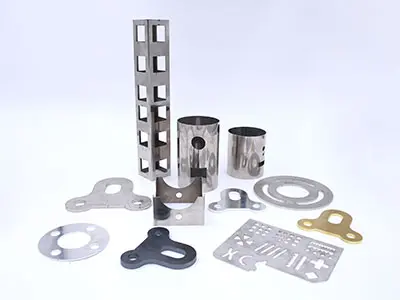
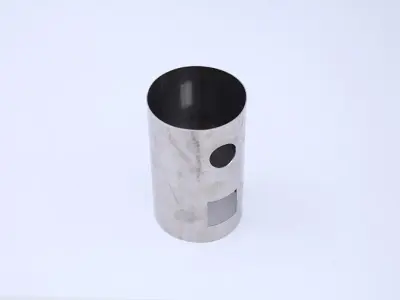
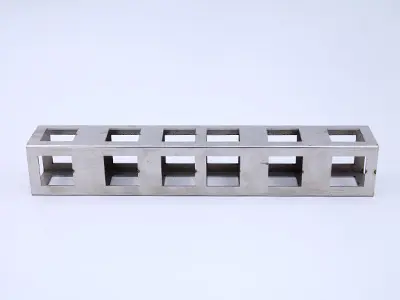
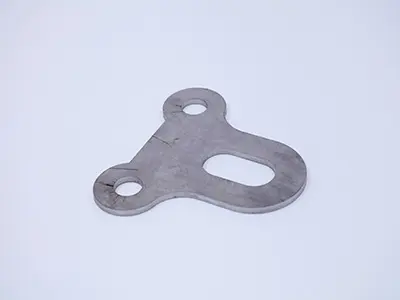
Our laser processing systems are vital to industries demanding precision and efficiency. In the steel and aerospace industries, they cut thick structural components, while the packaging and craft gifts sectors benefit from high-speed, detailed marking. In automotive, machinery, and mold manufacturing, they support sheet and tube cutting for exhaust parts, chassis structures, and heavy machinery frames. Additionally, our machines process high-conductivity copper and delicate silicon layers for integrated circuit and semiconductor fabrication, and cut complex molds for the plastics and rubber industries.
Providing integrated laser processing systems across cladding, cleaning, welding, and high-precision mechanical forming.
Our heavy-duty cladding systems apply wear-resistant layers to industrial tooling, extending the service life of high-stress components in mining and power generation.
Non-contact, eco-friendly systems for rust, paint, and oxide removal. Essential for preparing stainless steel joints before high-vacuum welding.
High-efficiency fiber welders for seamless joints in kitchenware, electrical enclosures, and architectural cladding without distortion.
How we are driving automation, intelligent feedback loops, and green energy compliance in structural metal fabrication.
Integrating high-speed optical sensors in cutting heads to monitor kerf quality in real-time, automatically adjusting gas mix and focal position to eliminate waste.
Unifying CNC lasers with automated loading systems, bending cells, and warehouse software to allow autonomous operations with zero human intervention.
Transitioning to high-efficiency diode-pumped systems to cut power draw by 40%, aligning with global net-zero regulations for manufacturing plants.
Addressing the technical, logistics, and operational questions commonly asked by international metal manufacturers.
Nitrogen is an inert gas that acts strictly as a shielding and cooling agent to blow away molten metal without chemical reaction. Oxygen, conversely, initiates exothermic combustion. This burns the metal to produce heat, which can lead to oxidation and scaling on stainless steel. Nitrogen ensures clean, bright, and scale-free cut edges, preserving corrosion resistance for food, medical, or architectural applications.
While stainless steel is reflective, it absorbs the 1.06 µm wavelength of fiber lasers much better than the 10.6 µm wavelength of CO2 lasers. Modern fiber lasers also include back-reflection isolation mechanisms, protecting the laser diodes from damage caused by reflected light when processing mirror-finish sheets.
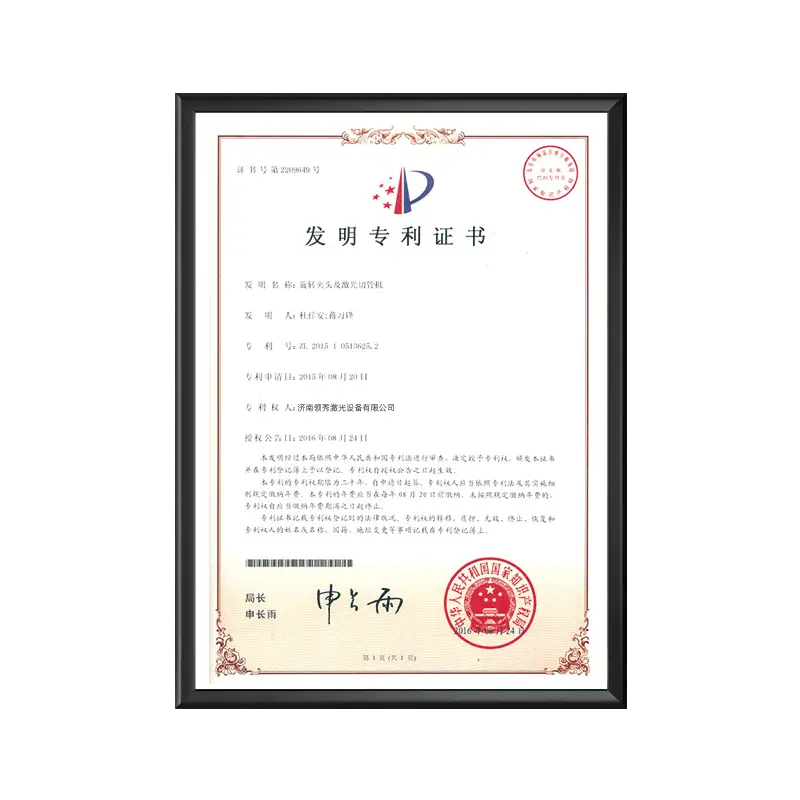
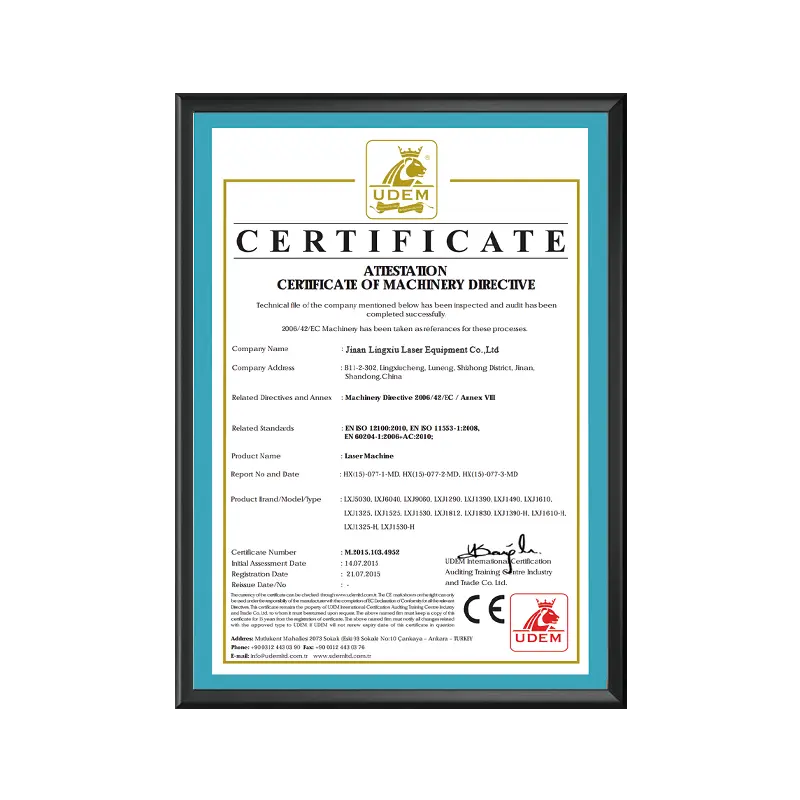
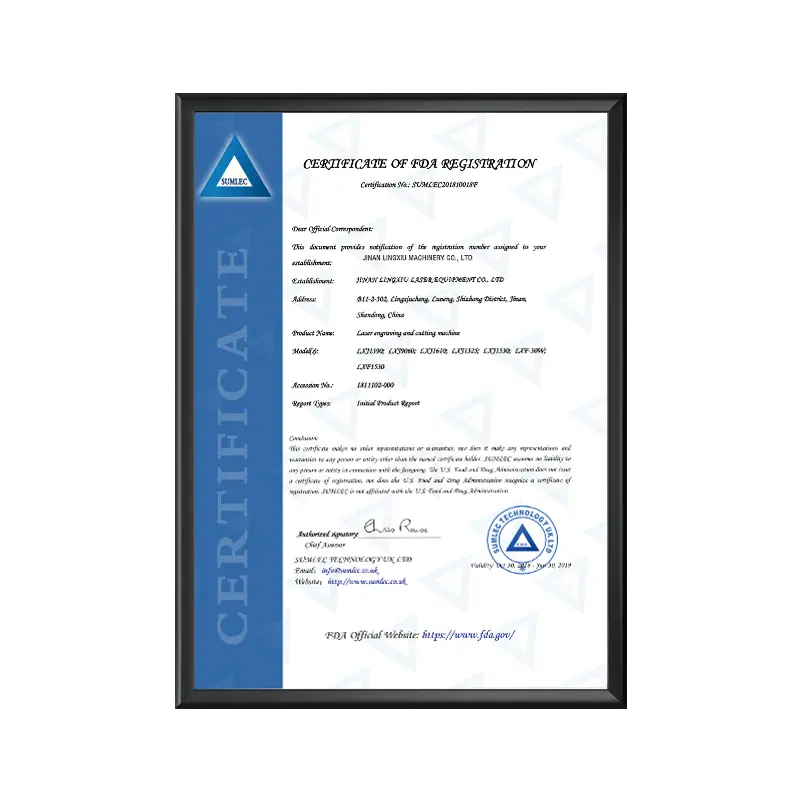
Our complete machinery line carries full European Union CE compliance, US FDA registration for laser safety, and is built in facilities certified under ISO 9001. We provide all necessary compliance documentation for smooth customs clearance and local health and safety inspections.
A key factor is structural rigidity. We use heavy welded plate structures and cast iron gantries, which are stress-relieved via annealing to ensure high accuracy over years of operation. High-speed gantry travel requires robust servo motors (such as Yaskawa) and helical racks to maintain speed and positioning accuracy.
Yes. We provide complete installation and commissioning support globally. Our field engineers travel for on-site setup, calibration, and training. Additionally, we provide online support and remote diagnostics through integrated software to address issues and reduce downtime.
Our laser heads feature sealed optics with protective cover slides to prevent dust contamination. Positive pressure air purge systems keep particles away from the focus lens. We train operators in simple daily check routines to ensure optimal beam quality and extend lens life.
Explore our comprehensive lineup of industrial machinery, including laser cutters, tube processors, bending machines, and cleaning tools.
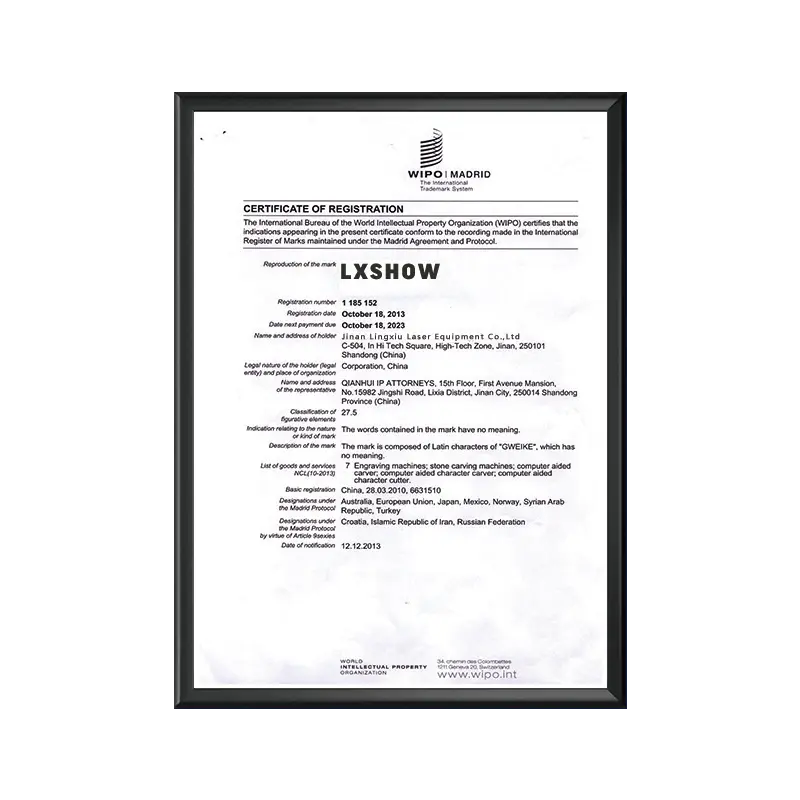
 Lxshow