Explore our leading fiber laser cutting systems, polishing machines, and advanced laser surface treatment technologies.
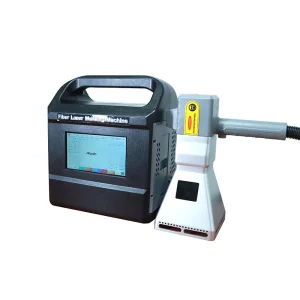
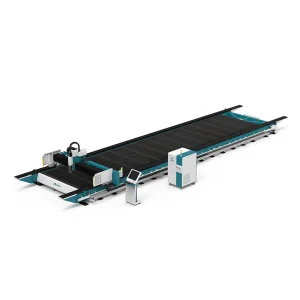
Founded in July 2004, our enterprise has stood at the forefront of the global laser smart equipment revolution. With over 500 square meters of dedicated engineering R&D labs and a state-of-the-art 32,000+ square meter manufacturing facility, we provide highly integrated fiber laser cutting, welding, and surface treatment solutions to fabricators worldwide.
We design and construct smart manufacturing hubs aligned with Industry 4.0 paradigms. In doing so, we assist mid-market and enterprise fabrication facilities in setting up highly automated production lines, optimizing processing speeds, and maximizing material utilization. Every single piece of equipment we manufacture undergoes meticulous quality control, backed by global standards.
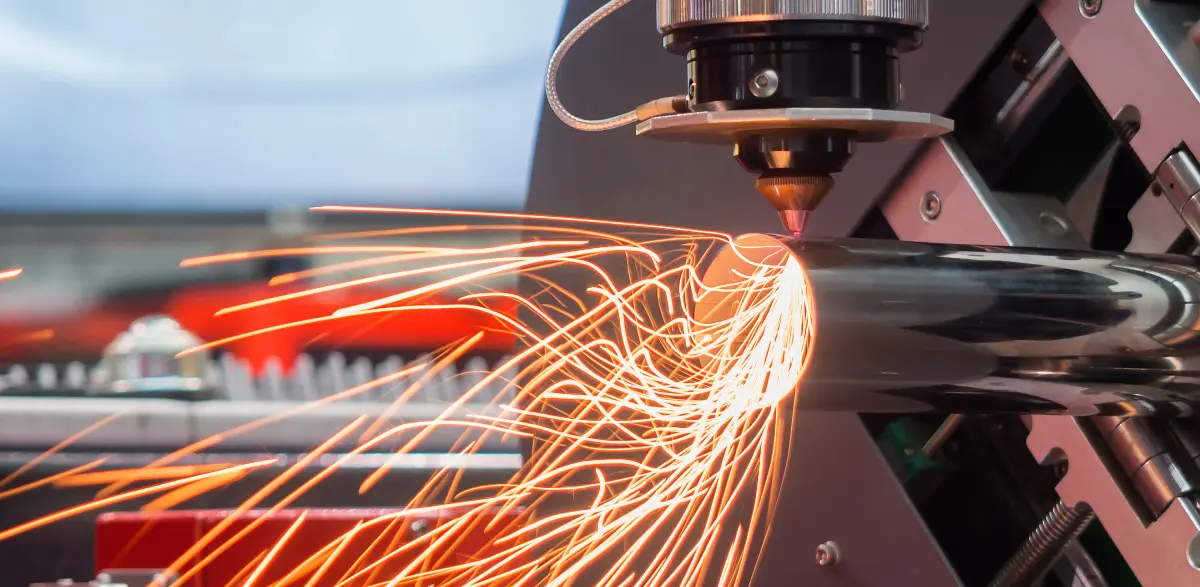
The sheet metal fabrication market is evolving rapidly. High power density, automation integration, and energy efficiency are driving procurement choices.
The transition from CO2 lasers to high-power fiber lasers has accelerated. Multi-kilowatt fiber lasers (exceeding 10kW) allow for high-speed cutting of thick carbon steel and stainless steel plates, replacing traditional plasma cutting methods and substantially lowering the cost-per-part.
Modern machines feature sophisticated CNC suites integrated with intelligent nesting software. This minimizes material waste by optimizing the arrangement of components on sheet metal, dynamically adjusting laser head flight paths, and mitigating collision risks during high-speed cutting.
Advancements in gas injection mechanisms mean modern systems utilize high-pressure air cutting or specialized nitrogen-oxygen mixtures to process sheet metal. This reduces dependency on expensive auxiliary gases while improving the edge finish quality on stainless steel and aluminum.
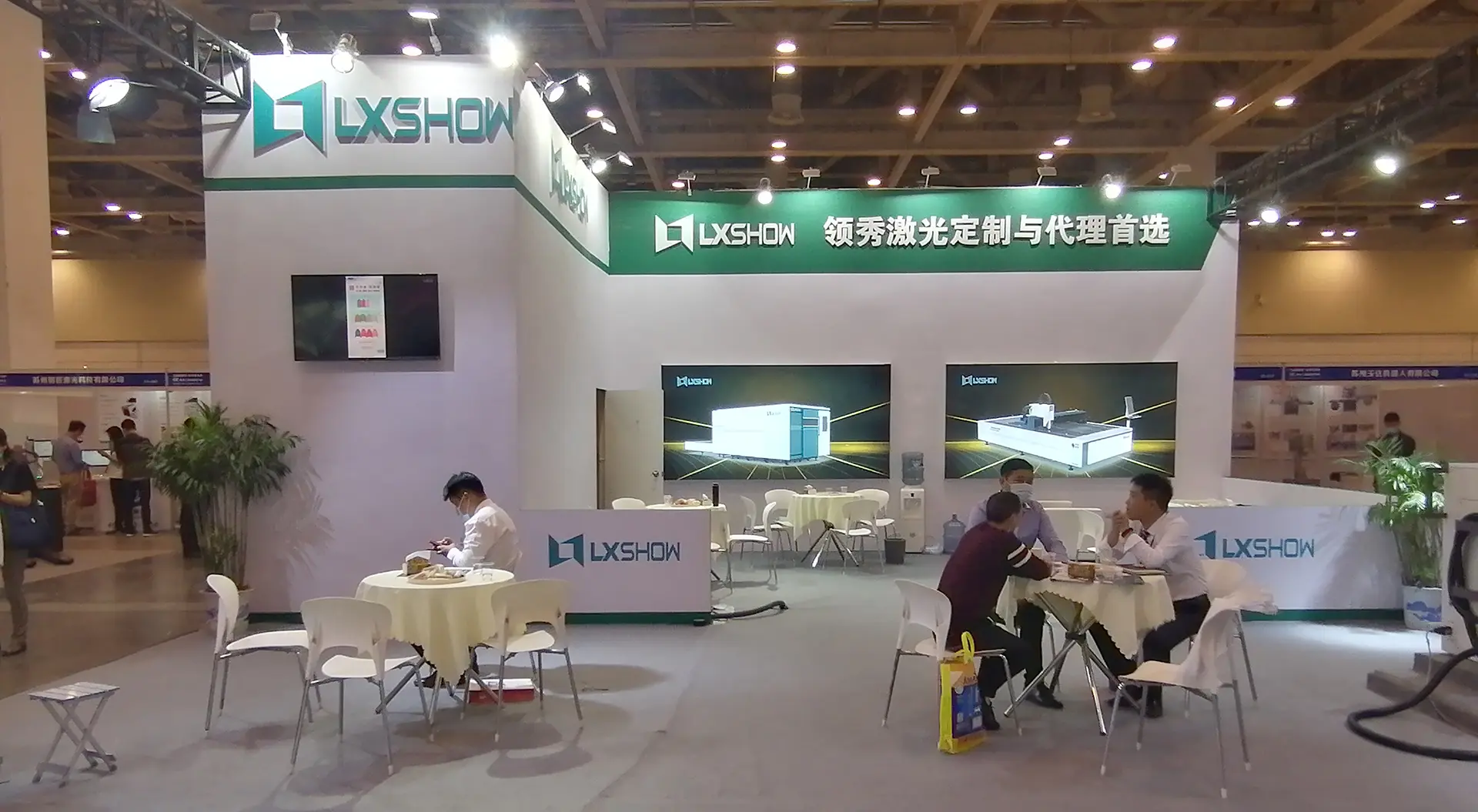
China’s advanced manufacturing hubs leverage deep supply chain integration. From heavy structural weldments and precise linear guides to advanced optical components and laser sources (e.g., Raycus, Maxphotonics), every element is sourced, calibrated, and stress-relieved within a highly coordinated manufacturing cluster.
At our facility, this supply chain concentration enables us to enforce strict Quality Control protocols at every assembly stage. We implement automated stress-annealing on steel frames, precision machining of gantry alignment systems, and comprehensive thermal imaging on laser heads. The result is equipment capable of continuous 24/7 industrial duty cycles at a significantly lower total cost of ownership (TCO).
By integrating automated sheet loading systems and robotic unloaders, we assist facilities globally in addressing skilled labor shortages and scaling output without compromising processing precision.
A comprehensive technical guide for global buyers and procurement managers selecting industrial laser cutting machinery.
Specify a laser source that aligns with your primary material portfolio. For reflective metals like copper and aluminum, select sources with robust back-reflection protection systems (e.g., nLIGHT or IPG). For carbon steel, Raycus and Maxphotonics offer exceptional performance-to-cost ratios.
High acceleration (1.0G - 2.0G) requires a heavy, stress-relieved gantry frame. Ask manufacturers for mechanical annealing logs of the machine bed. Lightweight, poorly welded structural frames can warp over time, compromising tolerances.
Ensure machines conform to international laser protection protocols. Enclosed machines (Class 1 laser rating) with specialized protective glass viewports are highly recommended for high-wattage configurations, safeguarding staff and containing dust emissions.
A transparent look into our 32,000m² factory, engineering workspaces, and international support team.
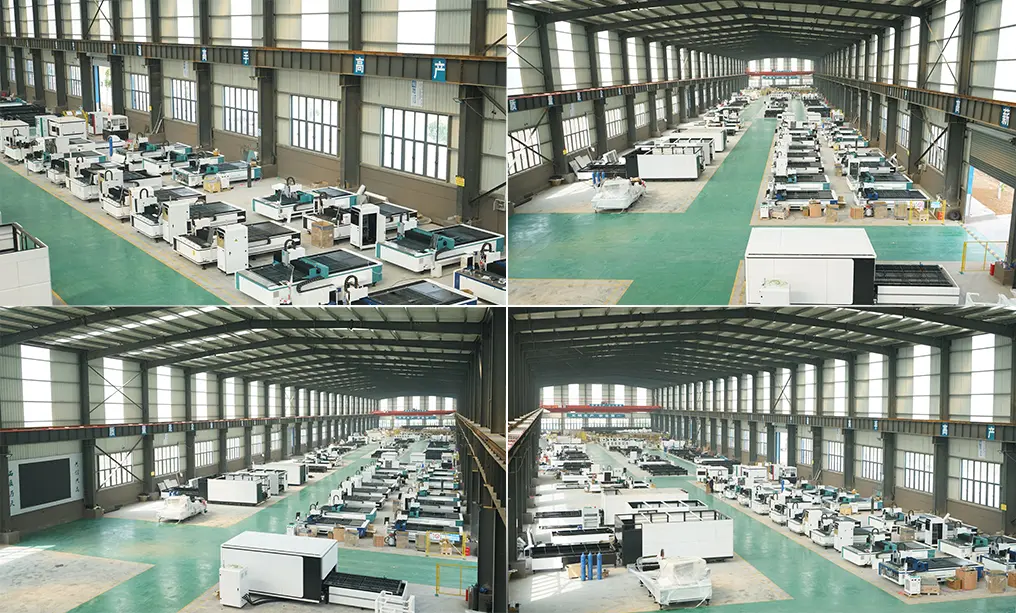
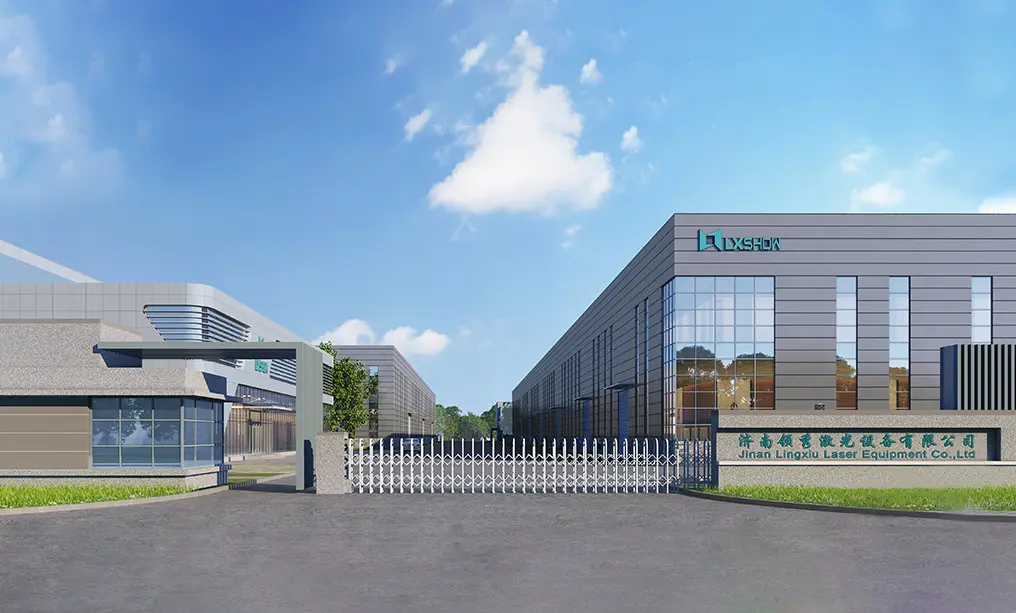

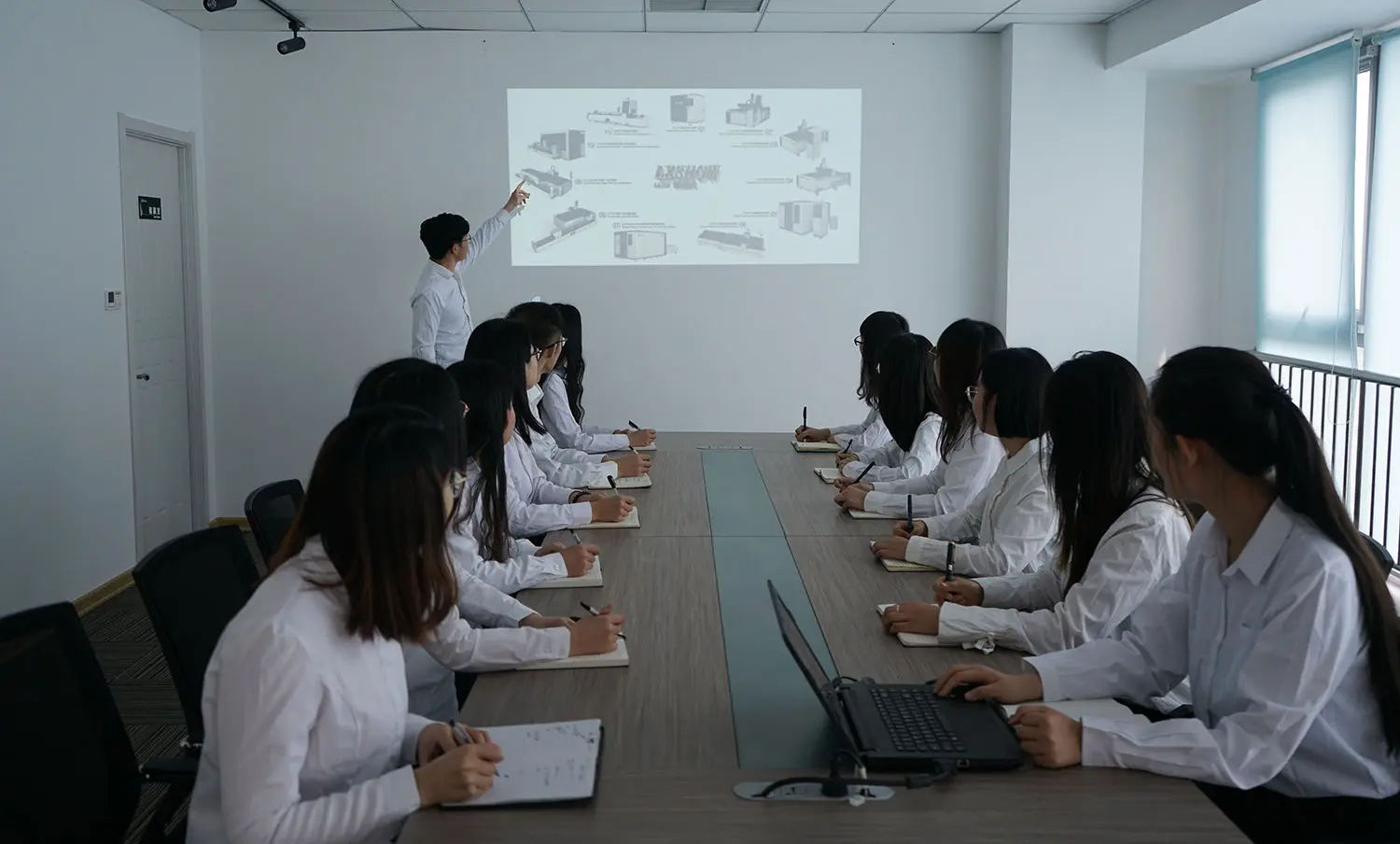
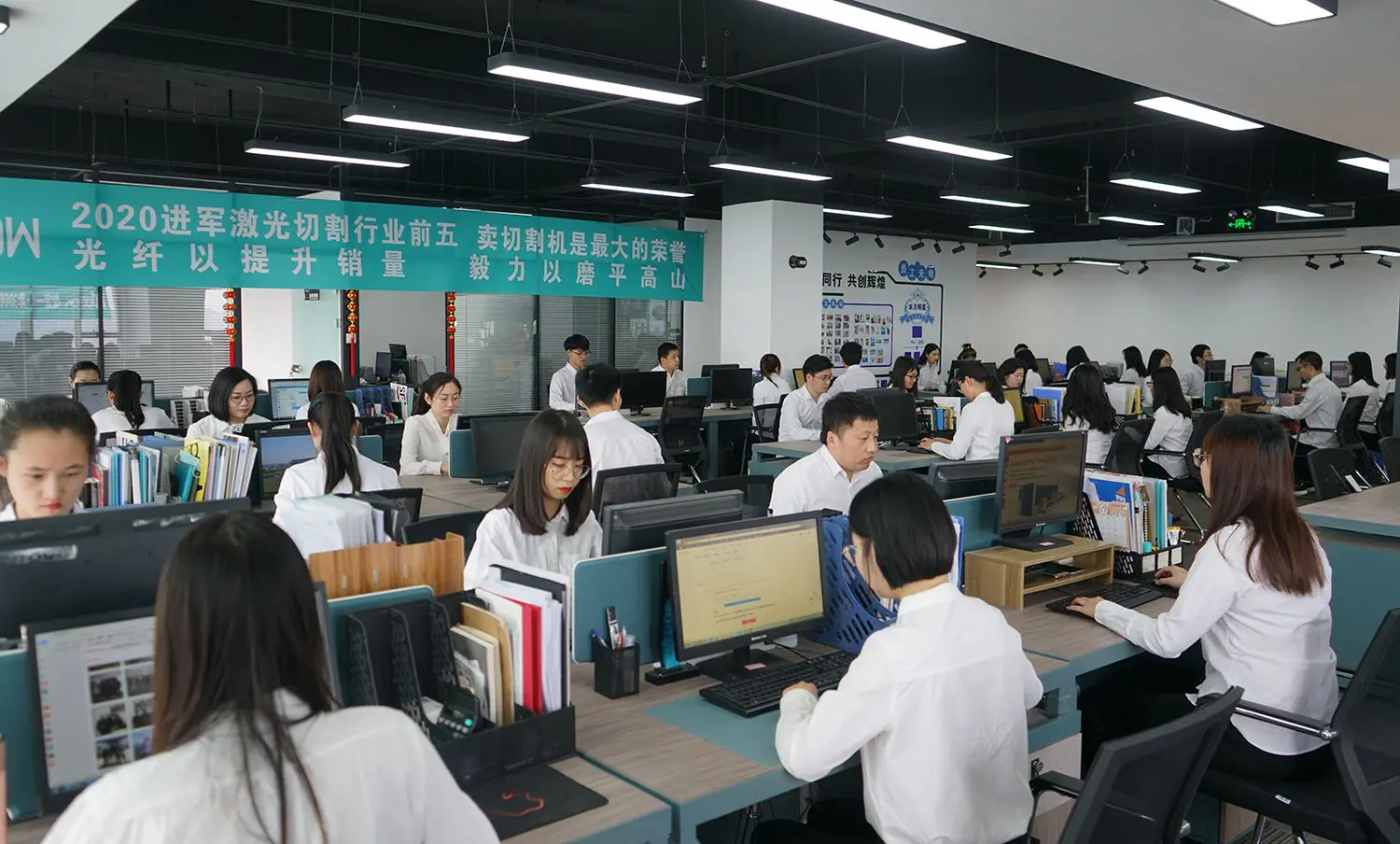
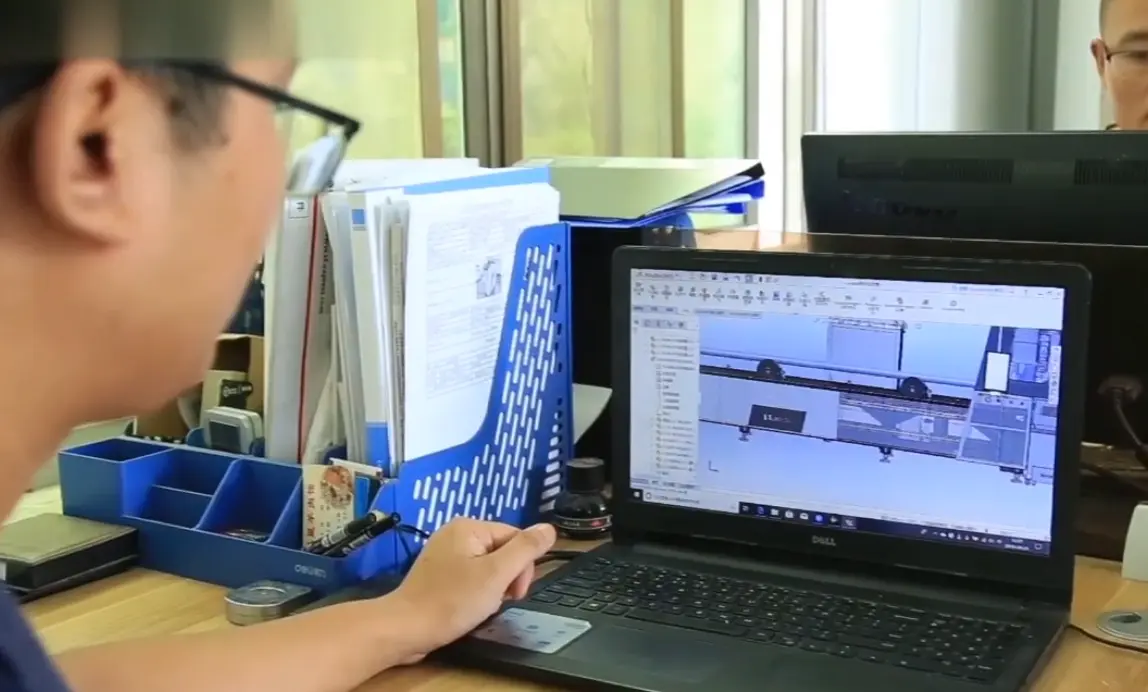
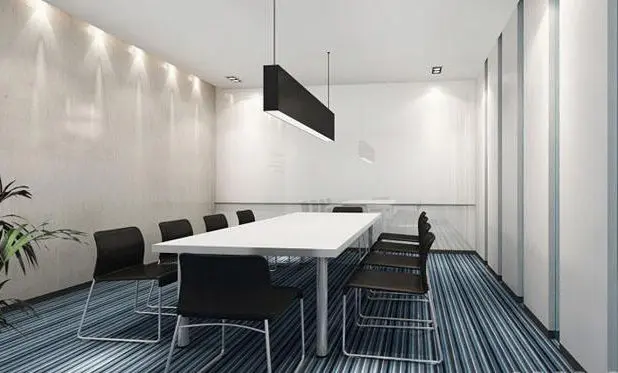
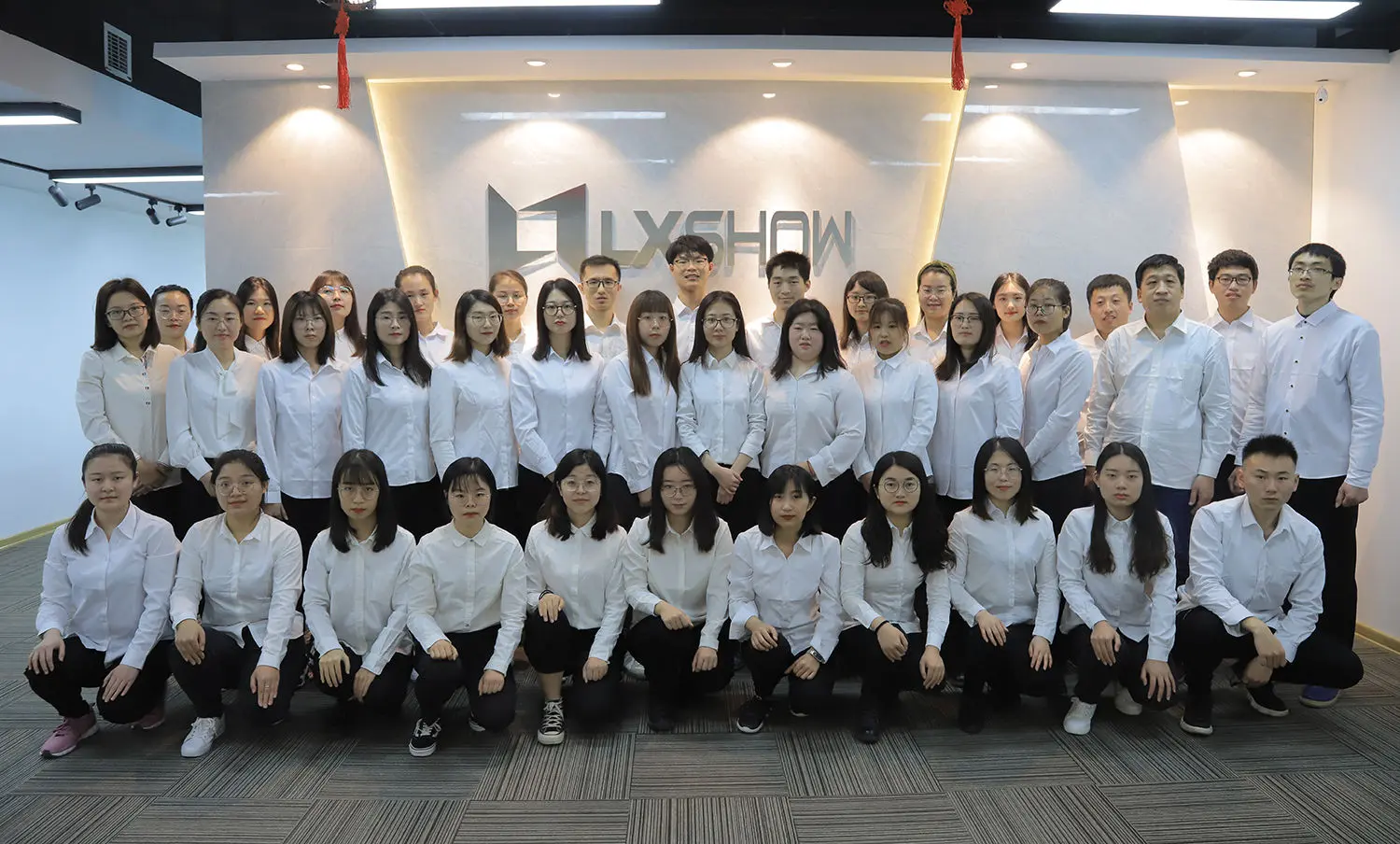
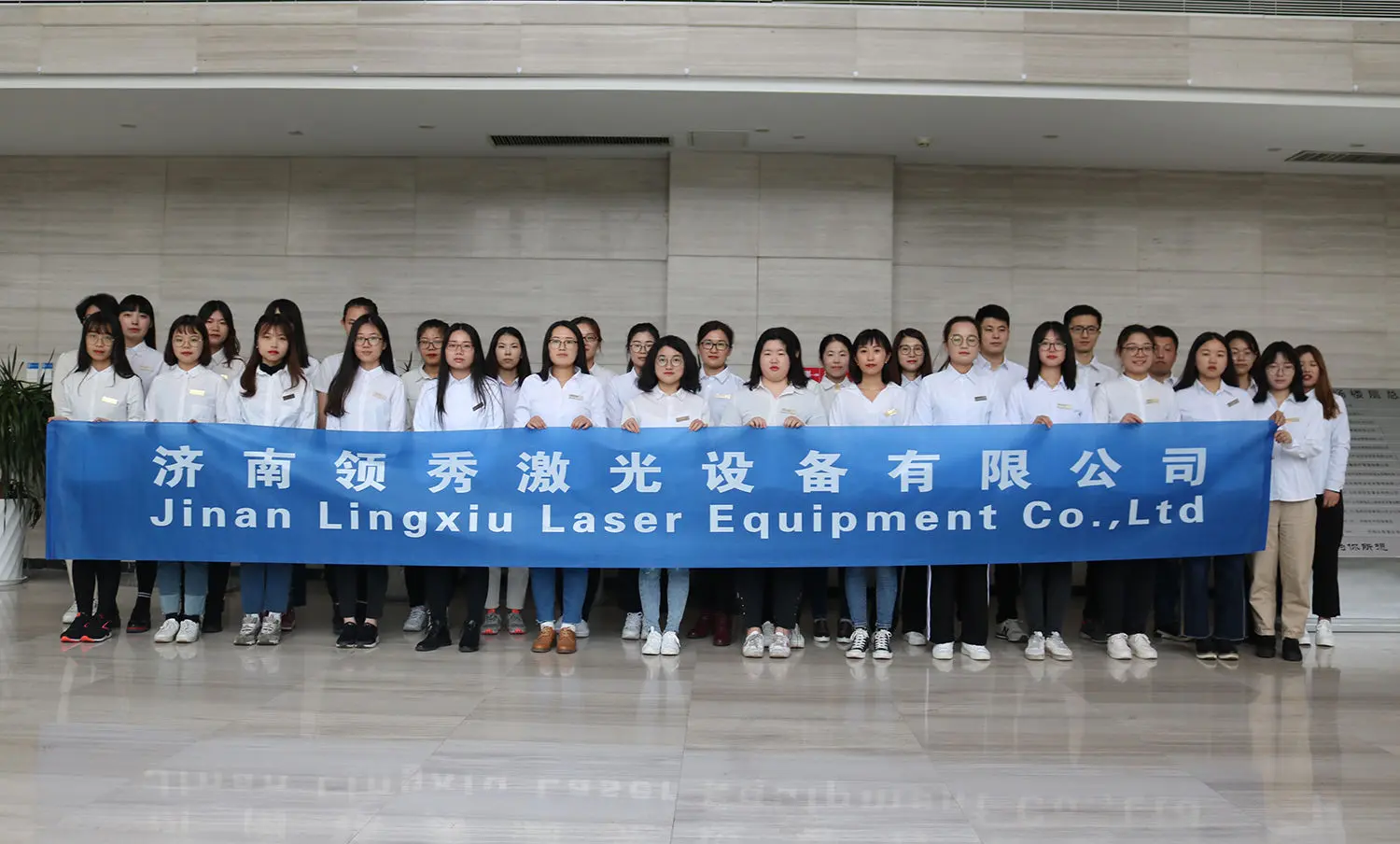
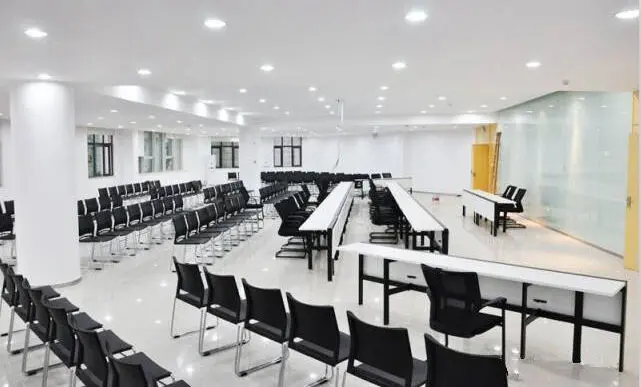
Our systems are engineered for diverse materials and fabrication tasks. From heavy infrastructure plates to delicate, micro-machined medical components, our fiber laser cutting, welding, bending, and finishing systems ensure excellent dimensional accuracy and clean edges.
Aerospace Engineering • Automotive Body Panels • High-End Kitchenware • Sheet Metal Enclosures • Decorative Metal Crafts • Lighting & Hardware Fixtures • Heavy Machinery Structure • Glassware & Precision Instruments.
From basic cutting to downstream finishing, we offer complete workshop integration:
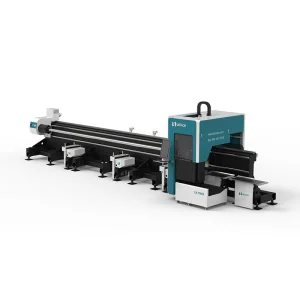
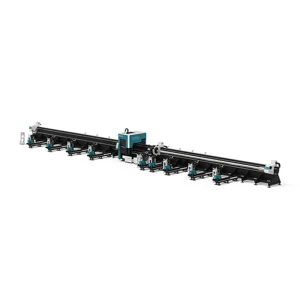
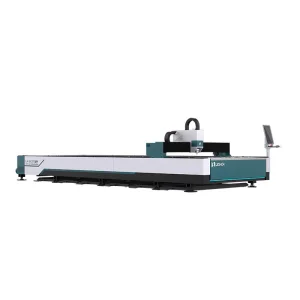
High speed cutting of thin sheet metal and structural pipe with options from 1kW up to 30kW.
Electro-hydraulic servo press brakes and electric folding machines for precise forming of parts.
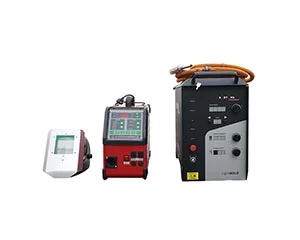
Handheld and automated robotic systems for clean joints without requiring high operator training levels.
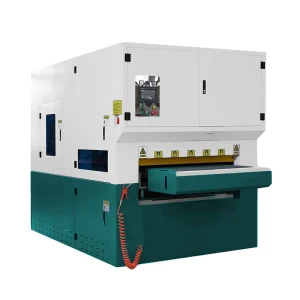
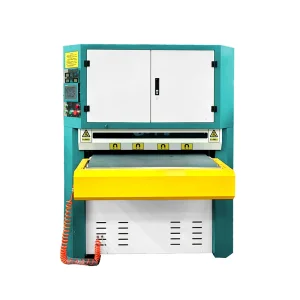
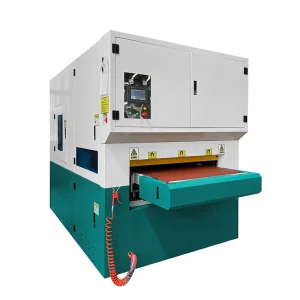
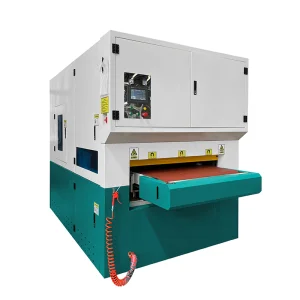
Automatic metal polishing and belt deburring systems to provide clean edges for assembly.
A breakdown of the processing steps in smart manufacturing, from raw material to finished product.
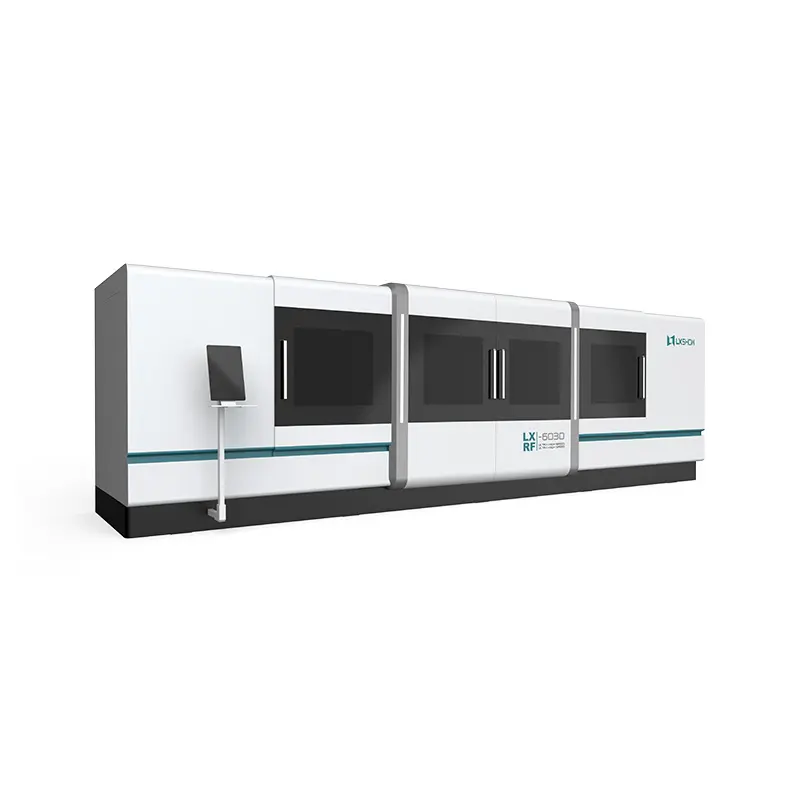
Applies surface coatings to rebuild and protect thick industrial components and wear plates.
• LXRF-6030 Single Axis Cladding • China Specialized Cladding Positioner • High-Precision Robot Arm Cladding Explore Series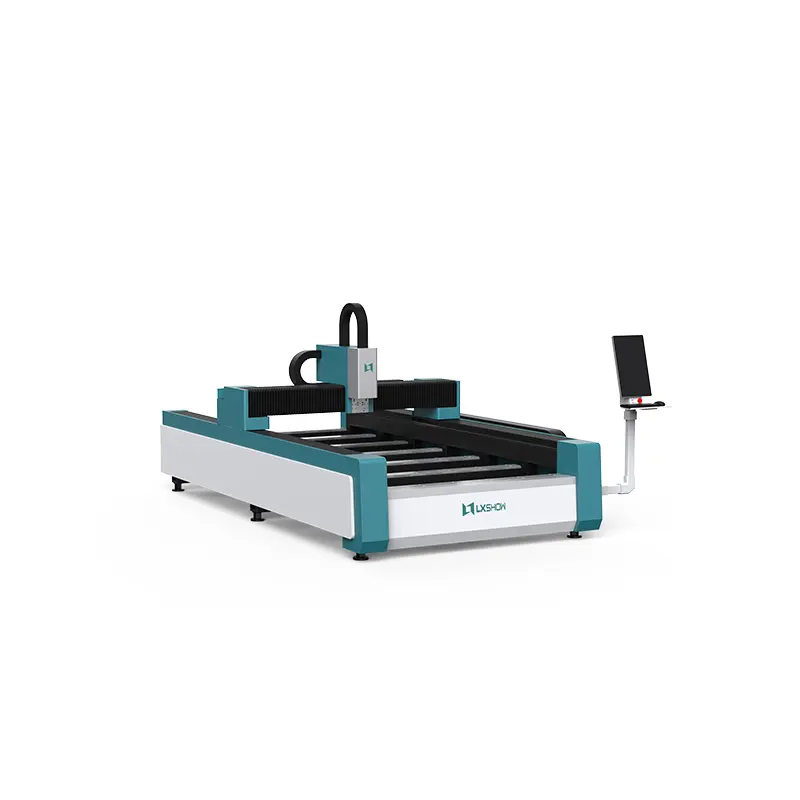
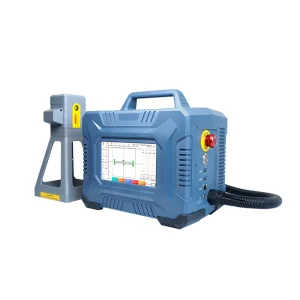
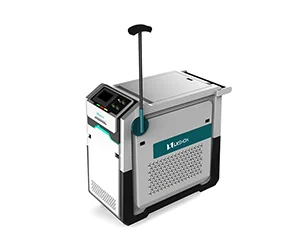
Cleans surfaces of rust, oxide scales, and contaminants without chemical agents or abrasive media.
• LXC-TIW Tube Inner Wall Cleaner • LXC-TOW Tube Outer Wall Cleaner • Portable 100W Backpack Rust Remover Explore Series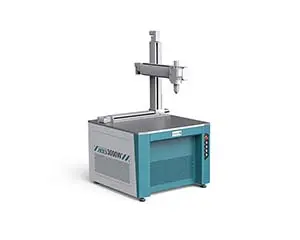
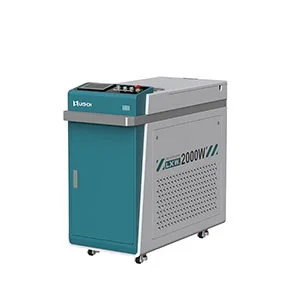
Fiber-delivered welding heads for rapid joints in stainless steel, aluminum, and brass.
• Enclosed Flat-bed Laser Welder • Tabletop LXW-1000/2000W Welder • 2026 Latest Robotic Weld Arm Explore Series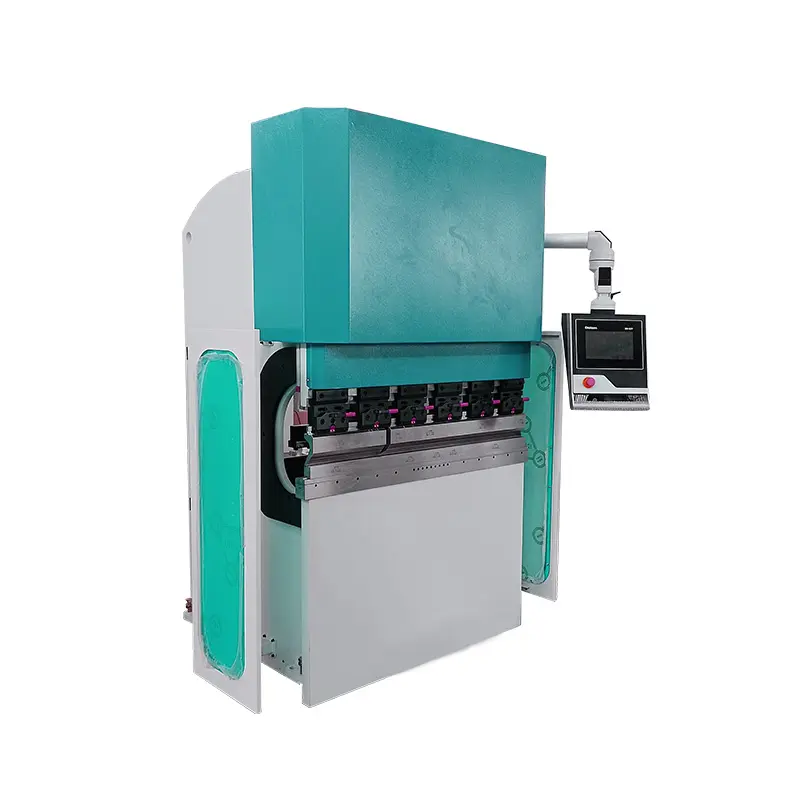
Ensures high-precision bends on processed sheets with electro-hydraulic servo alignment.
• WE67K Electro-Hydraulic Benders • Pure Electric Servo CNC Press Brake • LHA05 Flexible Sheet Bending Unit Explore SeriesExpert answers addressing the most common design, procurement, and performance questions from global purchasing agents.
Fiber lasers offer a 1.07 µm wavelength that is more readily absorbed by metals compared to the 10.6 µm wavelength of CO2 lasers. This allows for significantly higher cutting speeds when processing thin to medium-thickness sheets (under 10mm). Additionally, fiber systems do not require complex reflective mirrors, reducing mirror alignment downtime and lowering operating costs by up to 50%.
Oxygen facilitates an exothermic chemical reaction, enabling the cutting of thick carbon steel with lower laser power. However, it leaves a thin oxide layer on the edge. Nitrogen acts as an inert shielding gas that prevents oxidation, leaving a bright, clean cut edge suitable for immediate painting or welding, though it requires higher pressure and power. Compressed Air is an economical option for thin sheets, providing fast cutting with a slightly rougher finish.
Structural reliability depends heavily on the machine bed's construction. We weld high-tensile steel plates, heat them to over 600°C to relieve internal stresses, and then mill the mounting surfaces. This stress-annealing process prevents deformation under continuous high-speed movement.
High-precision fabrication setups often use a downstream deburring and polishing machine (like the LX-RR-M-1000) directly after laser cutting. This removes dross and sharp edges, followed by bending with a CNC press brake. This workflow ensures that parts are safe to handle and meet strict assembly tolerances.
Industrial laser cutting setups generally require a stable three-phase power supply (e.g., 380V/50Hz or 480V/60Hz) paired with a dedicated voltage regulator. Clean, oil-free compressed air (at 12-16 Bar) or gas storage dewars for nitrogen and oxygen must be installed. A climate-controlled electrical cabinet and an external water chiller are also essential to maintain stable laser source performance.
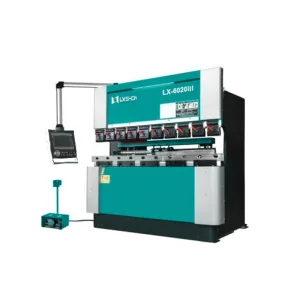
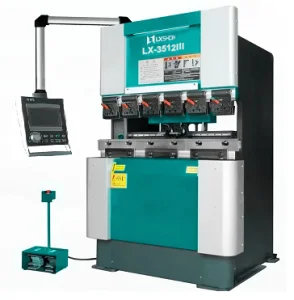
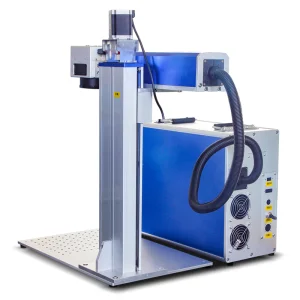
Complete your metal fabrication workshop with our advanced press brakes, polishing systems, and hand-held welding machinery.
 Lxshow