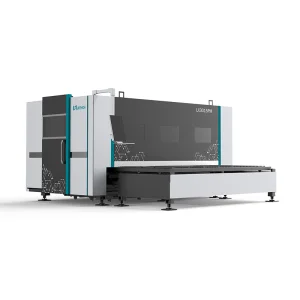
Premium solutions engineered for heavy-duty metal processing, high-speed sheet cutting, and multi-functional surface preparation.
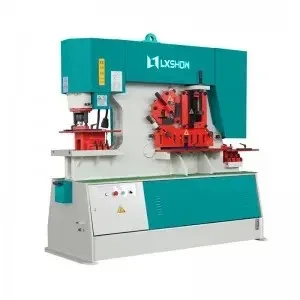
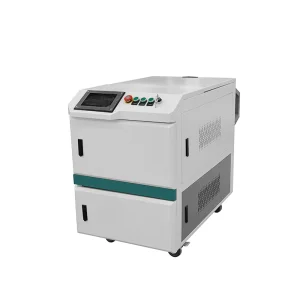
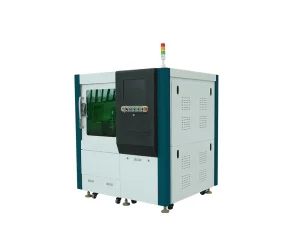
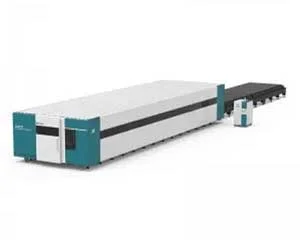
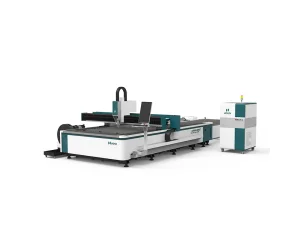
An authoritative analysis of structural shift, engineering efficiency, and technological convergence in smart manufacturing.
For decades, CO2 laser technologies dominated the metal fabrication industry. However, the last decade has witnessed a paradigm shift toward fiber laser cutting machines. The transition is fueled by the superior photoelectric conversion efficiency of fiber lasers—achieving up to 40% compared to a meager 8-10% of CO2 variants. Furthermore, the 1.06-micrometer wavelength of fiber lasers is more readily absorbed by metals, allowing for astronomical cutting speeds on materials like carbon steel, stainless steel, aluminum, brass, and copper.
China has surfaced not just as a hub for mass manufacturing, but as a primary source of high-precision research and development. By consolidating global component access and establishing rigorous in-house manufacturing processes, Chinese factories now deliver ultra-high-power fiber systems (ranging from 12KW to over 30KW) that directly challenge legacy European and Japanese brands.
Modern metal-cutting shops require more than stand-alone systems; they demand highly integrated cyber-physical networks. Chinese manufacturers have pioneered the deployment of intelligent CNC systems, utilizing platforms like CypCut and specialized bus controllers that monitor cutting parameters in real-time. By implementing automated exchange tables, active collision prevention systems in the laser head, and auto-nesting software, factories can achieve minimal material waste and continuous lights-out production.
The inclusion of smart sensors enables preventive diagnostics. Parameters such as temperature, gas pressure, and collimation alignment are fed back into centralized telemetry, reducing unexpected downtime. This alignment with Industry 4.0 paradigms helps mid-sized and large enterprises build scalable, highly efficient factories.
A comprehensive technical overview comparing standard configurations to optimize processing operations.
| Feature / Component | High-Power Sheet Laser (Exchange Table) | Tube & Profile Laser Cutting Machine | Handheld Laser Cleaning System | Combined Plate & Tube Cutter |
|---|---|---|---|---|
| Typical Power Output | 4KW - 30KW (Raycus / IPG / Max) | 1KW - 6KW (JPT / Raycus) | 100W - 2000W (Pulse / Continuous) | 3000W - 12000W (Double Chuck) |
| Kinematic System | Helical Rack & Pinion / Linear Motors | Self-Centering Pneumatic Chucks | Manual / Ergonomic Galvo Gun | Combined Linear Guides & Rotary Axis |
| Assist Gas Requirements | O2 (Mild Steel), N2 (SS/Alum), Dry Air | N2 or Compressed Air for clean cuts | N/A (Optical sublimation process) | Dual gas lines for plate and profile |
| Core Target Applications | Heavy plate fabrication, Shipbuilding | structural trusses, exhaust pipelines | Oxide layer removal, paint stripping | Versatile custom fabrication shops |
| CE / FDA Certification | Class 1 Enclosed Safety Shielding | Class 4 Open / Optional Enclosure | Safety glasses, Interlock triggers | Class 1 / Class 4 Hybrid Configurations |
Leading the next generation of laser manufacturing through continuous research, machine design, and smart systems.
The technology roadmap for Chinese laser cutting equipment emphasizes three core pillars: Ultra-High Power, Autonomous Control Systems, and Kinematic Precision. High-power systems up to 60kW are currently undergoing test deployments, proving that structural steel of up to 100mm can be cut with high repeatability.
Integration of imported laser sources with locally fabricated frames. Development of basic sheet metal processing machinery, mainly supplying local industrial clusters.
Achieved ISO 9001, European CE, and US FDA compliance. Expansion of exports to over 120 countries. Development of intelligent exchange tables and multi-functional tube cutting capabilities.
Integration of machine learning algorithms for real-time laser head height correction, active anti-collision monitoring, and automatic workpiece sorting to align with Industry 4.0 benchmarks.
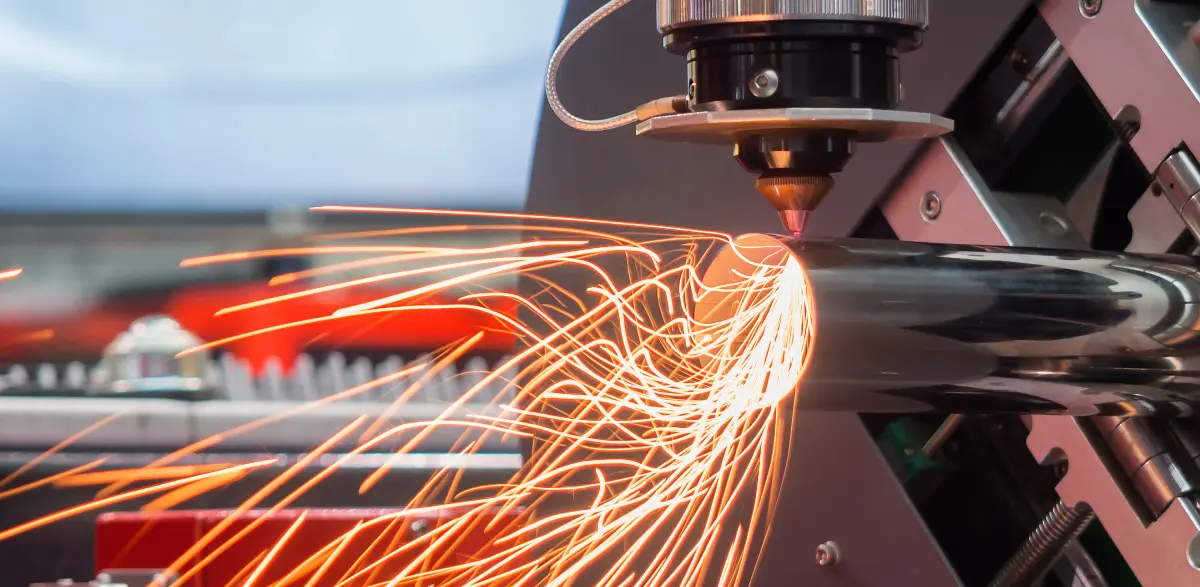
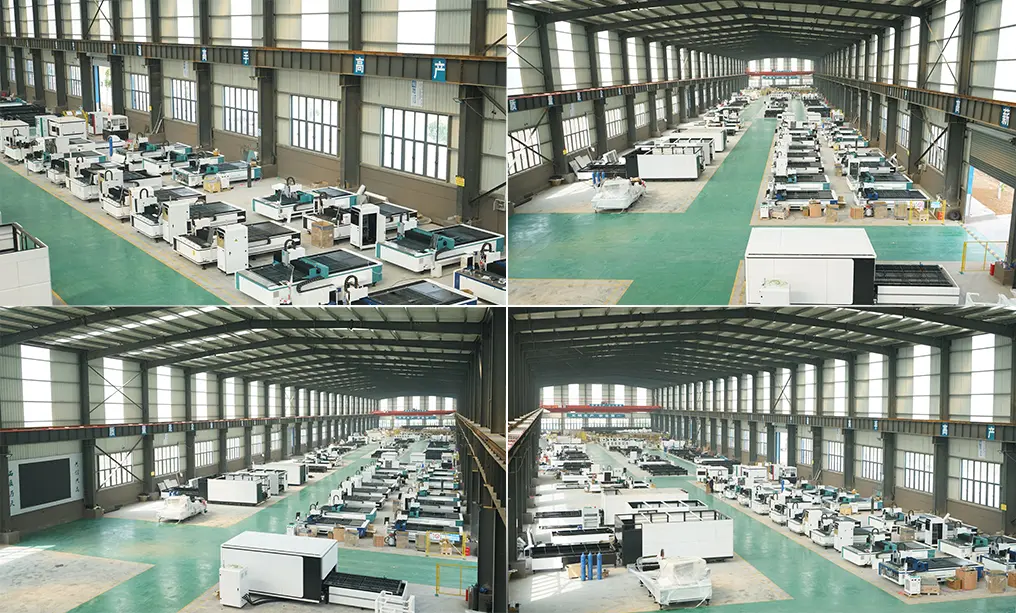
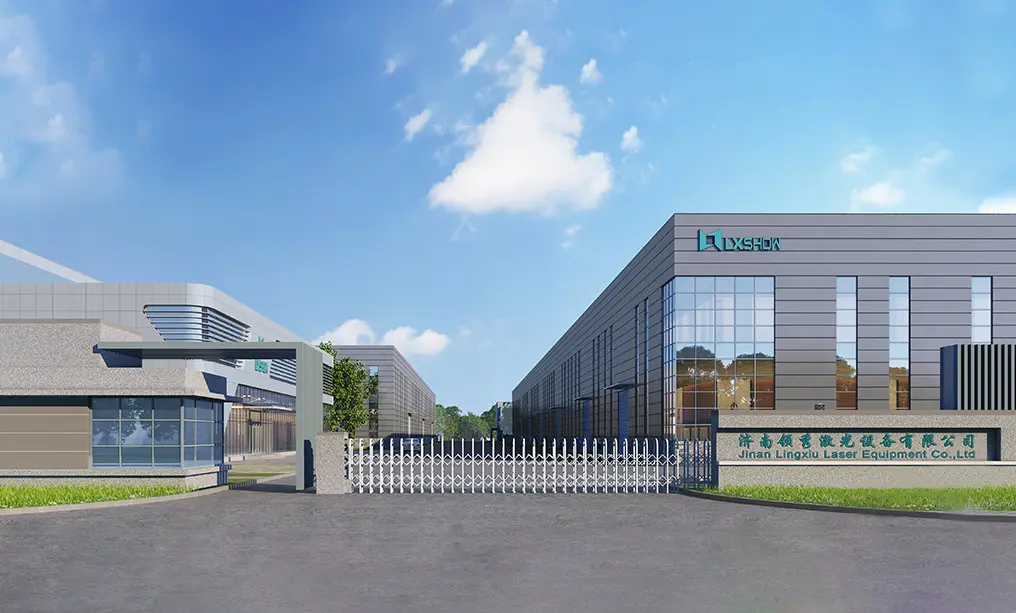
Established in July 2004, our facility covers more than 500 square meters of researching and office space, supported by a 32,000 square meters state-of-the-art factory. The machine design team focuses on solving high-temperature thermal deformation issues on machine beds. By utilizing heavy-duty plate-welded structures subjected to stress-relief annealing processes at 600°C, our machines are guaranteed to maintain high positioning accuracy (+/- 0.02mm) for over 15 years of continuous service.
This deep industrial expertise enables us to support custom OEM designs for more than 30 global manufacturers, certifying that our systems conform to the highest levels of global performance metrics.
Analyzing how different industries utilize advanced laser cutting, welding, and cleaning technologies for precision fabrication.
Demanding structural components like titanium spars, aluminum panels, and stainless steel framing require high-speed, distortion-free cutting. Linear motor systems integrated in the high-precision mini cutters allow complex geometries without thermal stresses.
Used widely in hydroformed tube profiling and heavy-duty bracket cuts. Fiber laser tubes and sheet combined cutters allow components to transition directly to robot welding bays without edge finishing operations.
Thick carbon steel plates (up to 50mm) used in crane arms, structural columns, and bucket linkages are cut with ultra-high power 12kW to 20kW fiber lasers, replacing old flame and plasma setups.
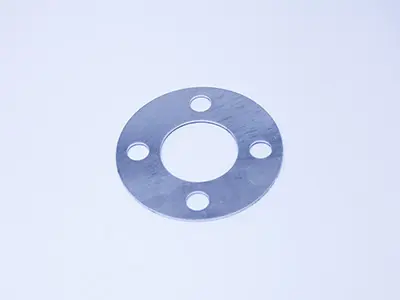
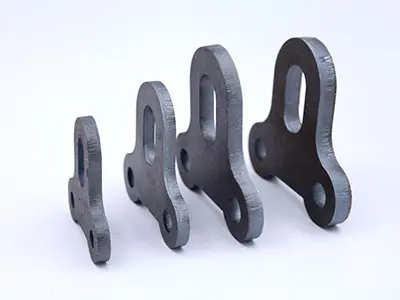
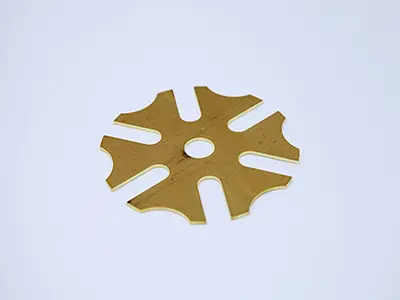
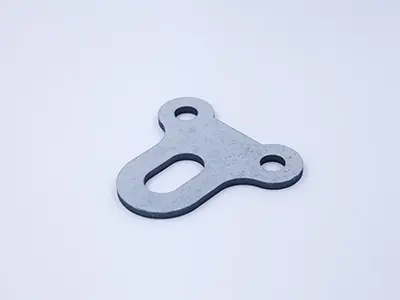
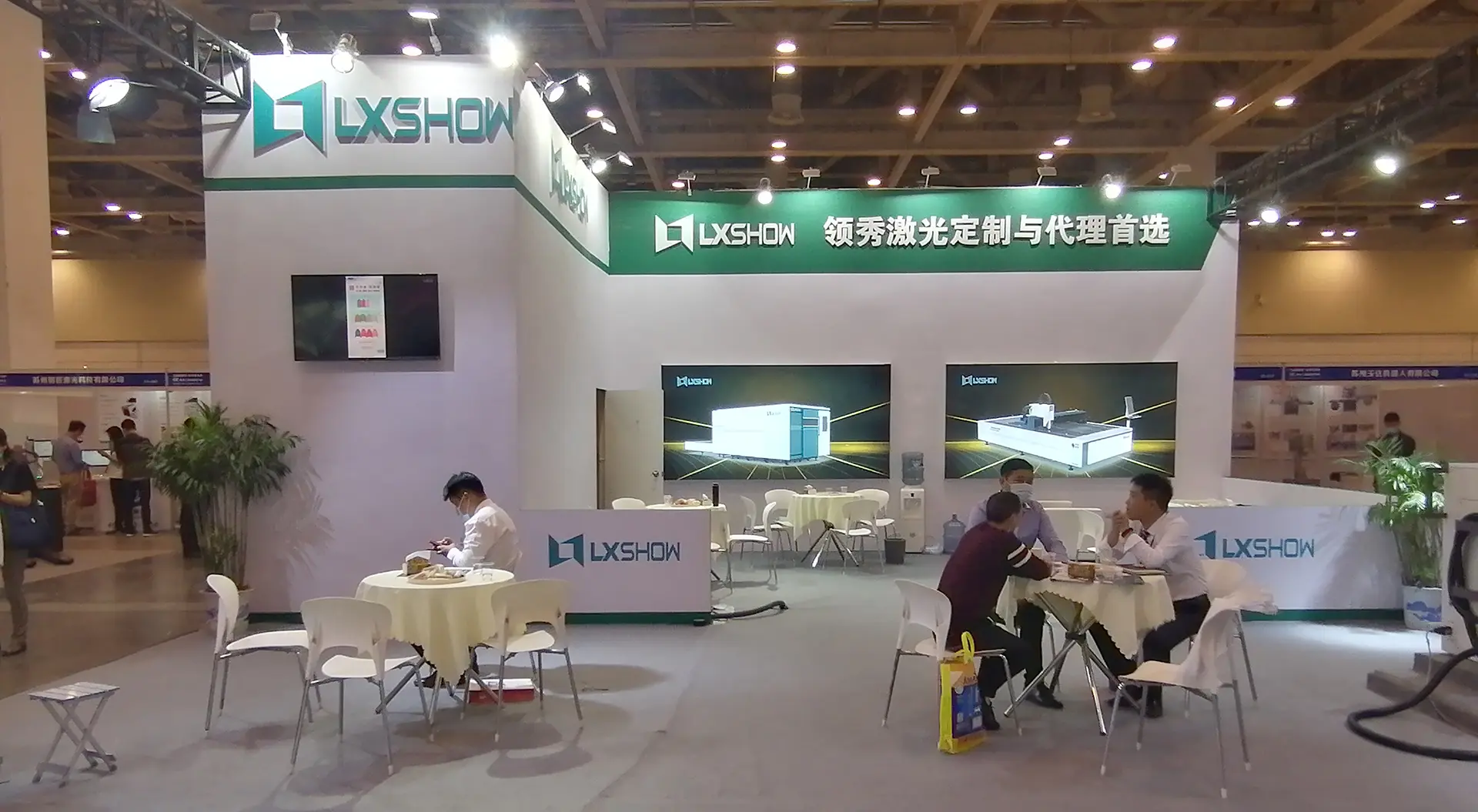
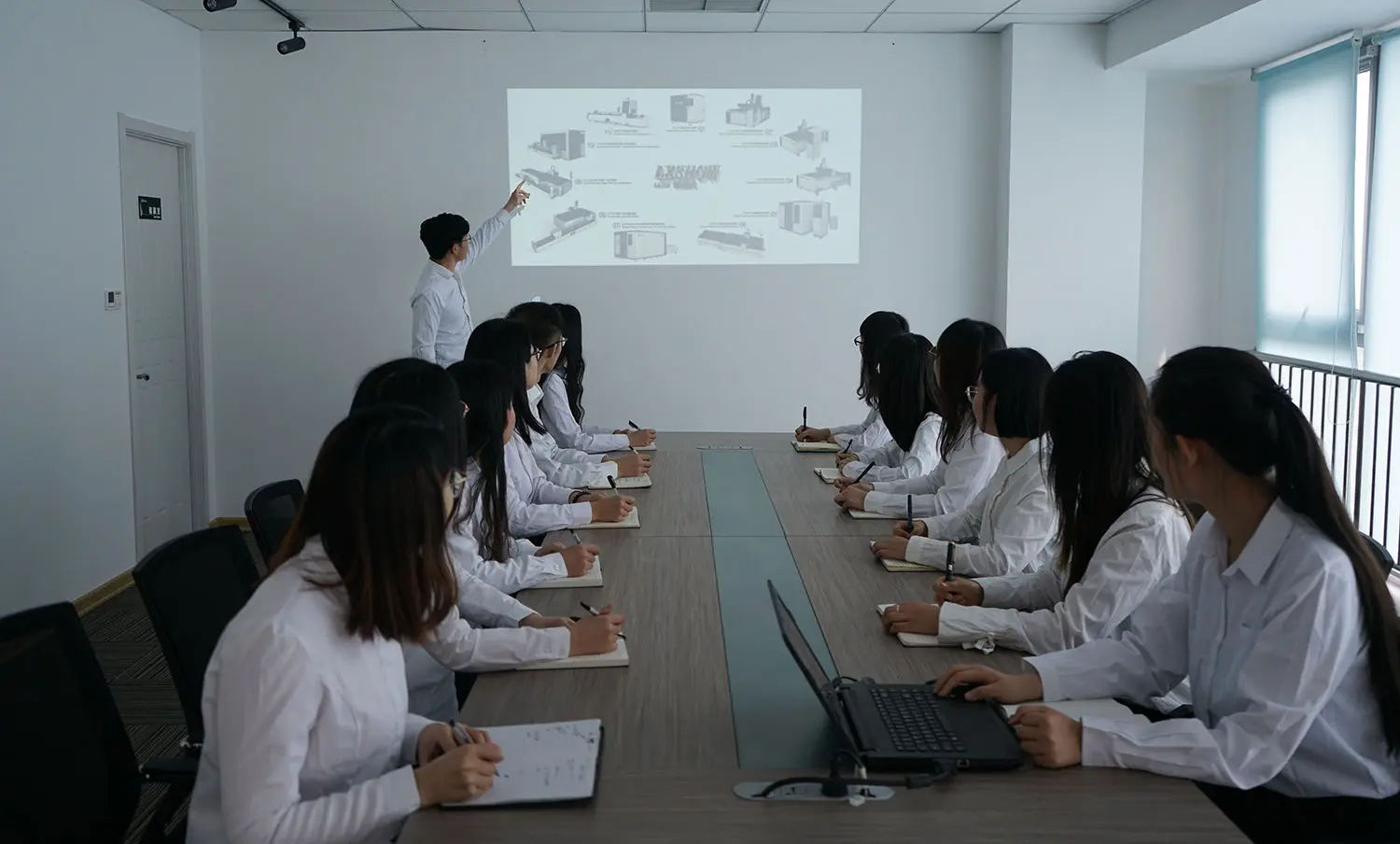
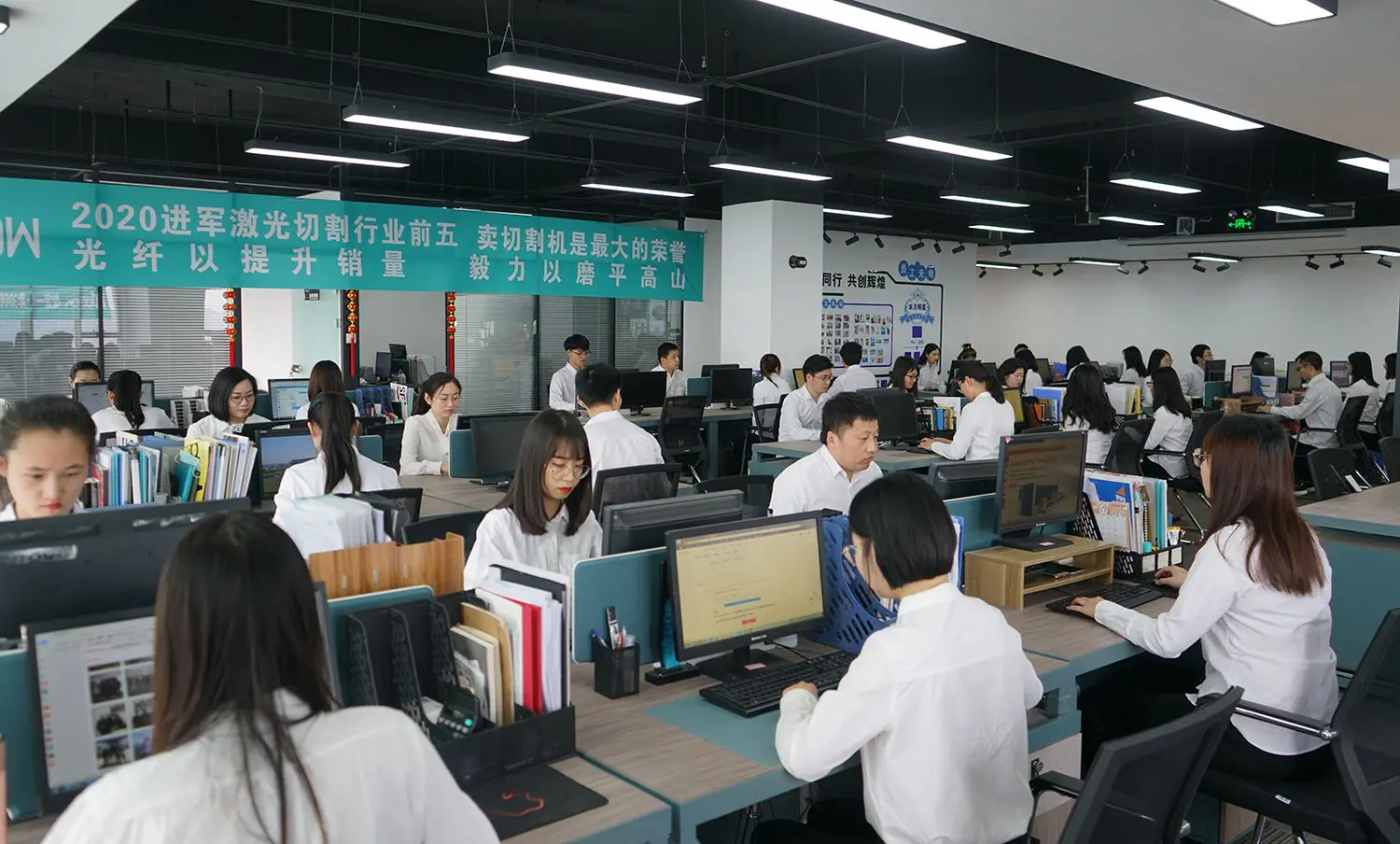
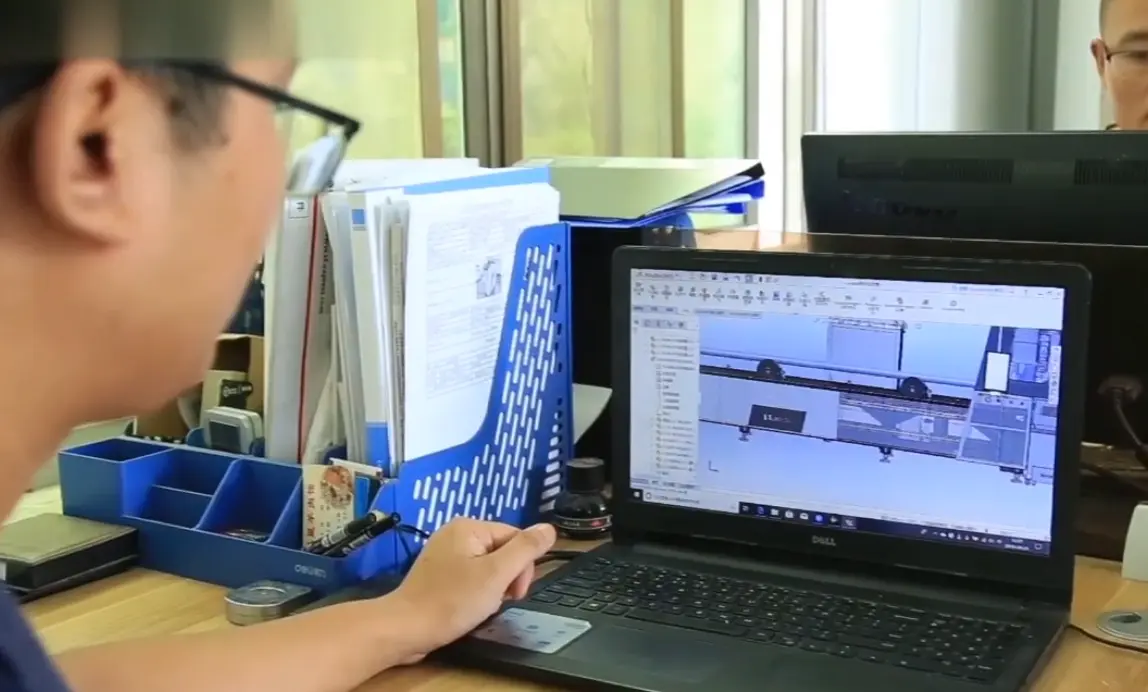
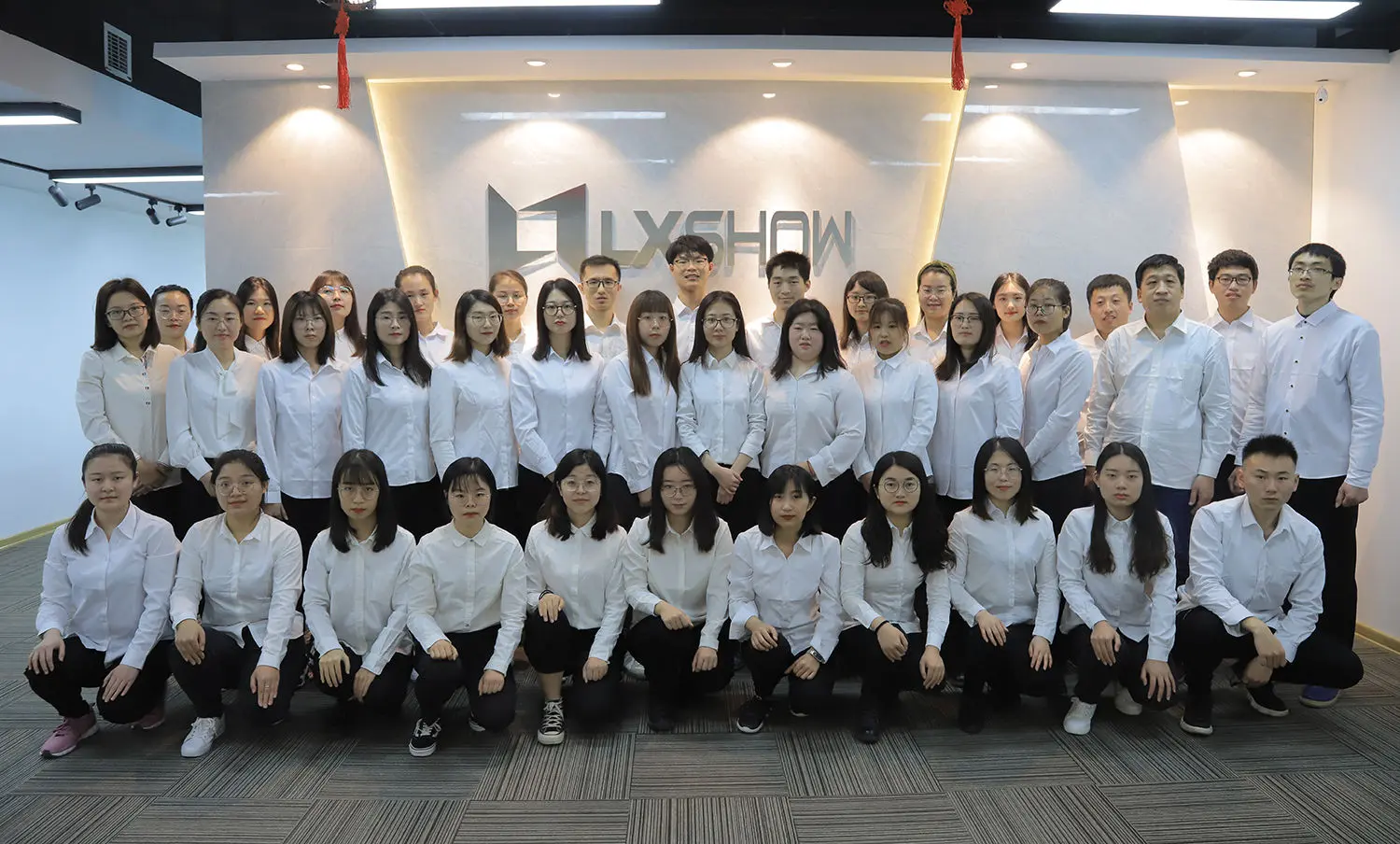
A transparent look inside our modern production assembly lines, design labs, and localized customer support offices.
Why do China-based laser manufacturers offer highly competitive pricing without compromising quality? The answer lies in the complete industrial supply chain ecosystem. The industrial hub in Jinan, Shandong integrates all key downstream components—from bed casting and optical assembly to precision rack grinding.
By working with local strategic suppliers of optical components (like Raytools, WSX, and Cypcut controllers) and maintaining large-scale inventory of critical components, we can achieve lead times under 20 days. This supply chain model protects our international partners from project delays and sudden price swings.
Furthermore, our quality control process requires every machine to undergo a 72-hour continuous stress test, laser interferometer calibration, and structural checks prior to global crating.

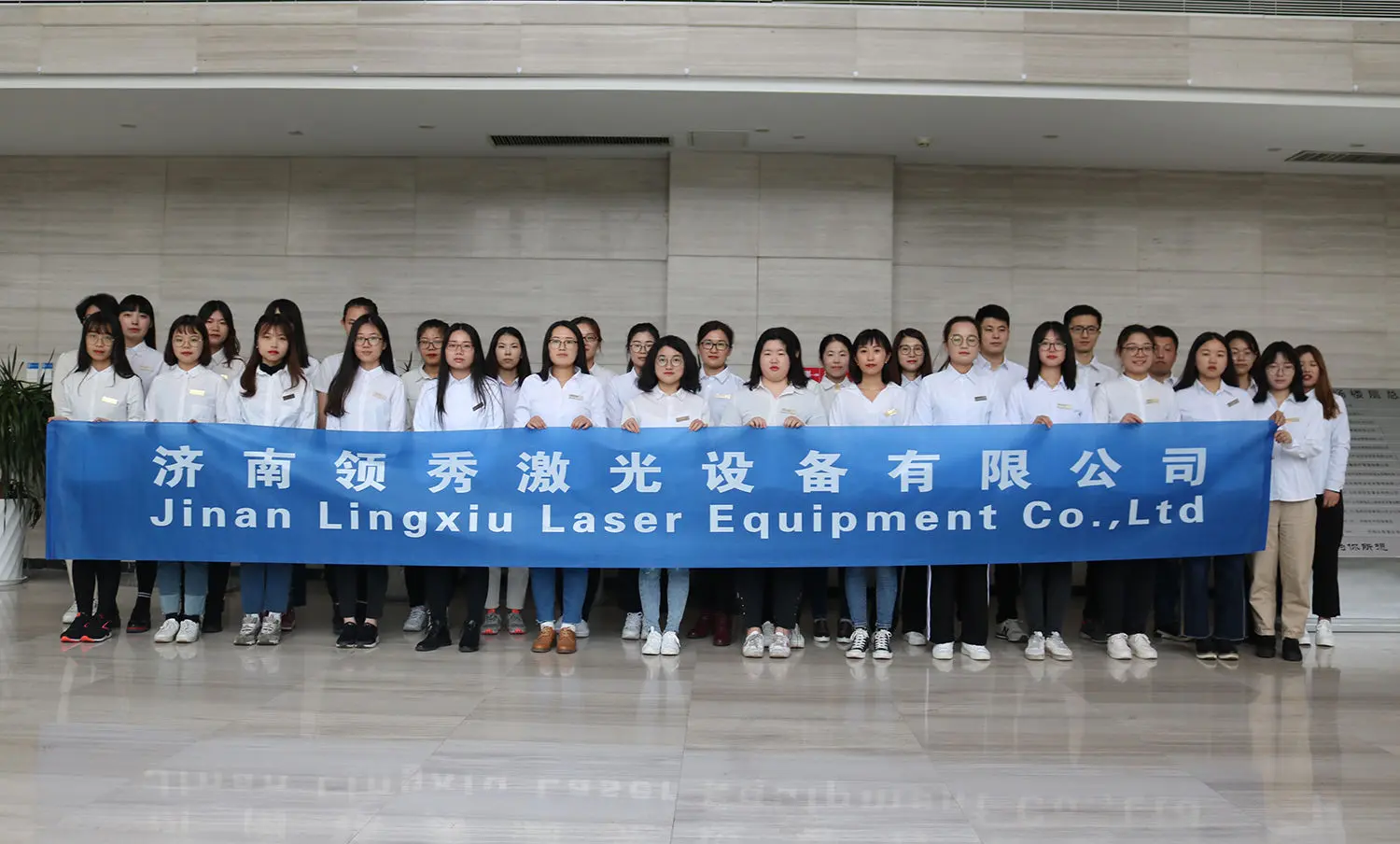
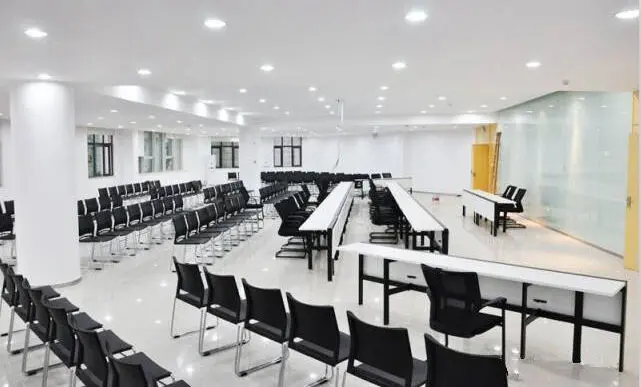
Critical insights for B2B procurement managers regarding setup, performance, gas selection, and reliability.
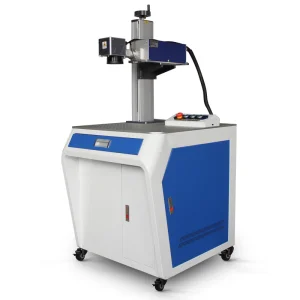
High-efficiency laser cleaners, precision UV cutters, and heavy-duty fiber laser sheets for custom operations.
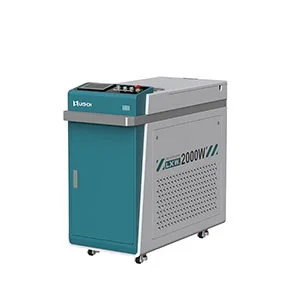
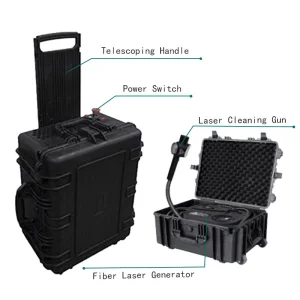
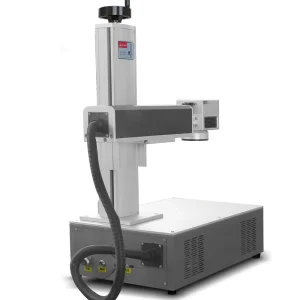
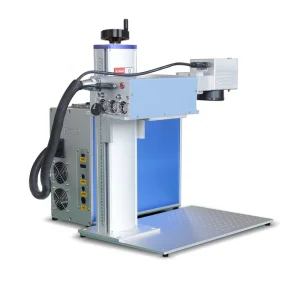
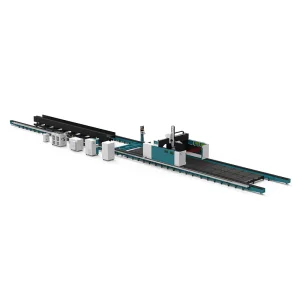
Explore our complete production lines across laser cladding, cleaning, welding, cutting, and bending machinery.
Stabilized batch cutting and metallurgical cladding protection for thick industrial plates.
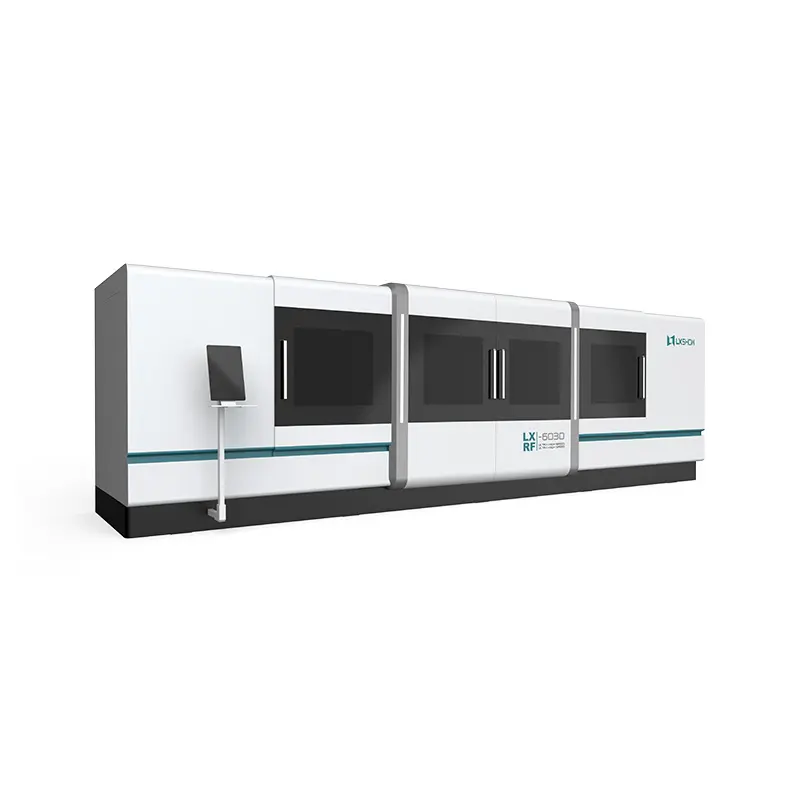
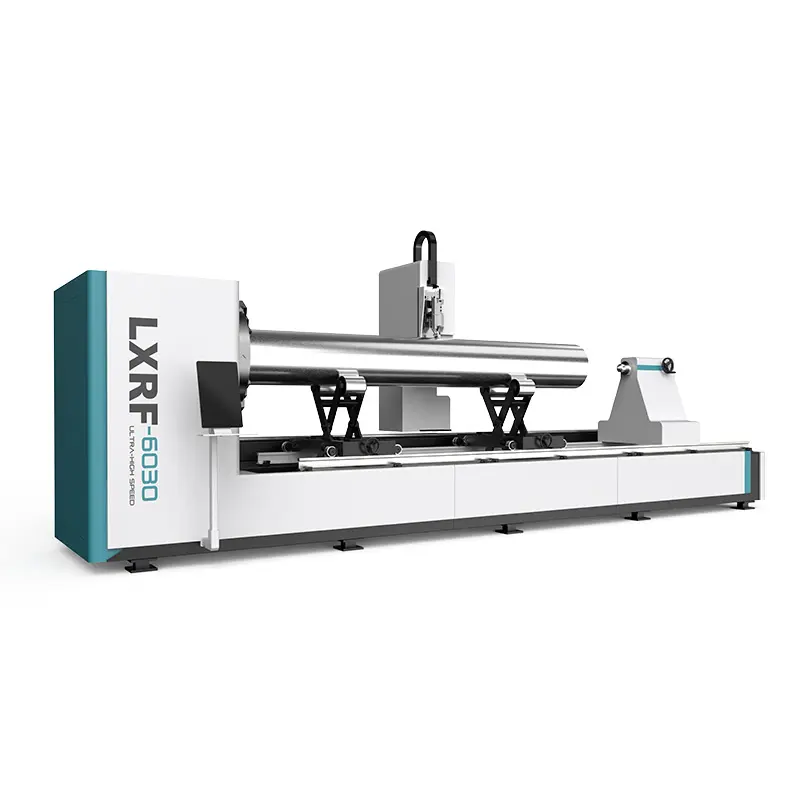
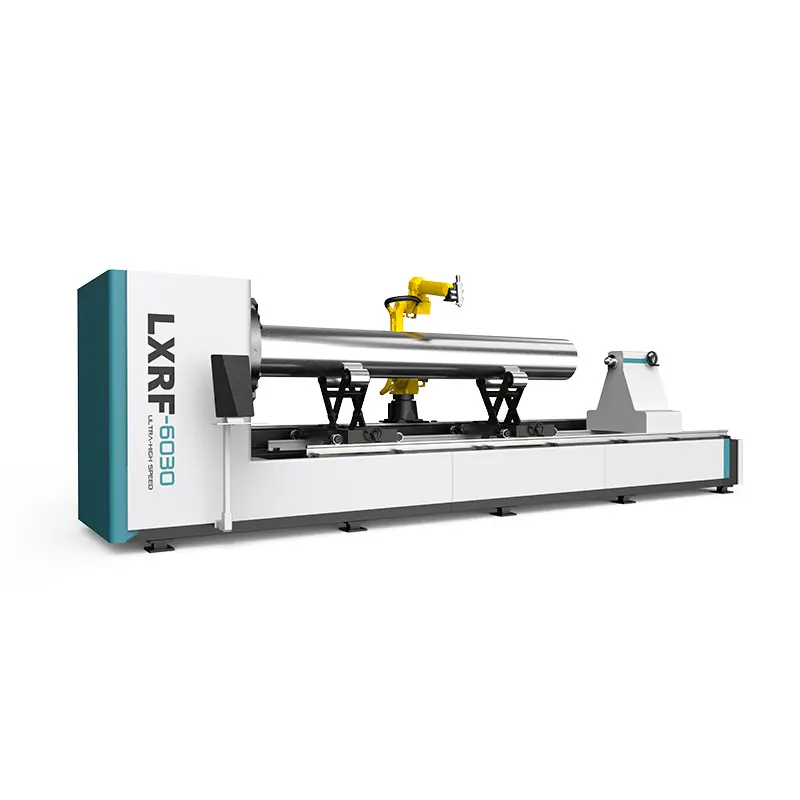
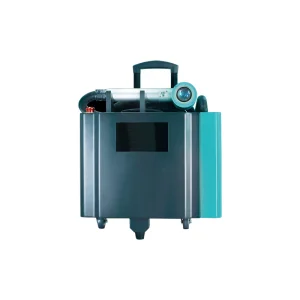
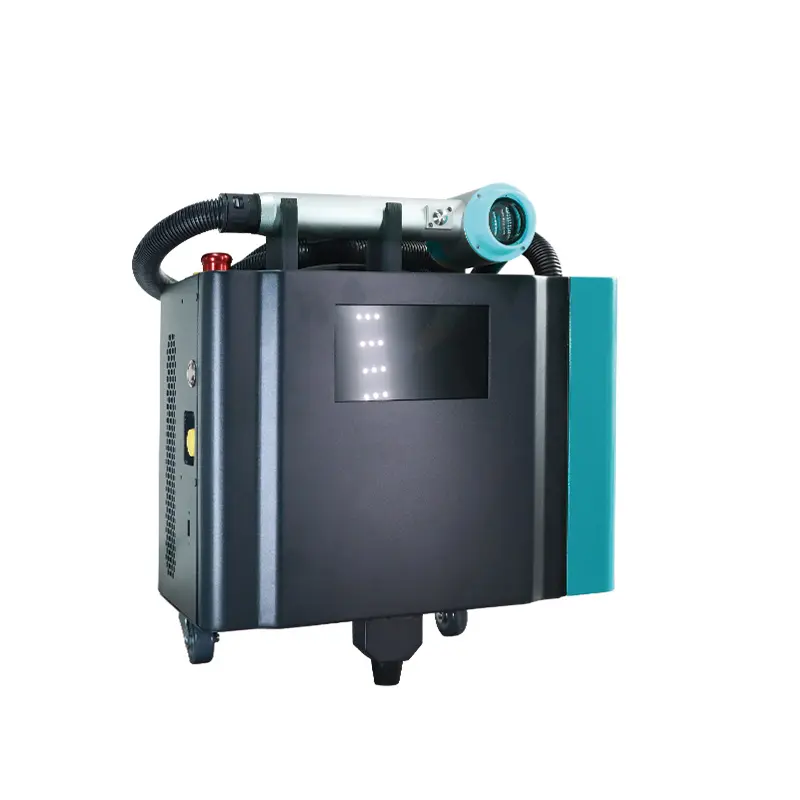
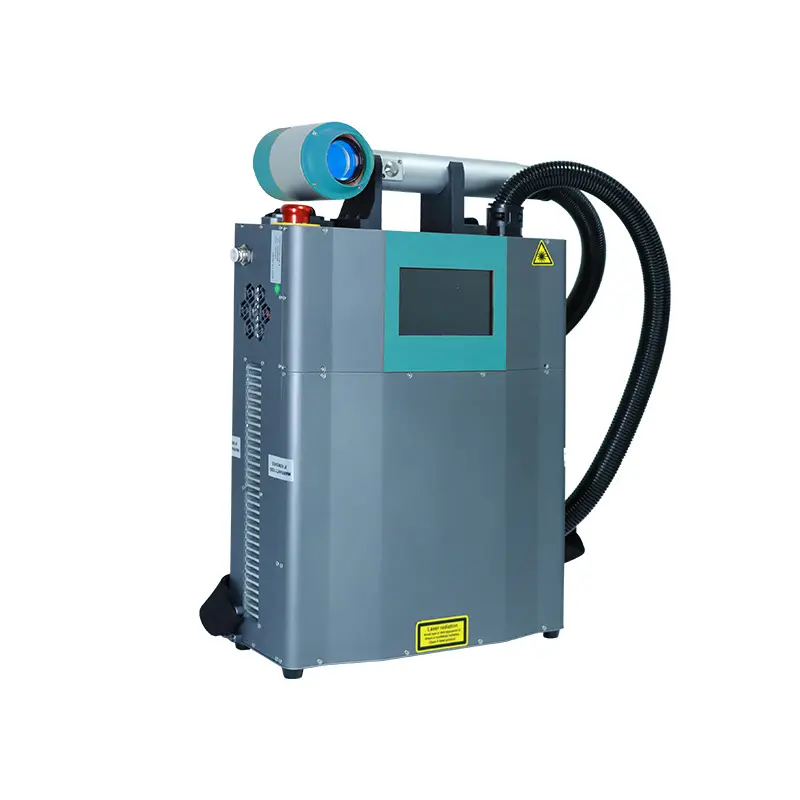
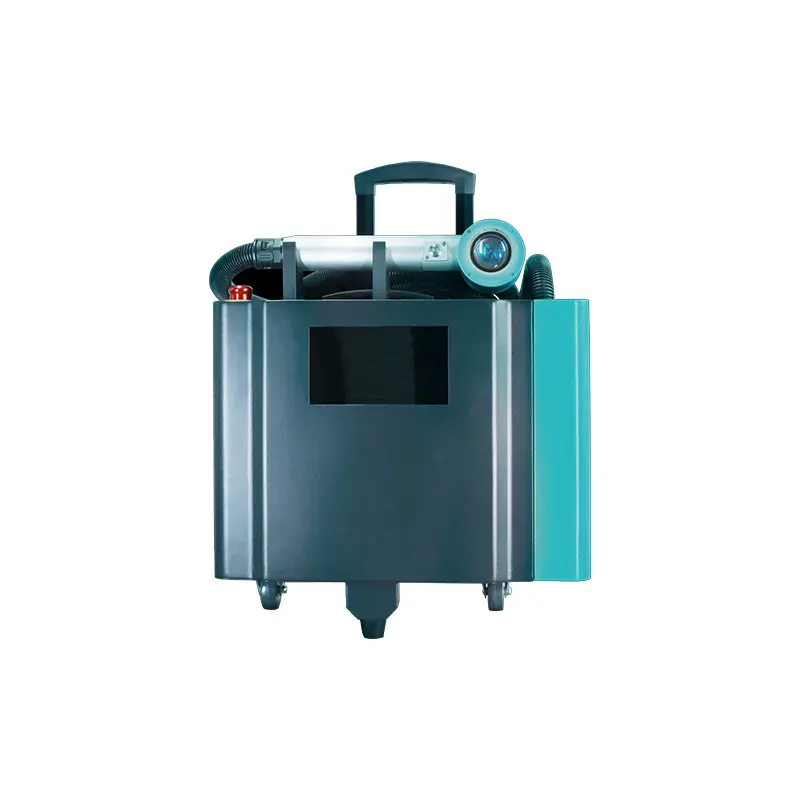
High-precision cleaning, rust, and coating removal systems optimized for steel surfaces.
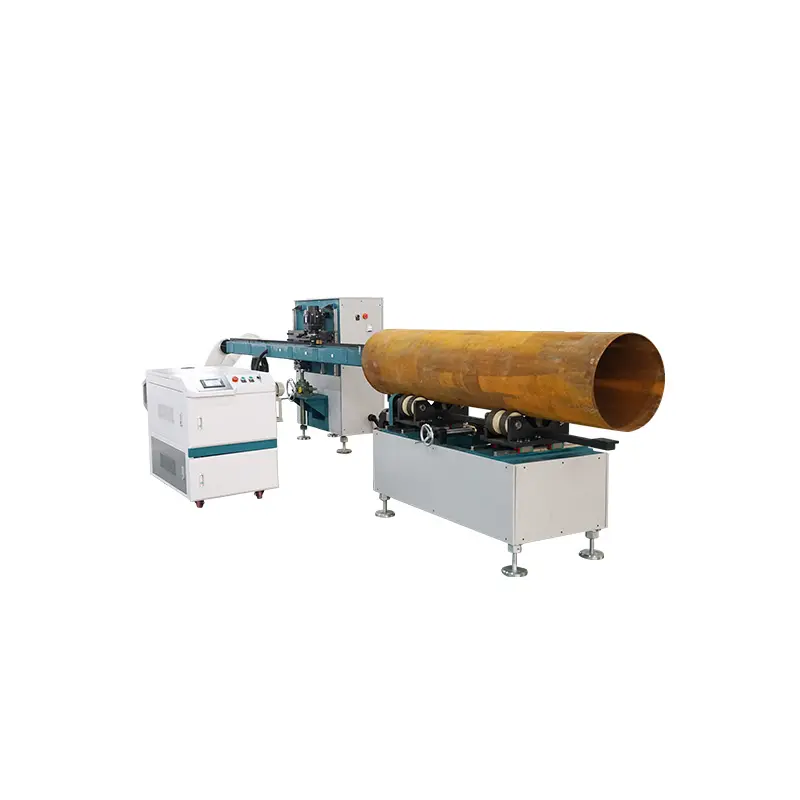
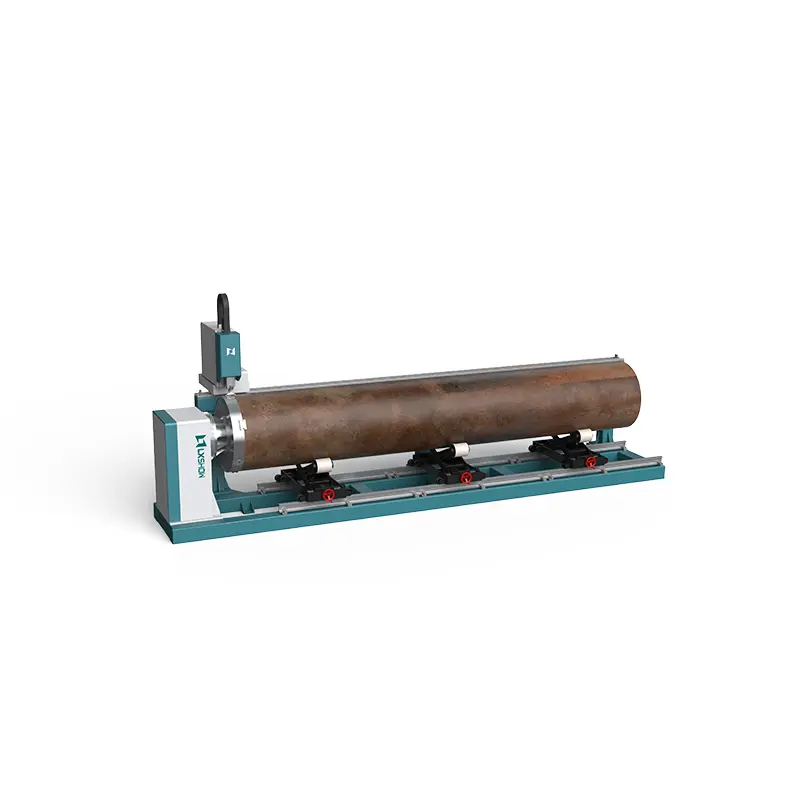
High-strength joinery machines designed for seamless assembly of complex sheet components.
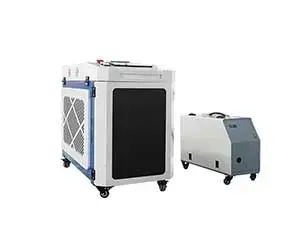
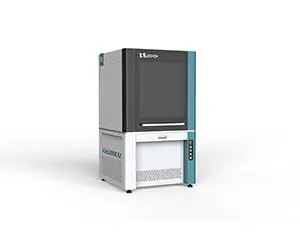
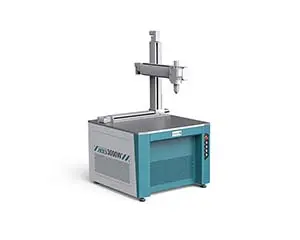
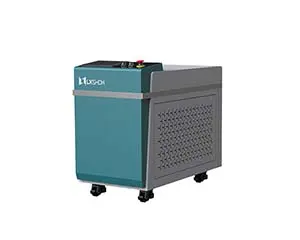
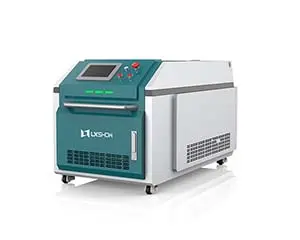
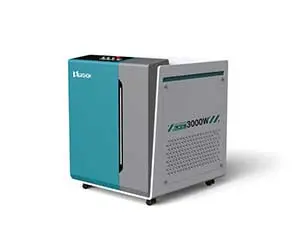
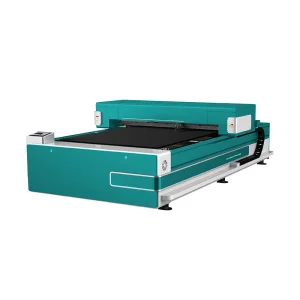
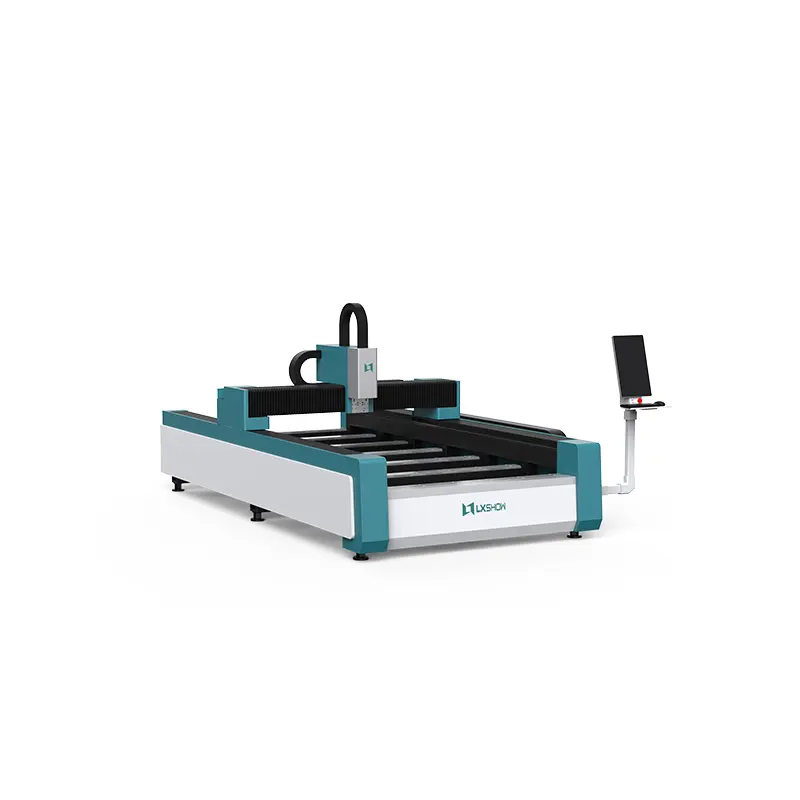
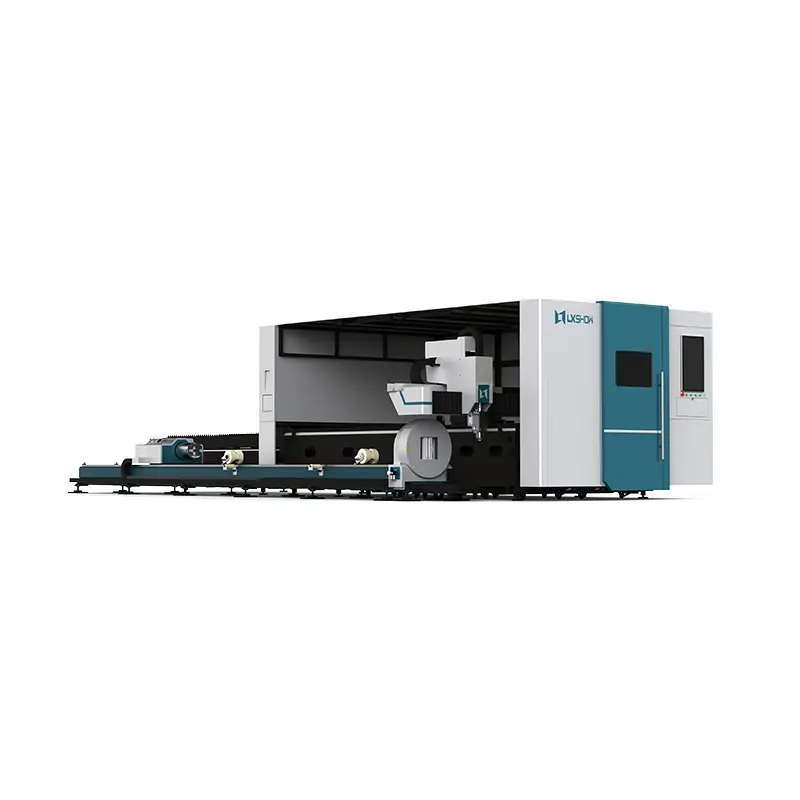
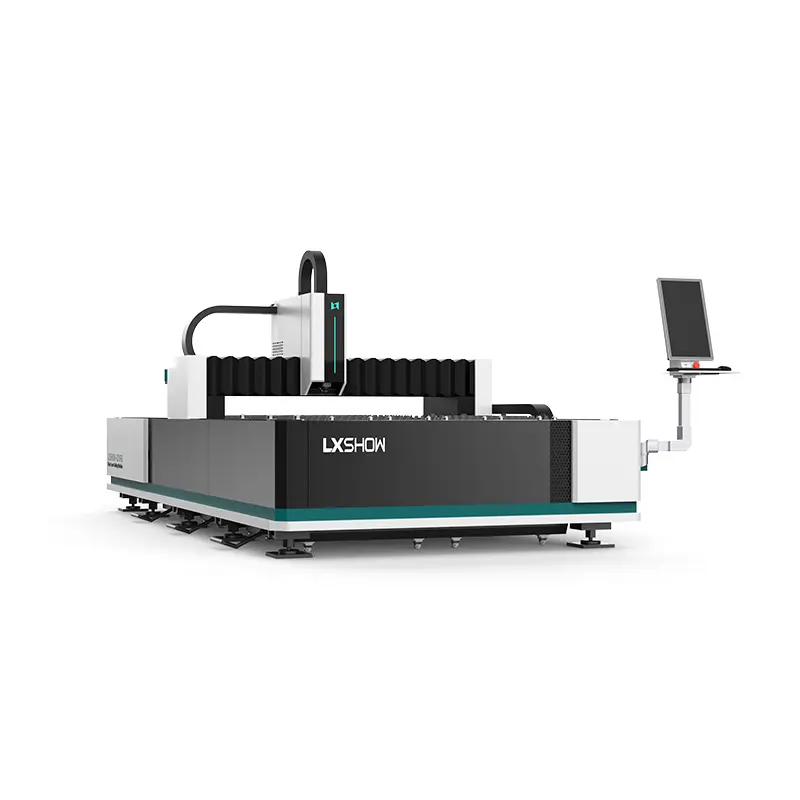
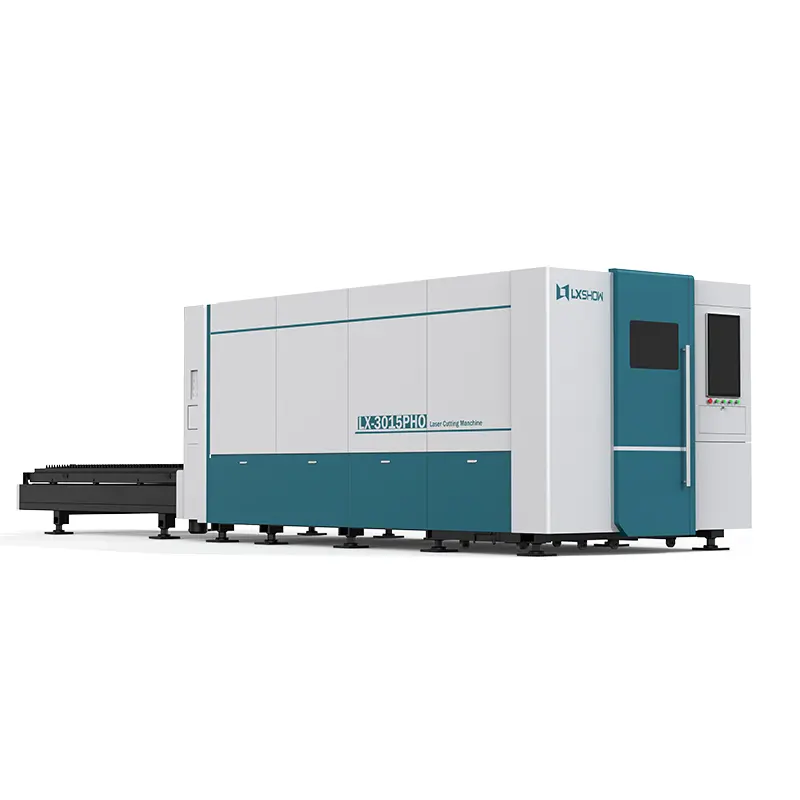
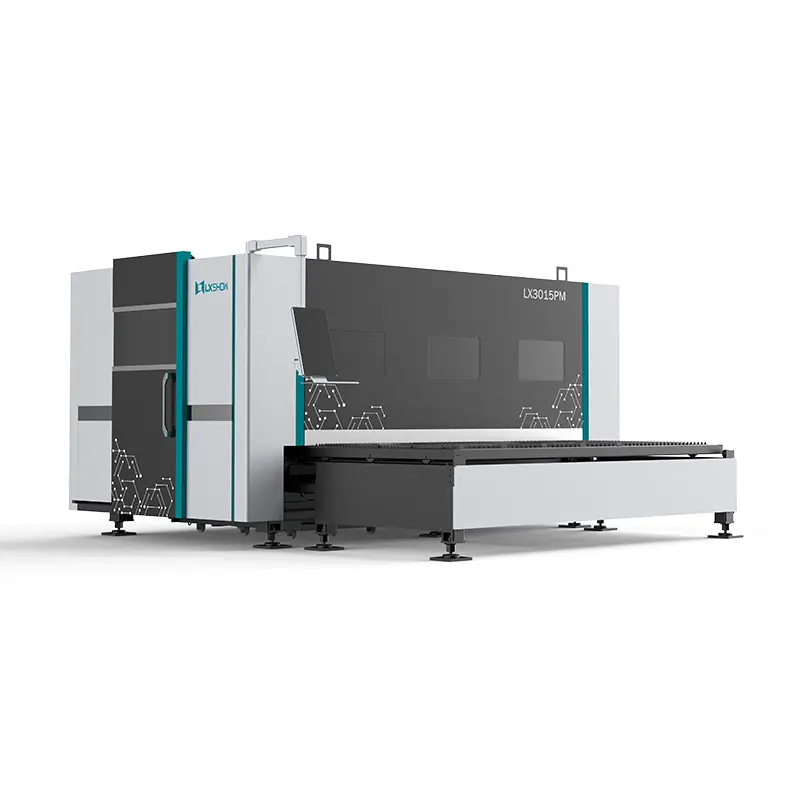
Flagship sheet and tube cutting platforms equipped with exchange tables and safety enclosures.
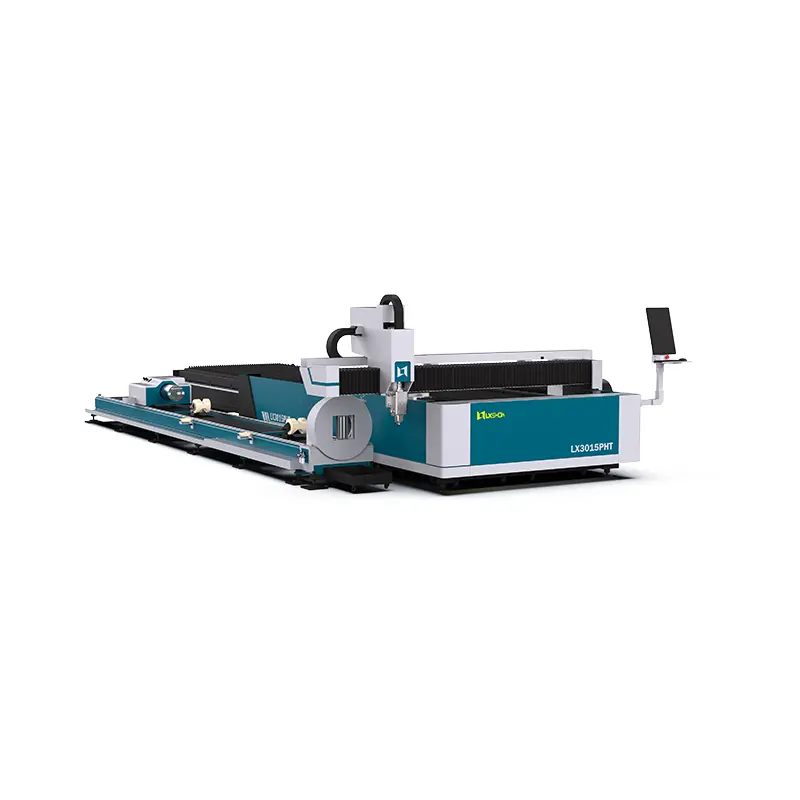
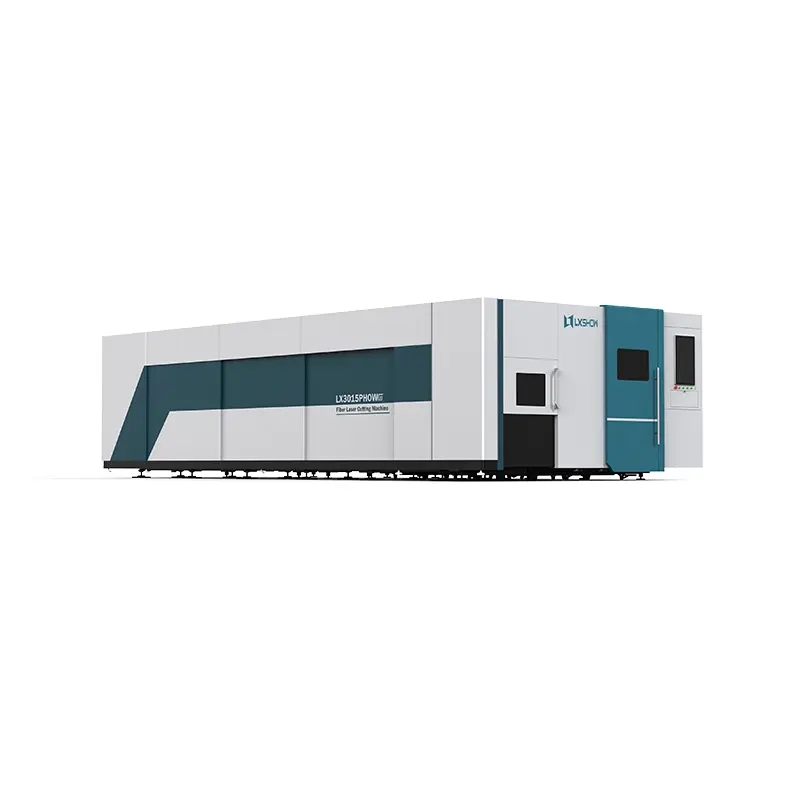
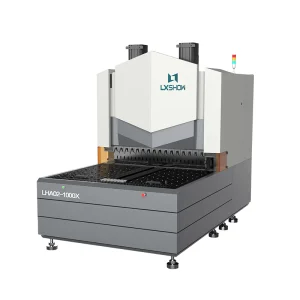
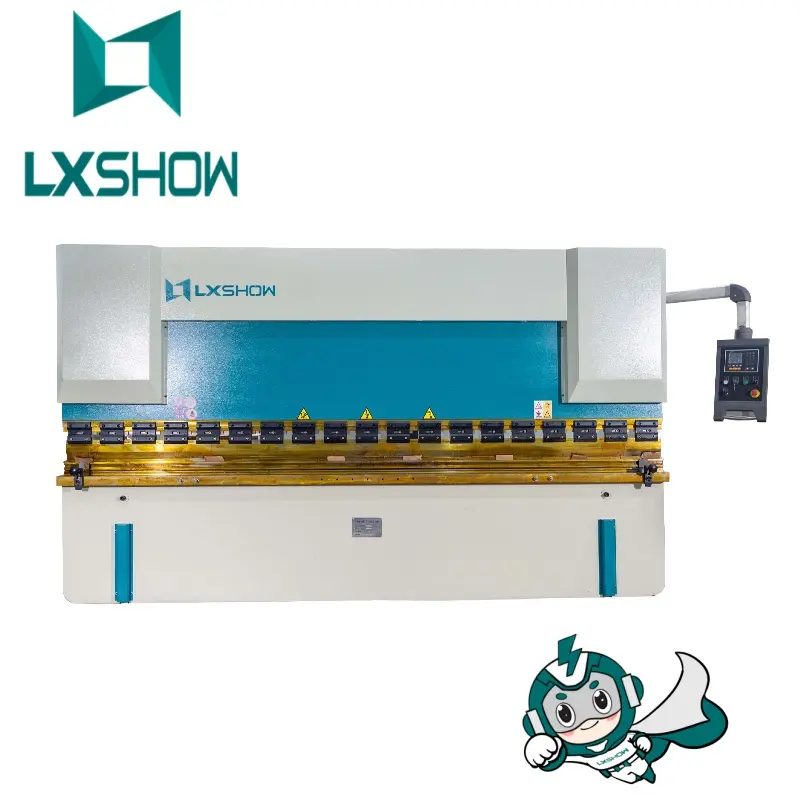
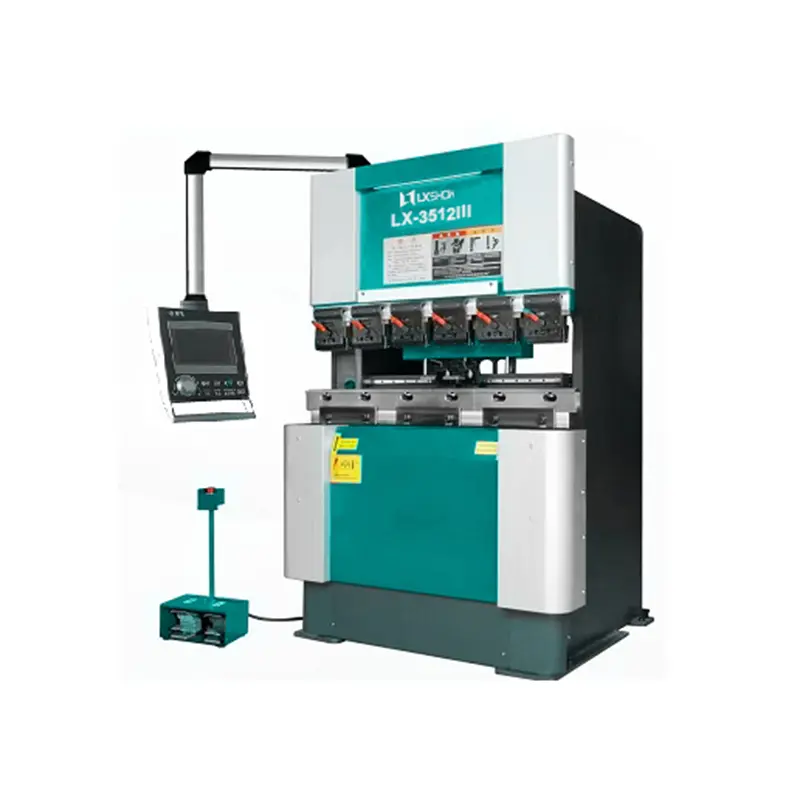
High-precision electro-hydraulic press brakes for sheet metal forming and folding.
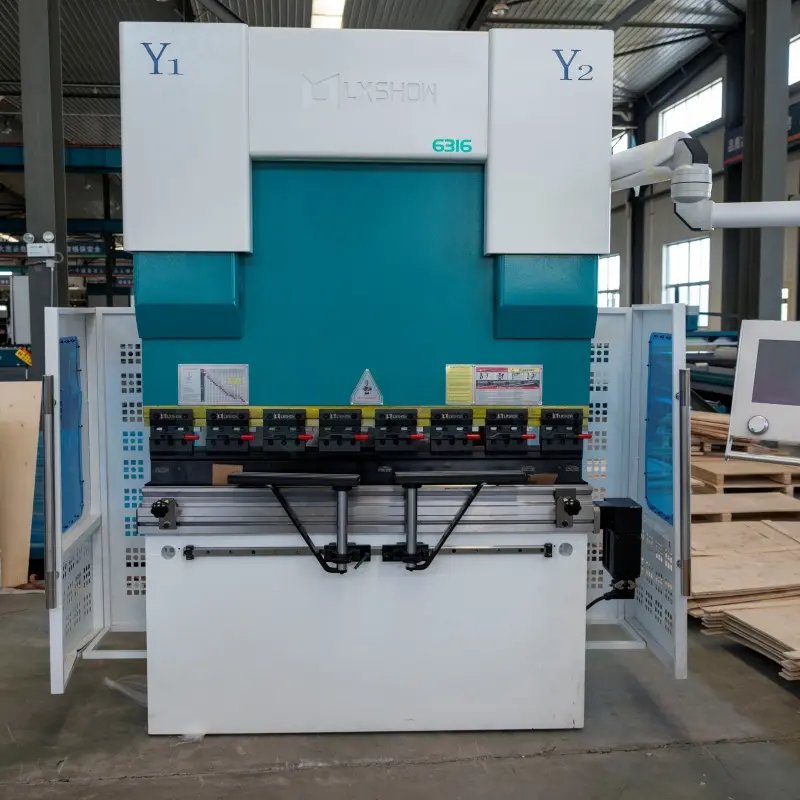
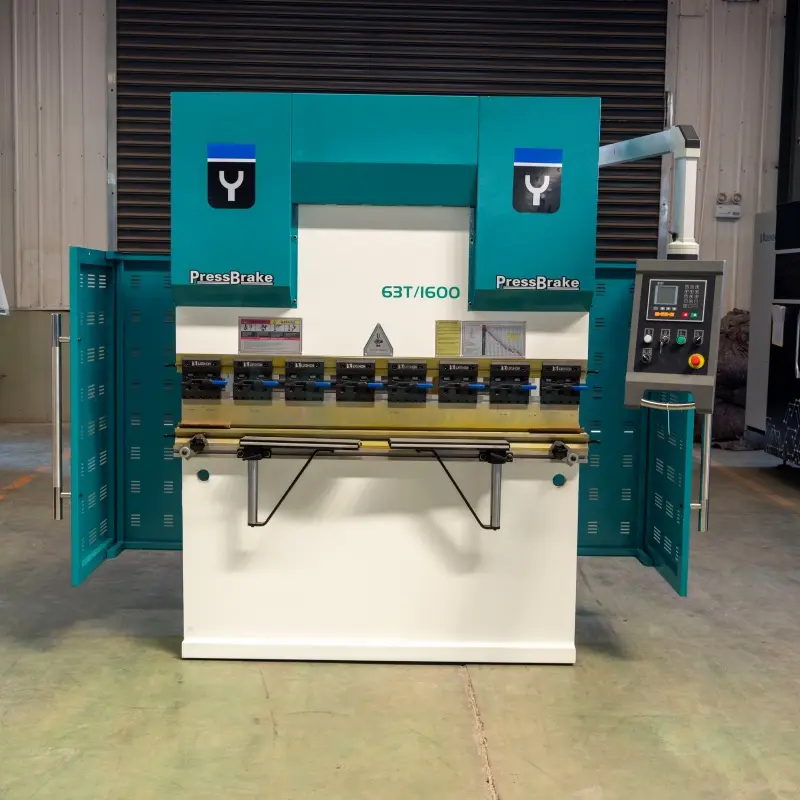
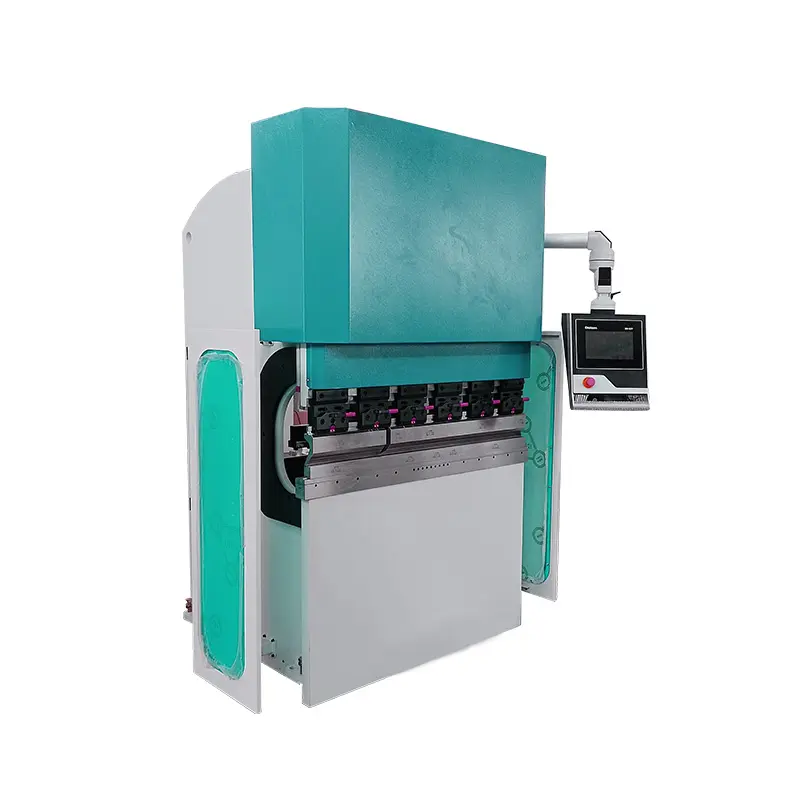
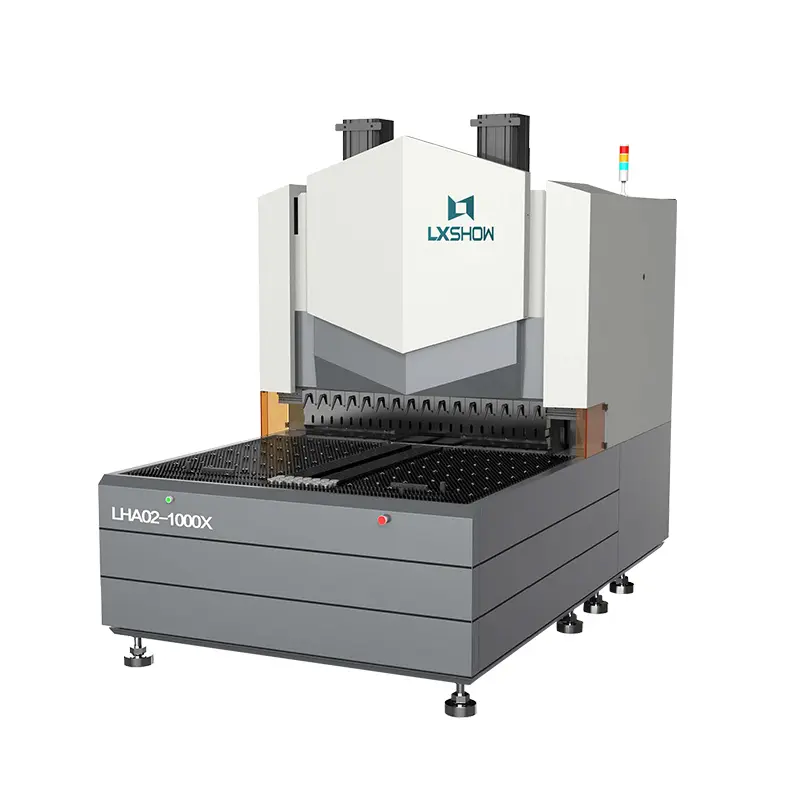
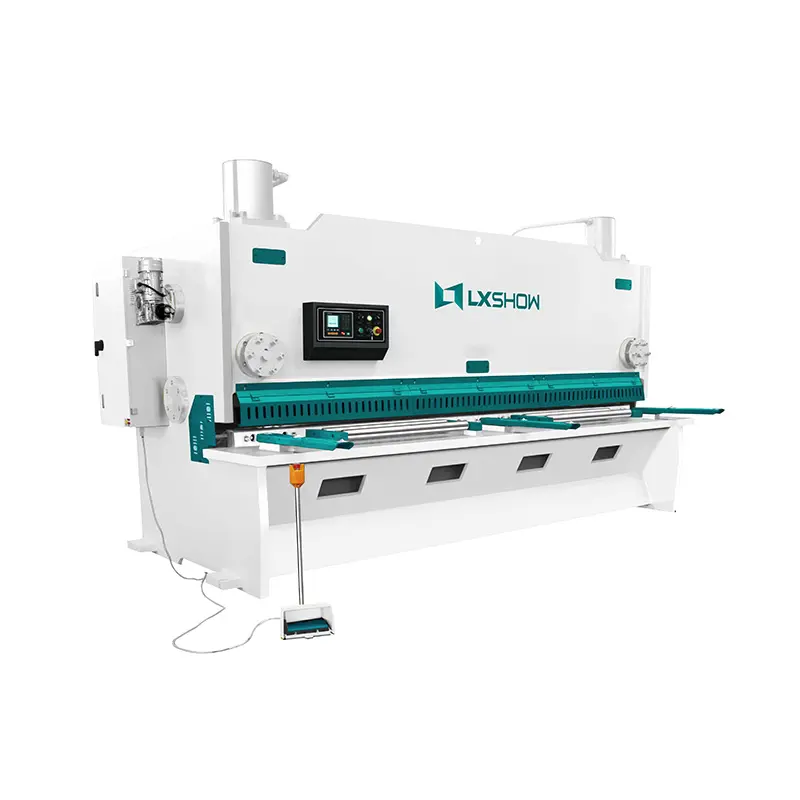
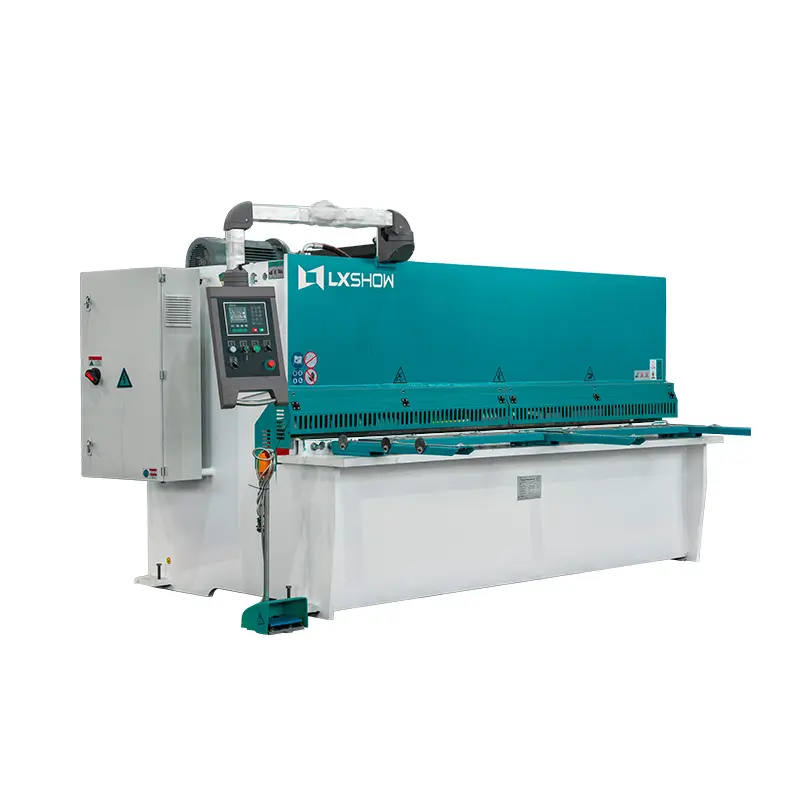
Hydraulic swing beam and guillotine metal cutting equipment for structural plates.
 Lxshow