Discover high-efficiency metal cutting, bending, and finishing systems engineered to optimize throughput and lowering unit cost.
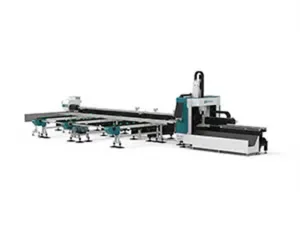
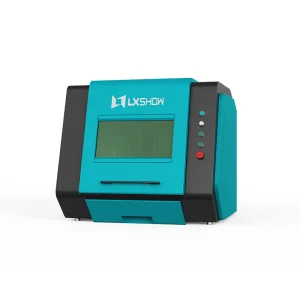
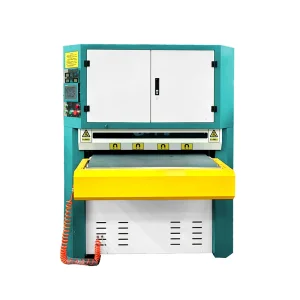
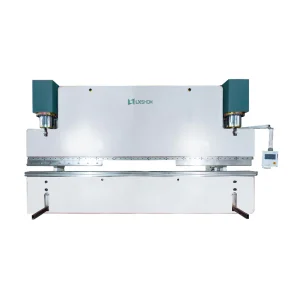
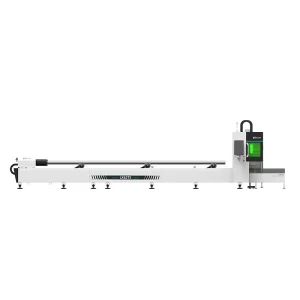
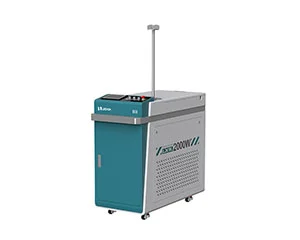
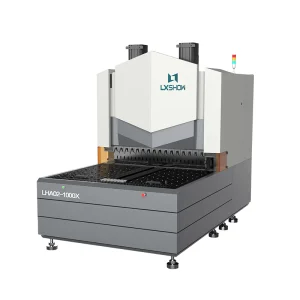
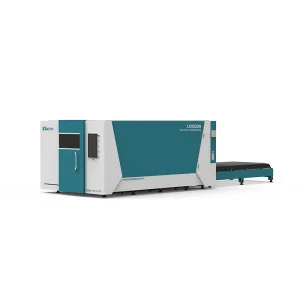
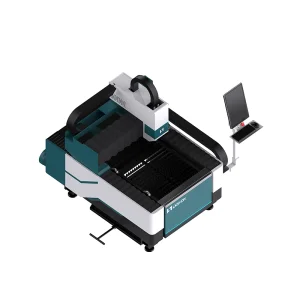
For global fabricators, selecting the ideal starting power capability requires balancing operational throughput, thermal dynamics, and raw capital investment. The 1000W fiber laser cutting system represents this critical convergence. Operating at a nominal 1064nm waveband, the 1000W output is optimized for peak absorption in ferrous and non-ferrous metals alike, delivering exceptional edge quality without the excessive thermal stress of multi-kilowatt arrays.
High-performance 1000W units utilize advanced solid-state optical fibers doped with rare-earth active elements (primarily Ytterbium). By generating high-density energy inside a robust fiber core, the light is delivered directly to the cutting head via flexible armor cables. This completely eliminates mirrors, beam path purge systems, and constant alignment downtime characteristic of older CO2 technology.
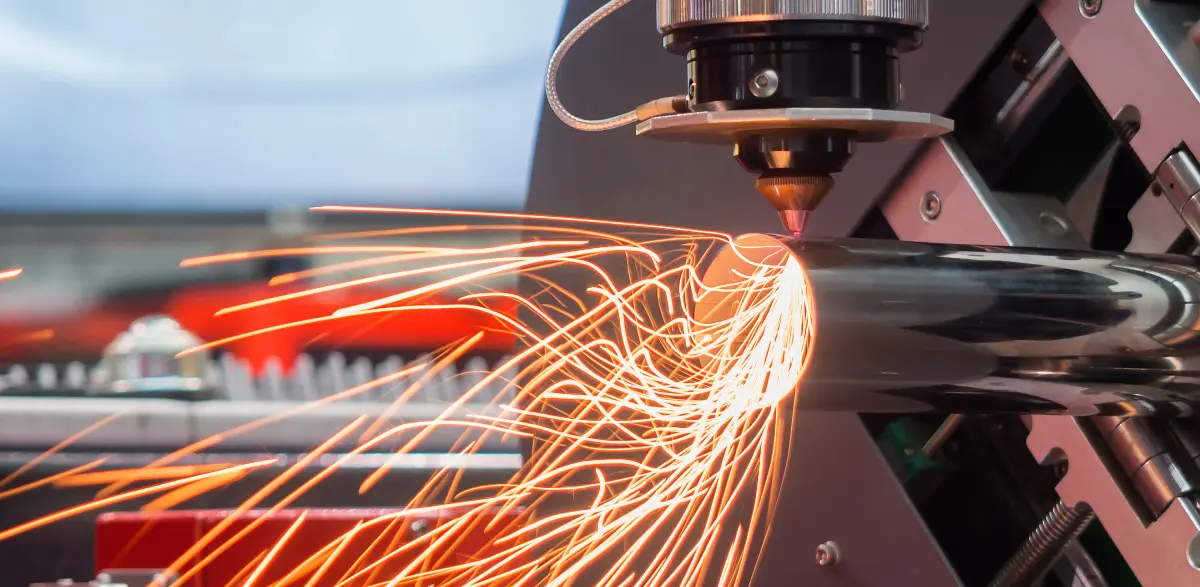
This dense concentration of energy vaporizes sheet metals instantaneously, allowing high cutting velocities (up to 40m/min on 1mm carbon steel) with minimal heat-affected zones (HAZ). This guarantees that components maintain structural integrity post-cut, preventing subsequent processing errors in bending, welding, or assembly.
Exploring the manufacturing logistics and vertical integration that make Chinese factories global leaders in laser technology.
By localizing optical components, heavy machine frames, structural gantry casting, and electronics within unified industrial clusters like Shandong and Hubei, production schedules are reduced by 40% while ensuring complete trace-level quality control.
Robust material volume and standardized design platforms allow us to deploy state-of-the-art optical components (IPG, Raycus, Raytools) at a capital investment footprint up to 60% lower than traditional European or Japanese peers.
Operating dedicated design departments in-house, we customize mechanical dimensions, loading systems, and control software interfaces (CypCut/Beckhoff) to match the custom configurations demanded by modern high-output factories.
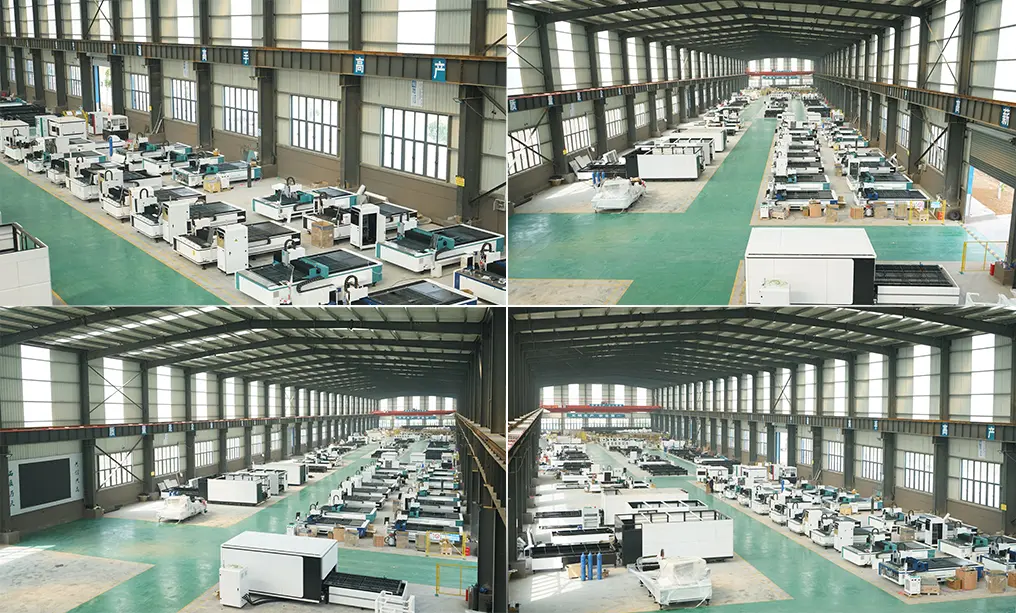
Chinese factories have transitioned from basic machinery assembly to high-precision engineering hubs. At our 32,000 square meter facility, machine frames undergo high-temperature heat treatment (stress-relief annealing) at over 600°C to release residual mechanical stresses. Followed by multi-axis CNC gantry milling, this ensures alignment tolerances within 0.02mm across the entire 4-meter working envelope.
Established in July 2004, we have spent 18+ years focusing on pioneering intelligent laser machinery systems.
With more than 500 square meters of dedicated research and office space, coupled with our state-of-the-art 32,000 square meter factory, we deploy smart technical support channels internationally. We have established a professional communication center for laser cutting, welding, and cleaning systems to enable digitalized plants across the globe.
All our manufacturing processes and final machines have fully passed the European Union CE authentication, American FDA certificate, and are strictly certified to ISO 9001 standards.
Inside the modern facilities where high-performance optical machinery is developed and assembled.
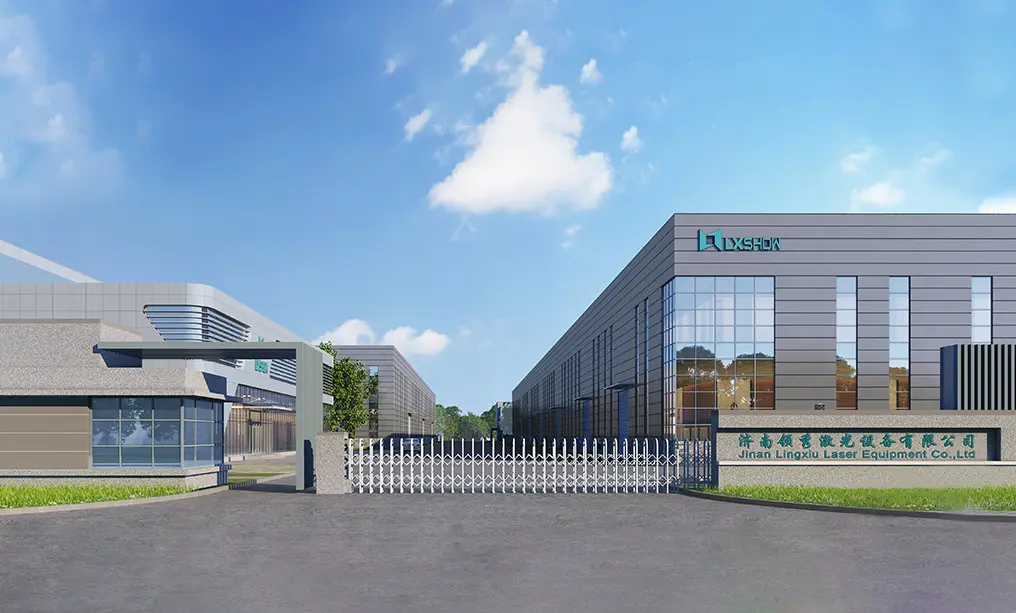
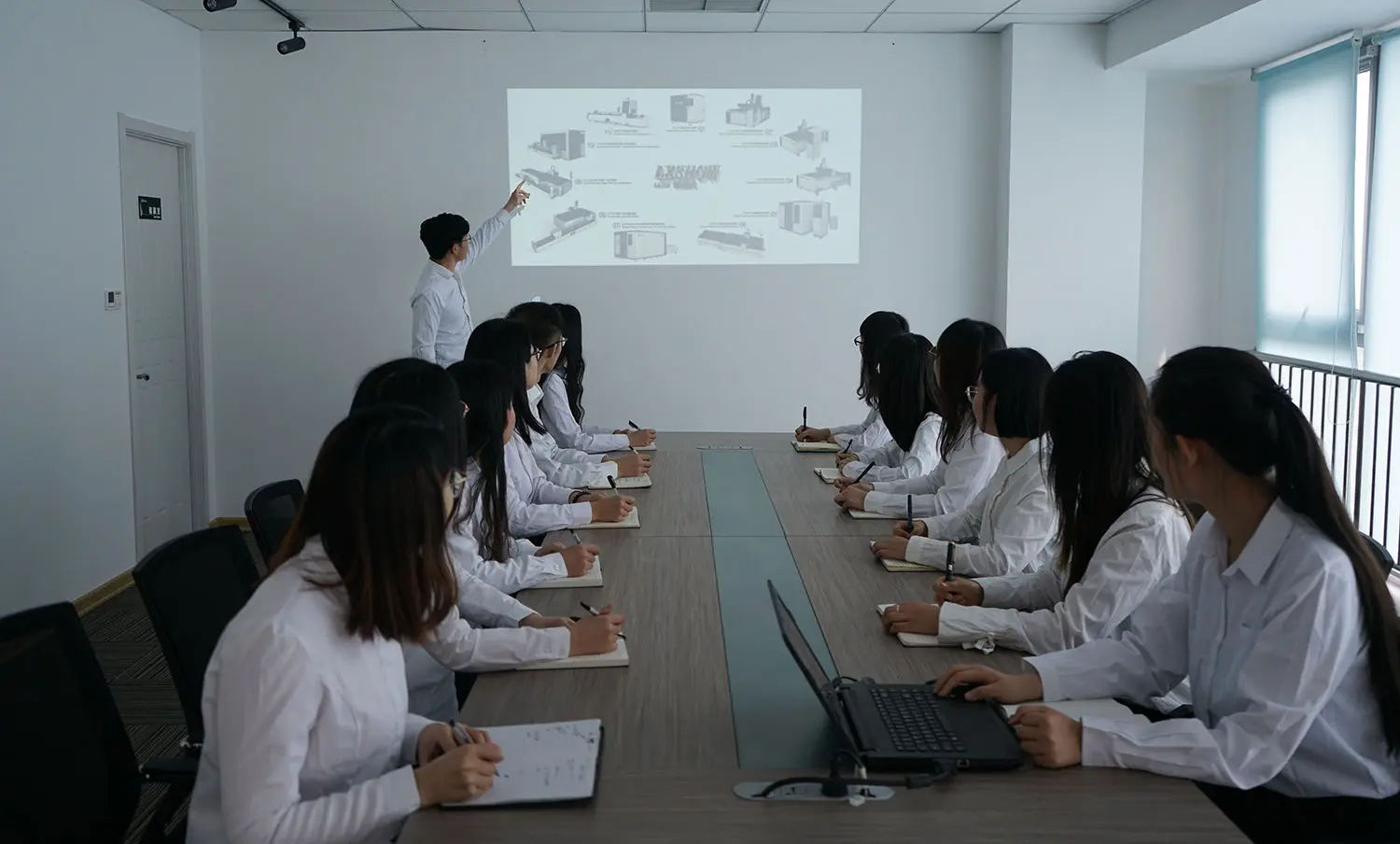
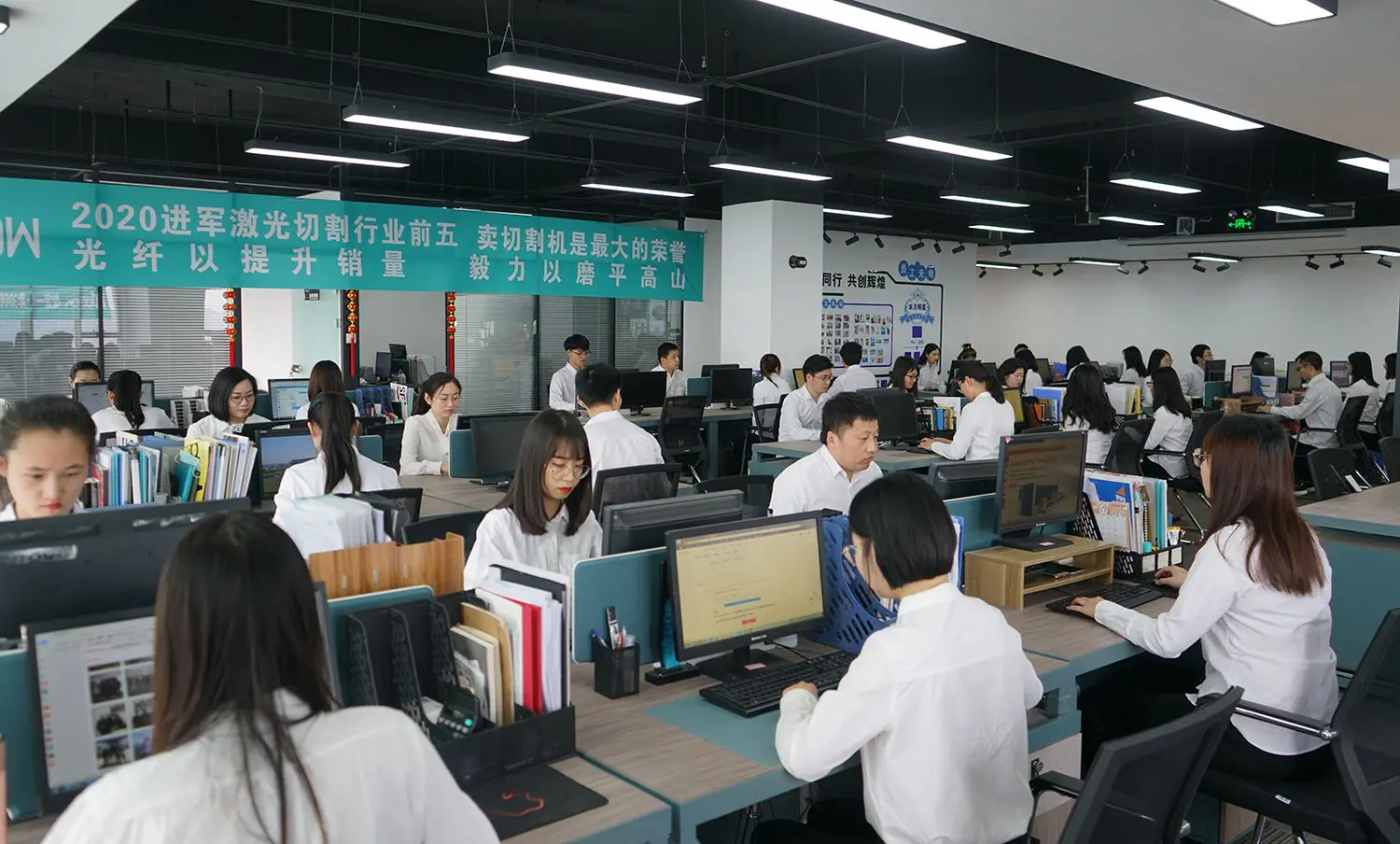
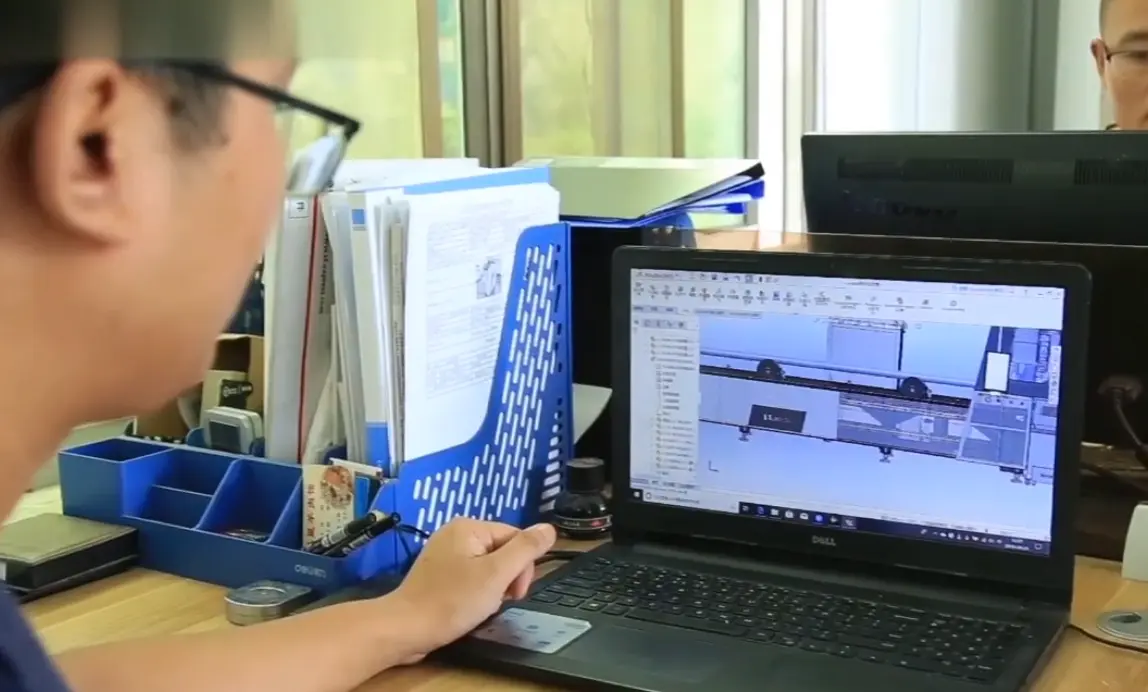
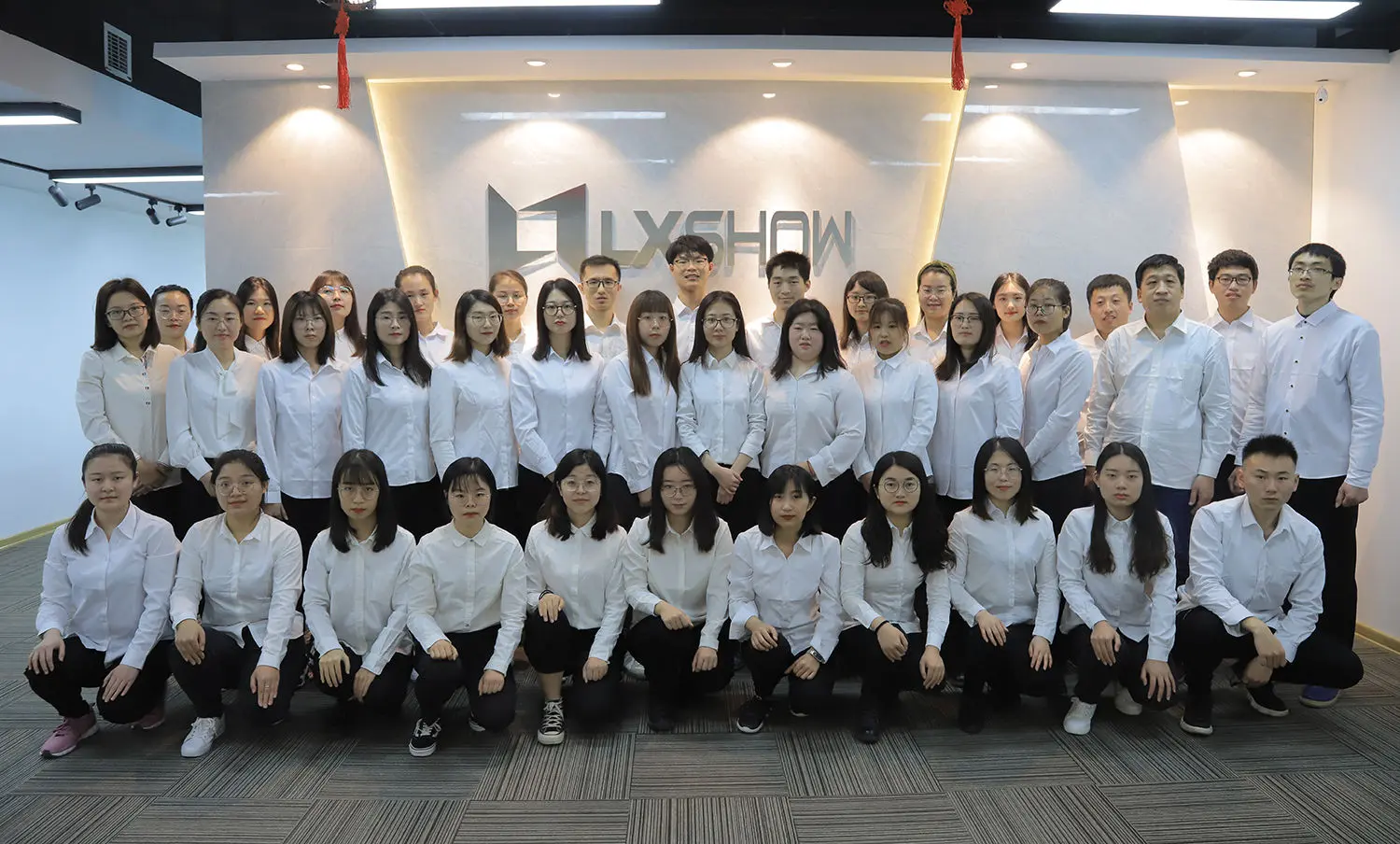
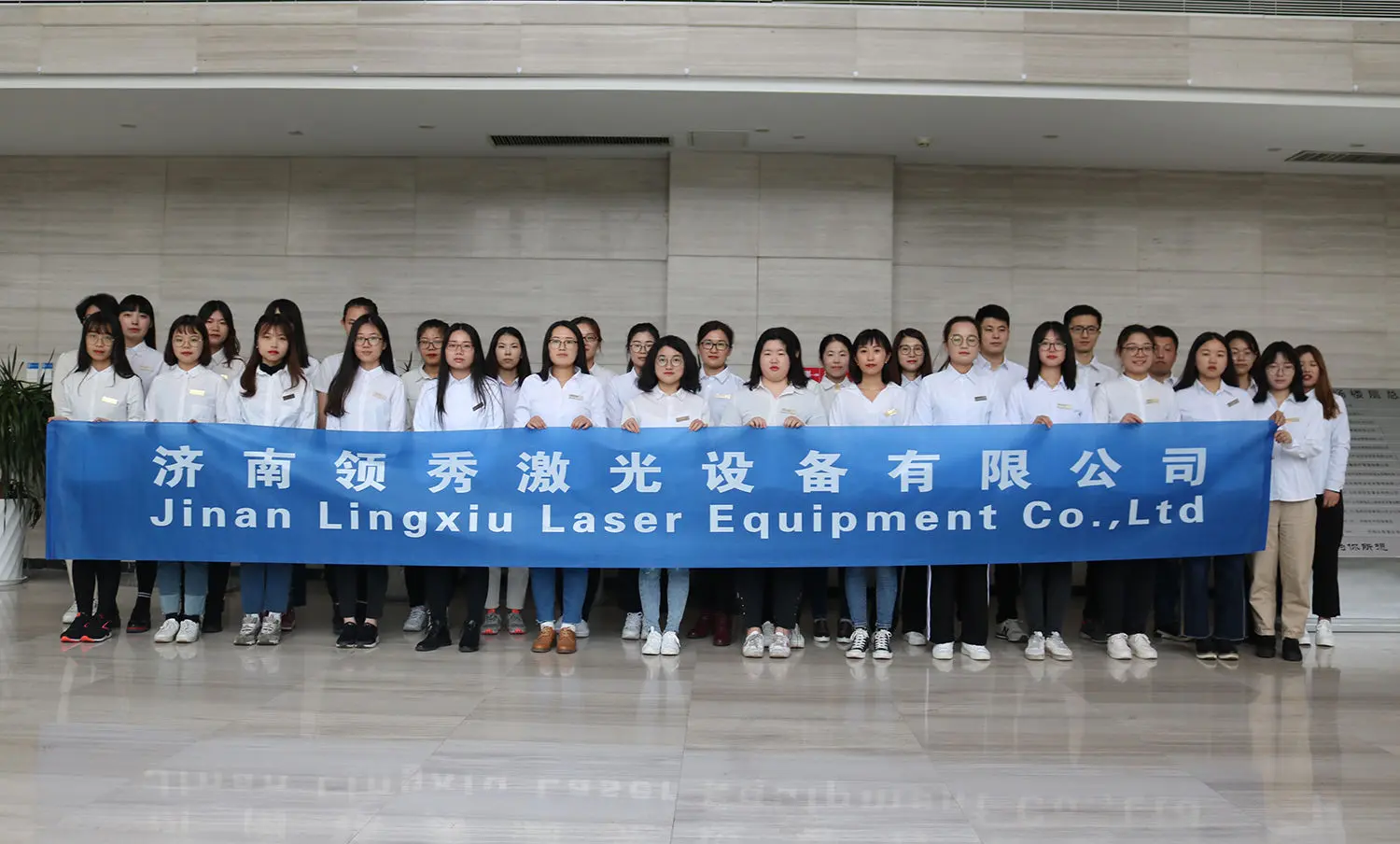
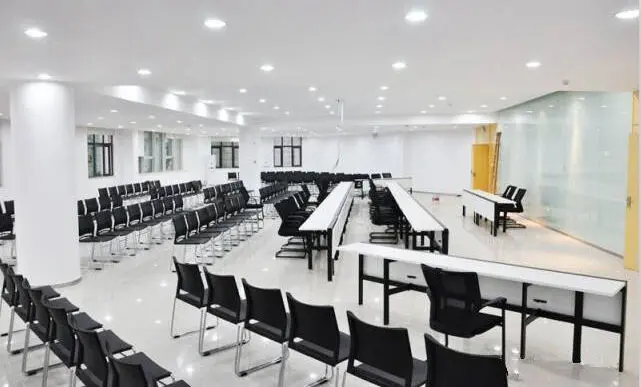
Deploying advanced fiber laser solutions to streamline manufacturing across complex material processing lines.
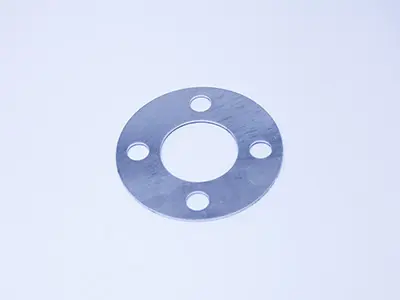
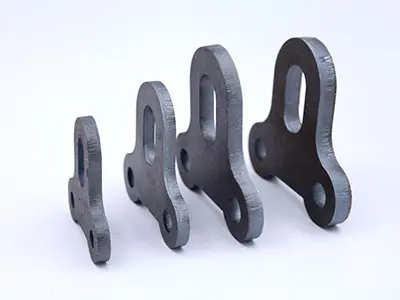
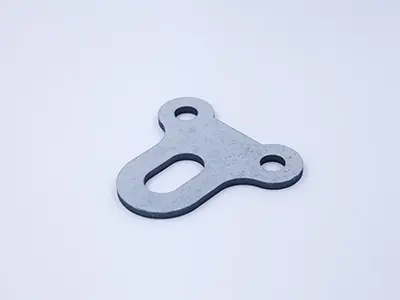
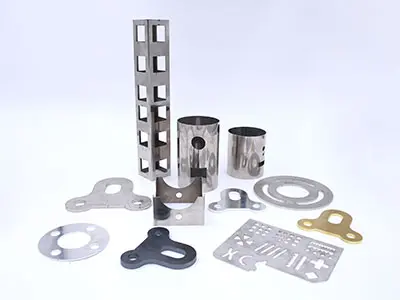
Our technology platforms are widely utilized in heavy industrial fields like the steel industry and aerospace manufacturing, where cutting speeds and high dimensional tolerances are crucial. In sectors such as automotive engineering and machinery manufacturing, fiber laser cutting and cladding machines provide clean, high-precision cuts that reduce finishing cycle times.
Additionally, specialized configurations cater to semiconductor fabrication, integrated circuit manufacturing, mold layout design, and consumer-focused industries like jewelry, packaging, rubber, plastics, and craft gifts.
When sourcing industrial laser systems from China, procurement engineers and factory operations managers should evaluate several critical factors:
Ensure the manufacturer lists certified suppliers for their fiber sources (IPG, Raycus, or Maxphotonics). For high-precision applications, the power stability must be within ±1% variation under sustained thermal conditions.
High-performance machines require high-grade servo motors (such as Japanese Yaskawa or Panasonic) combined with helical rack-and-pinion drive units. This enables fast acceleration (up to 1.5G) while maintaining positioning accuracy to ±0.03mm.
Industrial equipment uptime is a critical operational parameter. Reliable manufacturers provide digital diagnostics via network integration, local technician dispatch networks, and spare parts supply chains globally.
Answering high-intent technical questions to help you make informed investment decisions.
A 1000W (1kW) fiber laser system is optimized for thin to medium metals. It cuts carbon steel up to 10-12mm, stainless steel up to 5mm, and highly reflective materials like aluminum and brass up to 3-4mm. For mass-production setups, it works best with carbon steel of 1-6mm and stainless steel of 1-3mm, where it balances speed with cut-edge quality.
Oxygen (O2) acts as an active cutting gas, causing an exothermic chemical reaction with carbon steel. This speeds up cutting on thick sheets but leaves an oxide layer on the edge. Nitrogen (N2) is an inert shielding gas that pushes away molten metal by kinetic force alone. This prevents oxidation, leaving a clean, paint-ready edge. However, it requires higher gas pressure and consumption.
Unlike CO2 lasers, fiber lasers require minimal optical maintenance. Regular maintenance focuses on mechanical parts: lubricating the guide rails and helical racks, checking dust collection systems, replacing protective window lenses inside the laser head, and cleaning the water chiller filters to maintain precise temp controls.
High acceleration (1.2G - 1.5G) creates massive inertial forces. A heavy, stress-relieved, plate-welded bed absorbs these vibrations and prevents structural warping over time. Choosing a cast-iron or heavy plate-welded frame prevents deformation, ensuring precision cuts and a long machine lifespan.
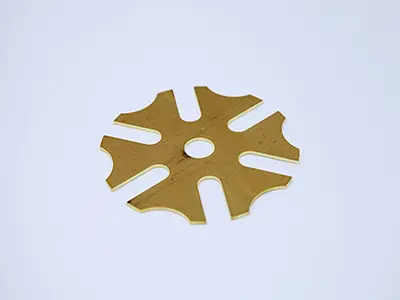
Yes. Modern fiber lasers feature back-reflection protection systems. Because fiber lasers operate at a 1.06-micron wavelength, reflective metals absorb the energy much better than they would under a CO2 laser's 10.6-micron wavelength. This allows stable cutting of copper, brass, and aluminum without damaging the optical components.
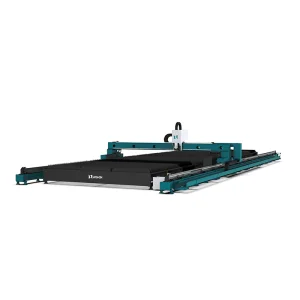
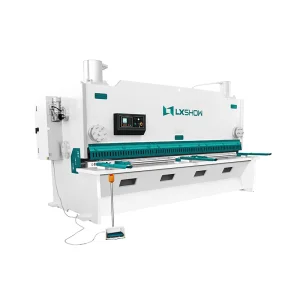
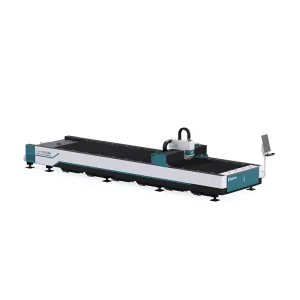
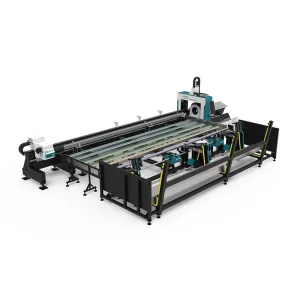
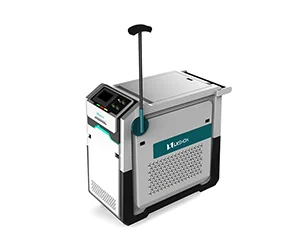
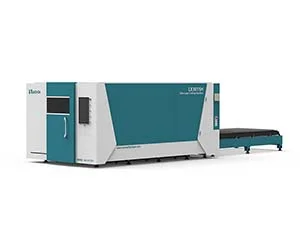
Explore additional precision industrial machinery, including shearing, bending, laser cladding, and specialized pipe cutting systems.
 Lxshow