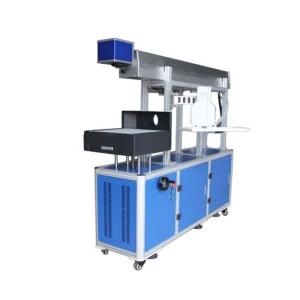
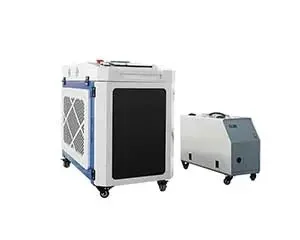
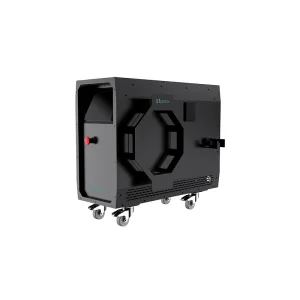
Deploying high-power, low-operating-cost fiber optic laser cutters and precision manufacturing auxiliaries designed for sheet metal, tube fabrication, and advanced surface finishing.
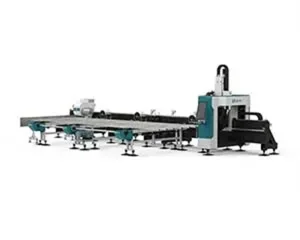
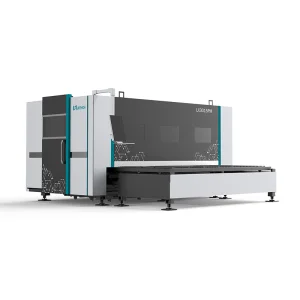
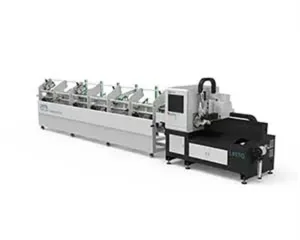
In the contemporary global manufacturing landscape, the shift from traditional mechanical machining and CO2 laser technology to high-precision Fiber Optic Laser Cutting is nearly complete. As structural demand rises across automotive, aerospace, shipbuilding, and architectural framing industries, metal fabrication centers require systems that offer high photoelectric conversion efficiency, zero reflective mirrors maintenance, and unmatched speed when processing thin to medium-thickness sheets.
Compared to CO2 lasers, fiber optic lasers operate with a wavelength of approximately 1.06 micrometers, meaning they are absorbed much more efficiently by metals—particularly non-ferrous, highly reflective materials such as copper, brass, and aluminum. The resulting reduction in thermal deformation combined with extreme speed optimization has established fiber laser systems as the cornerstone of Smart Manufacturing (Industry 4.0).
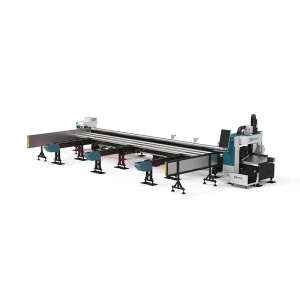
Purchasing standard machinery often leaves global tier-1 supply vendors with operational bottlenecks. As a premier ODM (Original Design Manufacturer), we modify gantry widths, implement custom automated loading and unloading racks (such as our LX62TNA series), integrate specific CNC software architectures (e.g., CypCut, Beckhoff, CypNest), and configure dual-exchange shuttle tables designed to minimize cycle overhead. We build for your precise structural requirements.
Modern industrial operations require rigorous data and component verification. We construct all fiber optic systems with state-of-the-art parts sourcing, featuring structural frames treated through stress-relief annealing processes at 600°C to guarantee long-term alignment stability over decades.
Integration with industry-leading fiber optic power modules including IPG, Raycus, Maxphotonics, and JPT, scaling from 1kW up to 30kW ultra-high capacity cutting systems.
Equipped with intelligent, self-cooling autofocus heads (such as Raytools and Precitec) featuring automated optical path adjustment, collision prevention, and instant sensor-based adjustments.
Every single fiber laser cutting machine complies fully with the European Union CE authentication, carries an active American FDA certificate, and is built under ISO 9001 quality management pipelines.
| Material Class | Optimal Thickness Range (12kW Source) | Ideal Assist Gas Configuration | Industrial Cutting Edge Quality |
|---|---|---|---|
| Carbon Steel / Mild Steel | 1 mm – 40 mm | Oxygen (O₂) for thick plates, Air/N₂ for thin sheets | Dross-free, clean perpendicular kerf angles |
| Stainless Steel (SS304/SS316) | 1 mm – 30 mm | High-pressure Nitrogen (N₂) | Bright surface finish, oxide-free edge |
| Aluminum Alloys | 1 mm – 25 mm | High-pressure Nitrogen (N₂) or Air | Excellent reflection management with high feed rates |
| Copper & Brass | 1 mm – 16 mm | Oxygen (O₂) or Nitrogen (N₂) | Highly specialized cutting parameters, reflective protection active |
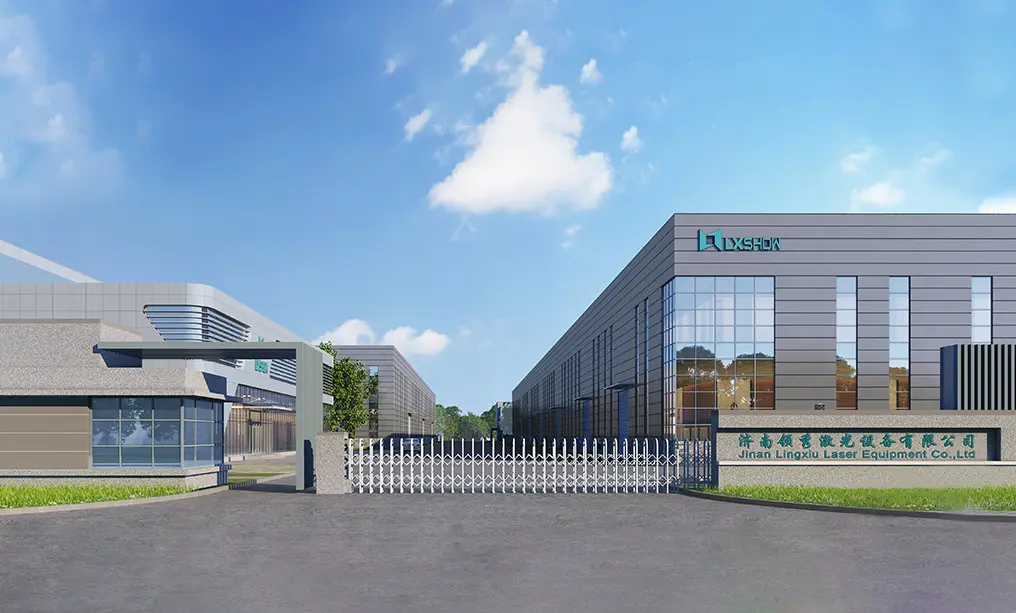
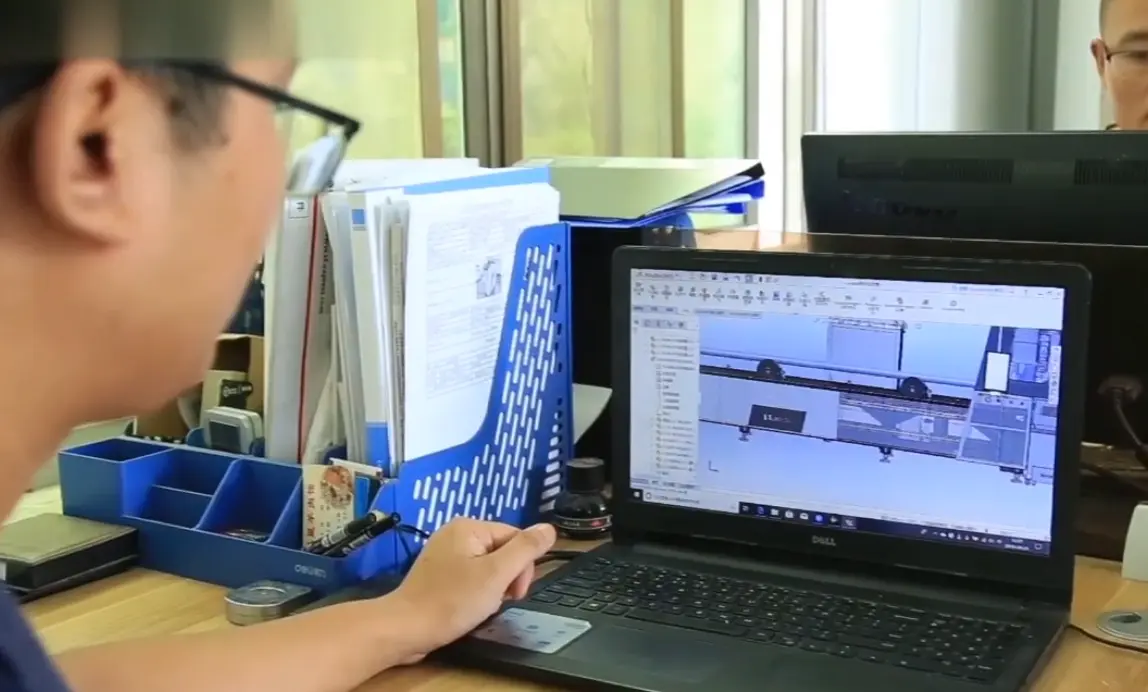
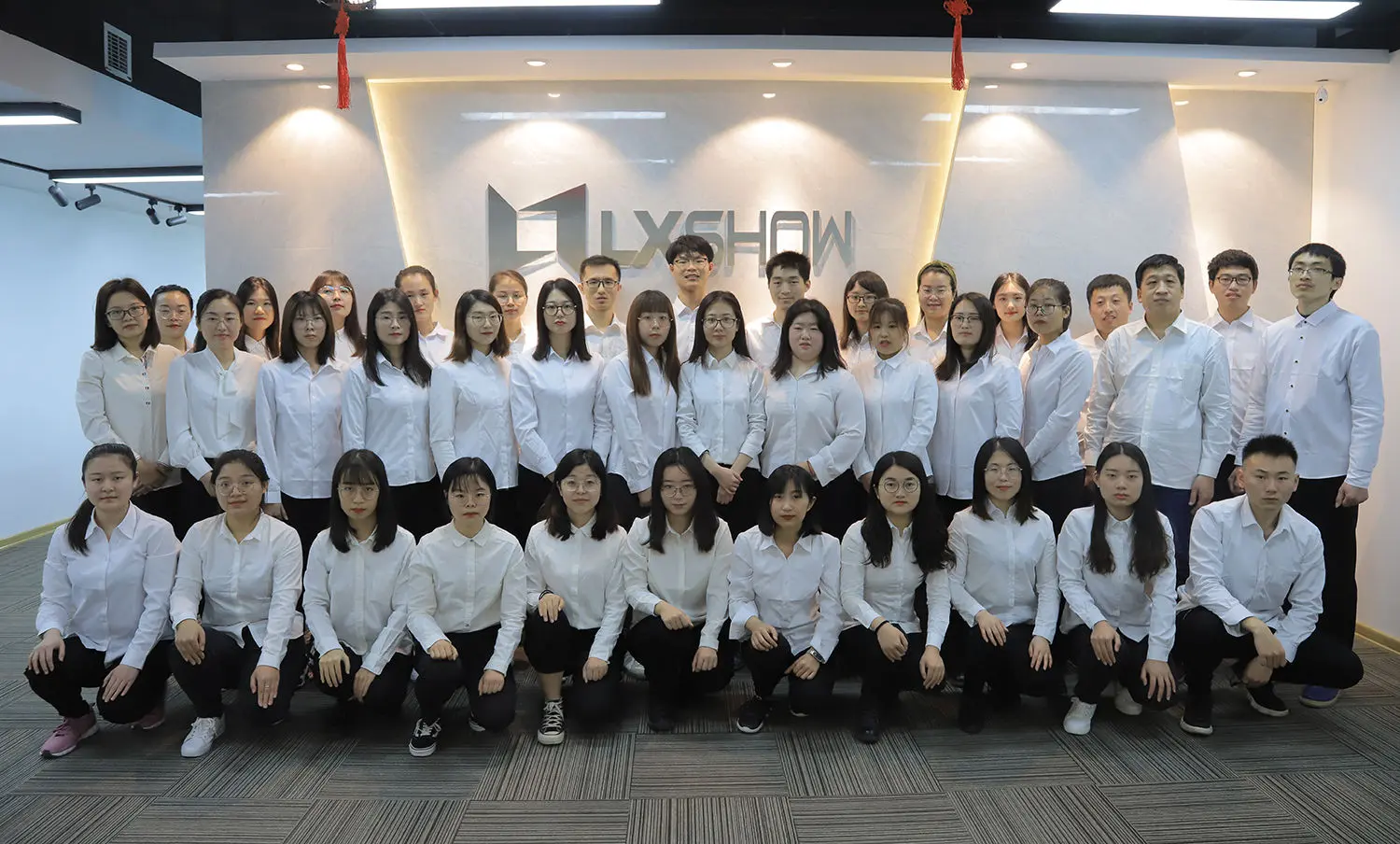
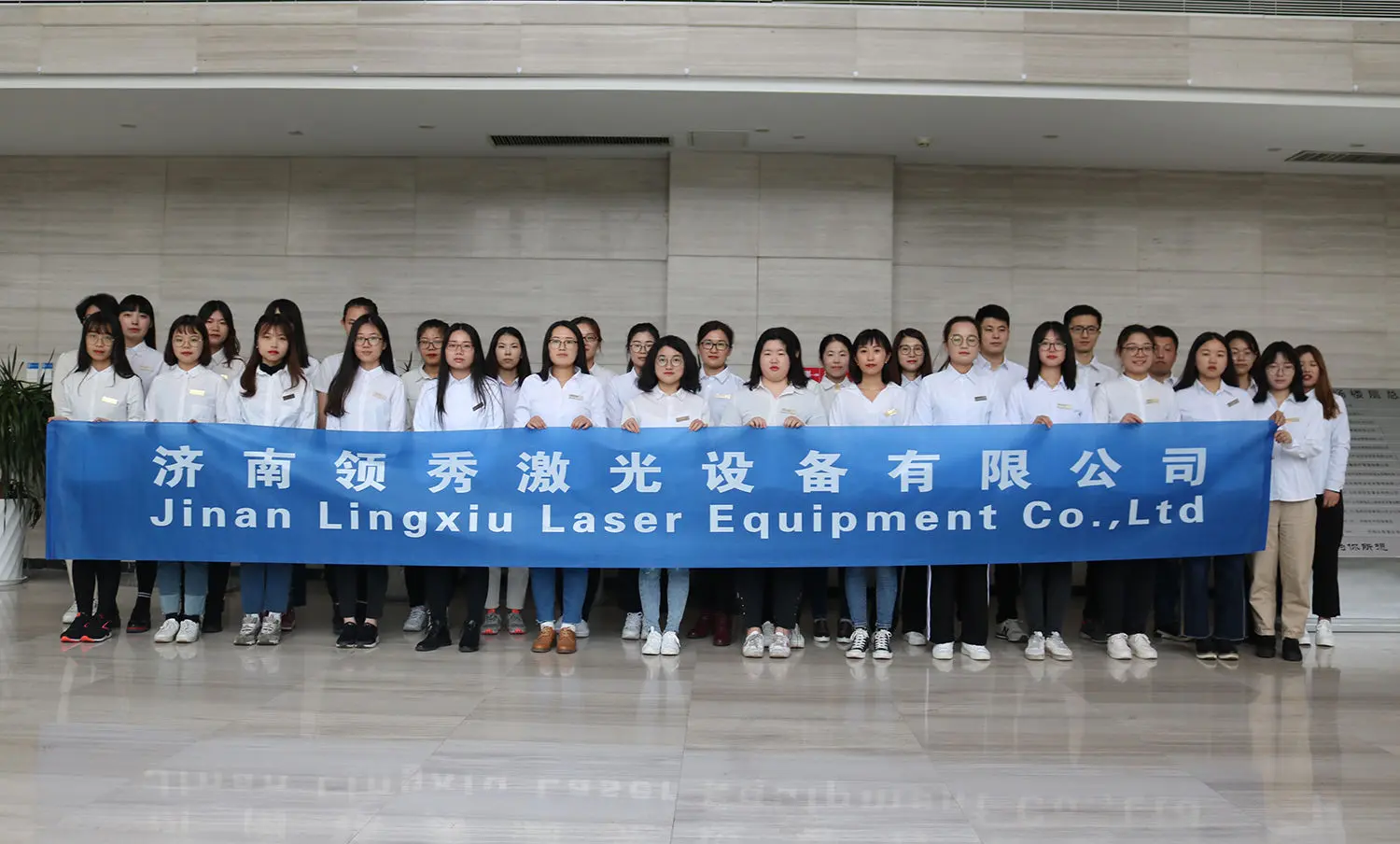
Established in July 2004, our enterprise has grown from a specialized domestic design team into a global powerhouse. Today, we hold more than 500 square meters of pure R&D and office workspace, flanked by a massive 32,000 square meter state-of-the-art manufacturing factory. With our products currently active across 120+ countries and zones, we supply comprehensive OEM/ODM structural service architectures for more than 30 global brands.
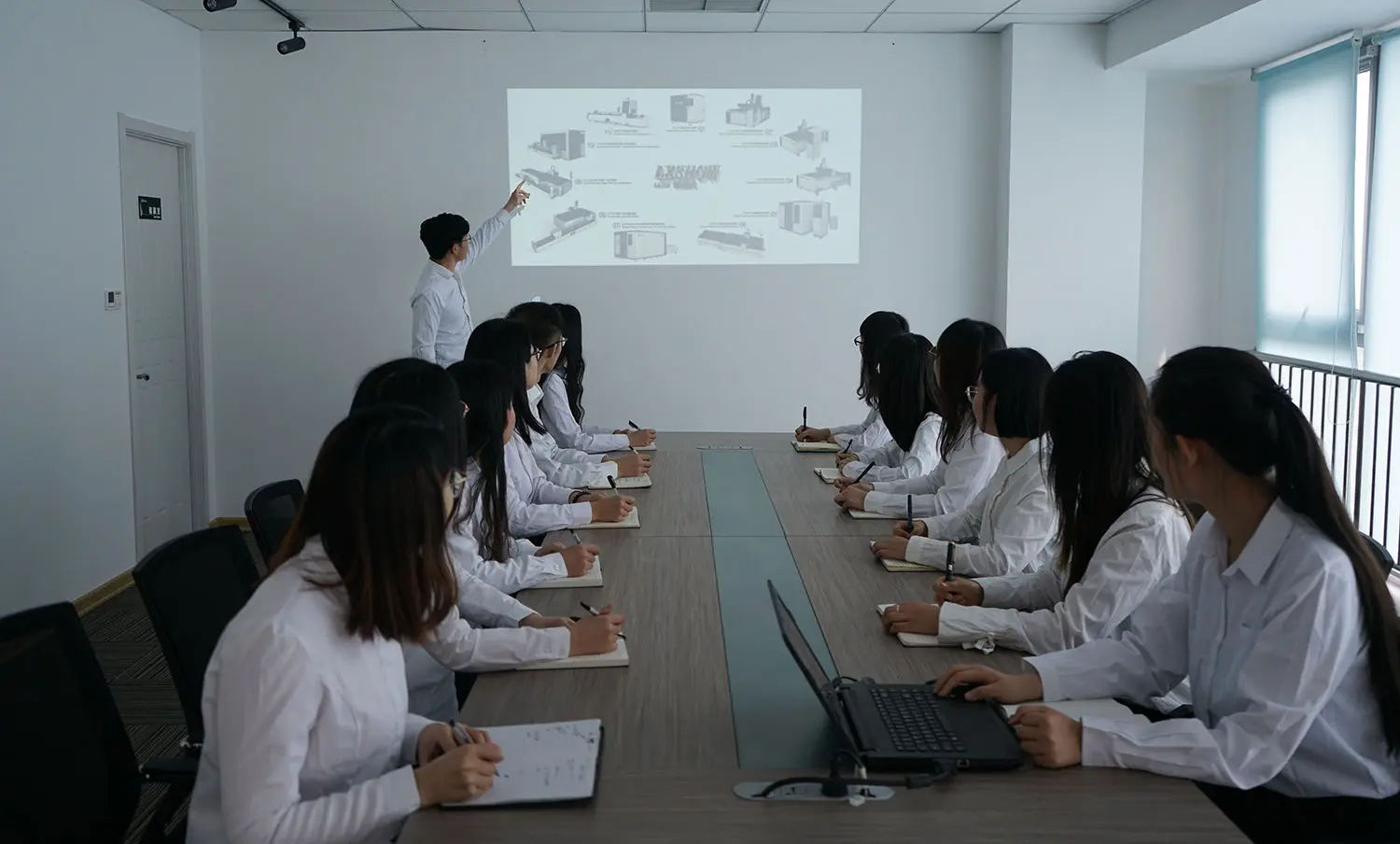
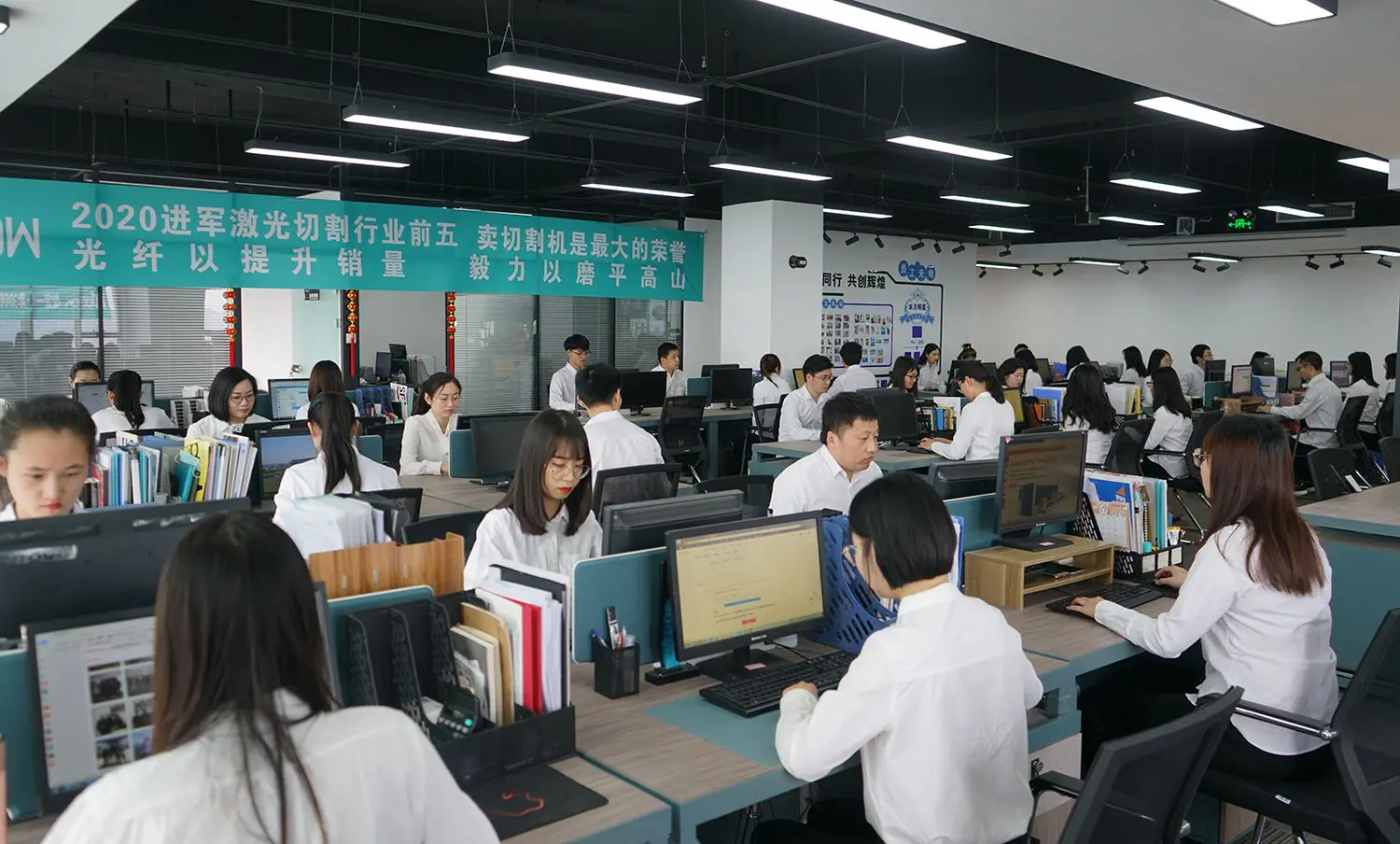
As a recognized pioneer in laser smart equipment, our core research center focus lies in building the hardware foundation for Industry 4.0 and future smart factories. Our global communication center coordinates real-time technical customer-centric service, training, and remote diagnostic solutions.
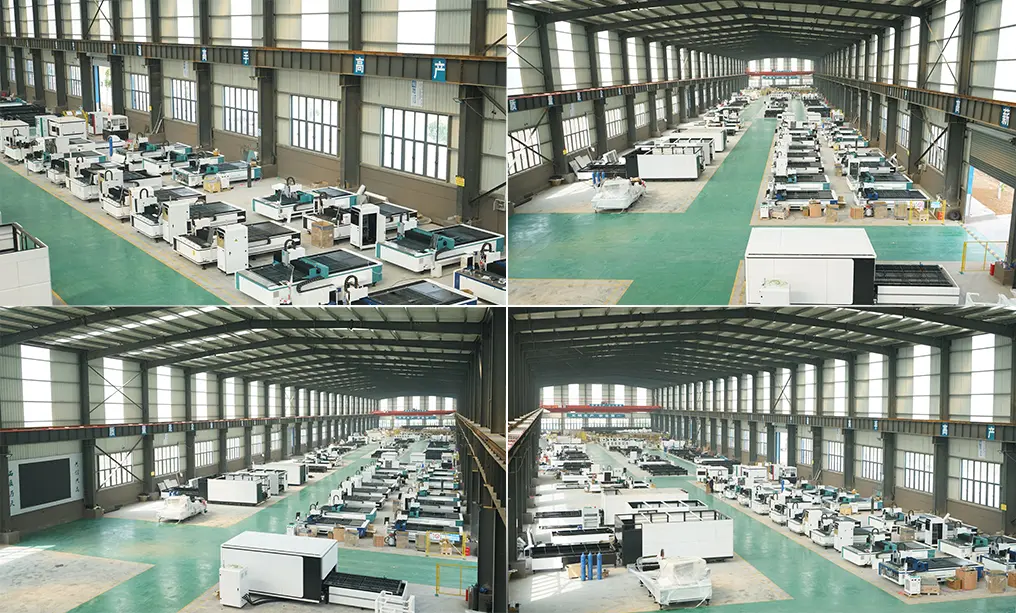

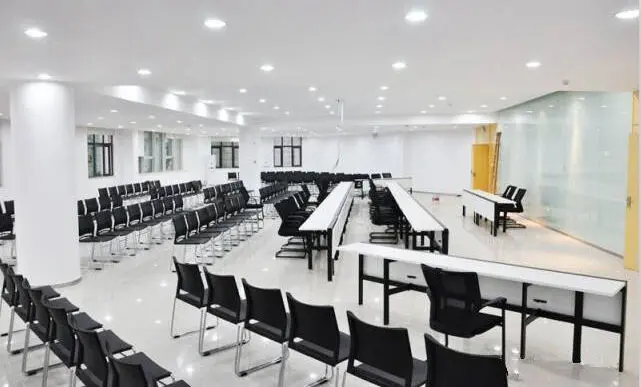
Our catalog goes far beyond standard metal cutters. We design unified hardware pathways that cover surface preparation, precision sizing, laser joining, structural forming, and automated cutting.
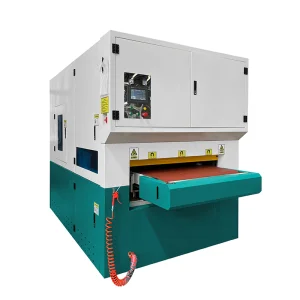
Provides a solid performance foundation for users executing continuous, batch resurfacing of heavy industrial cylinders, shafts, and mining components. Built with specialized single-axis positioning units to reduce setup time.
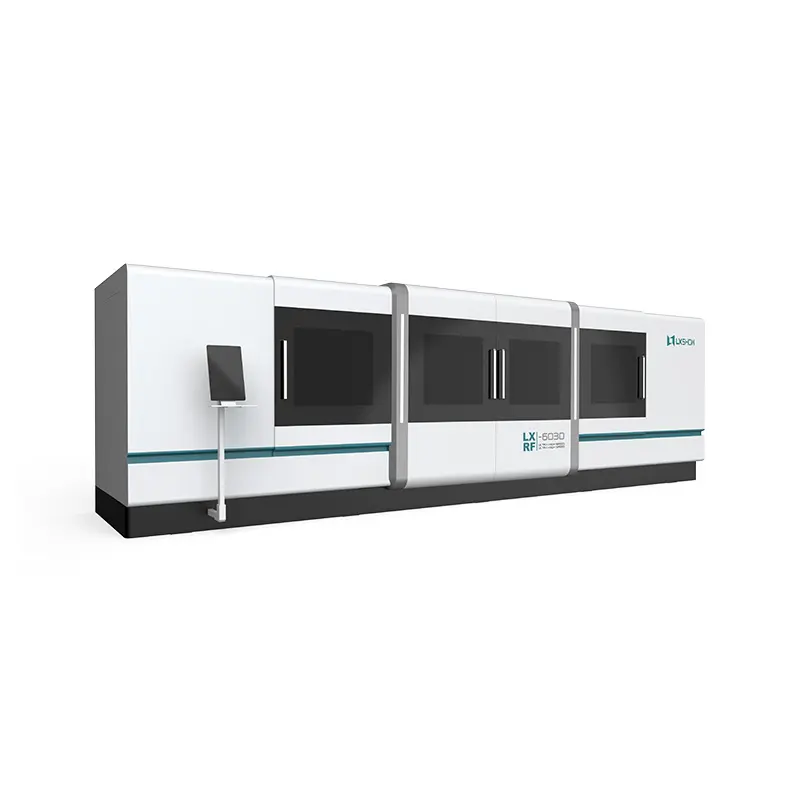
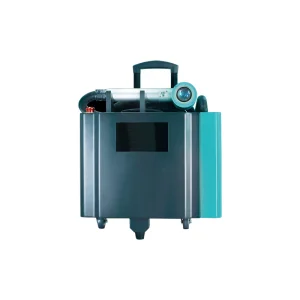
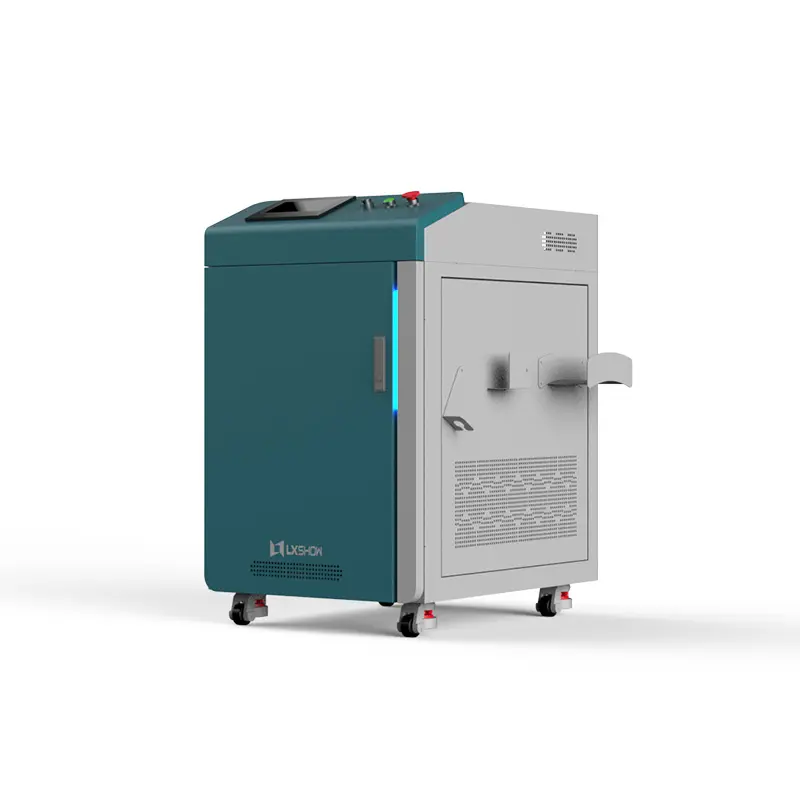
We supply high-efficiency fiber pulse rust removal and continuous paint cleaning tools. Applications span inner/outer tube walls, large sheet restoration, and mobile, backpack-style rust elimination units.
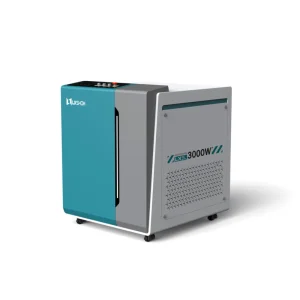
Merging the speed of localized fiber optic output (1kW-3kW) with advanced robotic articulators or lightweight ergonomic handheld welding heads. Delivers deep weld penetration with minimal thermal distortion.
Our CNC machine lines are specifically configured and calibrated for: Aluminum, Carbon Steel, Copper, Galvanized Sheets, Specialty Alloys, Round Metal Tubes, Square Metal Profiles, and Heavy Stainless Steel Plate Stocks.
Get authoritative, expert answers regarding raw performance metrics, operational limits, gas consumption, and ODM structural customization possibilities.
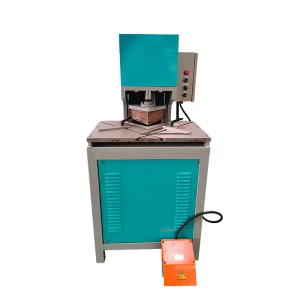
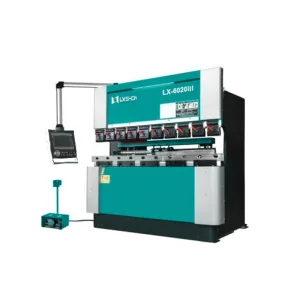
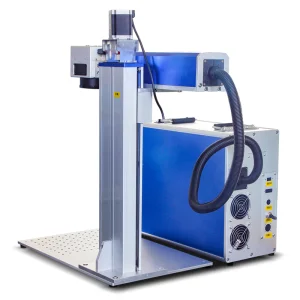
From dynamic marking systems to heavy bending brakes and precision deburring machines, we provide complete, integrated fabrication production lines.
 Lxshow