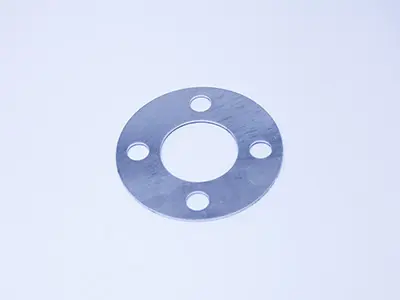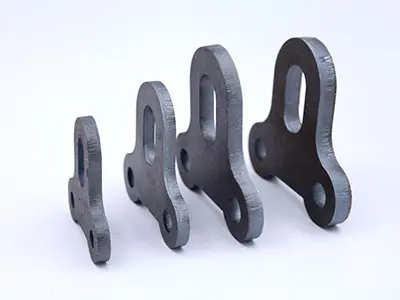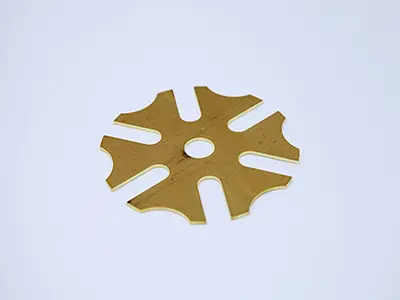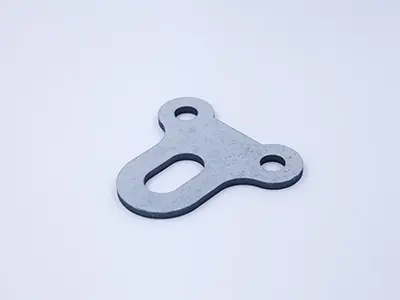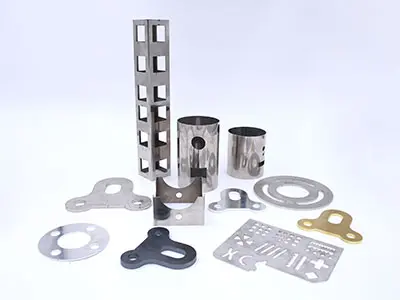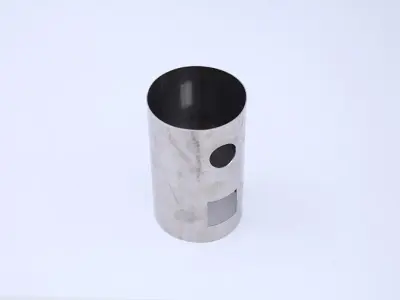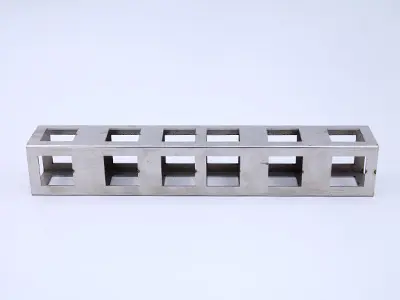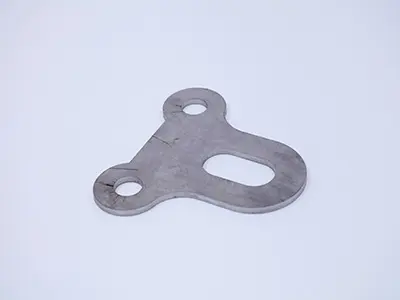
In modern industrial fabrication, laser cut aluminum sheet processing has transitioned from a specialized prototyping technique to a high-speed, high-volume production standard. Because aluminum alloys possess high thermal conductivity and reflective properties, processing them requires specialized optical technologies and motion controls. Leading Chinese manufacturers are driving this evolution by combining multi-kilowatt fiber laser technology with automated downstream finishing workflows.
This technical whitepaper outlines the structural parameters of laser-cut aluminum sheet production, focusing on material chemistry, processing kinematics, downstream operations (deburring and bending), and quality management practices. We provide procurement managers and engineers with the metrics needed to optimize their global supply chains.
The success of the laser cutting process depends on the target aluminum alloy's alloy composition and temper state. Alloys react differently to high-density light energy based on their composition:
To cut these alloys cleanly, manufacturers must control the laser's physical parameters. Modern fiber lasers use a 1.06-micron wavelength, which is absorbed more readily by non-ferrous metals than the older 10.6-micron CO₂ wavelength, improving processing efficiency for reflective metals.
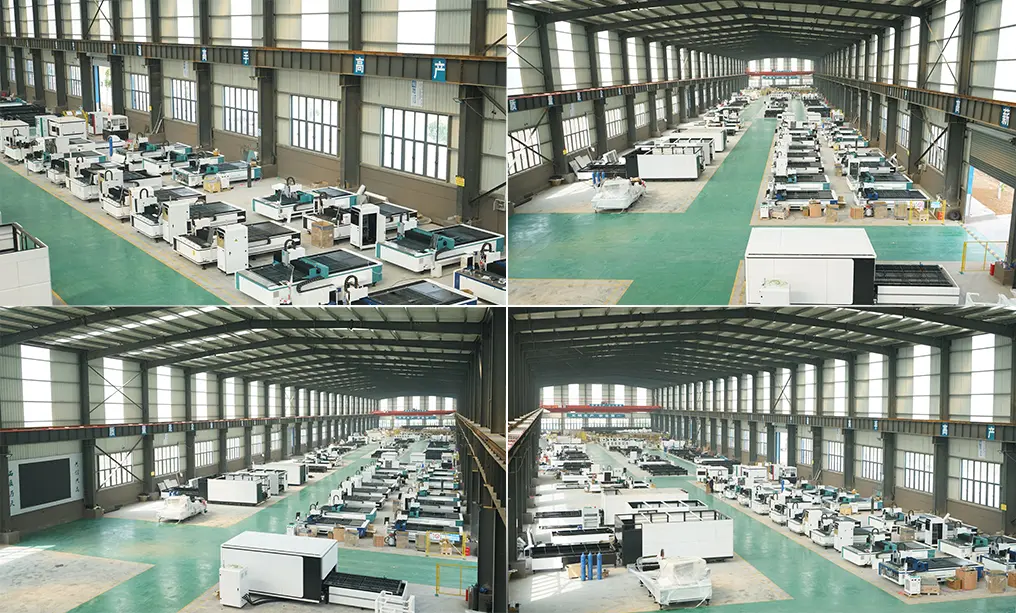
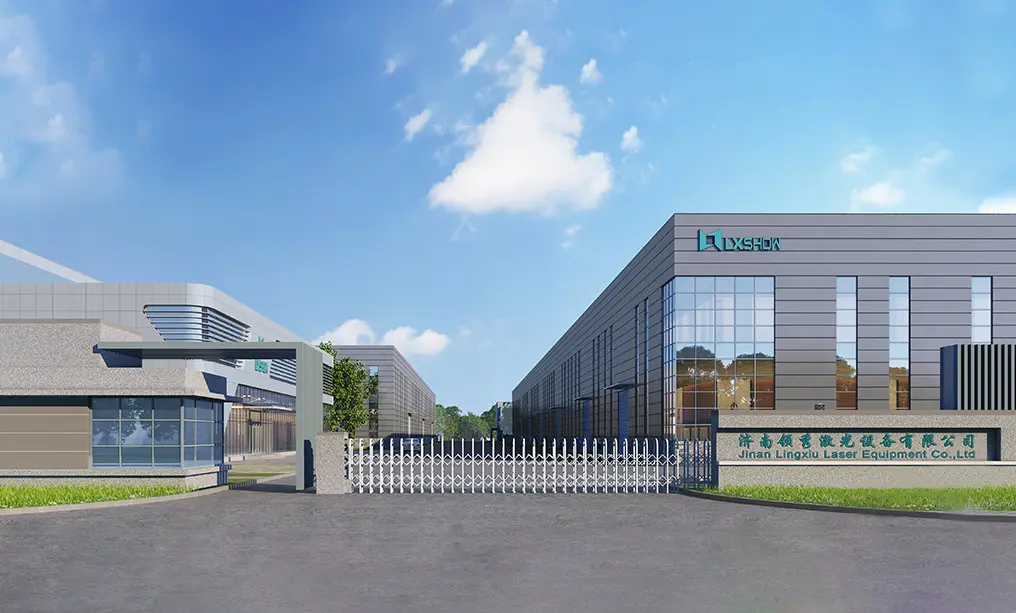
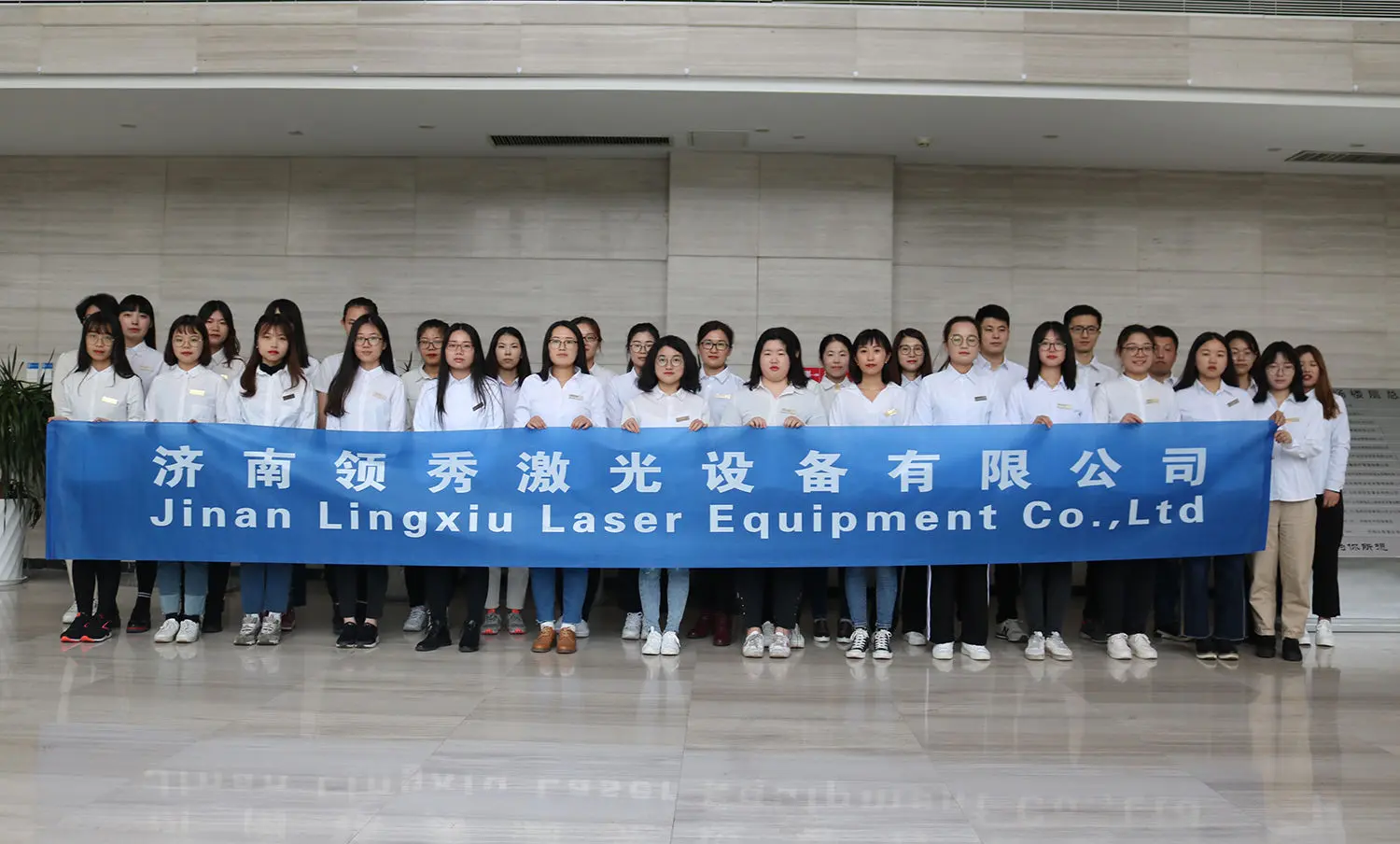
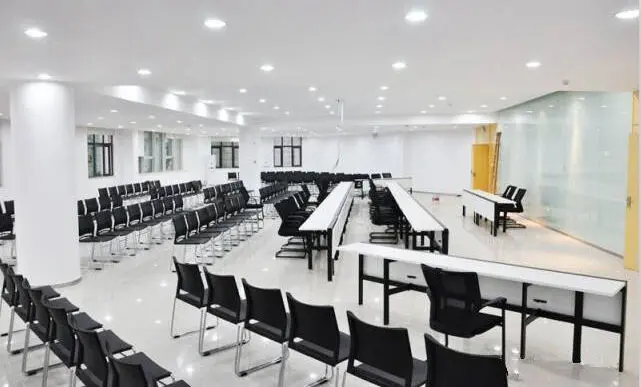
Established in July 2004, we have spent over 20 years focused on engineering CNC laser cutting, laser welding, and laser cleaning machinery. Our R&D facility covers more than 500 square meters, supported by a 32,000 square meter smart factory.
Our machinery portfolio holds European Union CE authentication, American FDA certificates, and is certified under the ISO 9001 quality management framework. We support industrial operators in more than 120 countries, while providing OEM services to over 30 global brands.
Our vision for 2040 is to drive industry 4.0 integration, helping fabricators build connected, smart manufacturing facilities.
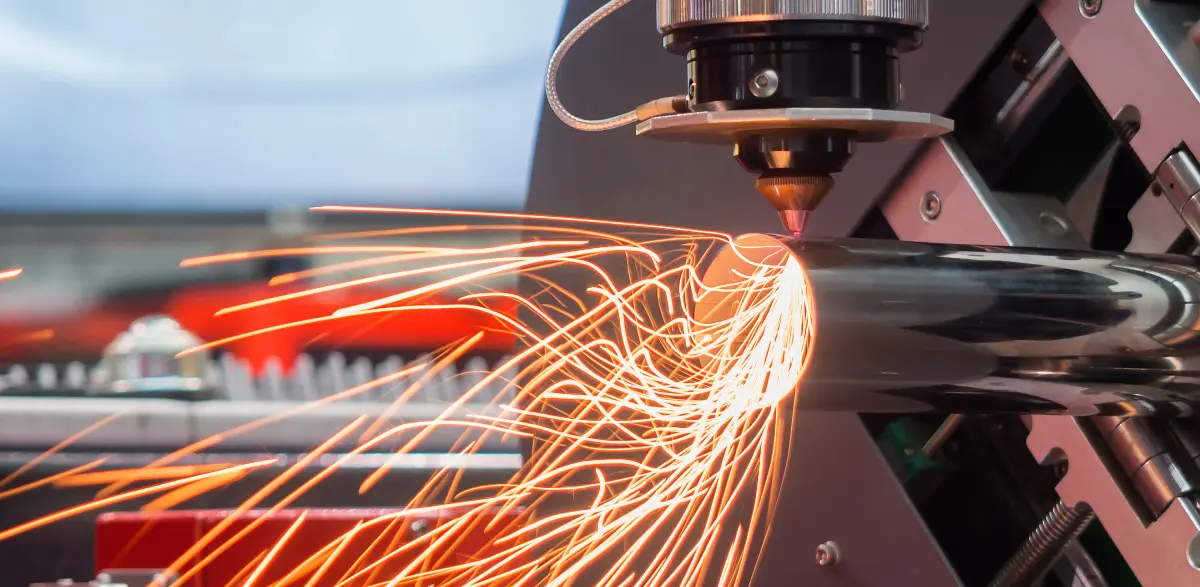

Achieving clean edge surfaces on aluminum sheets requires precise balance between power, speed, assist gas selection, and nozzle mechanics. The parameter window is smaller for aluminum than for carbon or stainless steel. Deviation in any of these areas can lead to structural defects like dross, burrs, or plasma shielding.
The choice of assist gas affects both cycle times and edge finish quality:
Because aluminum has high thermal conductivity, focus position management is critical. The focal point is typically placed deeper within the sheet thickness than for carbon steel, ensuring a wider kerf profile that allows the assist gas to purge molten metal efficiently. Automated cutting heads use dynamic height sensing to maintain nozzle stand-off distances within ±0.1mm, preventing collisions with warping sheets.
Our products serve structural and high-precision applications in key industries:
Laser cutting is only the first step in the fabrication chain. For structural assemblies, post-cutting operations like deburring and CNC bending are essential for ensuring dimensional accuracy and part strength.
During the cutting process, slag residues can form on the bottom edge of the aluminum plate. Leaving these micro-burrs creates stress risers that can lead to micro-cracks under dynamic loading.
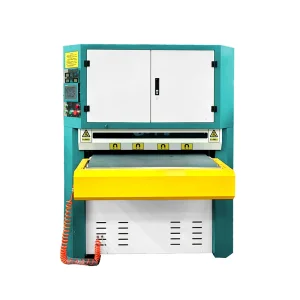
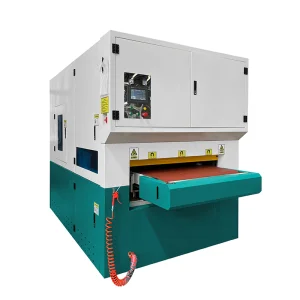
Using planetary multi-directional deburring systems like the LX-RR-M-1000 ensures uniform edge rounding and burr removal across complex geometries. This surface preparation is critical for paint adhesion and structural integrity in critical installations.
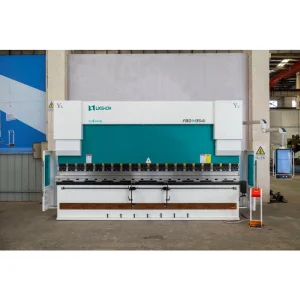
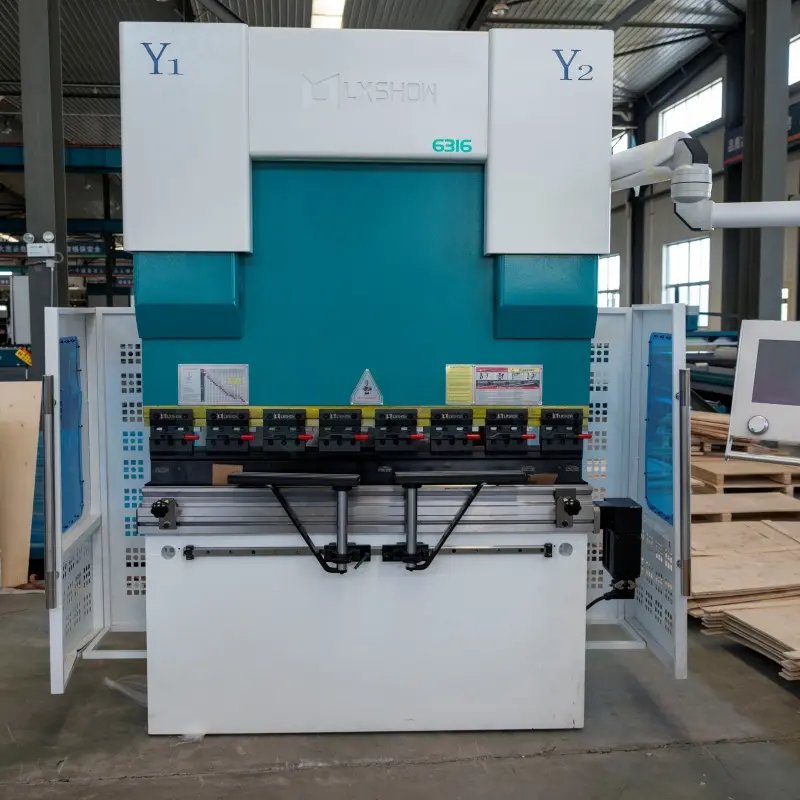
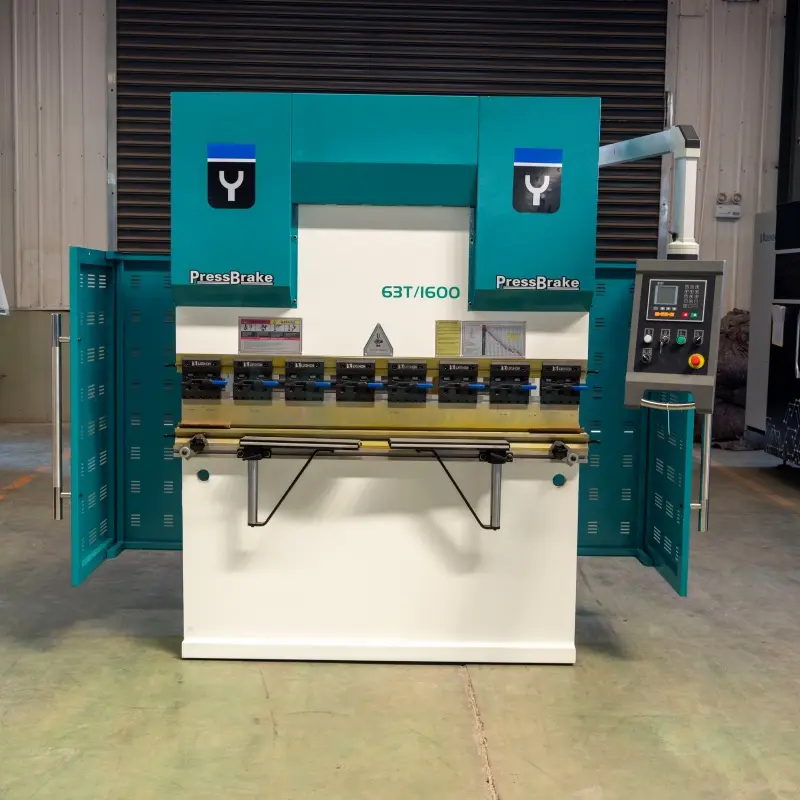
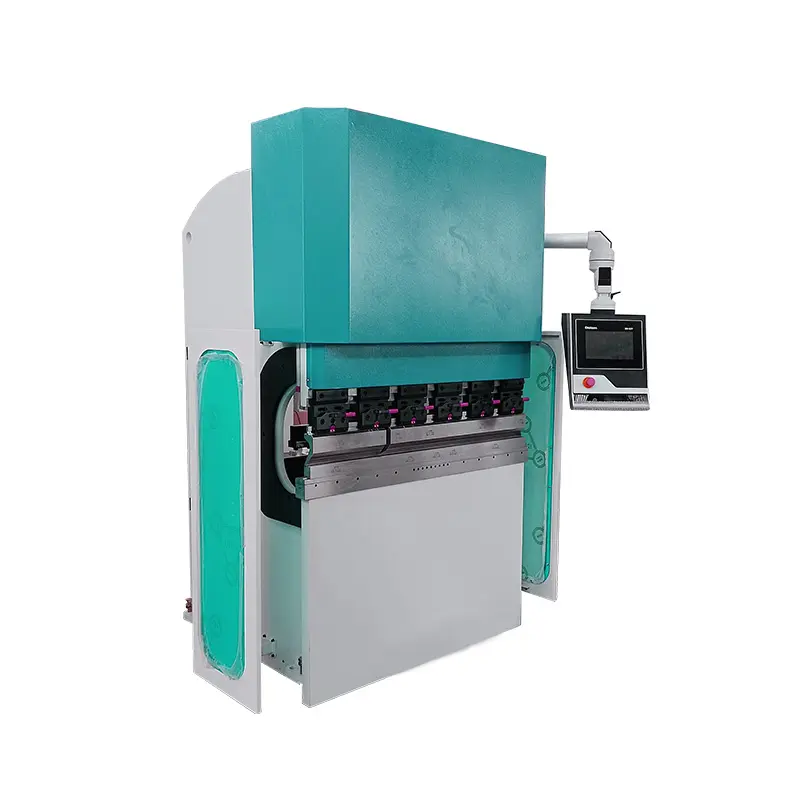
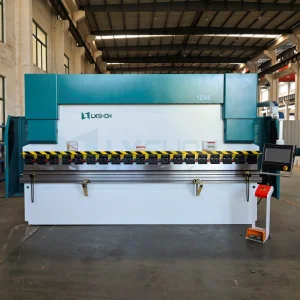
Bending laser-cut aluminum requires managing the material's springback characteristics. Advanced press brakes like the WE67K-135T4100 use real-time angle monitoring and automatic crowning compensation to control these forces.
Our synchronized hydraulic systems maintain dimensional tolerance within ±0.3 degrees, ensuring reliable repeatability during mass production runs.
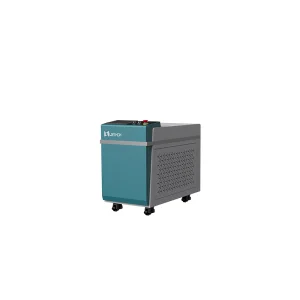
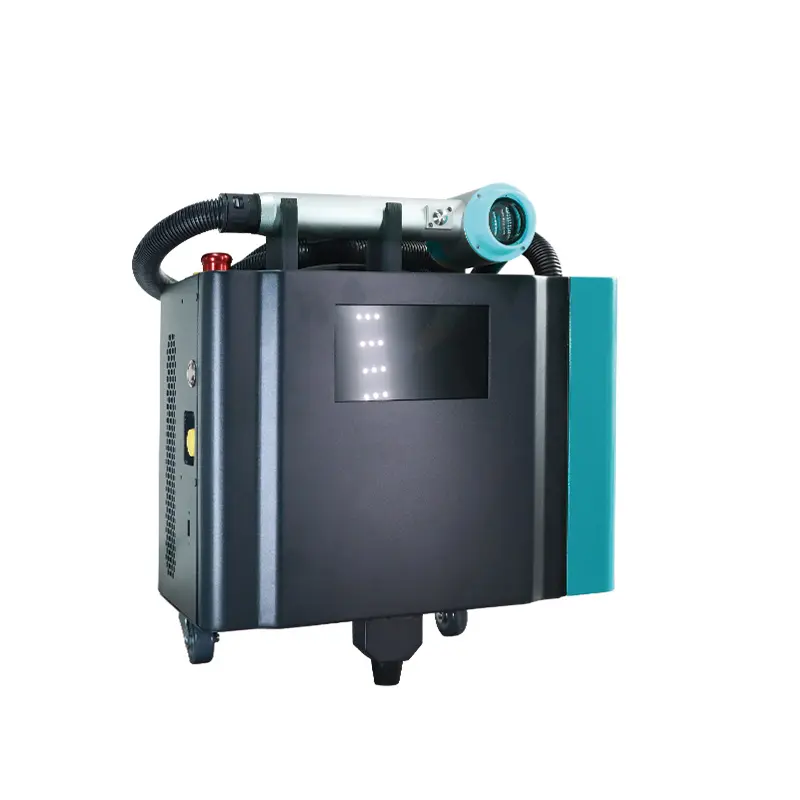
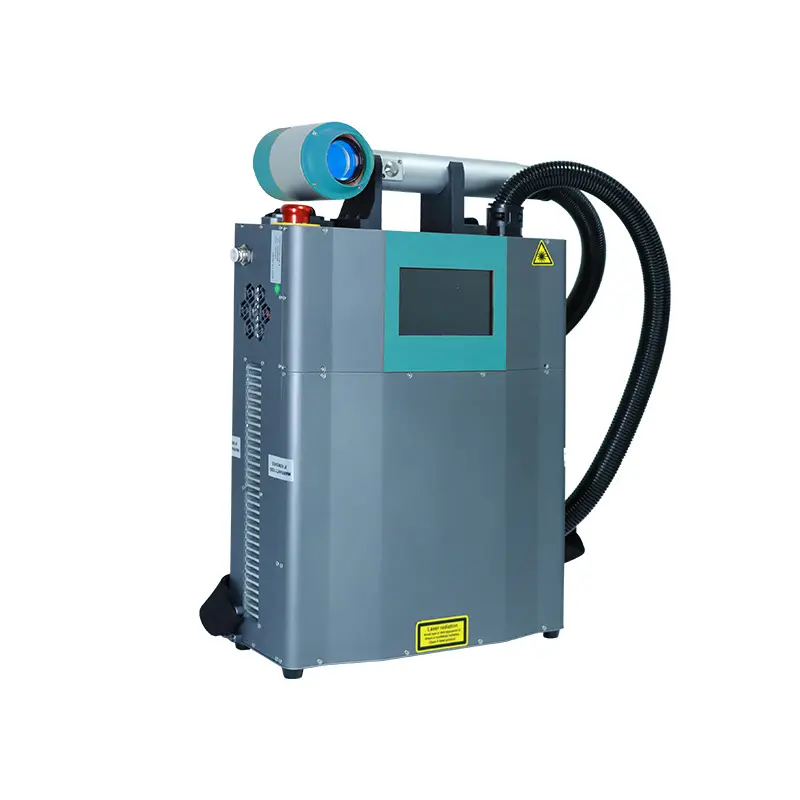
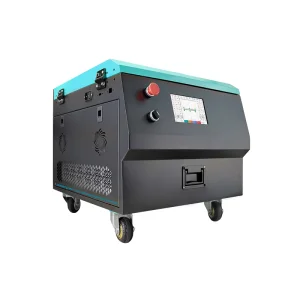
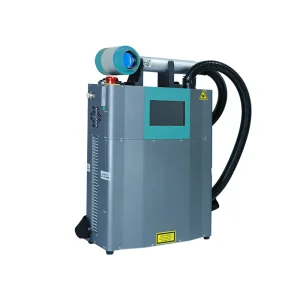
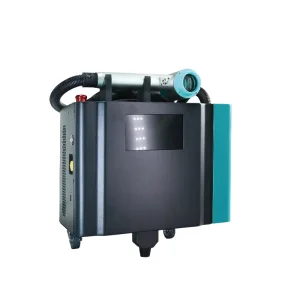
Welding aluminum requires removing the surface oxide layer (Al₂O₃), which melts at a higher temperature than the base aluminum. Using pulsed laser cleaning systems (like our 200W to 1500W mobile units) removes these oxides and surface residues without damaging the underlying metal, helping fabricators produce high-quality, defect-free welds.
High-precision surface enhancement and repair systems
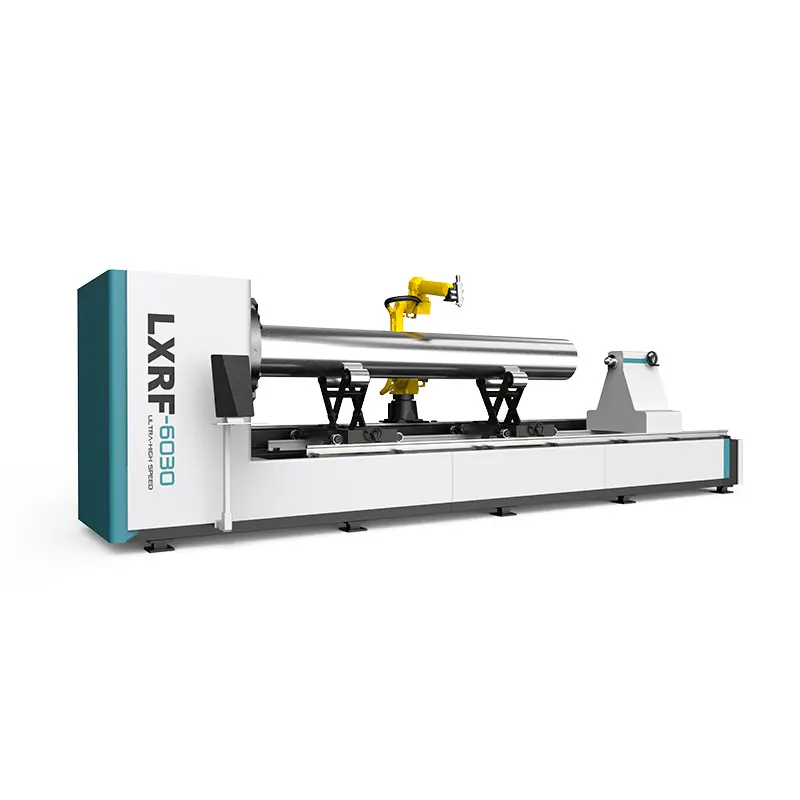
Eco-friendly rust, oxide, and coating removal
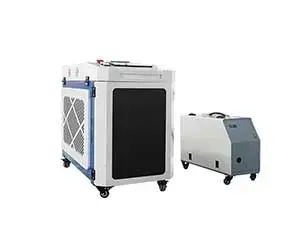
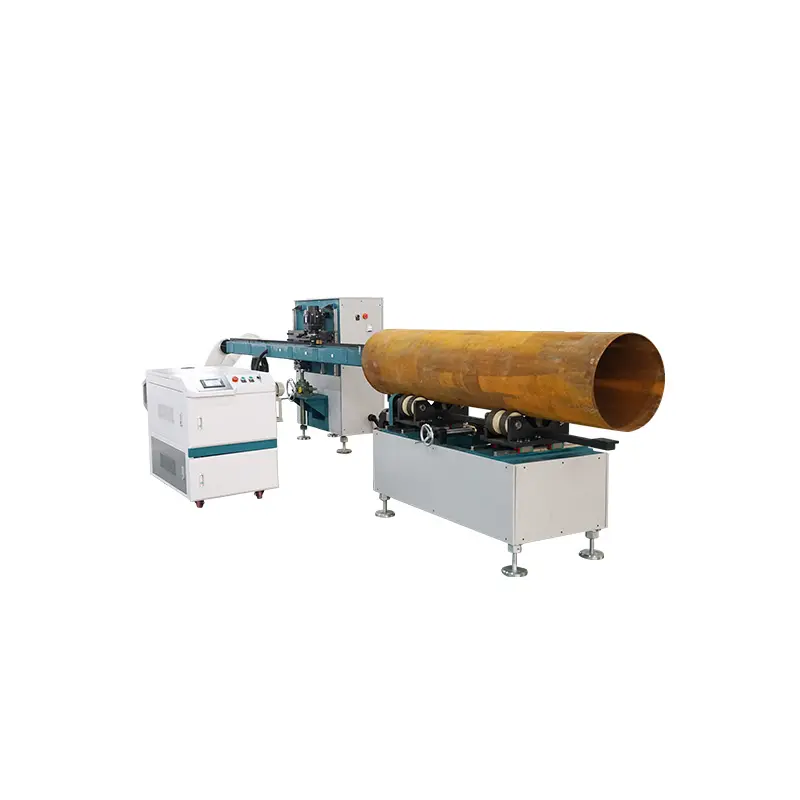
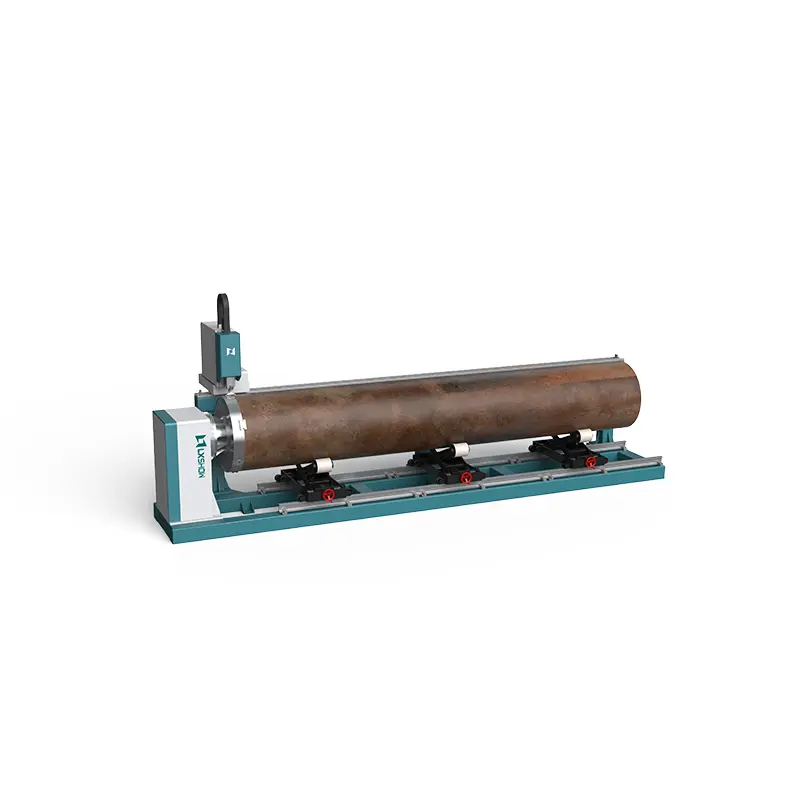
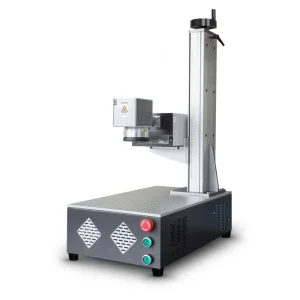
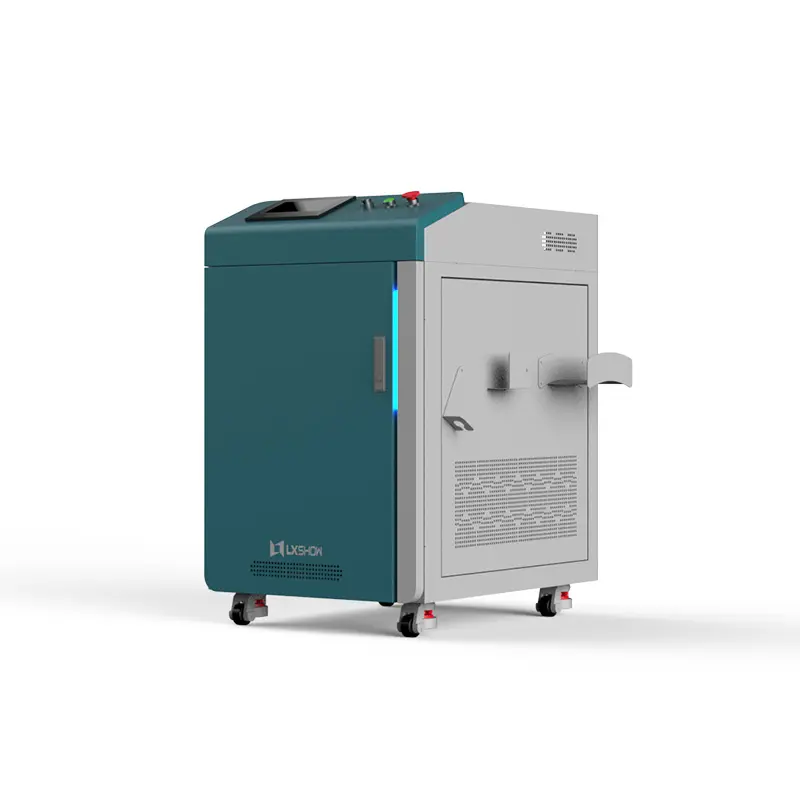
High-speed, low-distortion precision welding
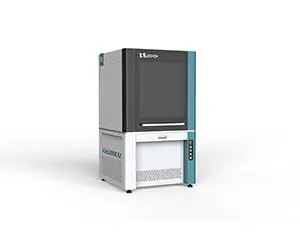
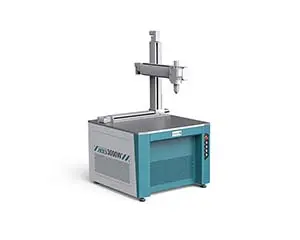
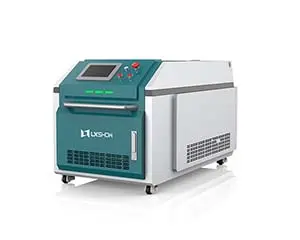
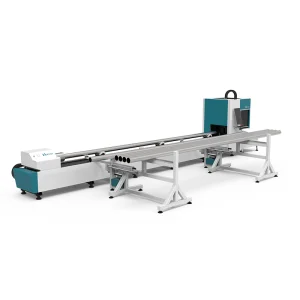
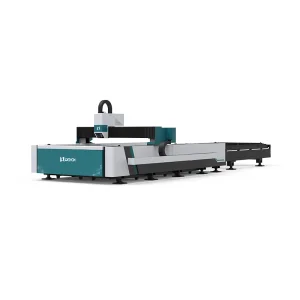
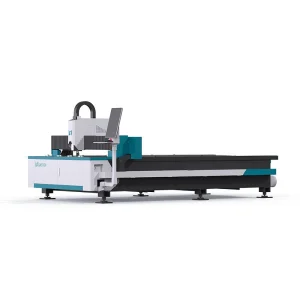
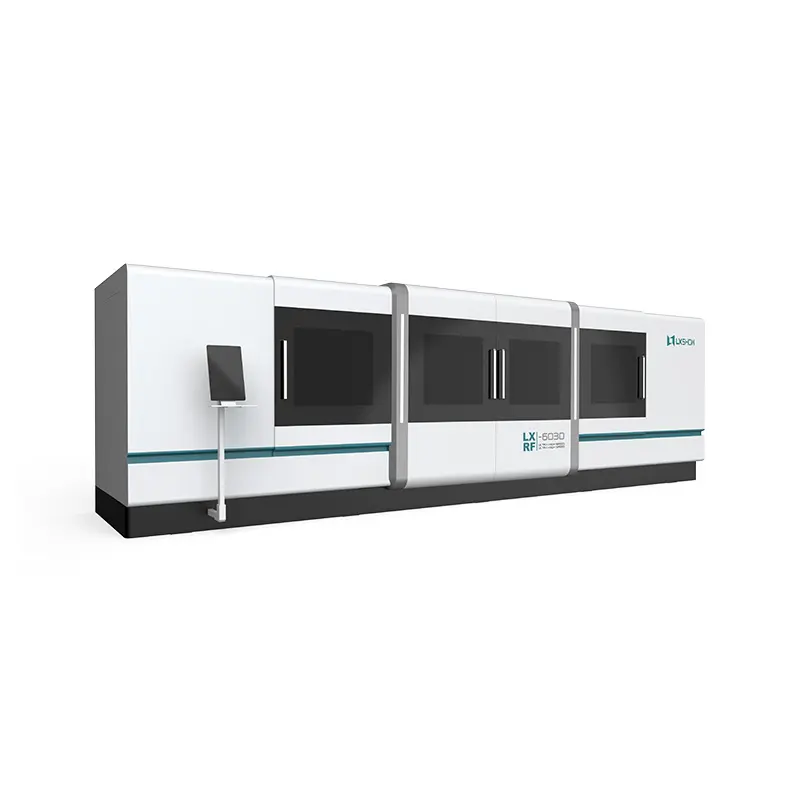
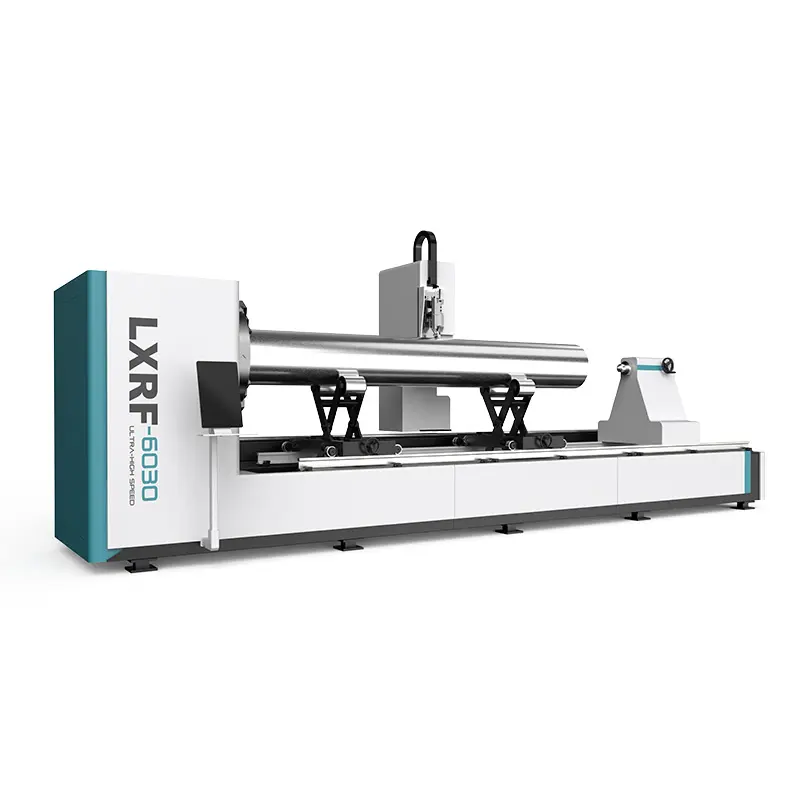
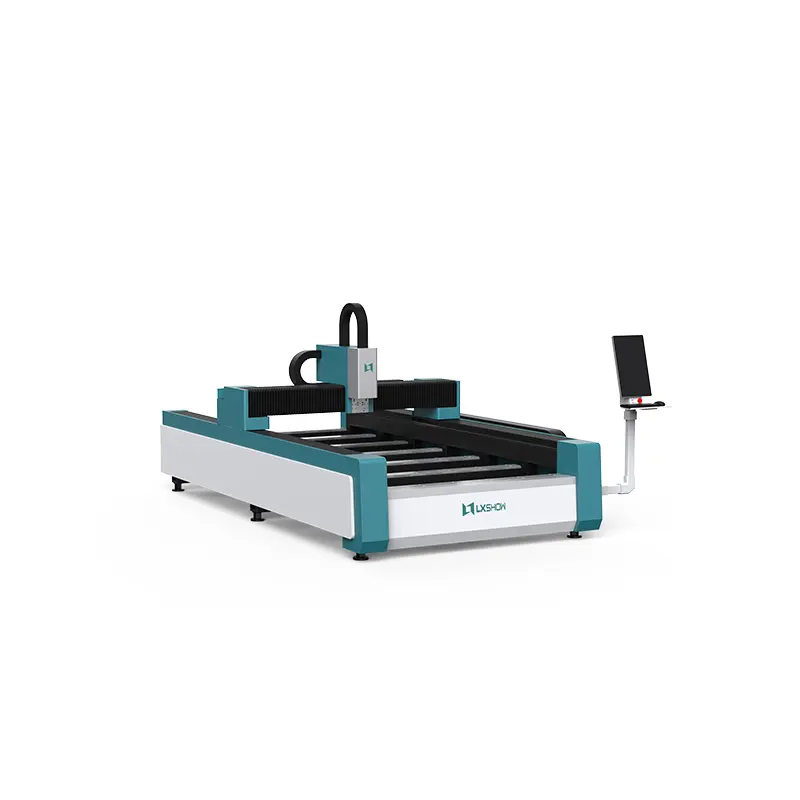
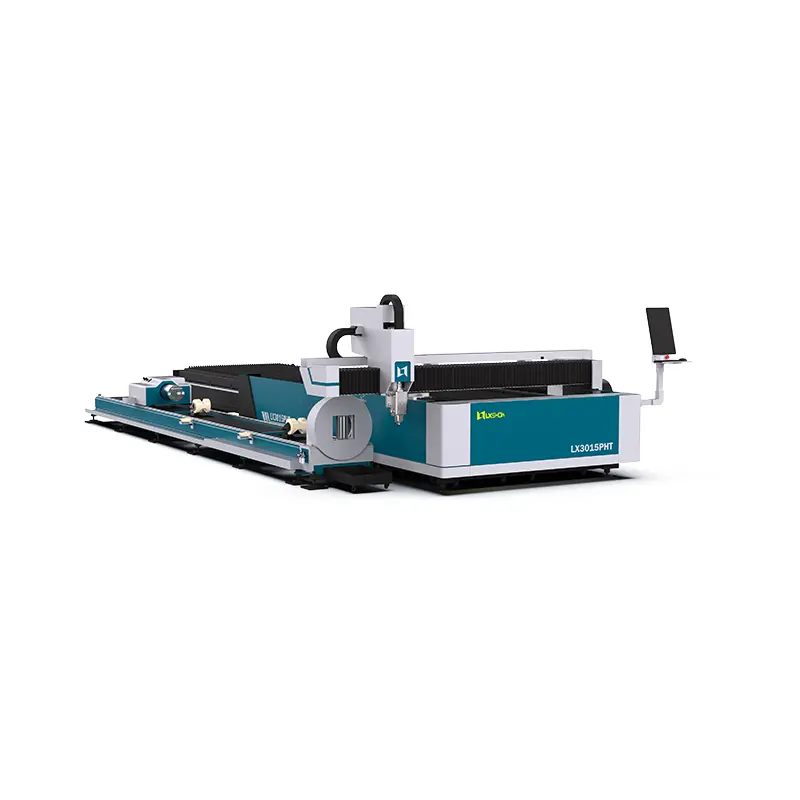
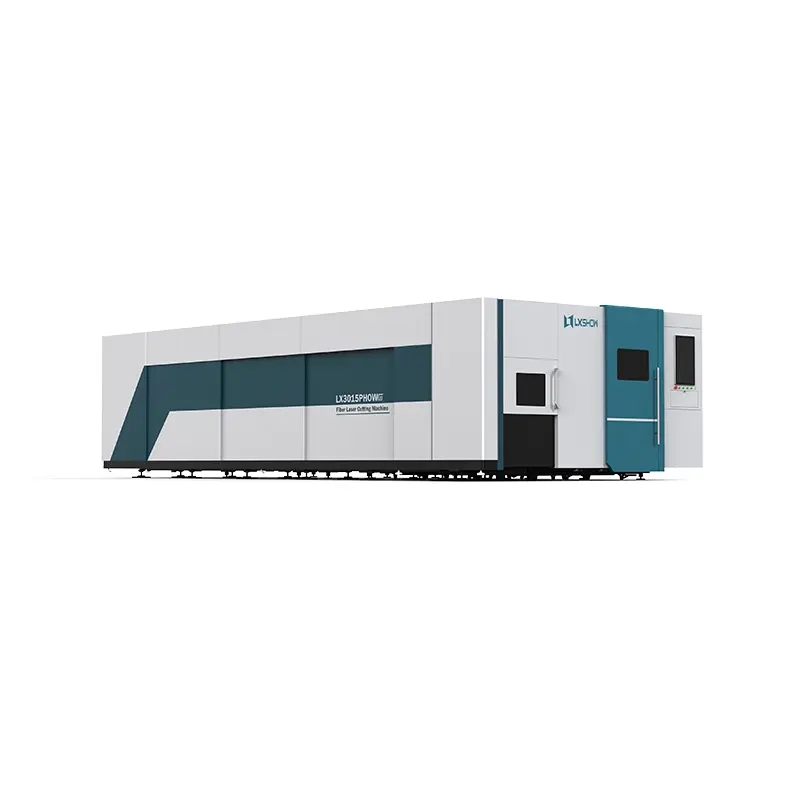
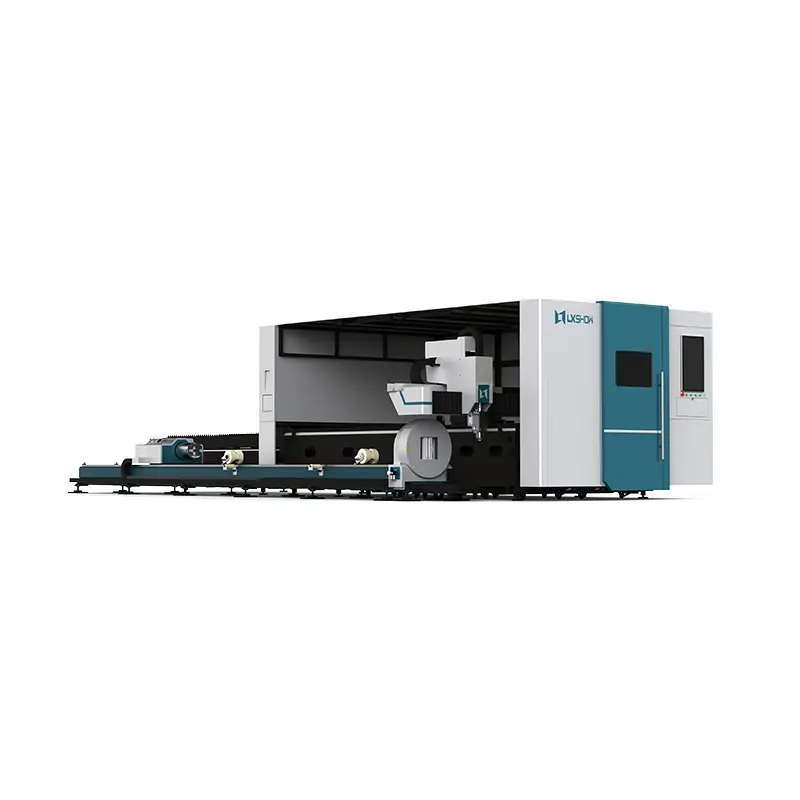
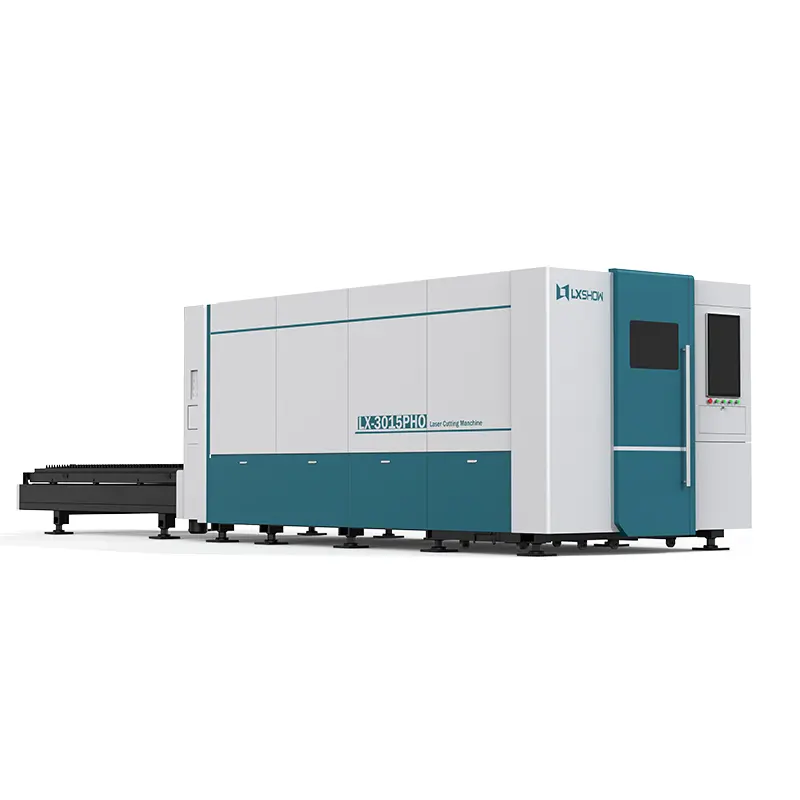
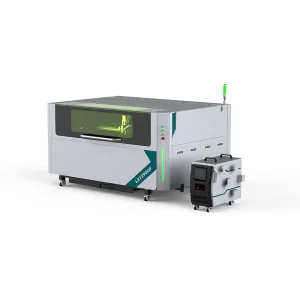
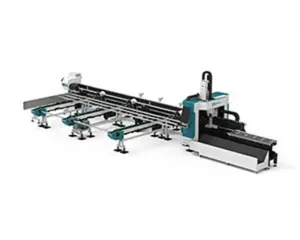
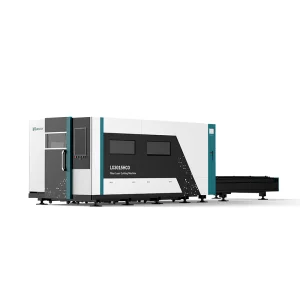
High-power sheet and tube cutting systems
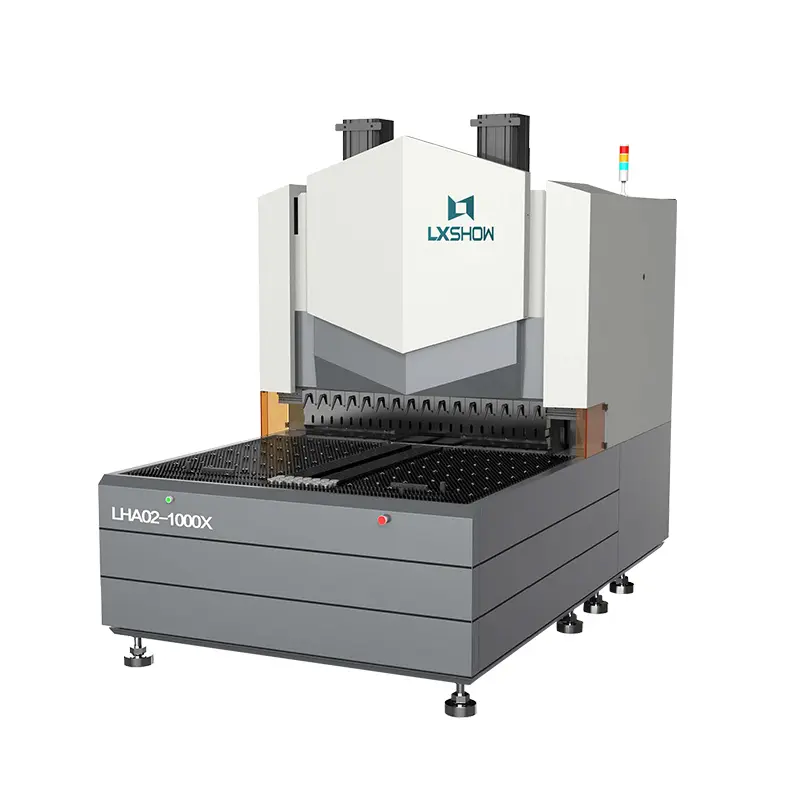
CNC press brakes with multi-axis controls
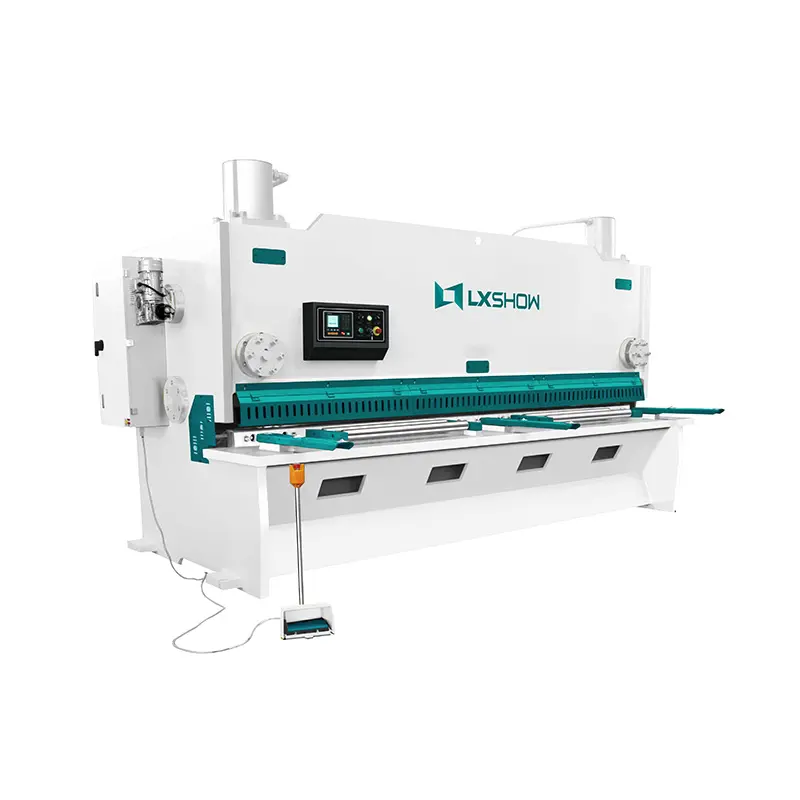
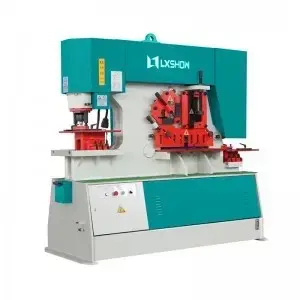
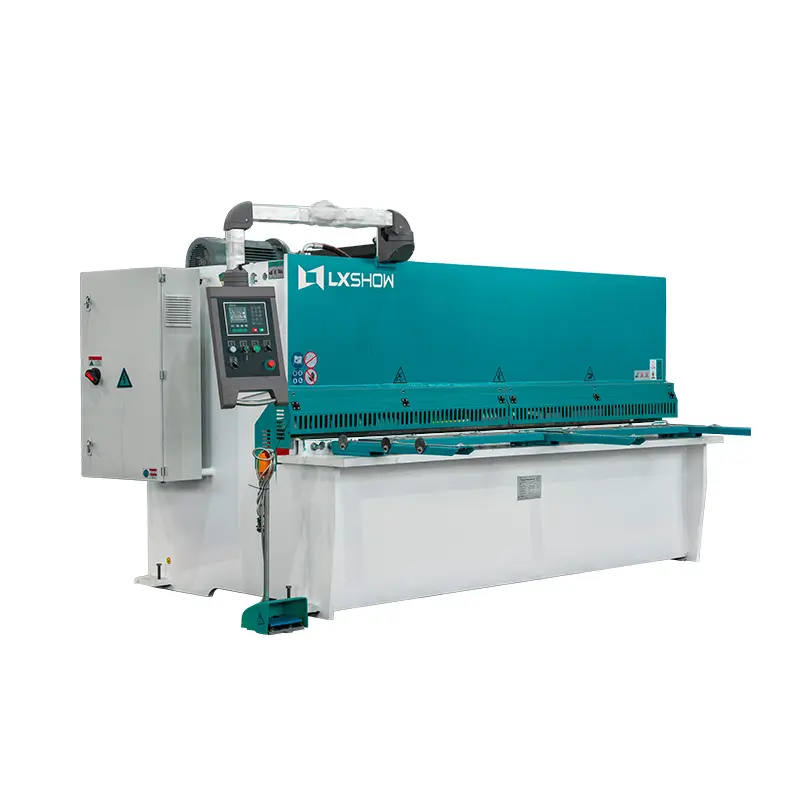
Heavy-duty metal cutting and shearing systems
The roadmap for metal fabrication focuses on automation and closed-loop process control. As modern manufacturing integrates smart systems, optical cutting assemblies are adopting several key technologies:
Our long-term development strategy aligns with these industry trends, directing R&D toward smart system integration to help global manufacturers build efficient, modern production facilities.
Fiber lasers operate at a wavelength of approximately 1.06 microns, which is absorbed more readily by non-ferrous metals like aluminum than the 10.6-micron wavelength of traditional CO₂ systems. This higher absorption rate allows fiber lasers to process aluminum faster while reducing back-reflection, which can damage the optical path. Fiber systems also lower operational costs because they do not require internal laser gas or complex mirror paths.
To prevent damage from reflected laser light, modern fiber laser heads are designed with built-in optical isolators and absorption chambers that capture and dissipate reflected energy. Software systems also monitor for reflection spikes, automatically adjusting cutting parameters or stopping the process if reflections exceed safe thresholds. Tilting the cutting head slightly (usually between 1 to 3 degrees) also helps redirect reflected light away from the nozzle path.
Nitrogen is an inert gas that performs sublimation cutting by physically blowing away the molten metal before it can oxidize. This produces a bright, clean cut edge that is ready for welding or powder coating without further chemical cleaning. Oxygen, on the other hand, reacts with the aluminum to create an oxide layer on the cut edge. While this exothermic reaction can increase cutting speeds in thicker plates, removing the resulting oxide layer requires additional processing steps.
Even optimized laser cutting can leave micro-scale burrs or sharp corners on the bottom edge of aluminum sheets. These sharp edges present safety risks during handling and can cause paint and powder coatings to thin or fail at the corners. In structural applications, micro-burrs act as stress concentration points under dynamic loads, increasing the risk of fatigue cracking. Using an automated deburring system like the LX-RR-M series rounds these edges consistently, ensuring uniform coating adhesion and improving part durability.
Laser power requirements scale with material thickness and desired throughput. Thin aluminum sheets (under 3mm) can be processed quickly and cleanly using 1kW to 2kW fiber systems. Medium thicknesses (3mm to 10mm) typically require 3kW to 6kW lasers to maintain edge quality and cutting speed. For plates thicker than 10mm, high-power systems (12kW to 30kW) are needed to provide the energy density required to melt through the material and clear the kerf effectively.
To ensure compliance with local safety standards, global buyers should verify three main certifications:
 Lxshow