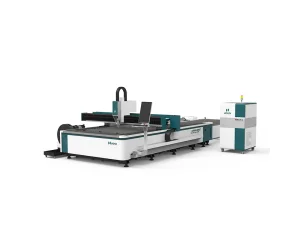
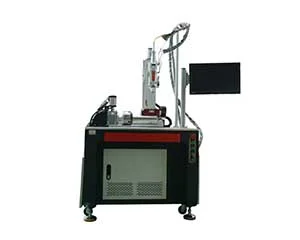
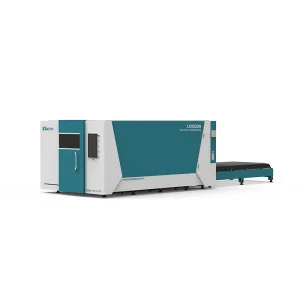
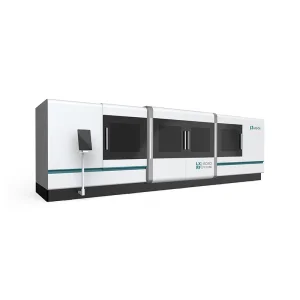
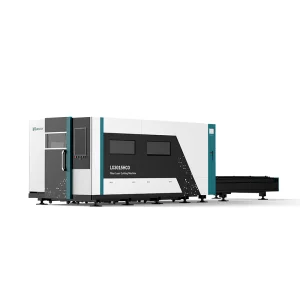
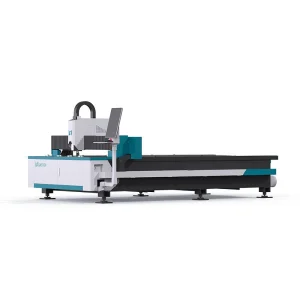
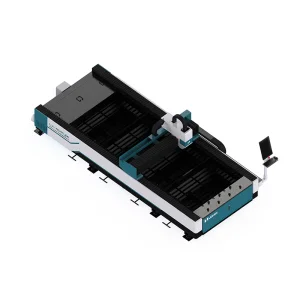
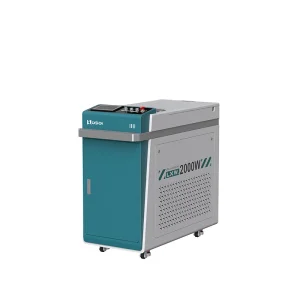
Ethiopia is rapidly positioning itself as a primary industrial powerhouse in Sub-Saharan Africa. Fuelled by national initiatives such as the Growth and Transformation Plan (GTP) and the rapid establishment of state-of-the-art industrial parks (such as Hawassa, Bole Lemi, Adama, and Kilinto), the demand for high-efficiency machinery has surged. In sectors like agricultural machinery manufacturing, civil construction, structural steel fabrication, and automotive assembly, local manufacturers are replacing traditional tools with smart CNC solutions.
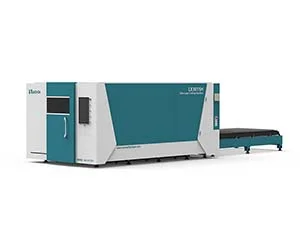
Transitioning to CNC fiber laser cutting processes allows local enterprises to bypass old, labor-intensive machining methods, dramatically lowering operational costs while maintaining export-grade output standards. Our ET Series is specifically designed to meet these needs, balancing robust structural construction with user-friendly control configurations suitable for developing technical workforces.
Power instability can cause system failure or damage optical fiber resonators. We integrate high-capacity voltage stabilization systems and custom heavy-duty transformers into all configurations shipped to Ethiopia. These setups protect the laser source and sensitive electronics from sudden brownouts and surges.
At altitudes over 2,000 meters above sea level, cooling systems must work harder due to decreased air density. Our Ethiopian systems utilize upgraded dual-circuit industrial water chillers with oversized compressors. This keeps laser sources and cutting heads at stable operating temperatures even during continuous 24/7 runs.
Industrial hubs in dry climates require high-efficiency dust filtration. The ET Series incorporates fully enclosed optics compartments, positive-pressure air purging, and dust-proof electrical cabinets to prevent fine dust from settling on internal lenses and sliding gears.
The ET series is engineered to process multiple material types efficiently, providing the versatility required by regional contractors handling diverse infrastructure projects:
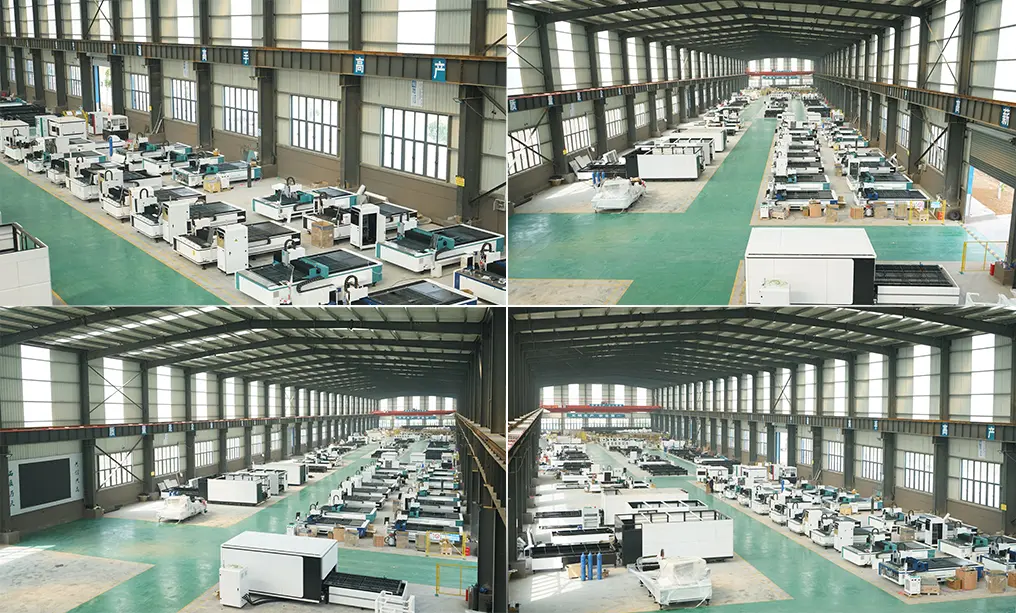
Importing high-precision industrial machinery into Ethiopia requires dedicated planning. Our logistics team handles transit from our manufacturing base to the Port of Djibouti, the primary gateway for landlocked Ethiopia. From Djibouti, shipments travel via the Ethio-Djibouti Railway or secure freight transport straight to your facility in Addis Ababa, Adama, or other regional industrial hubs.
Full Duty and Tariff Advisory Support:
We provide complete custom invoice preparation, HS code matching, and standard documentation to help you qualify for duty-free privileges under local manufacturing investment incentives.
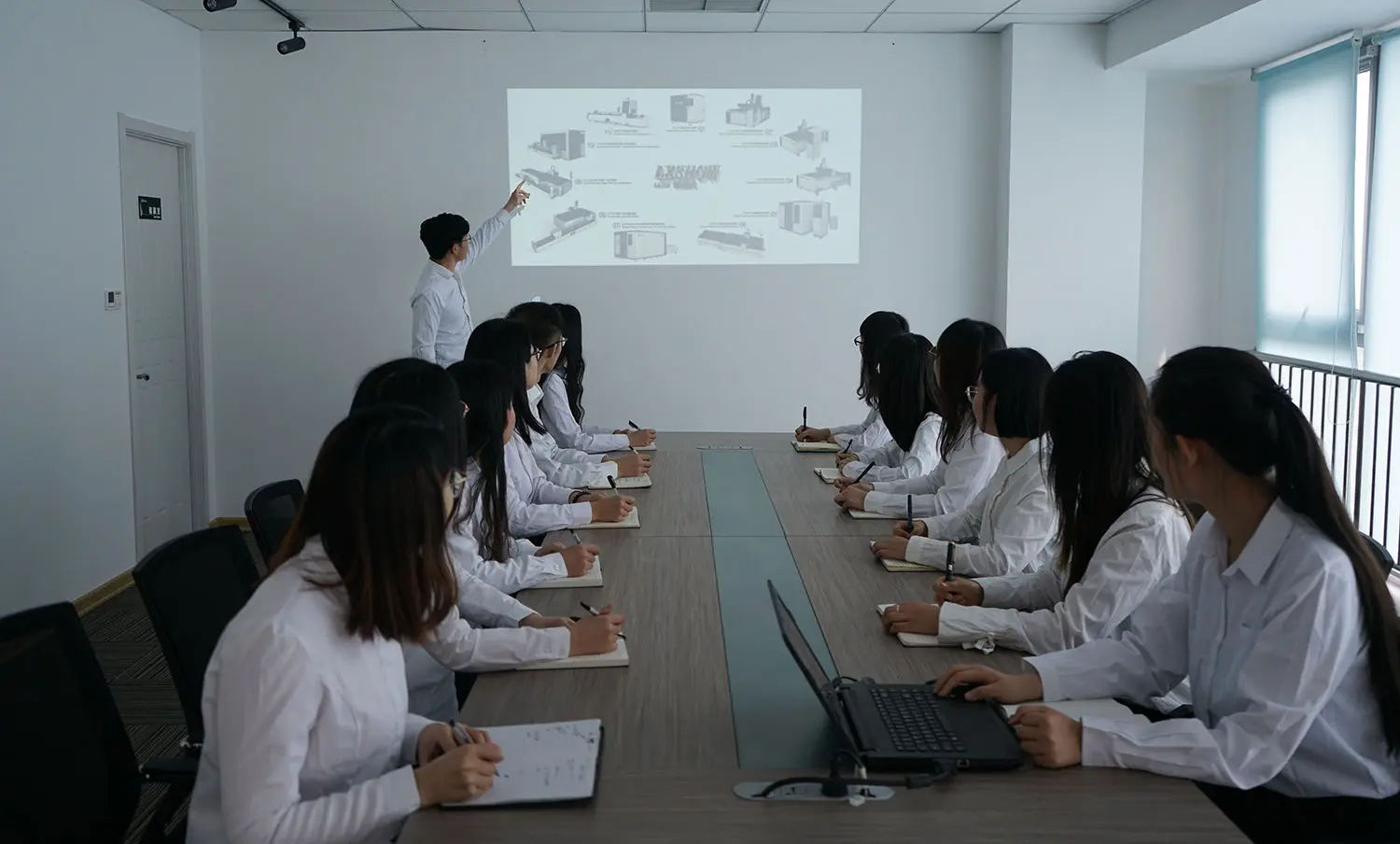
Upon arrival, our regional engineering partners assist with setup. We provide complete technical manuals, step-by-step videos, and remote video support to guide your team through electrical connection, chiller configuration, and initial calibration, ensuring a smooth start to production.
| Phase | Standard Actions & Deliverables | Estimated Timeframe |
|---|---|---|
| 1. Production & QC | Custom building, component assembly, and multi-point laser calibration at our ISO facility. | 15 - 20 Working Days |
| 2. Shipping & Transit | Ocean freight to Port of Djibouti, customs clearing documentation processing, and overland rail transport. | 30 - 40 Days (Door to Port) |
| 3. Setup & Training | On-site physical positioning, calibration, electrical system connection, and operator software training. | 3 - 5 Working Days |
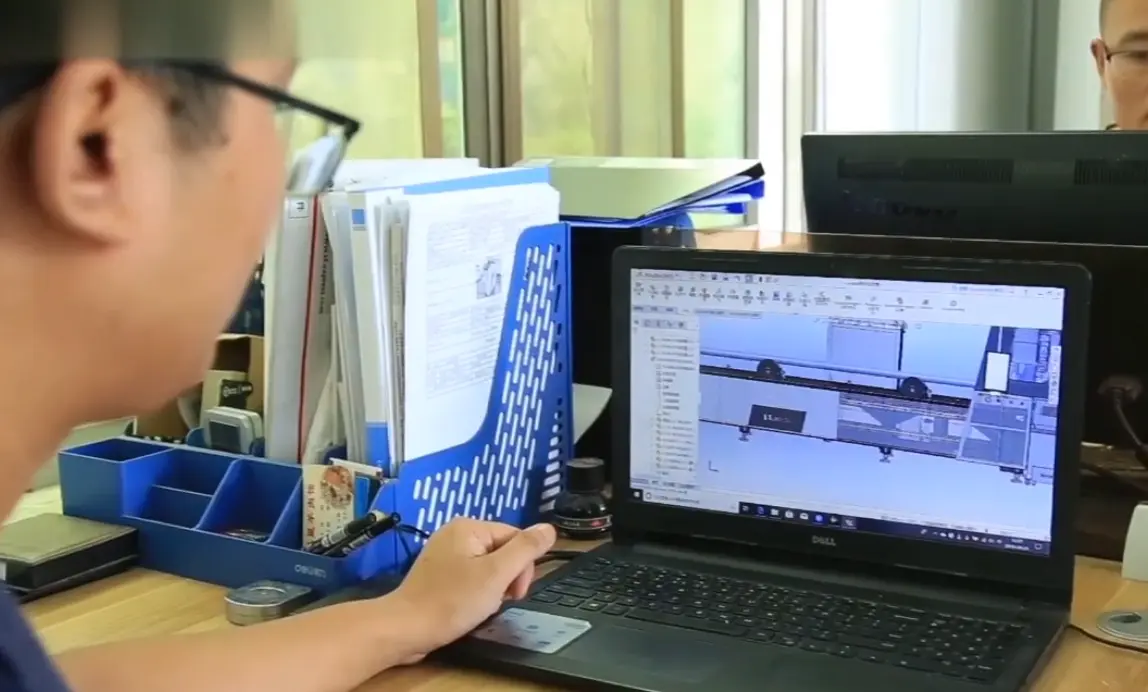
Modern manufacturing shifts dynamic operations from simple manual work to integrated, high-efficiency digital workflows. Our fiber laser systems are built to connect with Industry 4.0 standards. Equipped with advanced CypCut / CypOne software configurations, local operations can import CAD/CAM nesting files directly, saving up to 30% in scrap steel waste compared to traditional shear and punch methods.
Additionally, the integrated real-time monitoring and diagnostic software lets our service engineers view operational logs remotely. This helps minimize downtime by allowing off-site diagnostics and rapid troubleshooting, keeping your shop running efficiently.
We are committed to continuous technology development. By upgrading the capabilities of our laser cutting systems, we aim to lead innovations in smart machinery through 2040 and beyond. Our development focus centers on key technical improvements:
Designing high-efficiency power units to match hybrid off-grid and solar energy generation plants in East Africa, reducing dependence on standard grid setups.
Improving and deploying ultra-high-power fiber systems (up to 30kW) for rapid cutting of heavy plates, meeting the structural steel needs of major local infrastructure projects.
Creating dedicated local technical support programs in key industrial parks to build local skills and ensure rapid access to maintenance services.
 Lxshow