Industrial Whitepaper: The Strategic Transition to Laser Surface Cleaning
In modern industrial manufacturing, surface preparation is a critical workflow stage. Historically dominated by abrasive methods like sandblasting and hazardous processes such as chemical pickling, the industry is undergoing a paradigm shift towards industrial fiber laser cleaning systems. The technology relies on the physical phenomenon of laser ablation, where short, high-energy laser pulses target coatings, oxides, rust, or organic residues on a substrate. When the laser energy exceeds the ablation threshold of the targeted pollutant layer but remains below the damage threshold of the underlying metal, the contaminant evaporates, sublimates, or detaches instantly without affecting the structural integrity of the substrate material.
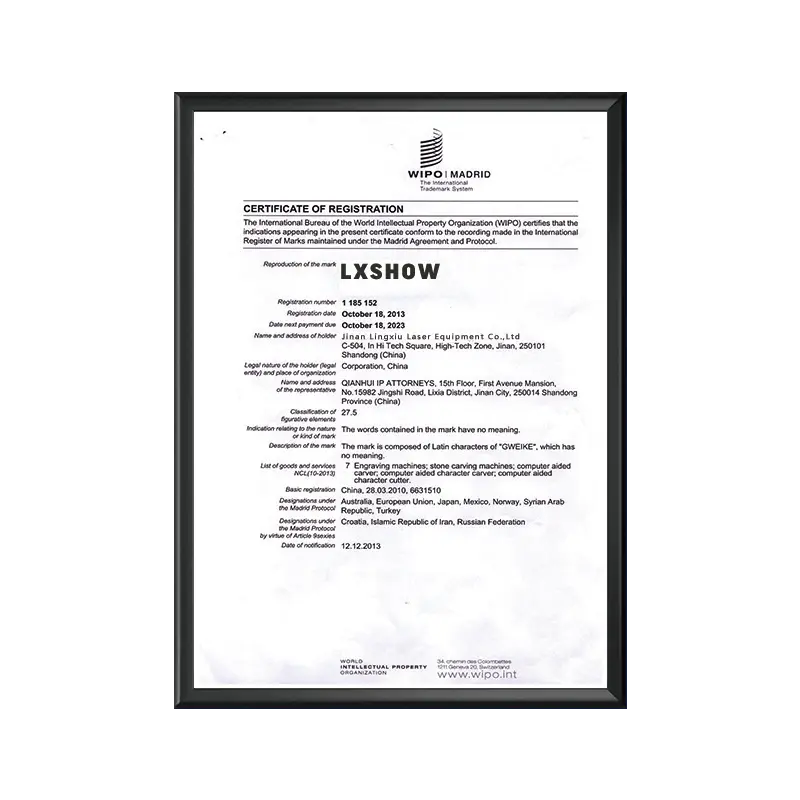
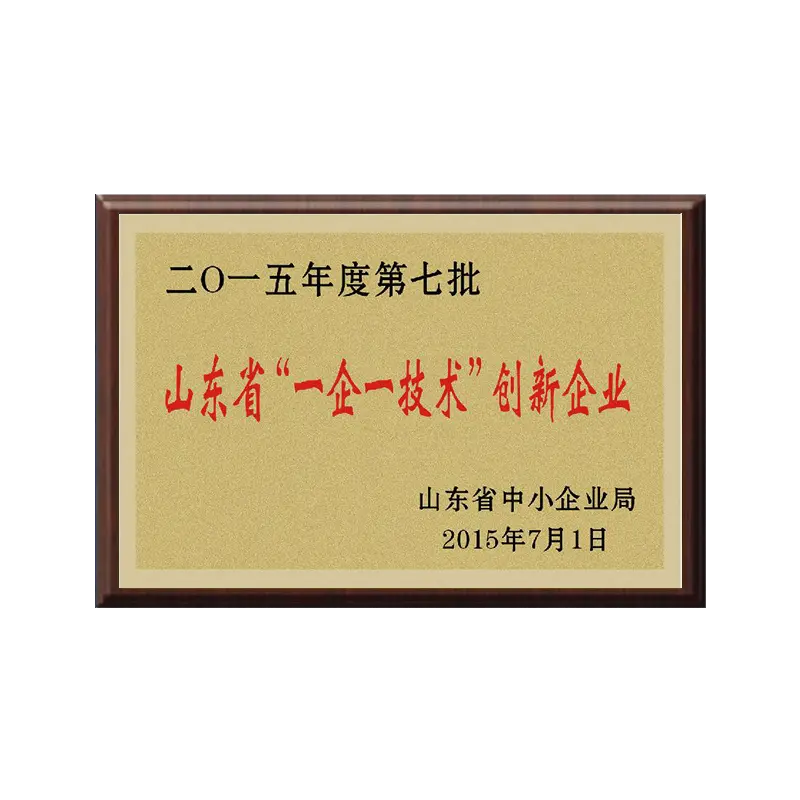
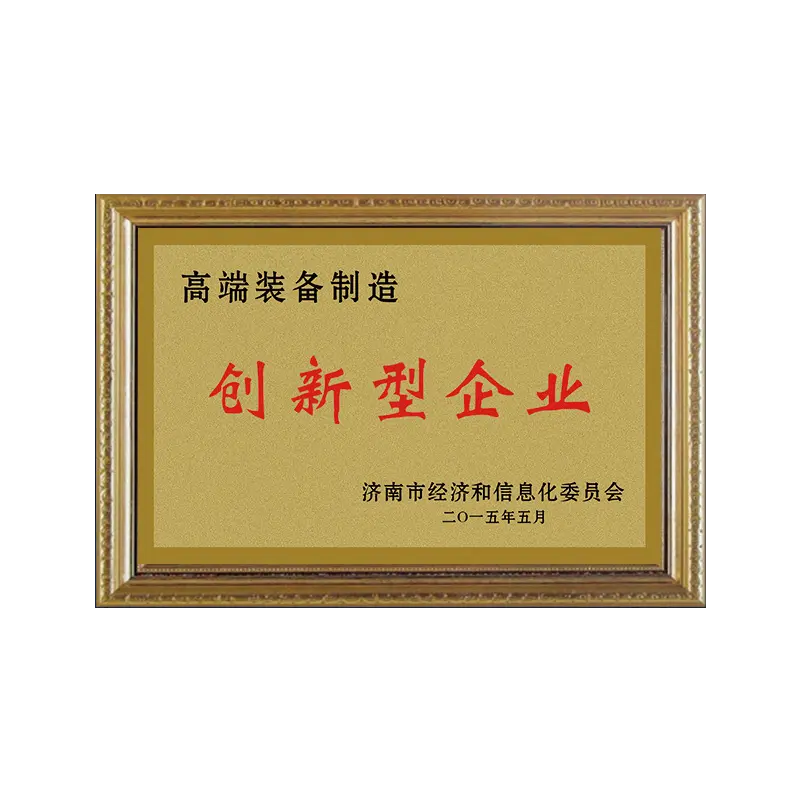
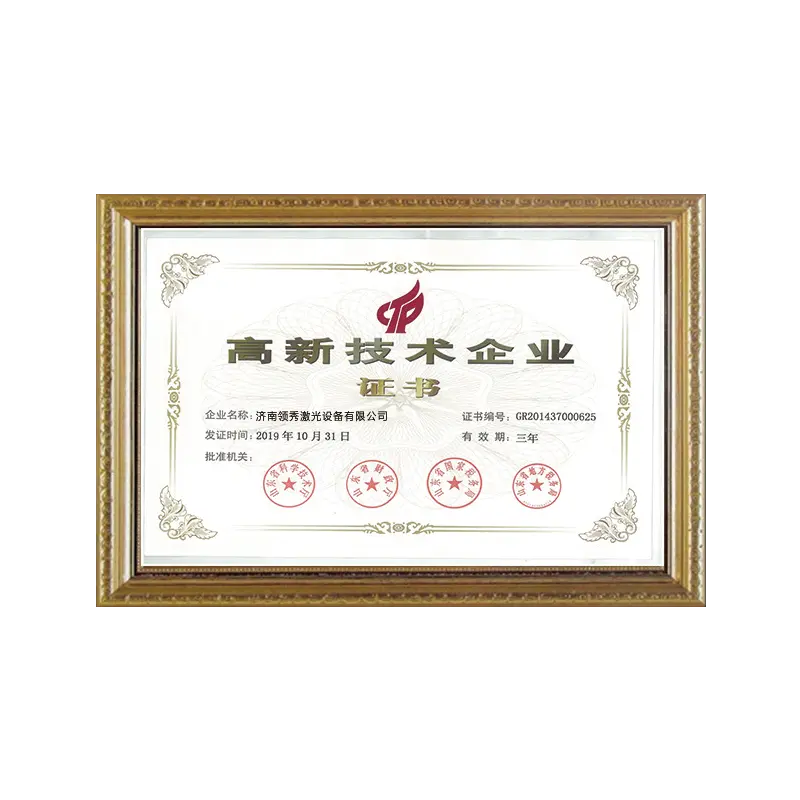
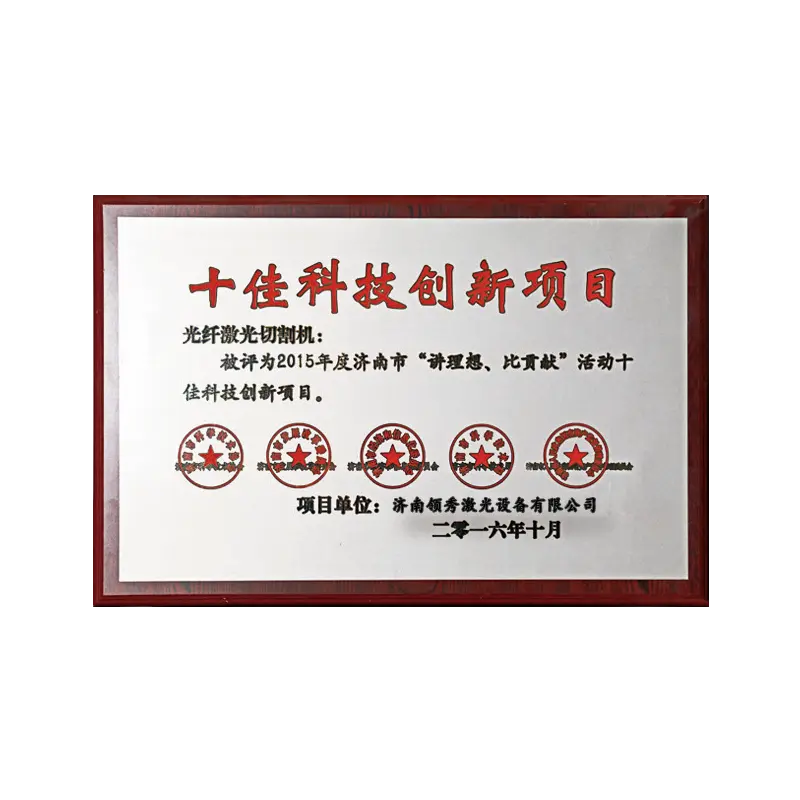
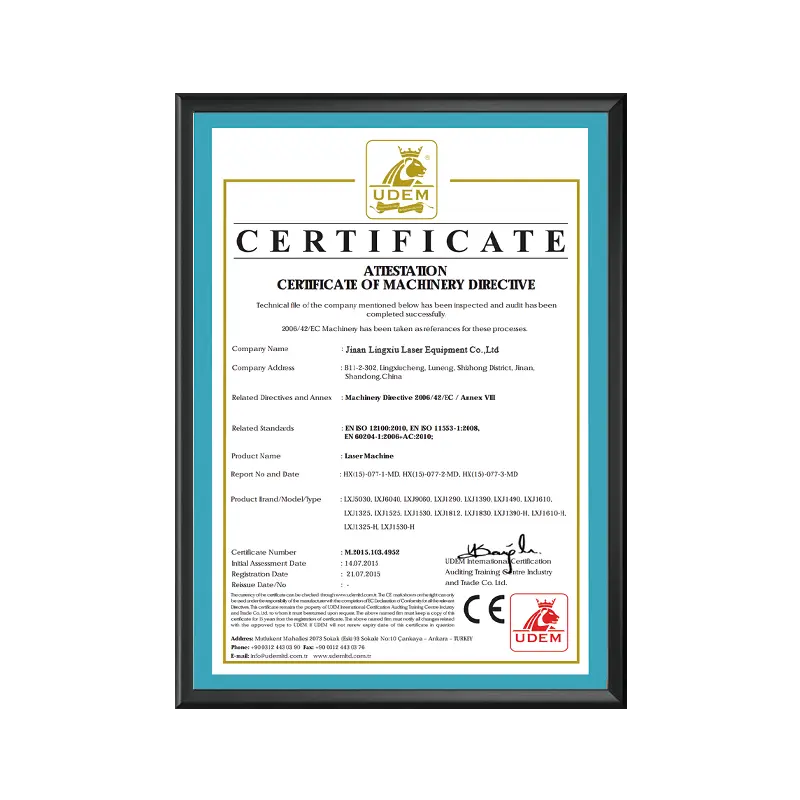
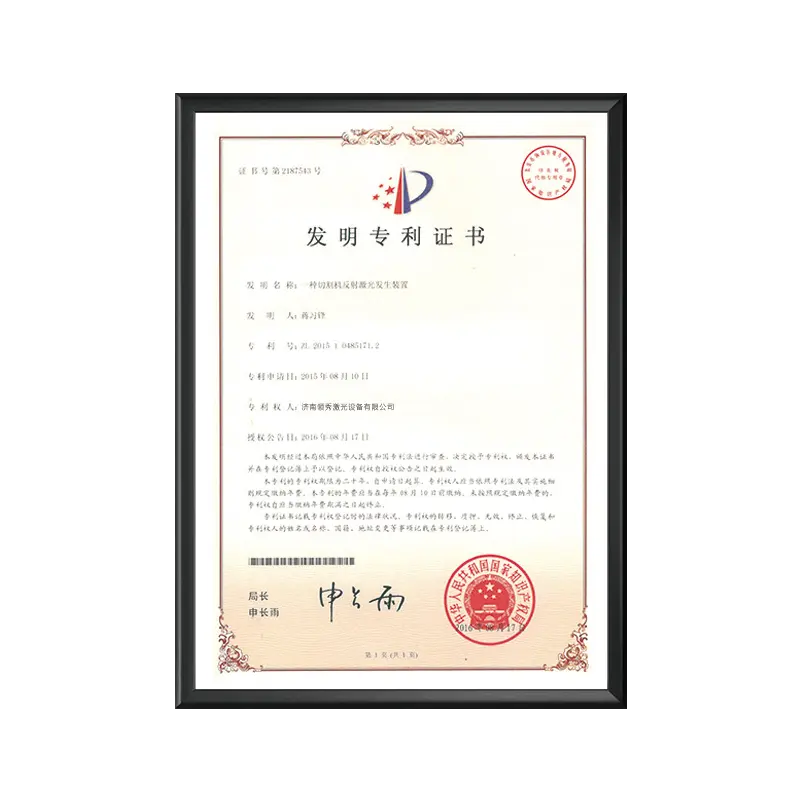
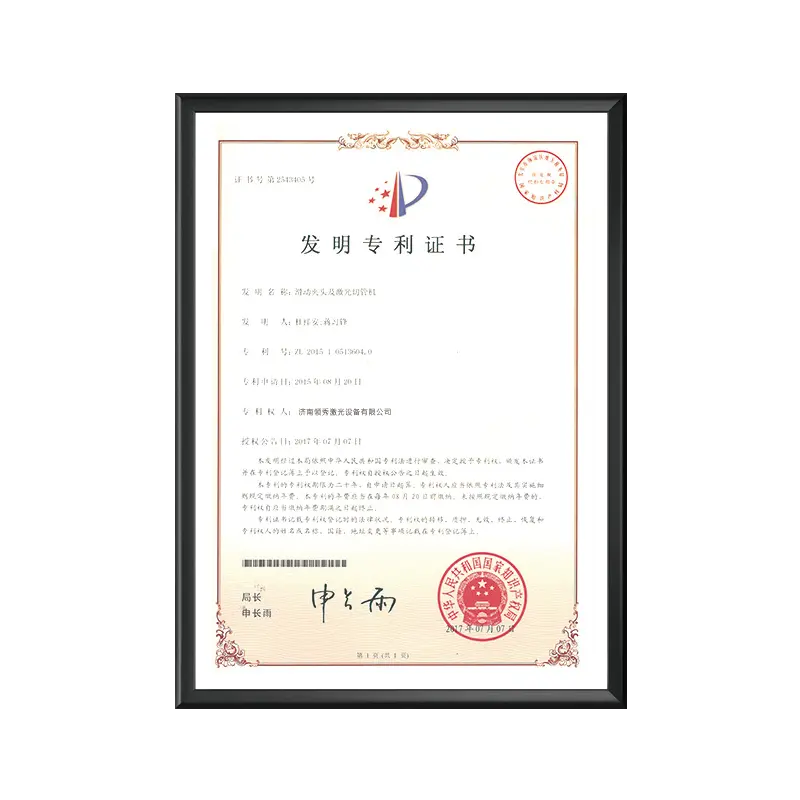
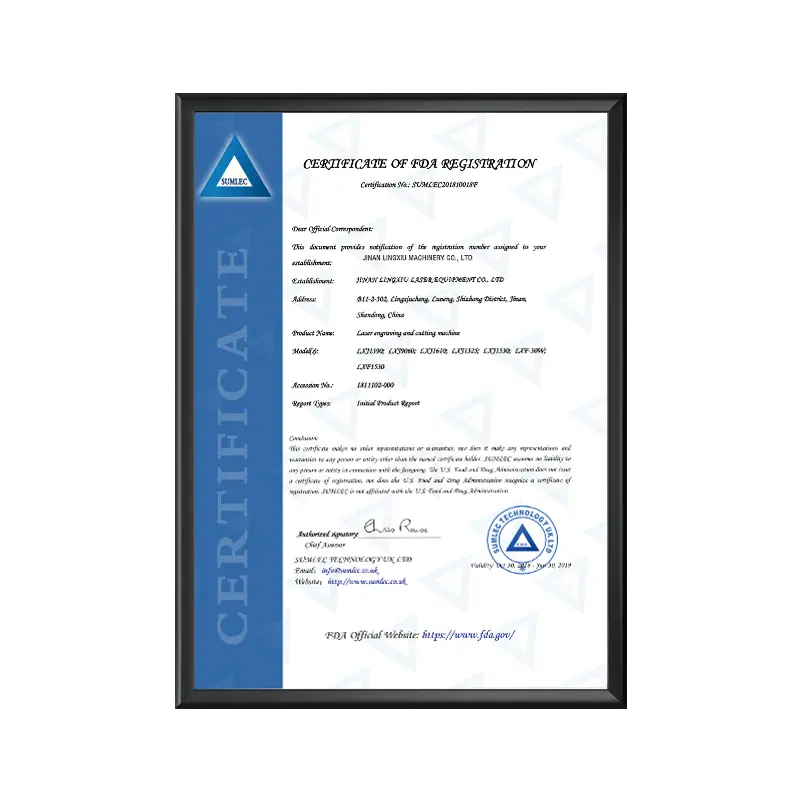
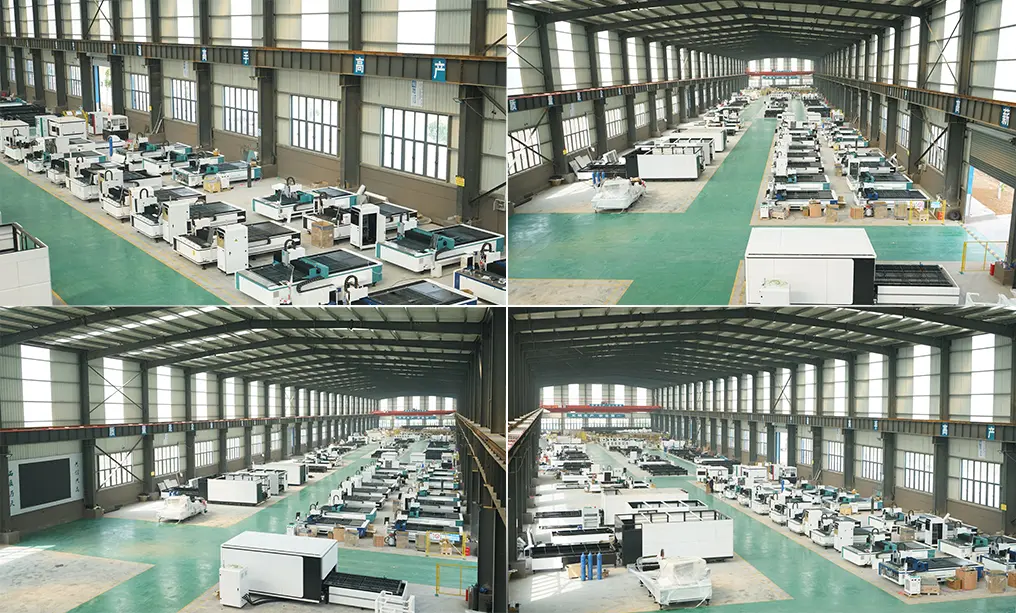
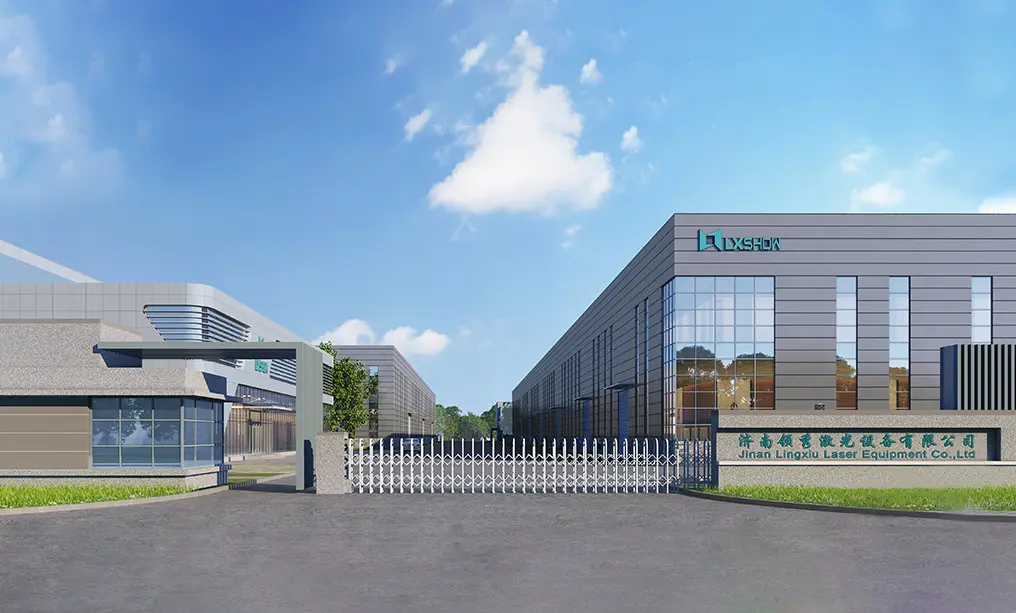
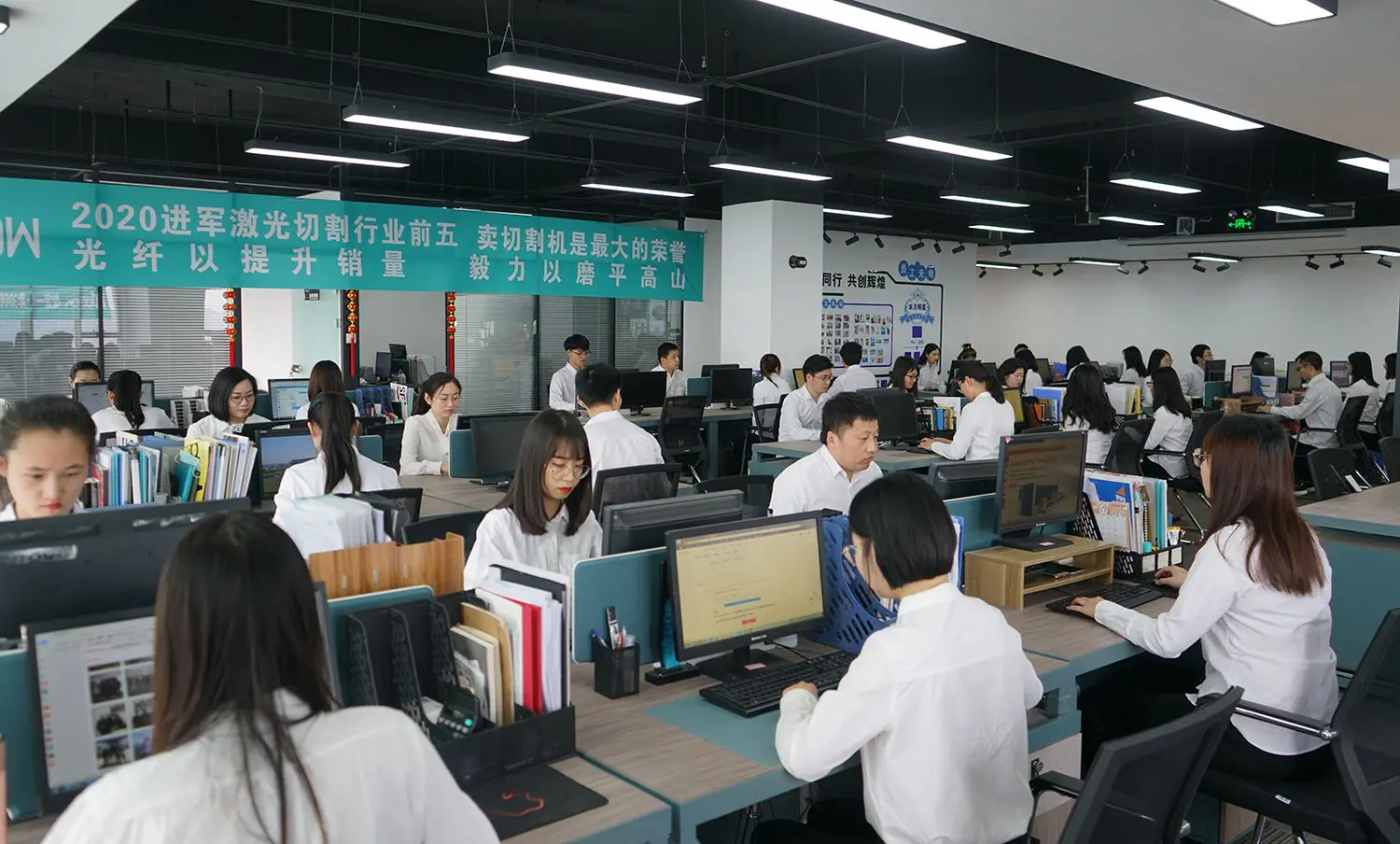
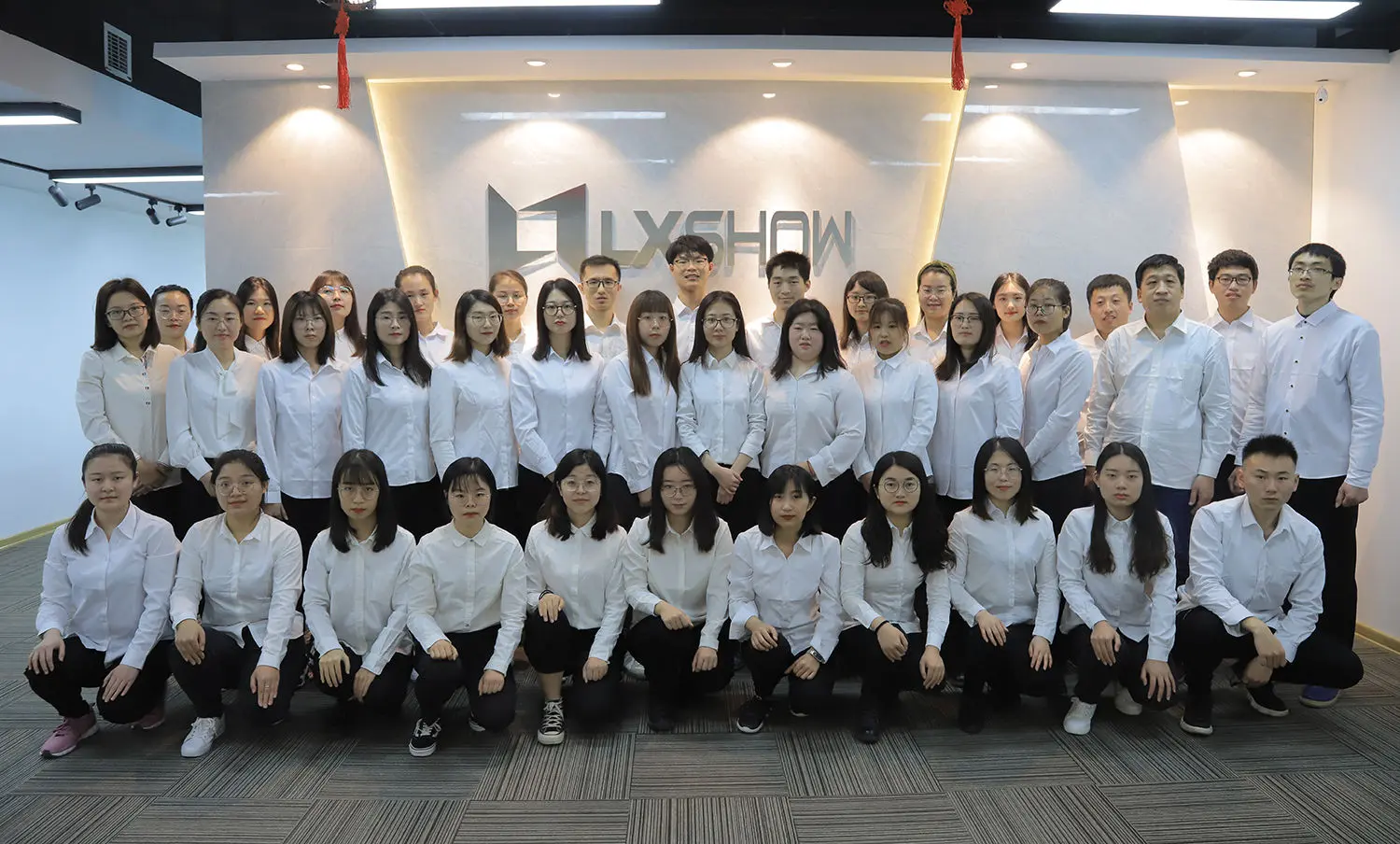
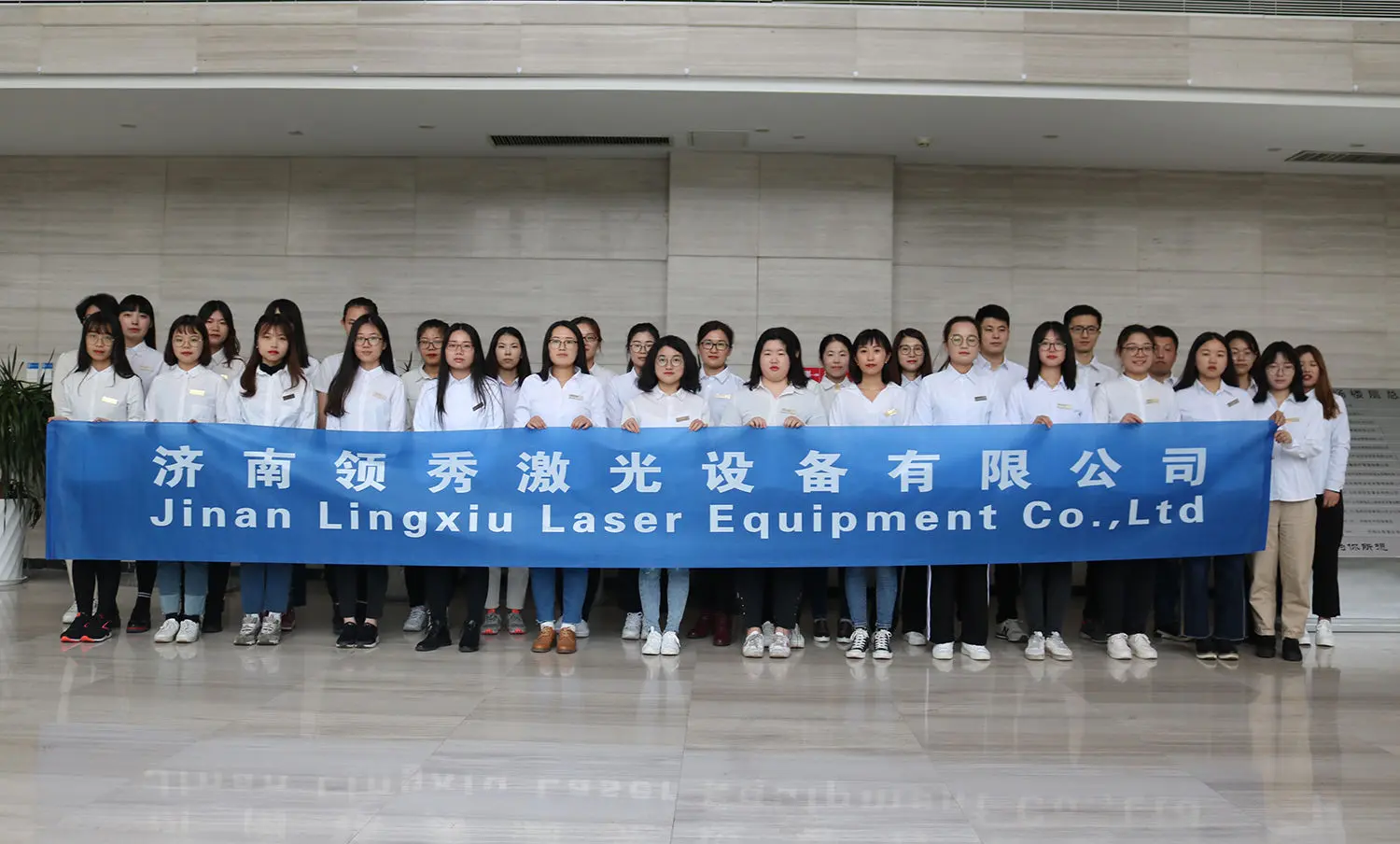
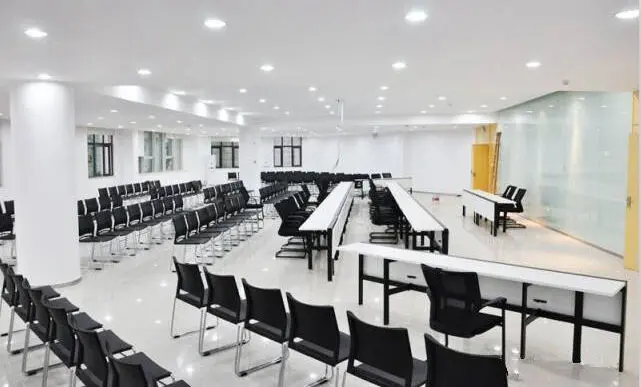
As a global leader in laser smart equipment established in July 2004, we provide clean, sustainable, and highly efficient surface cleaning technologies. Our products are exported to over 150 countries, supporting more than 20,000 users globally. Operating out of a massive 32,000 square meter factory along with 500 square meters of specialized office and research facilities, we produce advanced laser systems built to ISO 9001 quality management guidelines. Our entire catalog holds European Union CE authentication and American FDA certification, ensuring compliant integration within strict regulatory markets.
2004
Established Year
32,000+
Factory Area (Sqm)
150+
Export Countries
30+
Global OEM Clients
Why China-Based Factories Dominate the Global Laser Cleaning Supply Chain
When sourcing industrial laser equipment, buyers prioritize the balance between initial capital expenditures, hardware reliability, and component availability. Chinese factories, particularly those located in manufacturing hubs like Shandong and Hubei, offer unparalleled structural advantages:
Supply Chain Integration
Direct access to tier-one laser sources (IPG, Raycus, Maxphotonics, JPT) allows rapid custom integration and reduces lead times from months to weeks.
Advanced R&D Capabilities
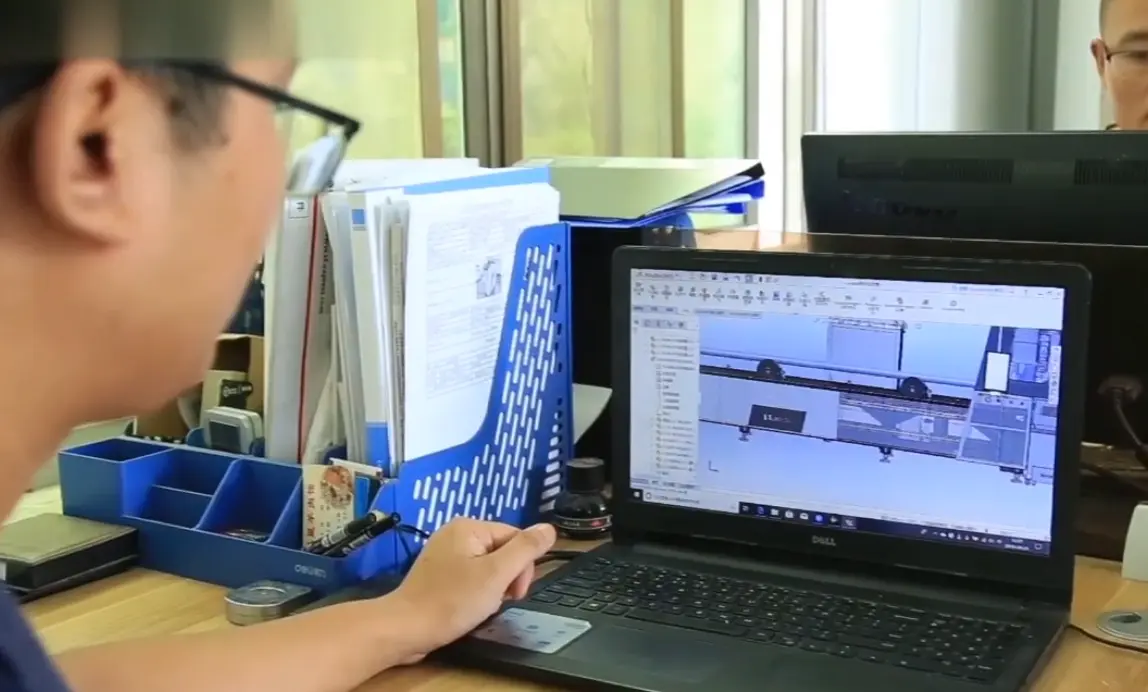
Continuous software optimization, custom optical lenses, and ergonomic laser gun design ensure high performance in demanding industrial environments.
Comprehensive Quality Checks
From optical path calibration to water chiller stress tests, Chinese exporters adhere to CE, FDA, and ISO standards for failure-free international shipping.
Furthermore, Chinese laser cleaning factories like LXSHOW offer customized software options, allowing control systems (like CypCut, Au320, or specialized laser cleaning controllers) to be localized in English, Spanish, German, French, and Japanese. This simplifies integration into existing production lines without requiring extensive retraining of staff.
Micro-Level Technology: Material Cleanability & Parameters
Different metals and alloys respond uniquely to laser light. Understanding the interaction of laser beams with various metal materials is crucial to maximizing the efficiency of the cleaning process:
Carbon Steel & Cast Iron: Heavy rust forms porous structures that easily absorb fiber laser light at a wavelength of 1064nm. Continuous Wave (CW) lasers ranging from 1000W to 3000W provide high-speed cleaning for thick rust, while pulsed lasers are preferred for finished precision tools to prevent heat discoloration.
Stainless Steel: Oxide layers formed after welding or high-temperature processing require high peak power pulsed lasers. Pulsed systems break down the oxides while leaving the passive chromium oxide layer intact, preserving corrosion resistance.
Aluminum Alloys: High reflectivity and thermal conductivity present challenges. Exporters use high-power density fiber lasers with specific beam oscillation patterns (linear, circle, spiral, grid) to minimize localized heat buildup and prevent substrate melting.
Copper & Brass: Extremely reflective. Laser wavelengths around 1064nm can damage optical components due to back-reflection if safety parameters are not maintained. Newer machines feature back-reflection isolation mechanisms and angle-offset sensors to allow safe cleaning of copper components.
Macro Industry Solutions & Automated Integration
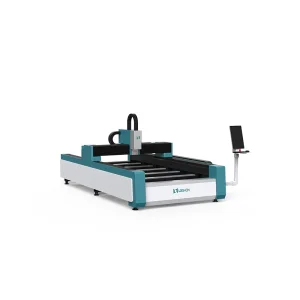
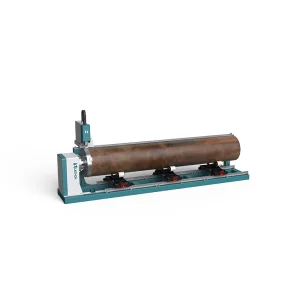
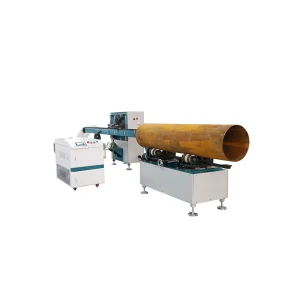
Laser cleaning is no longer just a handheld operations tool. Modern plants integrate these systems into multi-axis robotic arms and automated manufacturing lines for consistent results. Our engineering team designs custom enclosures, fully enclosed flat metal cleaning systems, and specialized tube inner/outer wall derusting equipment.
Our laser systems are implemented in precision industrial workflows worldwide, enabling Industry 4.0 automation.
Automotive welding lines, for example, require pre-weld oxide removal and post-weld slag cleaning. Continuous automated laser cleaning heads integrated with industrial robots scan parts in fractions of a second, guaranteeing pore-free welds and eliminating the need for manual post-processing. In the packaging, integrated circuit, and semiconductor industries, pulsed lasers remove micro-level contaminants without applying any mechanical force, avoiding damage to delicate components.
Global Procurement Playbook: Selecting the Right Power Rating
A frequent challenge for global buyers is matching power configuration with production needs. Our catalog addresses diverse requirements:
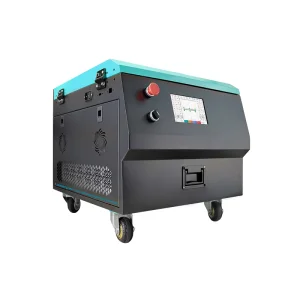
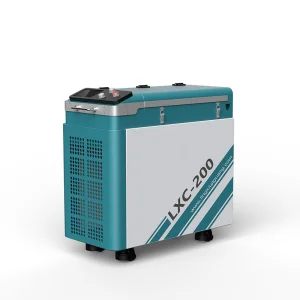
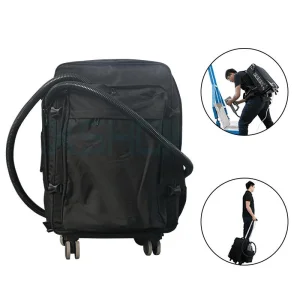
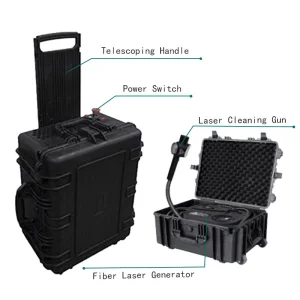
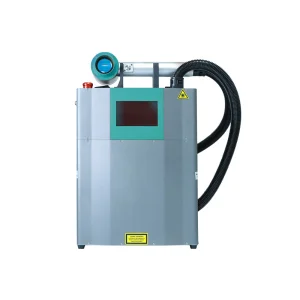
Low-Power Pulsed (50W - 200W): Extremely precise. Designed for molds, historical artifacts, jewelry, and localized oxide removal where thermal distortion is strictly prohibited. Often sold in portable backpack designs (like the Lxshow 100W/200W Backpack model) for mobile field operations.
Medium-Power Pulsed/CW (300W - 1000W): Balances speed and precision. Ideal for paint stripping, marine rust maintenance, weld inspection preparation, and cleanups in automotive repair depots.
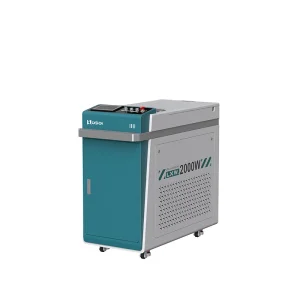
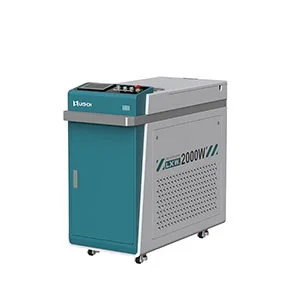
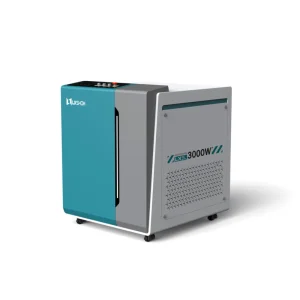
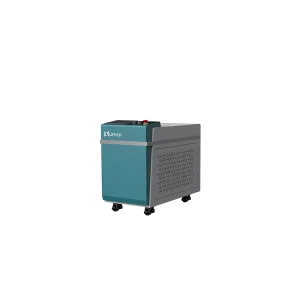
High-Power CW (1500W - 3000W): Focused on raw speed. Designed to strip thick paint coatings, marine bio-fouling, and deep rust on structural steel or pipelines. These units are paired with industrial water chillers to support continuous, multi-shift operation.
Comprehensive FAQ for Global Buyers
How does laser cleaning compare to sandblasting in terms of operating costs?
Although the initial cost of a laser cleaning machine is higher, the running costs are significantly lower. Sandblasting requires continuous purchasing, recycling, and disposal of abrasive materials, along with heavy safety equipment. Laser cleaning is non-contact, requires no consumables, and runs solely on electricity (typically under 3-10 kW depending on laser power), resulting in a return on investment within 12 to 18 months.
What safety measures are necessary when operating a fiber laser cleaner?
Fiber lasers are Class 4 laser devices. Operators must wear laser safety goggles rated for the 1064nm wavelength. When operating manual handheld units, maintaining a clear path and ensuring the laser gun is pointed away from reflective surfaces or personnel is essential. Integrated automation solutions often feature protective enclosures with interlocks to meet safety compliance.
Can continuous wave (CW) lasers damage the underlying metal substrate?
CW lasers (typically 1000W to 3000W) continuously output energy. If held static over a single point, they can heat and warp thin sheet metals. However, the cleaning gun keeps the beam oscillating rapidly across a wide area (up to 300mm scan width). By matching laser scanning speed with power density, heat accumulation is minimized, making it suitable for thick iron, steel, and structural beams.
What is the typical lifetime of a fiber laser source?
Top-tier fiber laser sources like Raycus, JPT, or IPG have an estimated diode lifetime of up to 100,000 hours, equivalent to over 10 years of multi-shift operation. Regular maintenance involves cleaning the protective focus lens, verifying water levels in the chiller, and keeping the dust filter clean.
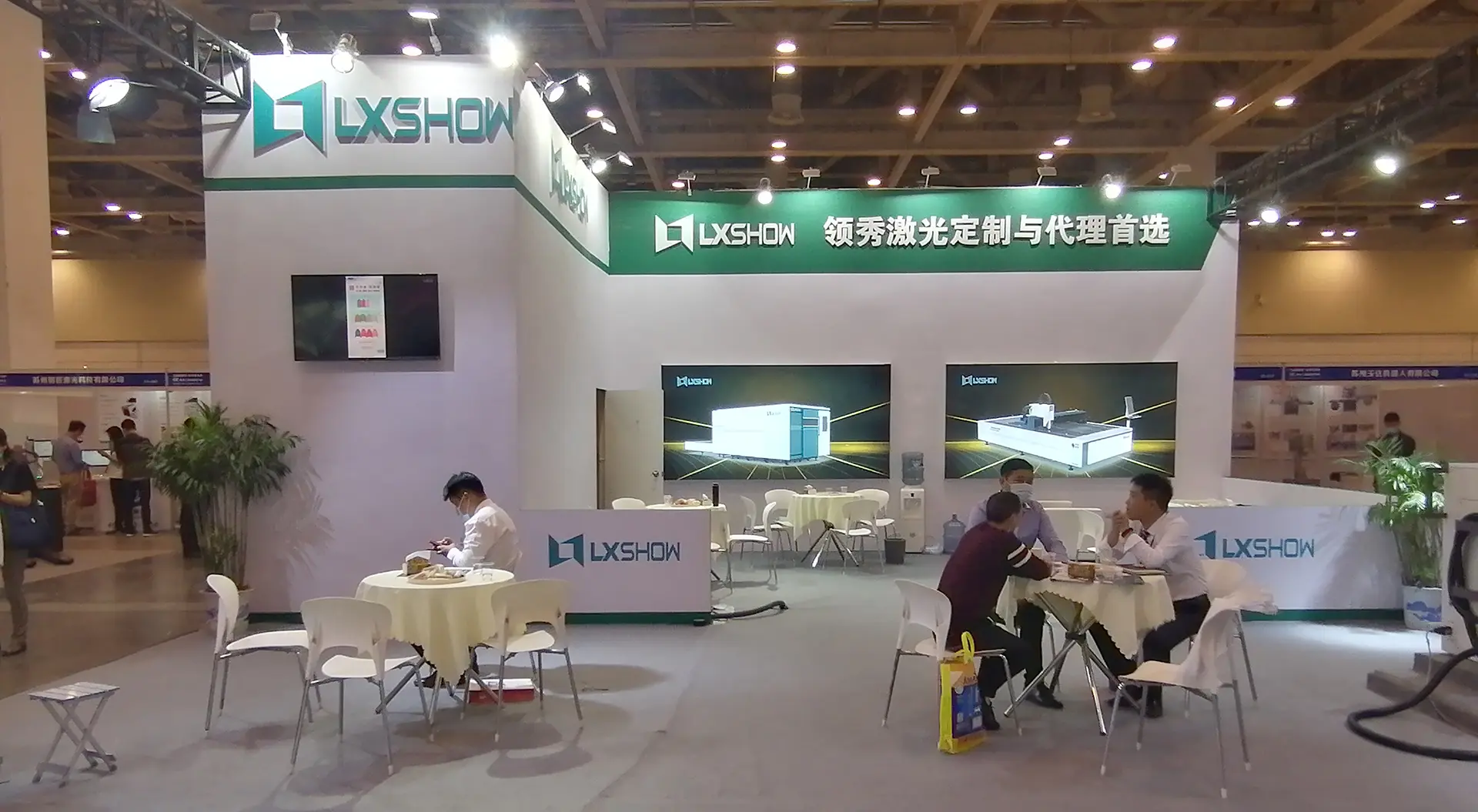
Factory Tour & Corporate Capabilities
Operational excellence across 32,000 square meters of specialized manufacturing facilities.
 Lxshow