Top 10 Metal Laser Cutters for Precision Cutting Solutions?

Time:2026-08-09 Author:Amelia
0%

In the world of engineering and design, precision is paramount. A Metal Laser Cutter is an essential tool for achieving that accuracy. These machines allow for intricate designs and seamless cuts, catering to various industries. From automotive to aerospace, the applications of metal laser cutting are vast and significant.

Choosing the right Metal Laser Cutter can be overwhelming. Many options exist, each with unique features and capabilities. Factors like cutting speed, precision, and material compatibility should be carefully considered. Compiling a list of the top 10 Metal Laser Cutters can simplify this process, helping professionals make informed decisions.

But not every machine meets every need. Each project is different, and sometimes, the perfect cutter for one job may not suit another. Users must reflect on their requirements and test different models. Engaging with industry experts can also provide valuable insights. Ultimately, the choice of a Metal Laser Cutter could greatly impact production quality and efficiency.
Top 10 Metal Laser Cutters for Precision Cutting Solutions?

Overview of Metal Laser Cutting Technology

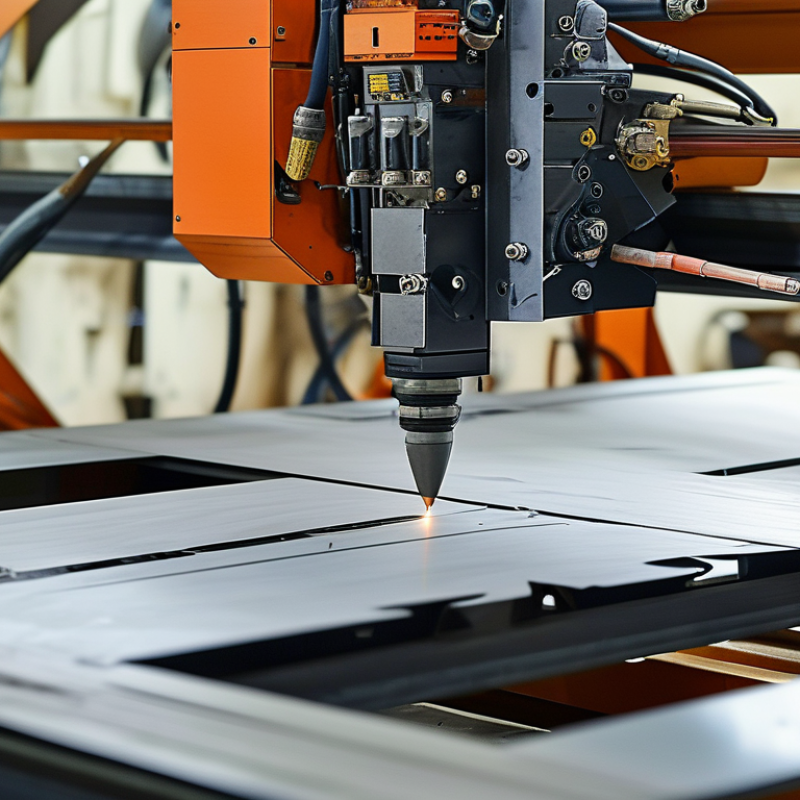
Metal laser cutting technology has revolutionized the manufacturing industry. This method uses high-powered lasers to cut through metal, providing extraordinary precision and efficiency. The technology allows for intricate designs and complex shapes that traditional methods struggle to achieve. The result is a cleaner finish and less waste.

Laser cutters operate by focusing light energy into a narrow beam. This beam swiftly melts or vaporizes the material, making it a preferred choice for various metals. Common applications include aerospace, automotive, and art industries. However, the high cost of these machines can deter some prospective users.

Tip: Regular maintenance and calibration are vital for optimal performance. Skipping this step can lead to inconsistent cuts and increased operational costs. Additionally, exploring software options can enhance design possibilities.

Choosing the right laser cutter requires careful consideration of factors like power output and material thickness. It's essential to match the equipment with your specific needs. Investing in a more powerful machine might seem costly, but it can save you time and headaches in the long run. A well-informed decision is crucial.

Key Features to Consider When Choosing a Laser Cutter

When selecting a metal laser cutter, several key features can significantly influence your decision. Understanding the power capabilities of a laser cutter is crucial. High-power lasers can easily cut through thick metals, with reports indicating that a 6kW laser can cut up to 25mm mild steel efficiently. The type of laser used also plays a vital role. Fiber lasers are known for their speed and precision, especially with reflective materials like aluminum and copper.

Another important consideration is the cutting speed. Depending on the material thickness, speeds can vary greatly. Research shows that a fiber laser can achieve cutting speeds of up to 60 meters per minute on 5mm steel. Accuracy and repeatability are also critical; manufacturers often seek systems that provide consistent results across many operations. Moreover, the ability to automate processes can enhance production efficiency, despite initial setup complexities. It’s essential to reflect on your specific needs and potential scaling for the future.

The software compatibility of the laser cutter should not be overlooked either. Seamless integration with design tools can streamline workflow. Reports suggest that advanced software can reduce programming time by as much as 30%. Even minor discrepancies in programming can lead to significant waste and rework, underscoring the need for precise setup. Investing time in understanding these features can make a substantial difference in operational success.

Top 10 Metal Laser Cutters for Precision and Efficiency

When selecting metal laser cutters, precision and efficiency are paramount. A high-quality machine can dramatically improve workflow and product quality. Different types of laser systems cater to varying needs. For instance, fiber lasers are known for their speed and effectiveness in cutting reflective materials. This capability is vital for industries like automotive and aerospace, where precision is crucial.

However, not every machine suits every application. Many users report challenges with settings and calibration. Without proper adjustments, the cut quality may suffer. It's essential to understand the material properties to select the right settings. Experience and training play significant roles in successful operation. Users often find that small mistakes can lead to wasted materials and time.

Monitoring system performance is equally important. Regular maintenance ensures longevity and consistent outcomes. However, some users may overlook this aspect. They might focus more on immediate results rather than long-term reliability. Investing time in understanding machine capabilities can yield better results in the end. Understanding these nuances can lead to better outcomes and efficiency in metal cutting projects.

Comparative Analysis of Performance Among Top Models

When evaluating laser cutters for metal, precision is paramount. Different models exhibit varied performance in speed, accuracy, and output quality. Some machines excel in intricate designs, while others fall short, leaving behind unrefined edges. Users often find discrepancies in cutting thickness capabilities, raising concerns about consistency across materials.

Several models stood out in terms of user satisfaction. These machines often feature advanced software, enhancing user control over designs. However, ease of use can sometimes be overshadowed by complex functionality. Some operators report a steep learning curve, leading to frustration initially. Regular maintenance is another critical aspect. Many users had to perform adjustments frequently to maintain cutting quality, which can be time-consuming.

Performance metrics such as speed and energy efficiency vary between models. Some laser cutters boast high speeds but at the cost of precision. Others prioritize a clean cut but operate slowly. Users recommend investigating specific needs before purchasing. Understanding your requirements can prevent regret later. In the end, the right choice often requires balancing performance with practical user experience. The pursuit of the perfect metal laser cutter remains nuanced and highly individual.

Applications and Industries Utilizing Metal Laser Cutting Solutions

Metal laser cutting technology is revolutionizing various industries. This precise method is not confined to one area. Manufacturing, automotive, aerospace, and construction all benefit significantly. Each sector utilizes metal laser cutters for distinct functionalities.

In manufacturing, the focus is on creating complex shapes and designs. Advanced equipment allows for intricate cuts that traditional methods cannot achieve. Automotive industries require high precision for parts that must fit together seamlessly. Errors can lead to significant costs and safety issues.

Meanwhile, in the aerospace sector, lightweight and durable components are vital. Metal laser cutting produces parts that reduce weight without compromising strength. Construction relies on this technology for structural components, ensuring accuracy in large projects. Challenges remain, though. With such fast-paced advancements, staying updated on best practices is crucial. Continuous learning will enhance efficiency and adaptability in utilizing these precise cutting solutions.

Top 10 Metal Laser Cutters for Precision Cutting Solutions

Model Laser Type Max Cutting Thickness (mm) Cutting Speed (m/min) Applications
Model A Fiber Laser 20 30 Metal Fabrication
Model B CO2 Laser 25 25 Signage, Art
Model C Fiber Laser 15 35 Automotive, Aerospace
Model D CO2 Laser 30 20 Construction, Manufacturing
Model E Fiber Laser 40 15 Heavy Industry
Model F Fiber Laser 10 40 Aerospace, Defense
Model G CO2 Laser 50 10 Event Displays
Model H Fiber Laser 35 22 Medical Equipment
Model I CO2 Laser 20 28 Artistic Metalwork
Model J Fiber Laser 40 18 Precision Components

FAQS

: What factors should I consider when choosing a laser cutter?

: Key factors include power capabilities, cutting speed, accuracy, and software compatibility. Each aspect impacts performance significantly.

How does the power of a laser cutter affect its cutting ability?

Higher power enables cutting through thicker metals. For example, a 6kW laser can cut 25mm mild steel effectively.

What is the significance of cutting speed in laser cutters?

Cutting speed varies by material thickness. Fiber lasers can cut 5mm steel at speeds of up to 60 meters per minute.

Why is accuracy and repeatability important in laser cutting?

Consistent results across operations are vital for manufacturers. Discrepancies can lead to waste and inefficiencies.

What role does software play in laser cutting processes?

Software compatibility enhances workflow. Advanced programs can reduce setup time, impacting overall productivity significantly.

Are there any challenges associated with using laser cutters?

Users may encounter a steep learning curve and maintenance needs. Adjustments are often required to maintain cutting quality.

How do performance metrics differ among various laser cutter models?

Performance metrics like speed and energy efficiency differ. Some prioritize speed, while others focus on precise but slower cuts.

What should I reflect on before purchasing a laser cutter?

Reflect on your specific needs and potential future scaling. This can help prevent regret from an ill-suited choice.

Can user satisfaction vary with different laser cutter models?

Yes, satisfaction levels vary. Some machines excel, while others may leave unrefined edges, causing frustration.

What is the pursuit of the perfect laser cutter like?

It remains nuanced and individual. Balancing performance with user experience is key to finding the right machine.

Conclusion

Metal laser cutters have revolutionized the fabrication industry by providing precision cutting solutions that cater to a variety of applications. This article offers a comprehensive overview of metal laser cutting technology, highlighting the essential features to consider when selecting a laser cutter, such as cutting speed, accuracy, and material compatibility.

Additionally, the discussion presents a curated list of the top 10 metal laser cutters known for their efficiency and performance. A comparative analysis underscores the strengths and weaknesses of these models, ensuring users can make informed decisions tailored to their specific needs. Ultimately, the versatility of metal laser cutting solutions continues to be a game-changer across various industries, showcasing their indispensable role in modern manufacturing processes.


Amelia

Amelia

Amelia is a seasoned marketing professional with a wealth of expertise in our company’s core offerings. With an unwavering passion for driving growth and innovation, she plays a pivotal role in shaping our marketing strategies and enhancing brand visibility. A key aspect of her responsibilities......