When considering Laser Machine Metal Cutting techniques, buyers face numerous options. Understanding these techniques is essential. The right choice can significantly impact efficiency and quality. Laser cutting offers precision and flexibility, making it a popular choice in various industries.
This article explores the top ten techniques, emphasizing their unique benefits. Each technique serves specific purposes, catering to varying needs. Insights from industry experts highlight crucial factors for buyers. These factors include material types, thickness, and cutting speed. Such details can be pivotal in making informed decisions.
Investing in Laser Machine Metal Cutting can be daunting. Potential pitfalls are often overlooked. Buyers must reflect on their specific requirements and the long-term implications of their choices. By understanding the strengths and limitations of each technique, buyers can navigate this complex landscape. The goal is to find a solution that balances performance with cost-effectiveness.
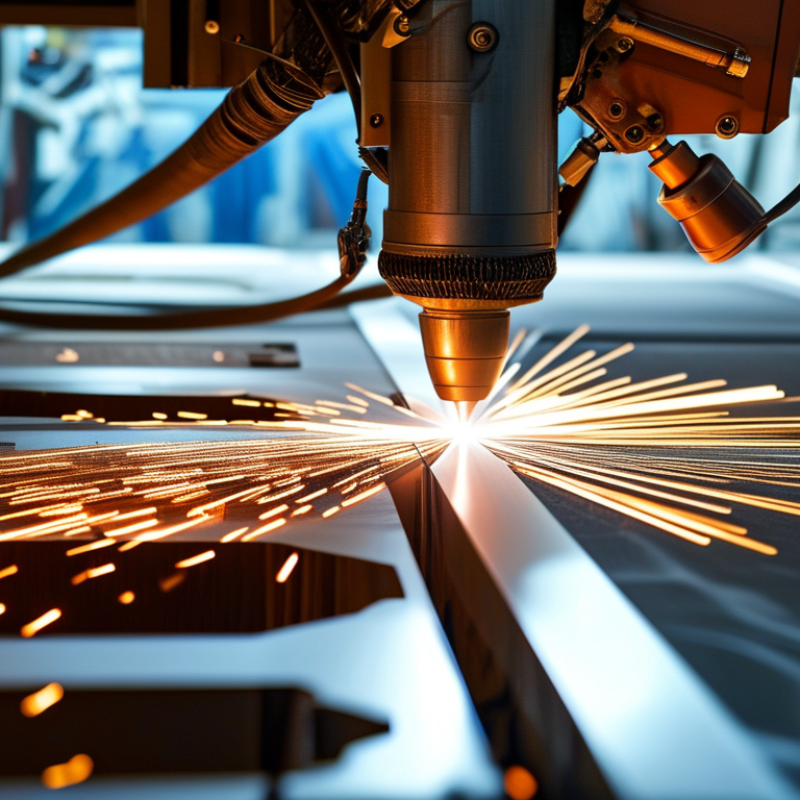
Understanding Laser Cutting Technology for Metal
Understanding laser cutting technology for metal is crucial for buyers in today's manufacturing landscape.
Laser cutting uses focused light beams to slice through various metal materials. This precision process offers significant advantages, including high accuracy and reduced kerf width. The technology enables intricate designs that traditional methods struggle to achieve. Buyers should consider factors like thickness, type of metal, and the desired finish when selecting a laser cutting technique.
When using laser cutting, effective material handling is essential. Materials should be secured to ensure optimal cutting accuracy. Maintaining a clean work area helps prevent contamination, which could affect results. Additionally, it's crucial to regularly inspect equipment for wear and tear. Neglecting maintenance could lead to inconsistent cuts and increased costs.
Understanding the complexities of laser cutting can enhance outcomes. Buyers should engage with professionals who can explain technical aspects. Learning about the different types of lasers, such as CO2 and fiber lasers, will help buyers make informed choices. Exploring the interplay between speed and quality is essential, too. Each project has unique requirements that may call for different adjustments in technique.
Key Factors to Consider When Choosing a Laser Cutting Technique
When selecting a laser cutting technique for metal, several key factors are vital. Material type plays a crucial role. For example, steel and aluminum require different power settings and focus techniques. Research indicates that carbon steel often necessitates CO2 lasers, while fiber lasers excel with stainless steel. Understanding the properties of the material impacts cutting precision.
Power and speed are also critical considerations. Higher wattage generally equates to faster cutting speeds. However, excessive power can lead to material distortion. A balanced approach must be adopted here, as studies show that cutting speeds can affect edge quality. Selecting the right laser source ensures both efficiency and optimal results.
Another aspect to ponder is the thickness of the materials. Many reports indicate that cutting thicker materials requires more robust systems, often doubling the investment. Buyers must evaluate their long-term needs against initial costs. Additionally, the complexity of shapes influences the technology choice. More intricate designs may require advanced techniques, enhancing overall production efficiency. Hence, each factor interlinks, pushing buyers to reflect on their specific requirements before making a choice.
Top 10 Laser Cutting Techniques for Various Metals
Laser cutting has revolutionized metal fabrication with its precision and efficiency. When choosing techniques for various metals, consider the unique properties of each. For example, CO2 lasers are ideal for cutting thin materials like aluminum. They offer smooth edges and fast processing times.
Fiber lasers, on the other hand, excel at cutting thicker metals. These are often more efficient for materials like stainless steel.
Another popular method is the use of nitrogen assist gas. It helps to achieve cleaner cuts, especially in stainless steel. However, this technique may require additional equipment and can increase operational costs. Understanding these subtleties is crucial for buyers. Many might overlook the importance of material thickness and type, which significantly influences the cutting technique.
Experimentation can yield surprising results. Sometimes the expected method doesn’t deliver the best outcomes. Observing different settings may lead to better quality cuts. Engaging with user forums or specialists can provide insights into overcoming challenges. Buyers should be open to refining their approach. Each metal offers its own set of complexities. Therefore, knowledge and adaptability play vital roles in successful laser cutting endeavors.
Comparative Analysis of Laser Cutting Speed and Precision
Laser cutting technology has revolutionized metal fabrication, offering rapid and precise solutions for various industries. When considering laser cutting, speed and precision are critical factors. High-speed cutting can enhance production efficiency, allowing manufacturers to complete projects more quickly. However, this speed might compromise the quality of the cut if not managed properly. A balanced approach is essential.
Precision is equally vital in laser cutting. Accurate cuts reduce the need for post-processing, which can save both time and resources. Nonetheless, achieving top-notch precision requires careful calibration of the equipment and a deep understanding of material properties. Factors such as laser wavelength, focus, and power settings directly influence the outcome. It can be challenging to find the perfect settings for different metals.
Buyers must consider the trade-off between speed and precision. Fast cuts may lead to burn marks or incomplete penetrations in some materials. Conversely, an overly meticulous approach could slow production and increase costs. Evaluating the specific needs of a project can aid in selecting the right laser cutting technique. Understanding these dynamics is crucial for making informed purchasing decisions in the laser cutting market.
Cost-Effectiveness of Different Laser Metal Cutting Methods
When considering laser metal cutting methods, cost-effectiveness is vital for potential buyers. Each technique has distinct advantages and drawbacks. For example, CO2 lasers are often budget-friendly and can cut various metals. However, they may not be as efficient with thicker materials compared to fiber lasers, which generally offer faster cutting speeds.
Investing in the right machine can also impact long-term expenses. Keeping maintenance costs low is crucial. Some methods require regular replacements of parts, adding to operational costs. Evaluating not just initial prices but also the overall cost of operation helps in making a wise investment choice.
Potential buyers should also consider the learning curve associated with each machine. Some lasers come with user-friendly software, while others can be quite complex. Training staff can incur additional costs. It’s essential to weigh these factors when choosing the best laser cutting technique for specific needs. A balanced approach leads to smarter purchasing decisions and enhanced production efficiency in the long run.
FAQS
: Laser cutting technology uses focused light beams to cut through metal materials.
Buyers should consider metal type, thickness, and desired finish.
Proper material handling ensures cutting accuracy and prevents contamination.
Higher power allows faster cutting but can also lead to material distortion.
CO2 lasers are suitable for thin materials, while fiber lasers excel with thicker metals.
Yes, thicker materials often require more robust systems, impacting initial costs.
Intricate designs may need advanced techniques to enhance production efficiency.
Experimentation can reveal better outcomes than expected methods and improve quality.
Yes, engaging with professionals can clarify technical aspects and improve decisions.
Neglecting maintenance may lead to inconsistent cuts and higher operational costs.
Conclusion
The article "Top 10 Laser Machine Metal Cutting Techniques for Buyers" provides an in-depth understanding of laser cutting technology, focusing specifically on its application for various metals. It outlines key factors to consider when selecting a laser cutting technique, such as material type, thickness, and desired precision. The discussion includes a thorough comparative analysis of the speed and precision of different laser metal cutting methods, highlighting how these factors can impact the overall efficiency of production processes.
Additionally, the article examines the cost-effectiveness of various laser machine metal cutting methods, offering insights into their value for money. By detailing the top ten laser cutting techniques, the article serves as a comprehensive guide for buyers looking to invest in laser technology, ensuring they make informed decisions based on their specific needs and budget constraints.

 Lxshow