Laser cutting technology has transformed metal fabrication, offering precision and speed unparalleled by traditional methods. Choosing the right Laser Cutter For Metal can significantly impact your productivity and the quality of your output. With numerous options on the market, knowing which machines stand out is essential for both professionals and hobbyists.
In this article, we dive into the top 10 laser cutters for metal. Each machine has unique features that cater to different needs. Some are designed for large-scale industrial work, while others are more suited for smaller projects. Understanding these differences can be crucial. However, selecting a cutter can feel overwhelming due to the wide variety of technologies available.
It’s important to acknowledge that not every machine will meet your specific requirements. Some might lack the power needed for thicker materials. Others may not be user-friendly for beginners. Keeping these considerations in mind will aid you in making an informed choice. Read on to discover the best options that can elevate your metalworking projects with efficiency and reliability.
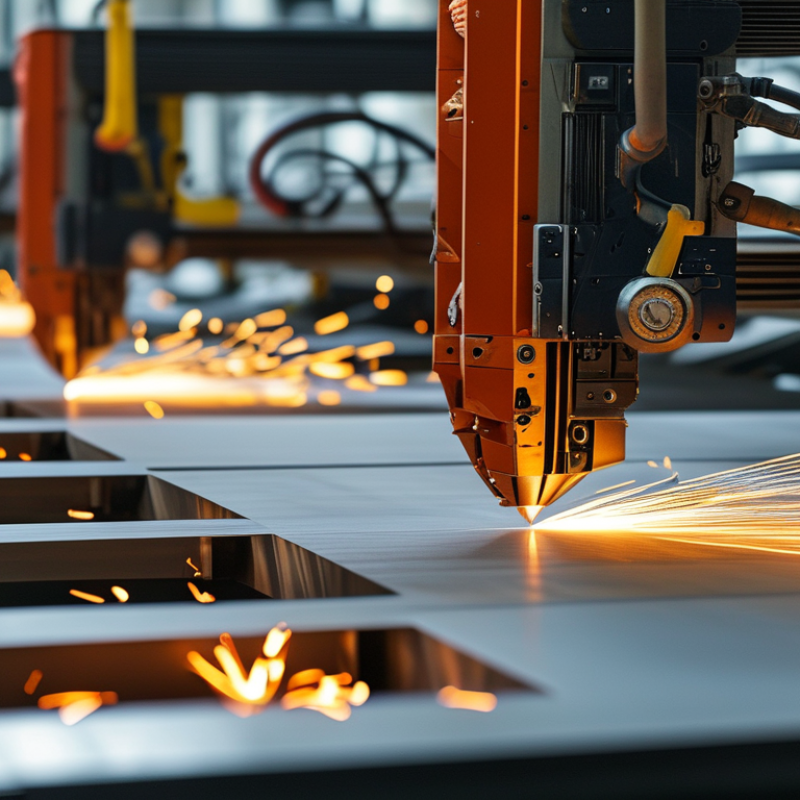
Laser cutting technology has revolutionized the way metal processing is approached. It uses focused laser beams to cut or engrave materials with exceptional precision. This method allows for intricate designs and can accommodate various thicknesses of metal. The technology is not only efficient but also minimizes waste, making it cost-effective for manufacturers.
Applications of laser cutting in metal are vast. Industries such as automotive, aerospace, and construction increasingly rely on this technology. It simplifies the production of complex components and enhances the speed of manufacturing. However, the initial investment in high-grade equipment can be daunting for some businesses. Training staff to operate these machines is another consideration.
Understanding laser cutting’s limitations is essential. While it excels in precision, it may not be the best choice for every metal type. For instance, reflective metals can pose challenges during the cutting process. Balancing the advantages and disadvantages is crucial for any metalworking operation. Engaging with experts can provide valuable insights into optimizing this technology for specific needs.
When selecting the best laser cutters for metal fabrication, consider several key factors. Power is crucial. Higher wattage allows for cutting thicker materials effectively. Many users find that 100W to 200W is ideal for most metal projects. Compatibility with various metals, such as stainless steel and aluminum, is also important. Choose a machine that matches your specific material needs.
User-friendliness is essential too. A straightforward interface makes operation easier. Look for models with intuitive controls. Regular software updates are a bonus, enhancing functionality. Ensure that support options are available. Reliable customer service can be invaluable when issues arise.
Tips for selecting a laser cutter include checking the cutting speed. Faster models can save time on larger projects. Durability matters; a sturdy frame ensures longevity. Read user reviews for real-world insights. Some machines may arrive with minor issues. Researching common problems beforehand can aid decision-making. Remember that every choice may have trade-offs. Evaluate these wisely to find the right balance for your needs.
Laser cutters have revolutionized metal fabrication. They provide precision and speed that traditional methods cannot match. Many options exist in the market, each with unique features. It’s crucial to understand these differences when selecting a cutter.
One key factor to consider is the cutting power. High wattage often means faster cutting speeds and the ability to handle thicker materials. Yet, this can also lead to more reflective and hard-to-cut metals, which are challenging for lower-powered machines. Look for machines offering adjustable settings to cater to different materials.
Additionally, user experience matters immensely. Some machines have complex interfaces, making them less accessible to beginners. Simplicity can be a double-edged sword; advanced users might find limited features confining. Always weigh the learning curve against the machine’s capabilities. Investing time in research pays off. Understanding both advantages and drawbacks can lead to better decisions.
When considering metal laser cutters, understanding their features and pricing is crucial. A recent market analysis reported that the global laser cutting market is expected to reach $4.5 billion by 2025. This growth highlights the increasing demand for precision cutting in various industries.
Features vary significantly across models. Some machines offer dual-mode operation for both metal and non-metal materials. The ability to cut various thicknesses provides flexibility. Additionally, advanced models can achieve cutting speeds exceeding 30 meters per minute. However, these high-performance machines often come with a price tag that starts around $100,000, making them suitable for larger enterprises.
Moreover, not all models guarantee reliability. Users have reported maintenance challenges with certain models, leading to unexpected downtime. This can impact production schedules and profitability, making it essential to consider the longevity and support services before making a purchase. Balancing initial costs against long-term value is an ongoing deliberation in the industry.
Maintenance is crucial for enhancing the longevity of laser cutters. Regular cleaning helps ensure optimal performance. Remove dust and debris from the lens and mirrors. A clean optical path increases beam quality. Check cooling systems frequently. Overheating can lead to significant downtimes and repair costs.
Lubricate moving parts periodically. This reduces friction and wear. A well-lubricated machine operates smoothly. Pay attention to belts and rails. They are often overlooked but essential for precision cutting. Regularly inspect all wiring and connections. Damaged components can lead to failure.
Consider training operators on best practices. Proper usage minimizes damage and maximizes efficiency. Document maintenance activities meticulously. This creates a valuable reference for future needs. Even minor issues should be logged. It can be easy to miss small signs of wear. Being proactive about maintenance saves time and money in the long run.
: Laser cutting uses focused beams to cut or engrave metals with high precision.
Industries like automotive, aerospace, and construction utilize laser cutting for complex components.
It provides efficiency, reduces waste, and enables intricate designs in metal processing.
Yes, reflective metals can be challenging to cut effectively with lasers.
Regularly clean lenses, lubricate moving parts, and inspect wiring to enhance longevity.
Yes, training helps operators maximize efficiency and minimize damage to the equipment.
Look at cutting power, user experience, and the ability to handle different materials.
Yes, they can struggle with reflective metals and may not be beginner-friendly.
Regular maintenance checks are essential to prevent major issues and downtime.
Documenting builds a reference for future needs and helps track equipment condition over time.
This article provides a comprehensive overview of laser cutter technology specific to metal fabrication, highlighting its various applications in the industry. It emphasizes key criteria for selecting the best laser cutter for metal, considering factors like power, speed, and precision.
The detailed review showcases the top ten laser cutters available, offering insights into their features and pricing. A comparative analysis illustrates how these models stack up against each other, helping readers make informed decisions. Additionally, the article includes maintenance tips to enhance the longevity of laser cutters, ensuring optimal performance and efficiency in metalworking projects. Overall, it serves as an essential guide for anyone looking to invest in a laser cutter for metal.