In the rapidly evolving manufacturing landscape, the Metal Laser Cutting Machine stands out as a revolutionary tool. Experts like Dr. Alice Harper, a leading authority in laser technology, emphasize its impact: "Laser cutting has transformed how we approach design and production." This machine employs precision lasers to effortlessly slice through various metals. The outcomes are often striking and intricate designs that were once challenging to achieve.
Understanding how a Metal Laser Cutting Machine works is crucial for industry professionals. These machines utilize focused laser beams, generating intense heat that melts or vaporizes material. The result is efficient, precise cuts that save time and reduce waste. However, it's important to acknowledge that mastering this technology isn't without challenges. Operators must have a firm grasp of various settings, materials, and potential pitfalls.
The benefits of a Metal Laser Cutting Machine are clear. It enhances production rates and decreases labor costs. But the reliance on technology raises questions about skill development. Are we losing traditional techniques? As we embrace innovation, it’s essential to reflect on balancing advanced machinery with foundational craftsmanship.
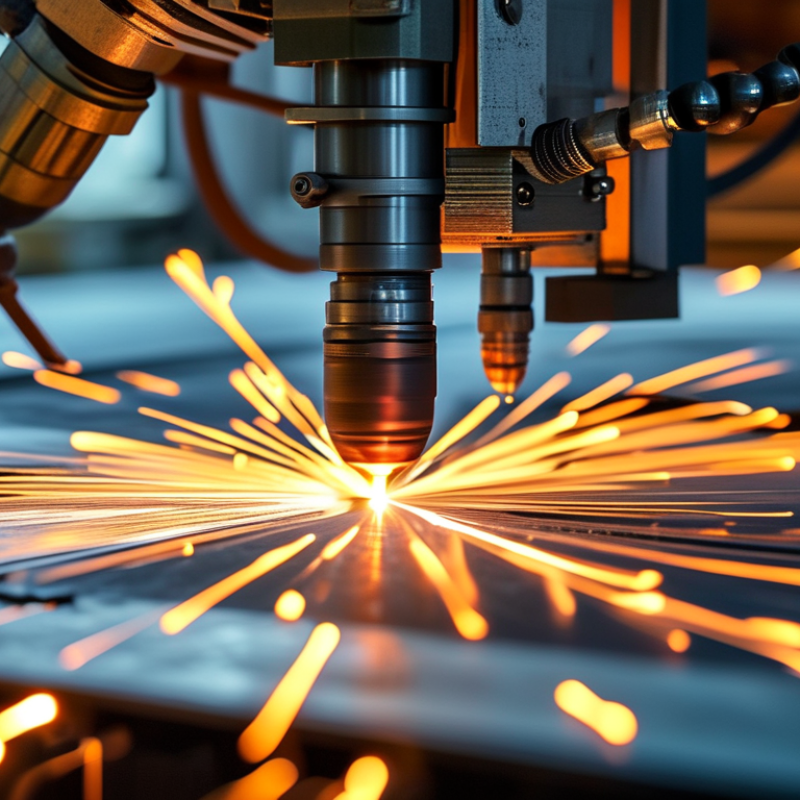
What is a Metal Laser Cutting Machine?
A metal laser cutting machine is a highly effective tool used in a variety of industries. It utilizes a focused beam of light to precisely cut through metals. The technology relies on laser beams that melt or vaporize the material, allowing for intricate designs and shapes. This method is efficient and can significantly reduce material waste, making it a popular choice for manufacturing processes.
When selecting a metal laser cutting machine, consider the thickness and type of metal you will be working with. Thicker metals require more powerful lasers, while thinner metals can be cut with less energy. Additionally, different metals, like aluminum, steel, or copper, react differently to lasers. Understanding these aspects is crucial for optimal performance.
Tips for using a metal laser cutting machine effectively: Always ensure proper safety gear is worn while operating the equipment. Regular maintenance is essential to avoid downtime and maintain quality cuts. Learning about the software controlling the machine can enhance your cutting capabilities and improve output quality. Small adjustments in settings can lead to significant improvements in efficiency and product quality.
Metal Laser Cutting Machine Performance Analysis
Components of a Metal Laser Cutting Machine
A metal laser cutting machine comprises several key components that work together to precisely cut metal materials. The core of this system is the laser generator. This component produces a highly concentrated beam of light, which is essential for cutting through metal. A good laser generator is crucial for accuracy and efficiency.
Another critical part is the focusing lens. This lens concentrates the light beam to a small point, increasing its intensity. The more accurate the lens, the better the cutting precision will be. Few users consider the quality of this component. However, poor focus can lead to rough edges and wasteful cutting.
The CNC system controls the machine's operation. It dictates the movement of the cutting head and the table, ensuring that each cut is executed flawlessly. A lack of experience with this system often results in programming errors. Finally, the cooling system is vital. It prevents overheating, which can damage both the machine and the material. Neglecting maintenance here can lead to breakdowns. Each component plays a role in the machine's overall performance, highlighting the importance of understanding their functions.
How Does a Metal Laser Cutting Machine Operate?
Metal laser cutting machines are powerful tools that create precise cuts in various metal types. They utilize a focused laser beam directed onto the metal surface. The heat generated vaporizes the material, effectively cutting through it. Operators often use computer software to design the cuts digitally. This process ensures high accuracy and repeatability, making it ideal for complex shapes.
To operate a metal laser cutting machine, the user must first set up the machine properly. This involves loading the metal sheet and calibrating the laser settings according to the material’s thickness and type. Factors like speed, power, and frequency are crucial for optimal cutting quality. Operators must also monitor the process, as any errors could lead to material waste or subpar results. Proper knowledge of machine operation is essential for safety and efficiency.
While the technology is highly efficient, it requires ongoing learning. Operators should remain vigilant about maintenance. Keeping the lens clean and checking for wear on the cutting head can help prolong the machine's lifespan. These small adjustments can significantly enhance performance over time.
Types of Laser Cutting Technologies Used in Metal Cutting
Metal laser cutting machines utilize various technologies to achieve precise cutting for different materials. Two prominent types are CO2 lasers and fiber lasers. CO2 lasers are known for their efficiency in cutting thicker metals, offering deep penetration and smooth edges. Reports indicate they excel in applications like aerospace and automotive manufacturing, where precision is paramount. On the other hand, fiber lasers provide faster cutting speeds and higher energy efficiency. They are ideal for thinner metals and are increasingly favored in industries such as electronics and signage.
Understanding the characteristics of these technologies helps in making informed decisions. CO2 lasers require reflective optics, making them less versatile. In contrast, fiber lasers are more adaptable and demand less maintenance. Evaluating the material thickness and specific requirements of a project is crucial. Each technology has its distinct advantages and disadvantages, which affect operational costs and output quality.
For optimal results, assess the power output of the laser machine against the material you're working with. Maintain a clean work environment to prevent contamination, which can influence accuracy. Regularly reviewing cutting parameters can enhance performance and improve load times. Adopting a reflective approach to machine settings ensures higher efficiency in laser cutting processes.
Applications of Metal Laser Cutting Machines in Various Industries
Metal laser cutting machines have transformed various industries by enhancing precision and efficiency. These machines utilize high-powered lasers to cut through metals with incredible accuracy. As a result, sectors like automotive and aerospace have increasingly adopted this technology. According to a report by the Grand View Research, the global metal laser cutting market is expected to reach $5.64 billion by 2027, reflecting a compound annual growth rate (CAGR) of 5.6%.
In the automotive industry, metal laser cutting is vital for creating intricate parts. It enables manufacturers to achieve tight tolerances, significantly reducing material waste. For instance, the ability to cut complex shapes allows for more streamlined production. Similarly, in the aerospace sector, this technology is crucial for producing lightweight components that meet strict safety regulations. The International Aerospace Quality Group emphasizes the importance of precision in this field, acknowledging laser cutting as a key contributor to innovation.
However, the use of metal laser cutting machines is not without challenges. The initial investment can be high, and operating such advanced equipment requires skilled personnel. There are also concerns about material compatibility. For example, different metals react differently to laser cutting. This unpredictability may necessitate adjustments in laser settings, leading to potential delays. Addressing these issues is essential for industries aiming to fully leverage the benefits of laser cutting technology.
FAQS
: The main component is the laser generator, which produces a focused light beam for cutting metal.
The focusing lens concentrates the light beam, increasing intensity and improving cutting precision.
It uses a CNC system to control movement and ensure accurate cuts.
The cooling system prevents overheating, which can damage the machine and the material.
CO2 lasers and fiber lasers are popular for their different strengths in metal cutting.
CO2 lasers cut thicker metals well, while fiber lasers are faster and more efficient for thinner metals.
Consider material thickness and specific project requirements to choose the right technology.
Neglecting maintenance can lead to overheating and machine breakdowns, affecting production.
Regularly review cutting parameters and maintain a clean work environment for better accuracy.
Assess the power output against material and adopt reflective approaches to machine settings.
Conclusion
A Metal Laser Cutting Machine is an advanced tool designed for precision cutting of metal materials using laser technology. It comprises several key components, including a laser source, a cutting head, and a motion system that together enable high-speed and accurate cutting. The operation of this machine involves directing a focused laser beam onto the metal surface, melting or vaporizing the material to achieve desired shapes and designs.
Various laser cutting technologies, such as CO2 lasers and fiber lasers, are utilized based on the specific requirements of the cutting process. Metal Laser Cutting Machines find widespread applications across industries such as automotive, aerospace, and manufacturing, where they are essential for producing intricate parts and components with high efficiency and minimal waste.

 Lxshow