How to Choose a Laser Cutting Machine for Metal Fabrication?

Time:2026-09-03 Author:Oliver
0%

The demand for precise and efficient metal fabrication continues to rise. According to a recent report by Grand View Research, the global laser cutting machine market is expected to reach $5.2 billion by 2025. This growth highlights the importance of selecting the right equipment in a competitive industry. Choosing a suitable laser cutting machine for metal fabrication can significantly impact operational efficiency and product quality.

When considering a laser cutting machine for metal, factors such as power, speed, and material compatibility are critical. Machines equipped with fiber lasers are noted for their efficiency in cutting different metals. A study by Research and Markets emphasizes that fiber lasers can increase cutting speeds by 20% compared to CO2 lasers. However, not all manufacturers communicate their machine capabilities effectively.

Potential users should also reflect on after-sales support and maintenance requirements. Some machines might offer high performance but lack adequate service options. It's essential to weigh these aspects carefully. Investing in a laser cutting machine for metal is a significant decision that requires thoughtful consideration and analysis of both current and future needs.
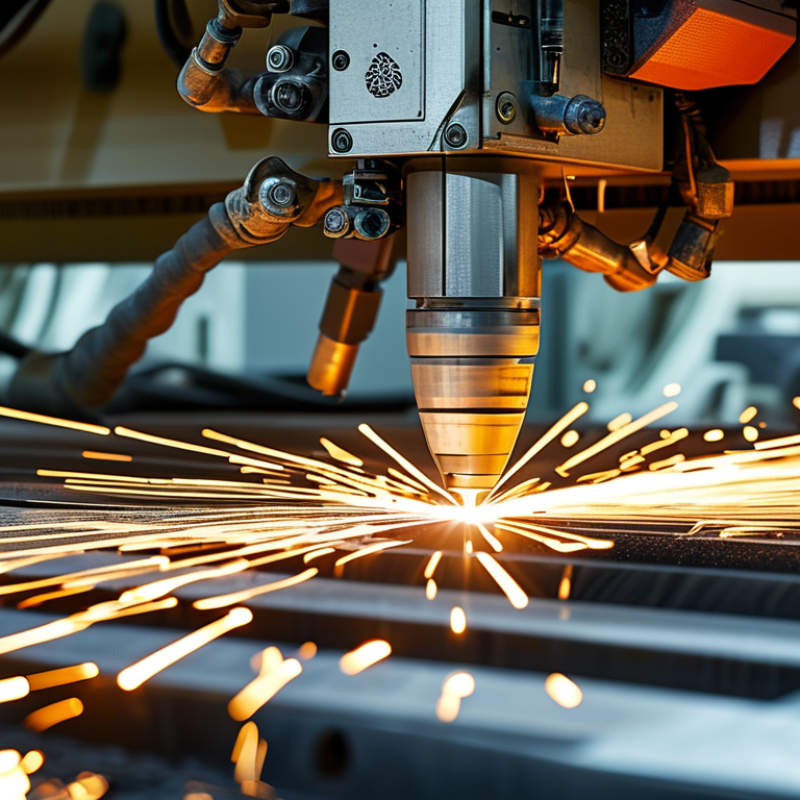
How to Choose a Laser Cutting Machine for Metal Fabrication?

Factors Influencing the Selection of a Laser Cutting Machine

When selecting a laser cutting machine for metal fabrication, several factors come into play. The material thickness is crucial. Thicker materials often require more powerful lasers. Consider whether you’ll be cutting steel, aluminum, or other metals. Each material has unique properties that affect the cutting process.

Speed is another important consideration. Faster cutting saves time but may sacrifice detail. Balancing speed with precision is key. The machine's cutting area also matters. A larger cutting bed allows for bigger projects but adds complexity and cost. Always evaluate your project needs against these specifications.

Finally, consider the level of technical support available. A reliable machine is only as good as the backup it receives. Investing in training ensures your team operates the machine efficiently. It’s easy to overlook the importance of ongoing maintenance and service. Neglecting these aspects can lead to downtime and increased costs. A thoughtful approach to these factors ensures you choose the right machine for your needs.

Factors Influencing the Selection of a Laser Cutting Machine

Types of Laser Cutting Technologies Available for Metal Fabrication

When choosing a laser cutting machine for metal fabrication, understanding the available technologies is crucial. CO2 lasers are commonly used due to their versatility. They work well with thin materials, especially non-metal types. The beam produced is effective for engraving and cutting various surfaces. Yet, their efficiency may decrease with thicker metals.

Fiber lasers stand out for cutting metals rapidly and accurately. They convert light to a smaller wavelength, which allows for better absorption by metals. This results in quicker and cleaner cuts. However, fiber systems can be more expensive upfront. Users should consider their long-term needs and budget constraints carefully.

Solid-state lasers are less common but offer specific advantages. They provide high precision and are suited for complex designs. Despite their benefits, maintenance can be challenging, and parts might be costly. It’s essential to weigh the advantages against potential drawbacks. Each technology has its unique strengths and weaknesses. Choosing the right one necessitates careful thought and planning.

Key Specifications to Consider: Power, Speed, and Precision

Choosing the right laser cutting machine for metal fabrication involves evaluating key specifications such as power, speed, and precision. Power is crucial; it directly affects the cutting capability. Higher wattage allows for cutting through thicker materials. However, more power may lead to increased costs and energy consumption. Ensuring the right balance is essential.

Speed is another vital aspect. It defines how quickly the machine can operate without compromising quality. A faster machine boosts productivity. But keep in mind, overemphasis on speed can lead to reduced precision. Striking a balance between speed and accuracy will yield the best results.

When selecting a machine, consider user feedback and reviews. Look for reliability in performance and durability. Check if the machine can handle various materials effectively. Think about your specific needs. Are you cutting intricate designs or thicker materials? Adjustments may be necessary as projects change. Reassessing your requirements periodically ensures you keep pace with demands in the metal fabrication industry.

Economic Considerations: Cost of Machine vs. Production Efficiency

When selecting a laser cutting machine for metal fabrication, economic considerations play a crucial role. The initial cost of the machine often raises concerns, yet its long-term impact on production efficiency is equally significant. According to industry reports, the average purchase price for a mid-range laser cutter can range from $50,000 to $150,000. However, lower-priced machines may compromise quality, leading to increased operational costs over time.

Production efficiency significantly affects your bottom line. A high-quality laser cutter using advanced technology can achieve cutting speeds up to 90 inches per minute, significantly reducing cycle times. The downside is that cheaper models might only cut at 30 inches per minute. This slow speed can lead to delays and increased labor costs. Investing in a more efficient machine can pay off quickly through faster production times.

Evaluate your specific production needs. High-volume facilities might benefit from investing in higher-end models to maximize throughput. In contrast, smaller operations may find lower-cost options adequate. Always consider maintenance costs as well, since neglecting this can lead to unexpected downtimes and repairs. Frequent repairs can erode any savings achieved with a lower initial investment. Thus, balancing machine cost with operational efficiency is key for sustainable metal fabrication.

How to Choose a Laser Cutting Machine for Metal Fabrication? - Economic Considerations: Cost of Machine vs. Production Efficiency

Machine Type Cost (USD) Max Cutting Speed (cm/min) Material Thickness (mm) Power Consumption (kW) Production Efficiency (m²/h)
CO2 Laser Cutter $30,000 150 20 5 10
Fiber Laser Cutter 50,000 300 15 7.5 25
Nd:YAG Laser Cutter 40,000 200 10 6 15
Plasma Cutter 25,000 120 30 8 8

Maintenance and Support: Ensuring Longevity of Your Laser Cutter

Proper maintenance is crucial for ensuring the longevity of your laser cutting machine. Regular checks on critical components, such as the lens and mirrors, can help you avoid costly repairs. Dust and residue can accumulate quickly, affecting performance. Cleaning these parts at scheduled intervals extends their lifespan and keeps the machine running efficiently.

Support from experienced technicians also plays a key role. When issues arise, quick access to knowledgeable support can minimize downtime. Training your staff on routine maintenance is valuable. A well-informed team can detect minor problems before they escalate. Issues like misalignment or faulty settings may not seem significant but can hinder productivity if neglected.

Investing in maintenance documentation offers guidance for your team. Detailed records of repairs and inspections build a history of the machine's condition. This practice helps identify patterns over time. The goal is to create a culture of proactive care, rather than reactive fixes. Striving for perfection in maintenance practices can lead to better outcomes for operations overall.

FAQS

: What types of laser cutting technologies are available for metal fabrication?

: There are CO2 lasers, fiber lasers, and solid-state lasers. Each has its strengths and weaknesses.

What is the key advantage of CO2 lasers?

CO2 lasers are versatile and effective for engraving and cutting thin, non-metal materials.

Why should I consider fiber lasers for my projects?

Fiber lasers cut metals quickly and accurately. They provide cleaner cuts but may have higher initial costs.

What should I evaluate when choosing a laser cutting machine?

Consider power, speed, and precision. These specifications impact cutting capability and efficiency.

How does power affect laser cutting performance?

Higher wattage cuts thicker materials but can increase costs and energy use. Balance is essential.

Why is maintenance important for laser cutting machines?

Regular maintenance prevents costly repairs and ensures smooth operation. Neglect can hinder productivity.

What training should staff receive for laser machine maintenance?

Staff should learn routine maintenance to identify minor issues early, preventing bigger problems later.

How can I assess the longevity of my laser cutter?

Keep maintenance records and regularly check critical components like lenses and mirrors for dust.

What is a common challenge with solid-state lasers?

Solid-state lasers offer precision but may require costly maintenance and parts. Weigh pros and cons carefully.

How can I keep my laser cutting process efficient?

Regularly reassess your needs and adjust for new projects. Stay responsive to the evolving demands.

Conclusion

When selecting a Laser Cutting Machine for Metal, several key factors must be considered to ensure optimal performance and efficiency. These include understanding the different types of laser cutting technologies available, which can greatly impact the fabrication process. Additionally, potential buyers should evaluate essential specifications such as power, speed, and precision to match their specific production needs.

Economic considerations play a critical role as well, where the initial cost of the machine should be weighed against its potential to enhance production efficiency. Finally, maintenance and support are crucial for ensuring the longevity of your laser cutter, minimizing downtime and maintenance costs. By thoroughly assessing these aspects, businesses can make informed decisions that align with their manufacturing goals.


Oliver

Oliver

Oliver is a seasoned marketing professional with a wealth of expertise in driving brand awareness and engagement. With a deep understanding of our company's product offerings, he consistently delivers high-quality content that enriches our professional blog. His insights not only shed light on......