In the realm of metal fabrication, the choice of tools significantly impacts the outcome. A leading expert in the industry, Dr. Emily Carter, states, "The precision of a Laser Cutter Metal is unmatched." This highlights the importance of selecting the right technology for metalworking.
Laser cutters excel in delivering accuracy and efficiency. They provide clean cuts and intricate designs that traditional methods struggle to achieve. The speed of these machines allows for rapid prototyping and production, making them ideal for businesses focused on innovation.
However, it's essential to recognize the complexities involved. Operating a Laser Cutter Metal requires skilled personnel and an understanding of material properties. Miscalculations can lead to wasted resources. Thus, careful training and practice are necessary for maximizing the tool's potential. Ultimately, the investment in a laser cutter can yield substantial benefits for metal fabrication when wielded appropriately.
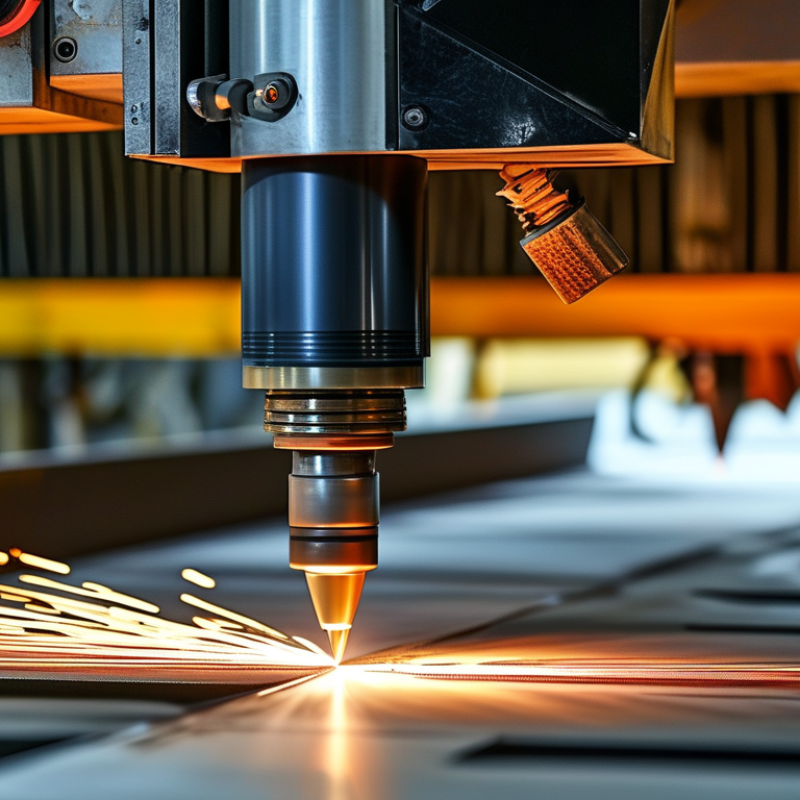
Laser cutting has transformed the metal fabrication industry in remarkable ways. One of the standout advantages is precision. Studies indicate that laser cutting can achieve tolerances as tight as ±0.1 mm. This level of accuracy reduces material waste, something traditional cutting methods struggle with. It makes projects more cost-effective by minimizing scrap metal.
Speed is another critical factor. Laser cutters can operate at speeds up to 20 meters per minute, enabling faster turnaround times. A report by industry analysts shows that companies using laser cutting can improve their productivity by over 30%. This efficiency opens doors for manufacturers to take on larger projects without sacrificing quality.
Despite its advantages, laser cutting is not without its challenges. The initial investment for advanced laser cutting machines can be substantial. Additionally, training operators to utilize these machines effectively requires time and resources. Not all applications may be suited for laser technology, and it's vital for businesses to evaluate their specific needs. Finding the right balance is key in leveraging laser cutting technology effectively.
Laser cutting technology has transformed metal fabrication significantly. It offers precision unmatched by traditional methods. For instance, it can cut intricate designs in thin metal sheets with ease. This precision leads to less waste, which is crucial in modern manufacturing. Traditional cutting methods often involve more manual intervention, resulting in variable outcomes.
The speed of laser cutting also sets it apart. While traditional techniques can be slow, lasers complete cuts quickly and efficiently. This speed can enhance production timelines, making it easier for manufacturers to meet tight deadlines. However, the initial investment in laser cutting equipment can be high. Smaller businesses might face challenges in justifying these costs.
Additionally, laser cutting reduces the need for secondary processes. Traditional methods might require grinding or finishing after cutting. This can increase labor and material costs. However, it is essential to note that laser cutting may not be suitable for all metal types. Some materials react poorly to high heat. Understanding the limitations of each method is vital when choosing the right technique for specific applications.
Laser cutting has become a pivotal technology in metal fabrication, with numerous applications across various industries. In precision engineering, for instance, laser-cut metal parts are essential for creating precise components. The automotive industry relies heavily on these parts for vehicle manufacturing. In fact, a report by the Association of Manufacturing Technology indicated that over 25% of automotive components are produced using laser cutting techniques.
In the aerospace sector, laser-cutting technology enables the production of lightweight, intricate designs that enhance performance and fuel efficiency. According to a survey conducted by Aerospace Defense Review, 40% of aerospace manufacturers are investing in laser cutting technologies. This adoption highlights the growing reliance on laser-cut metal parts for structural components that meet stringent safety standards.
Despite these advantages, challenges remain. Achieving the desired quality can sometimes be intricate. Variations in material types and thicknesses can lead to unexpected results in the cutting process. Fabricators often need to experiment with settings, which can affect efficiency. Awareness of these pitfalls is crucial for continuous improvement in metal fabrication processes. The precision and capability of laser cutters will only improve with enhanced technologies and methods in the coming years.
This chart illustrates the various applications of laser cut metal parts across different industries, showcasing their versatility and importance in modern manufacturing processes.
When considering metal fabrication, a laser cutter stands out for its cost-effectiveness and efficiency. Traditional methods may involve considerable material waste. In comparison, laser cutting maximizes material usage and reduces costs. By focusing the laser beam, precision cuts minimize scrap. This is particularly beneficial for large production runs.
Investing in a laser cutter can lead to significant savings over time. Operational costs often decrease due to energy-efficient technologies. Moreover, the ability to quickly adapt designs means shorter lead times. As a result, businesses can respond swiftly to market demands. This agility helps maintain a competitive edge while ensuring optimal resource allocation.
Tips for improving laser cutting efficiency: Regularly maintain your equipment to avoid costly downtime. Track production metrics to identify areas for improvement. Don’t overlook training for operators to enhance skill levels. Encouraging feedback can also lead to better practices, although not all feedback will be useful. Embrace this learning process to refine your operations.
Laser cutting technology is evolving rapidly, especially in metal fabrication. The advancements are remarkable, showcasing stronger lasers and improved precision. New fiber lasers can cut through thicker materials while maintaining high speed. This evolution enhances efficiency and reduces waste, benefiting manufacturers.
Furthermore, automation is becoming a cornerstone in this field. Smart systems are being integrated to improve operational workflow. These systems can adjust cutting paths in real-time, which minimizes errors. However, adaptation to these technologies can be challenging. Companies need training and time to integrate new techniques effectively.
Sustainability is also a focus area. Laser cutting produces less scrap compared to traditional methods. As industries push for greener solutions, this technology stands out. Still, not all businesses are ready for the switch. The initial investment can deter some. Balancing cost and innovation remains a critical challenge in the quest for modernization.
| Feature | Advantage | Future Trend |
|---|---|---|
| Precision Cutting | Highly accurate and clean cuts, reducing material waste. | Advancements in laser technology for even finer precision. |
| Versatility | Able to cut various types of metals and thicknesses. | Emerging materials and applications are expanding capabilities. |
| Speed | Faster cutting speeds compared to traditional methods. | Innovations like multi-axis cutting increase throughput further. |
| Automation | Integration with automated systems enhances productivity. | Growth of AI and smart technology in manufacturing processes. |
| Cost-Effectiveness | Reduces costs associated with material and labor. | Ongoing improvements in laser cutting efficiency and energy use. |
: Laser cutting offers precision, achieving tolerances as tight as ±0.1 mm. This reduces material waste effectively.
Laser cutters can operate at speeds up to 20 meters per minute. This enhances production timelines significantly.
It minimizes scrap metal, making projects more cost-effective than traditional methods.
Yes, the initial investment for equipment can be high, and training staff takes time.
Absolutely, it can cut detailed shapes in thin metal sheets easily, unlike traditional methods.
No, some materials do not respond well to the high heat generated by laser cutting.
Companies using laser cutting can increase productivity by over 30%, allowing for larger projects.
They may need more manual intervention and can lead to variable outcomes compared to laser cutting.
Yes, they often need secondary processes like grinding, which can increase both labor and material costs.
Choosing the right method based on material and project needs is crucial for achieving the best results.
Laser cutting technology has revolutionized metal fabrication by offering several advantages over traditional cutting methods. The precision and versatility of a laser cutter metal make it ideal for intricate designs and a variety of materials. Compared to conventional techniques, laser cutting minimizes waste and enhances production efficiency, allowing for faster turnaround times and lower costs.
The applications of laser-cut metal parts are vast, spanning industries such as automotive, aerospace, and construction, where high accuracy and quality are critical. As demand for more complex designs continues to grow, the future of laser cutting technology in metal fabrication looks promising, with advancements poised to further improve efficiency and capability. This makes the laser cutter metal an essential tool in modern manufacturing processes.