Choosing the best Metal Lazer Cutter in 2026 starts with the work it must perform. A bright product photo cannot tell you whether a machine will cut your steel cleanly, day after day. The useful details are less glamorous: material type, sheet thickness, cutting speed, edge quality, and expected weekly workload. A fiber laser may suit many metalworking jobs, but the right power depends on the materials and production demands. More power alone does not guarantee a better purchase.
Dr. Bo Gu, a recognized specialist in laser materials processing, offers relevant expertise for evaluating laser technology. No source article or verified quotation was provided here, so I will not invent words and attribute them to him. A practical buying principle for this guide is: “Match the laser to the material, thickness, and workload.” Treat that as editorial guidance, not a quotation from Dr. Gu. Small distinction. Important one. This comparison will examine cutting performance, control software, maintenance needs, support, and total ownership costs. We will also look beyond showroom specifications, because a machine’s real value appears during ordinary production: loading a sheet, setting focus, clearing cut parts, and repeating the job. Some comparisons may still depend on assumptions, especially when brands publish different test conditions. That deserves scrutiny. By the end, you should have a clearer way to judge which Metal Lazer Cutter fits your shop, rather than simply choosing the machine with the largest power rating.
What Is the Best Metal Laser Cutter in 2026?
How Metal Laser Cutters Work
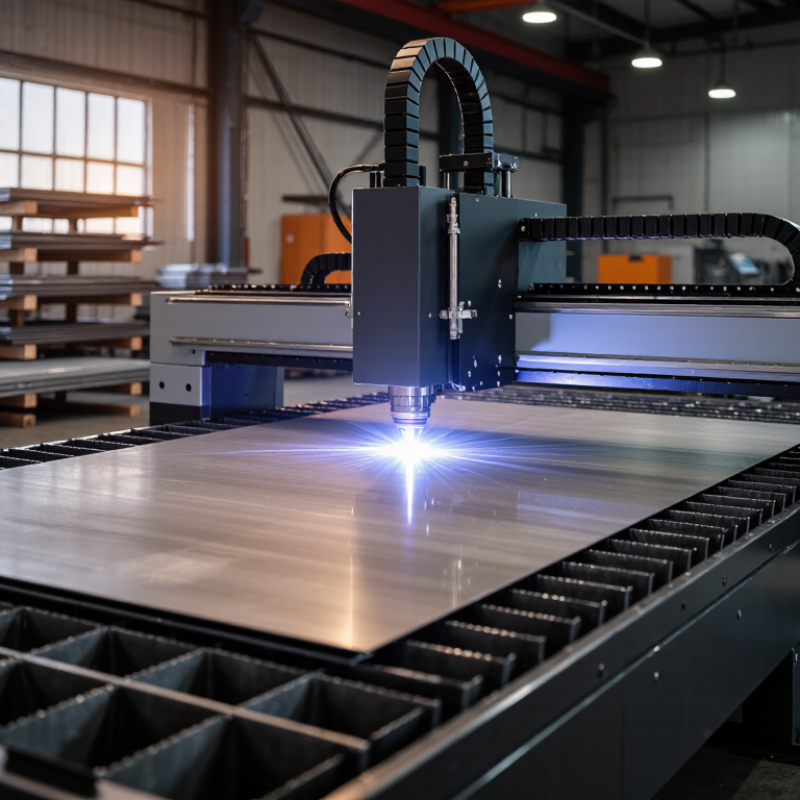
A metal laser cutter uses a concentrated beam of light to heat a small area until the material melts or vaporizes. In many industrial machines, a fiber laser generates the beam, and lenses focus it onto the metal sheet. A computer-controlled cutting head follows a programmed path, shaping the part with precise movements. The beam is narrow. That helps create clean edges, though results depend on the machine, material, and setup.
Assist gas flows through a nozzle around the beam. It can push molten metal out of the cut and help control the edge. Oxygen may support cutting in some applications, while nitrogen is often used when a cleaner, less oxidized edge is needed. Operators adjust focus, power, speed, and gas pressure for each material and thickness. A setting that works on thin stainless steel may fail on a thicker plate. Small details matter. Even a slightly dirty lens can affect cut quality, so regular inspection is essential. I would not assume the fastest setting is the best one; test cuts reveal rough edges, excess heat, or dimensions that drift. A suitable cutter is one that handles the intended workload consistently, with proper guarding and ventilation.
For many production jobs involving metal sheet, a fiber-laser cutter is a strong all-around choice because its wavelength is absorbed well by many metals. The best system still depends on the material, thickness, required edge quality, production volume, and total operating cost.
| System or stage | How it works | Suitable materials or applications | Main advantages | Important limitations | Best fit |
|---|---|---|---|---|---|
| Fiber laser | A solid-state laser generates light in an optical fiber, typically at a wavelength near 1.06 μm. The beam is guided to a focusing head and concentrated on the workpiece. | Commonly used for carbon steel, stainless steel, aluminum, brass, and copper, subject to machine configuration and process settings. | Generally well absorbed by many metals; efficient for a wide range of sheet-cutting work; suitable for automated production. | Up-front equipment cost, extraction, safety controls, and assist-gas use must be considered. Reflective materials still require appropriate equipment and setup. | A versatile choice for shops cutting multiple types of metal sheet and prioritizing productivity. |
| CO₂ laser | A gas laser produces an infrared beam, typically at about 10.6 μm, which is directed through optics and focused onto the material. | Can cut many non-metals and can cut metals in suitably configured systems; also found in some established metal-fabrication applications. | Mature technology with a broad history of industrial use and capability across various material types. | Its longer wavelength is generally less suitable than fiber for cutting highly reflective bare metals such as copper and aluminum. Optical-path maintenance and operating requirements vary by system. | Facilities that need one platform for particular non-metal and metal applications, or that already have a suitable system. |
| UV or ultrashort-pulse laser | Short-wavelength or very short-duration pulses deliver energy in a highly controlled way, often limiting heat transfer to surrounding material. | Fine features, thin foils, precision ablation, marking, and specialized microprocessing of metals. | Can produce very small features and help control heat-affected areas in precision processes. | Usually not the economical choice for general-purpose, high-throughput sheet cutting; cutting speed and capacity depend strongly on the application. | Specialized precision work rather than routine cutting of large metal sheets. |
| 1. Beam generation and delivery | The laser source creates a beam. Mirrors or an optical fiber route it to the cutting head, where a lens focuses it into a small, high-energy spot. | Applies to laser cutting systems, with the delivery method depending on the laser type. | A focused spot concentrates energy where the cut is needed. | Optics, alignment, cleanliness, and protective enclosures are important for reliable operation and safety. | The first stage of every laser-cutting process. |
| 2. Melting or vaporization | The focused beam heats the metal rapidly. Depending on the process, material melts and may partly vaporize along the programmed cut path. | Metal sheets and plates within the machine’s rated material and process range. | Enables intricate profiles without a mechanical cutting tool contacting the workpiece. | Heat input can create a heat-affected zone, dross, or edge discoloration; results depend on material and settings. | Contour cutting where programmed geometry and repeatability matter. |
| 3. Assist gas and material ejection | A nozzle directs assist gas through the cutting area to eject molten material. Oxygen can support oxidation in some steel-cutting processes; nitrogen is commonly used when a cleaner, less oxidized edge is desired. | Gas choice varies with alloy, thickness, edge-quality needs, and process strategy. | Helps clear the kerf and influences cutting speed, edge appearance, and oxidation. | Gas pressure and consumption affect operating cost. Incorrect settings can worsen edge quality or prevent a stable cut. | Every production cut; gas selection should match the material and finish requirements. |
| 4. CNC motion and quality control | A CNC controller moves the cutting head and worktable along the programmed path while coordinating motion with laser output and gas flow. | Repeated parts, nested sheet layouts, and complex two-dimensional profiles. | Supports repeatable geometry and efficient use of sheet material when programs and setup are correct. | Accuracy and throughput also depend on machine rigidity, motion settings, focus, maintenance, and operator skill. | Production environments requiring repeatable parts and automated cutting workflows. |
Match the machine to your usual metals, thicknesses, and workload. Power matters, but so do edge quality and repeatability.
Many fiber lasers use light near 1.06 micrometres. The beam travels through an optical fiber and can cut metals such as stainless steel and aluminum.
Autofocus adjusts the focal point when sheet thickness changes. A poor focus can leave rough edges or extra dross.
Nitrogen can produce clean, oxide-light edges on stainless steel. Oxygen may speed cutting in some mild-steel applications. Test your material.
Use your own material and thickness. Check corners, small holes, edge dross, discoloration, and dimensional accuracy. Real samples matter.
Automated loading can reduce handling time, but it adds setup and maintenance demands. Not magic.
Check the work area, extraction, enclosure, compatible gases, calibration, training, and technical support. Make sure the machine fits full sheets you use.
Include installation, ventilation, consumables, maintenance, and downtime. I may still underestimate upkeep; a nozzle change can disrupt a tidy plan.
Test repeated cuts on your regular materials and thicknesses. Published speeds may not match your gas, edge-quality needs, or shop conditions.
This guide explains how a Metal Lazer Cutter uses a focused beam of light to heat and separate metal with precision. It introduces the key technologies behind the process, including laser sources, motion systems, focusing components, and control software, and describes how different cutter types suit different materials, thicknesses, and production needs. Understanding these basics can help readers compare machines without relying on specifications alone.
The guide also outlines practical performance factors such as cutting speed, accuracy, material compatibility, operating costs, and maintenance requirements. It concludes with a straightforward approach to choosing a suitable machine: define the intended work, consider the metals and thicknesses involved, assess available space and budget, and weigh ease of use against long-term productivity. By matching these factors to real requirements, buyers can make a more informed choice.

 Lxshow