Choosing the best Laser Cutting Metal Machine in 2026 requires more than comparing wattage and advertised speed. A workshop may need to cut stainless steel, mild steel, aluminum, or copper every day. Each material reacts differently under the beam. Thickness, tolerance, production volume, and operating cost also shape the right decision. A bright showroom machine can still disappoint beside a noisy, poorly maintained compressor.
Professor John Ion, a respected laser-processing specialist and author of Laser Processing of Engineering Materials, offers a useful principle: “The laser is a tool, not a magic wand.” That reminder matters when evaluating modern fiber laser systems. The machine should match real production demands, not imagined ones. Its cutting head, autofocus system, motion accuracy, nesting software, and fume extraction deserve equal attention.
This guide examines the leading Laser Cutting Metal Machine options for 2026. It considers cutting performance, energy use, automation, service support, safety features, and long-term reliability. A 6-kilowatt model may be excellent for heavy plate, yet wasteful for a small fabrication shop. A compact 3-kilowatt machine may deliver cleaner economics and simpler maintenance. There is no perfect answer.
Some specifications remain difficult to compare honestly. Manufacturers often test with ideal materials and carefully tuned settings. Real factories face warped sheets, changing gas quality, and occasional operator mistakes. That is where experience becomes valuable. We will compare practical performance, not just impressive numbers. The final choice may be less glamorous than expected, but it should produce consistent parts, predictable costs, and fewer uncomfortable surprises.
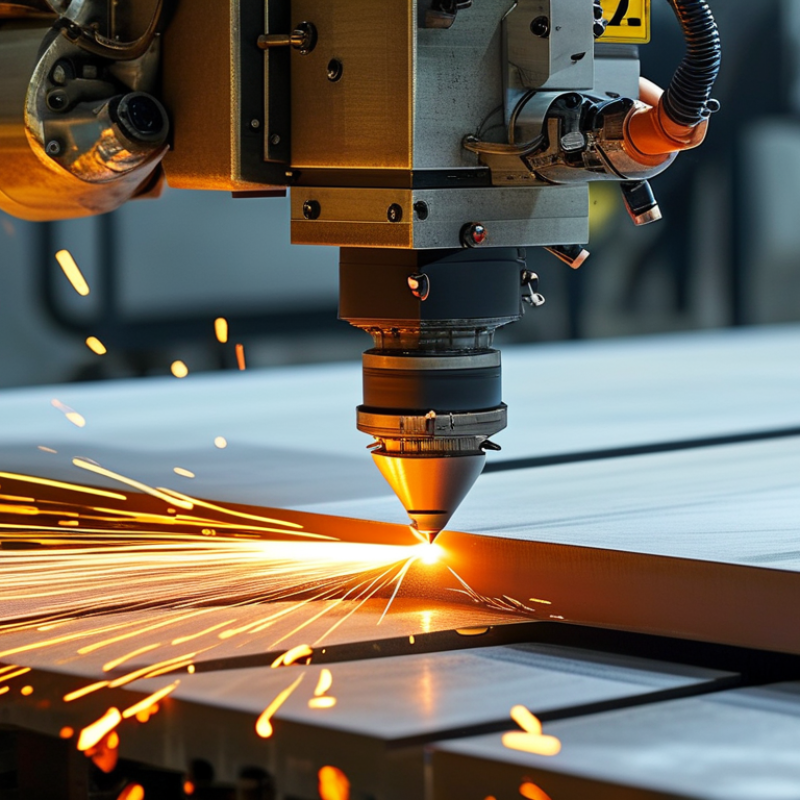
What Is a Laser Cutting Metal Machine?
A laser cutting metal machine uses a concentrated light beam to cut, pierce, or mark metal sheets and tubes. The beam melts or vaporizes material along a programmed path. Assist gas then removes molten metal from the cut zone. This process can create narrow kerfs, smooth edges, and detailed shapes. Common materials include carbon steel, stainless steel, aluminum, copper, and brass. The machine usually includes a laser source, cutting head, motion system, control software, and fume extraction unit.
The best laser cutting metal machine in 2026 depends on material, thickness, production volume, and available workshop space. Fiber laser systems often suit reflective metals and fast sheet processing. A stable motion system matters as much as laser power. Small vibrations can affect holes, corners, and repeated parts. In practical workshop use, correct focus, clean protective lenses, and suitable gas pressure strongly influence results. More power is not always better. It can increase operating costs and damage thin metal.
Tips: Check sample cuts before purchasing. Ask for test results using your actual metal thickness. Inspect edge quality, piercing time, software controls, and maintenance access. A common mistake is choosing speed over consistency. That assumption can fail during long production runs. Keep ventilation compliant with local requirements, and train operators before daily use.
| Machine Category | Laser Technology | Typical Power Range | Common Working Area | Typical Mild Steel Capacity | Typical Stainless Steel Capacity | Typical Aluminum Capacity | Best Use | Main Limitation |
|---|---|---|---|---|---|---|---|---|
| Compact Fiber Metal Cutter | Solid-state fiber laser | 1–3 kW | 1,300 × 900 mm to 3,000 × 1,500 mm | Approximately 8–16 mm | Approximately 4–8 mm | Approximately 3–6 mm | Small workshops, prototypes, maintenance, and sheet-metal fabrication | Limited productivity and thickness range for heavy production |
| Standard Flat-Bed Fiber Cutter | Solid-state fiber laser | 3–6 kW | 3,000 × 1,500 mm to 4,000 × 2,000 mm | Approximately 16–25 mm | Approximately 8–16 mm | Approximately 6–12 mm | General-purpose fabrication and medium-volume production | May require additional equipment for very thick plate or automated loading |
| High-Power Fiber Plate Cutter | High-power solid-state fiber laser | 6–20 kW | 3,000 × 1,500 mm to 6,000 × 2,500 mm | Approximately 25–50 mm | Approximately 16–30 mm | Approximately 12–25 mm | Heavy fabrication, structural parts, and high-throughput plate cutting | Higher purchase price, power demand, gas consumption, and operating complexity |
| Tube and Sheet Fiber Cutter | Solid-state fiber laser with rotary axis | 2–6 kW | Sheet bed up to 6,000 × 2,000 mm; tube lengths commonly 3,000–6,500 mm | Approximately 16–25 mm | Approximately 8–16 mm | Approximately 6–12 mm | Furniture frames, construction profiles, automotive parts, and mixed production | More complicated setup and generally higher cost than a sheet-only machine |
| CO₂ Metal-Cutting Machine | Gas laser using a CO₂ laser source | 2–6 kW | Typically 2,500 × 1,300 mm to 4,000 × 2,000 mm | Approximately 12–20 mm | Approximately 6–12 mm | Approximately 4–8 mm | Existing CO₂ installations and operations that also cut nonmetallic materials | Generally lower electrical efficiency and slower thin-metal cutting than fiber technology |
| Automated Fiber Production Line | Fiber laser with shuttle table, material tower, or robotic handling | 3–12 kW | Commonly 3,000 × 1,500 mm to 6,000 × 2,500 mm | Approximately 16–35 mm | Approximately 8–20 mm | Approximately 6–16 mm | Continuous production, unattended operation, and high material utilization | Requires substantial floor space, integration planning, and maintenance capability |
Note: Cutting capacities and speeds are typical industry ranges rather than guaranteed specifications. Actual results depend on material grade, thickness, assist gas, nozzle, focus settings, machine design, part geometry, and required edge quality.
: It should match your materials, thicknesses, and daily workload. Power is not everything. A stable fiber laser source supports clean edges on steel, stainless steel, and aluminum. The machine should also offer reliable focusing, cooling, lubrication, and safety systems.
Higher power can cut thicker metal, but it may increase energy and maintenance costs. Moderate power often suits thin stainless steel. Carbon steel may need stable output and suitable assist gas. An oversized machine can sit underused. That choice may look efficient on paper, but reality can disagree.
Autofocus adjusts the cutting position when material thickness changes. Reliable height sensing can reduce nozzle crashes and uneven edges. This matters around thin sheets, thick plates, and uneven surfaces. Small errors become visible quickly.
Oxygen, nitrogen, and air support different cutting strategies. Each gas needs suitable pressure and settings. Clear software can help new operators manage these adjustments. Poor interface design may waste an entire sheet.
Test kerf width, corner accuracy, hole roundness, and edge quality. Use actual metal grades and thicknesses. Inspect burrs, heat marks, and underside dross. Do not trust specifications alone.
Maximum speed does not show complete production performance. Acceleration and piercing time can affect output more than straight-line speed. Small holes and narrow slots usually slow the process. Fast on paper.
Effective cooling, automatic lubrication, and accessible filters support regular operation. Maintenance access can matter more than an impressive specification. Check replacement parts and service response times. Downtime is expensive.
Request sample cuts using your real materials and most difficult designs. Measure finished parts with reliable tools. Test corners, holes, slots, and long production runs. A short demonstration may hide problems. Reflect before buying.
Consider floor space, electrical supply, bed size, extraction, and software compatibility. A small bed may require repeated repositioning. That creates alignment work. Future orders also matter, but predicted growth can be wrong. Evaluate today’s workflow honestly.
Choosing the best Laser Cutting Metal Machine in 2026 requires more than comparing price tags. These machines use a focused laser beam to melt, burn, or vaporize metal, while software and motion systems guide the cutting path with high accuracy. Different metals, including stainless steel, carbon steel, aluminum, brass, and copper, require appropriate power levels, cutting speeds, gas settings, and material handling methods. A suitable machine should deliver clean edges, stable performance, reliable automation, and efficient energy use.
When comparing options, evaluate laser power, precision, cutting speed, maximum material thickness, worktable size, maintenance requirements, safety features, and total operating cost. Higher power may improve productivity for thick materials, while advanced control systems can support detailed designs and reduce waste. The ideal choice depends on your production volume, material types, part complexity, available workspace, and long-term budget. By matching machine capabilities with practical production needs, manufacturers can achieve consistent quality, efficient processing, and better overall value.

 Lxshow